Money Is Tight—But You Can’t Afford To Give Up
Money can be one of the most difficult aspects of life to manage. Whether you're dealing with debt, living paycheck to paycheck, or simply trying to build a more secure future, financial stress can feel overwhelming. But here’s the truth: just because something is hard doesn’t mean it’s not worth doing. In fact, the most rewarding achievements in life often come from the moments when we choose to try—especially when it would be easier to give up.

In this article, we’ll explore how putting in consistent, intentional effort can transform your financial life. From improving your financial wellbeing to saving consistently and reclaiming money you may be owed, we’ll walk through practical, empowering steps that anyone can take—no matter where you’re starting from.
No. 1
Improve Your Financial Wellbeing
The first step in taking control of your finances is understanding how you can improve your financial wellbeing. This doesn’t just refer to how much money you have—it’s about how confident, secure, and in control you feel when managing your money.
If you’re not feeling that sense of control right now, ask yourself:
What’s causing the stress or uncertainty?
Are there gaps in your knowledge that could be filled with education?
Would working with a professional, like a financial advisor or accountant, give you peace of mind?
Sometimes, improving your financial wellbeing means going back to basics. That might mean taking a money management course, learning how to budget effectively, or even just tracking your spending for the first time. These small steps may seem insignificant at first, but over time, they build the foundation for long-term stability.
Remember: financial wellbeing isn’t about being perfect—it’s about making progress.
No. 2
Save Where You Can
Saving money is often framed as a luxury, but in reality, it’s a necessity—no matter how small the amount. If you feel like saving is impossible, start by reframing the way you think about it. Saving $5 a week is better than saving nothing at all. The key is consistency, not perfection.
Tips to Start Saving:
Set up an automatic transfer to a savings account, even if it’s just a few dollars
Use budgeting apps to identify areas where you can cut back
Create a visual savings tracker to stay motivated
Celebrate small milestones to reinforce the habit
It’s important to understand that your savings don’t have to be the same every month. Life is unpredictable. Some months you’ll save more, others less—but what matters is that you’re building the habit. Over time, those small deposits grow into something meaningful.
Saving gives you freedom—freedom to handle emergencies, take opportunities, and reduce stress about the future.
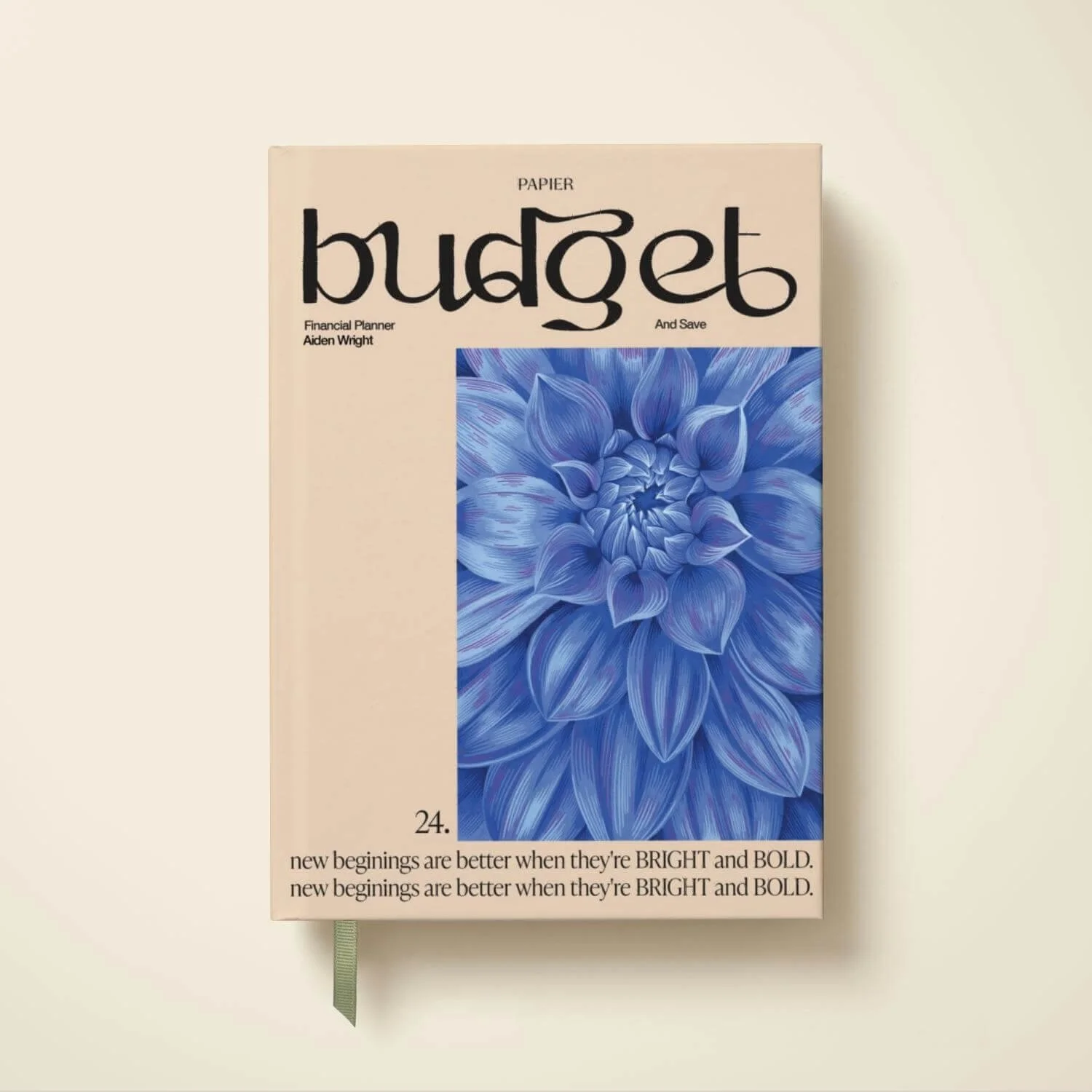
Papier
Stay stylishly on top of your finances with Papier’s beautifully crafted finance and budget planners — where mindful money management meets elegant design.
No. 3
Don’t Give Up on Money You May Be Owed
One of the most overlooked aspects of financial empowerment is knowing when to stand up for what you’re owed. Whether it’s unpaid wages, a refund, or compensation after an injury, too many people walk away from money that rightfully belongs to them—simply because they don’t know how to pursue it or feel discouraged by the process.
Situations Where You Might Be Owed Money:
Workplace injuries or unpaid overtime
Refunds from faulty products or canceled services
Legal compensation due to negligence (e.g., asbestos exposure, car accidents, etc.)
Insurance claims that haven’t been processed
If you believe you’re entitled to compensation, don’t hesitate to seek legal advice. For example, if you’re dealing with a specific issue like an asbestos-related illness, it’s crucial to work with a law firm that specializes in asbestos claims. These professionals understand the nuances of the case and can help you navigate the process efficiently.
You worked for that money. You deserve to claim it.
Takeaways
We know money can be tough. Life throws curveballs, and finances are often the first area to feel the impact. But giving up isn’t the answer—and it never will be. In this article, we’ve looked at how effort, even in small doses, can lead to real, lasting change.
Improving your financial wellbeing, saving consistently, and standing up for what you’re owed are all actions that require courage and commitment. But they’re also actions that pay off—emotionally, mentally, and financially.
The truth is simple: when you try, you grow. And when you grow, your finances begin to reflect that effort.
Don’t wait for the perfect moment. Start where you are, use what you have, and take one step at a time. Your future self will thank you.
Looking for resources?
At Hello Lovely Living, we aim to empower you to earn and save money and time while benefiting from our expansive network of home, life, wellness, travel, work-from-home, career, and business resources and opportunities. Discover a wealth of tools to support your journey.