7 Reasons More Drivers Are Choosing Valved Exhaust Systems Today

If you have spent any time in car communities lately, you have probably noticed a lot of buzz around valved exhaust systems. Drivers from all kinds of backgrounds — weekend track enthusiasts, daily commuters who just love a good-sounding car, and everyone in between — are making the switch. And honestly, it makes a lot of sense once you understand what these systems actually do.


Unlike a traditional fixed exhaust, a valved setup gives you real control over how your car sounds and performs. Open the valve for a throaty, aggressive note on a spirited drive. Close it for a quiet, neighbor-friendly ride home. That kind of flexibility is hard to find anywhere else.

So what is actually driving all this interest? In this article, we share seven solid reasons why more drivers are upgrading to valved exhaust systems today.

No. 1

You Get to Control the Sound

This is probably the biggest draw for most people. A valved exhaust lets you dial in exactly the kind of sound experience you want — and switch between modes on the fly.

Heading out early in the morning and do not want to wake the whole street? Keep the valve closed. Taking your car to a track day or weekend cruise? Open it up and let the engine breathe. That level of control was once limited to high-end performance cars, but now it is accessible to a much wider range of drivers.

No. 2

Real Performance Gains on Demand

It is not just about sound. When the valve opens, exhaust gases exit more freely, which reduces backpressure and allows the engine to breathe better. The result? A noticeable improvement in throttle response and mid-to-high RPM power delivery.

According to the Society of Automotive Engineers, optimizing exhaust flow can improve engine efficiency by up to 5%, depending on the vehicle and setup. That is a meaningful number for anyone serious about their car's performance.


No. 3

One System, Two Personalities

Before valved exhausts became mainstream, drivers had to choose: go with a loud aftermarket system or stick with the quiet stock setup. There was no real middle ground.

Valved systems flip that entirely. You get both options in a single upgrade — a quiet mode for daily driving and a performance mode for when you actually want to enjoy the car. It is the kind of versatility that makes the investment genuinely worthwhile.

No. 4

Street Legal in Most Places

Noise ordinances are a real concern for anyone upgrading their exhaust. Many aftermarket systems simply run too loud for everyday street use, which creates headaches — or actual fines — for the owner.

With a valved exhaust, keeping things legal is as simple as keeping the valve closed. You stay within acceptable noise limits for street driving and local regulations, while still having the option to open things up in appropriate settings. It is a practical solution that removes a lot of the usual trade-offs.

That said, always check the specific noise regulations in your area before making any exhaust modification.


No. 5

Quality Has Jumped Significantly

A few years ago, valved exhaust systems were either overpriced or poorly built. The mechanism would stick, the actuation was slow, or the materials simply could not handle sustained heat cycles. That has changed a lot.

Modern systems use high-grade stainless steel, CNC-machined components, and electronically controlled actuators that respond in milliseconds. Drivers who want a well-engineered upgrade often look at options like the valved exhaust systems built for sport and performance applications — precise, durable, and designed to last. 

Manufacturers such as Fabspeed Motorsport operate in a segment where factors like fitment, build quality, and on-road performance are frequently evaluated alongside published specifications. 

No. 6

Easy to Use Every Day

There was a time when aftermarket exhaust upgrades meant constant compromise. Too loud for commuting, too restrictive for performance — pick one. Modern valved systems eliminate that friction entirely.

Most setups today offer simple controls — a switch, a keyfob, a phone app, or even integration with the car's existing drive modes. Switching between quiet and performance mode takes seconds. There is no getting out of the car, no tools, no hassle.

Here is what a typical day might look like:

Morning commute through a quiet suburb: valve closed, completely unobtrusive

Lunchtime highway run: valve open, responsive, and enjoyable

Evening drive home: back to quiet mode, no complaints from anyone

That kind of seamless daily usability is a big reason drivers are choosing valved systems over traditional aftermarket options.

No. 7

It Adds Real Resale Value

Not every car mod helps when it is time to sell. Loud, poorly installed exhausts can actually put buyers off. A valved system is different — it is seen as a thoughtful, reversible upgrade that adds genuine value rather than just noise.

Enthusiast buyers in particular appreciate it. They know what it costs, they know what it does, and they are often willing to pay more for a car that already has a quality setup installed. It is one of the few performance modifications that can actually work in your favour at resale.

Takeaways

Valved exhaust systems have gone from a niche performance item to one of the most practical upgrades a car enthusiast can make. The combination of sound control, real performance gains, daily usability, and long-term durability is genuinely hard to beat.

Whether you are starting to explore your options or already know what you want, it is worth taking the time to understand what a well-made system can actually do for your car — and your daily driving experience.


Looking for resources?

At Hello Lovely Living, we aim to empower you to earn and save money and time while benefiting from our expansive network of home, life, wellness, travel, work-from-home, career, and business resources and opportunities. Discover a wealth of tools to support your journey.


Not Your Ordinary Father’s Day Gift Guide (Unique Picks)

Father’s Day gifting can feel repetitive: another tie, another mug, another last-minute gadget he will politely thank you for and quietly forget. The best gifts, though, are the ones that make his everyday life easier, more comfortable, or more enjoyable, while also reflecting who he is and what he’s into.


In this article, we will explore unique Father’s Day gift ideas that go beyond the predictable, with options for the dad who works hard, the dad who travels, the dad who’s upgrading his home, and the dad who’s leaning into wellness. You’ll also find a standout practical pick for real life: BRUNT Workwear’s new Starter Kit that lets you bundle boots with pants or shorts and save 10% on both.

No. 1

The Workwear Upgrade He’ll Actually Use: BRUNT Starter Kit

If your dad is the type who is always fixing, building, hauling, or putting in long hours on his feet, a gift that improves comfort and durability is a win. This is exactly why the BRUNT Starter Kit is such a smart Father’s Day move: it is useful, upgrade-worthy, and designed for real working days.

Why the BRUNT Starter Kit is a standout gift

  • It is practical without being boring

  • It is a complete outfit upgrade in one purchase

  • It is built around performance essentials he will wear repeatedly

  • It includes built-in value: customers can bundle a boot with pants or shorts and save 10% on both products

  • It makes sizing and selection straightforward with guided options

Shop the BRUNT Starter Kit

  • Starter Kit

    • The bundle builder allows customers to select boots, then choose pants or shorts, and automatically receive the 10% savings on both.

What he can bundle (based on the bundle builder content)

Boot options include popular styles and features such as:

  • Waterproof options

  • Soft toe and composite toe choices

  • Pull-on, lace-up, and slip-on silhouettes

  • Styles like The Marin, The Bolduc, The Ohman, The Ryng, The Perkins, The Sullivan, and The Vastbinder

Pants and shorts options include technical workwear styles such as:

  • Durable breathable work pants

  • Work shorts suited for warm-weather wear

  • Multiple fits and sizes, with a clear size chart for waist and inseam selection

Easy gifting tip

If you are unsure of his exact preferences, focus on selecting:

  • A versatile boot category that matches his environment (wet job sites, long indoor shifts, outdoor work)

  • Pants or shorts that match the season where he lives

  • Neutral colors that pair with everything he already wears

No. 2

For the Dad Who’s Always Improving the Home

Some dads relax by building, organizing, repainting, or upgrading the garage. If that sounds familiar, aim for gifts that reduce friction and make projects more satisfying.

Home-improvement gifts that feel thoughtful

  • A targeted upgrade that he has been postponing

    • New garage organization, better storage systems, or tools that fix a recurring annoyance

  • A “project support” gift

    • Professional services he can book when he is ready

    • Additions that improve daily life

Explore Home-improvement gift Ideas

How to make it feel personal

  • Pair the gift with a note naming the project you are “sponsoring”

  • Offer a Saturday morning to help, then let him lead

  • Add one small extra that makes it fun, like his favorite snack or a new playlist


No. 3

For the Dad Who’d Rather Travel Than Get More Stuff

Experiences tend to be memorable, and travel-style gifts are perfect when he already “has everything.” The key is to choose something that either simplifies planning or gives him a reason to take a break.

Experience-forward gift ideas

  • A guided tour in a city he has always wanted to visit

  • A wellness retreat if he needs a true reset

  • A weekend getaway that is easy to book and low-pressure

Explore Experience-forward gift ideas

Simple way to wrap an experience gift

  • Print a one-page “trip voucher” with dates you are proposing

  • Include 2–3 options so he can choose

  • Add one small physical item to open, like a travel accessory or a new weekender bag idea

No. 4

For the Wellness-Minded Dad (or the Dad Who Needs Rest)

Wellness gifts land best when they feel supportive rather than preachy. Choose gifts that help him sleep better, manage stress, or stay consistent with routines.

Wellness gift categories that work well

  • Better sleep support

  • Stress reduction and mindfulness tools

  • Daily habit building

  • Fitness-friendly essentials

  • Health-promoting supplements

Explore wellness gift ideas

How to make a wellness gift feel more special

  • Bundle the “tool” with an invitation

    • Example: “Let’s do a 10-minute daily reset for two weeks and compare notes.”

  • Keep it simple

    • A gift that requires a complex setup often becomes unused, even if it is a good product


No. 5

For the Lifelong Learner Dad (Skills, Hobbies, and Curiosity)

Some dads light up when they get to learn something new. Education gifts can be surprisingly personal if you match them to what he already enjoys.

Learning-based gift ideas

  • A class related to his hobby

    • Photography, design, cooking, music, writing, or DIY skills

  • A learning subscription he can use on his schedule

  • Audiobooks for commuting, walking, or weekend projects

Explore Learning-based gift ideas

Make it feel tailored

  • Choose a theme like “backyard upgrades,” “better coffee,” or “travel photography”

  • Include a short list of 3 classes or 5 audiobooks you think he would love

  • Add a note explaining why you picked it for him

No. 6

For the Style-Forward Dad (Without Guessing Wrong)

Style gifts can be tricky, so the safest approach is to lean into elevated basics, comfort, and quality. Choose brands known for consistent sizing and timeless designs.

Style gift ideas that rarely miss

  • A high-quality everyday piece he can wear often

  • Upgrades to basics: shirts, knitwear, or accessories

  • A brand that aligns with his look, whether classic, modern, or rugged

Explore Style gift ideas

Quick sizing tip

If you do not know his size:

  • Buy a gift card option when possible

  • Choose adjustable items

  • Or pick experiences and subscriptions instead of apparel

No. 7

For the Food-and-Drink Dad (Gourmet, Useful, and Fun)

Food gifts are great when you want something that feels celebratory and easy to enjoy immediately. They also work well as add-ons if you are giving a bigger gift like the BRUNT Starter Kit.

Crowd-pleasing food gift ideas

  • A gourmet delivery that feels like an occasion

  • A curated gift basket that introduces variety

  • Premium kitchen tools

Explore Crowd-pleasing food gift ideas

Easy way to make it Father’s Day-ready

  • Add a simple plan: “Dinner is on me, and you pick the movie.”

  • Include a handwritten menu card or schedule the delivery for the weekend

No. 8

For the Dad Who Loves Practical Tech and Everyday Upgrades

Tech gifts are best when they solve a recurring annoyance. Think comfort, convenience, and tools that make daily routines smoother.

Practical tech gift ideas

  • Home or workspace upgrades

  • Organization solutions that reduce clutter

  • Gear that supports his hobbies and routines

Explore tech gift ideas

What to avoid

  • Trend-only gadgets without a clear use case

  • Anything that requires subscriptions he did not ask for

  • Tech that is hard to set up unless you do it with him

No. 9

How to Choose the Right Gift in 10 Minutes

If you are short on time, you can still pick something that feels intentional. Use this quick filter to land on the best category.

The 3-question gift filter

  • What does he do most weekends?

    • Projects, relaxing, travel, socializing, hobbies

  • What is his biggest daily frustration?

    • Being tired, sore feet, clutter, not enough time, stress

  • What would genuinely improve his next 30 days?

    • Comfort, better sleep, upgraded essentials, a break, learning something new

Fast recommendations by dad type

No. 10

Father’s Day Gift Presentation That Makes Any Gift Better

Even practical gifts feel more meaningful with a better presentation. This matters especially if you are gifting something like workwear, tools, or subscriptions.

Simple presentation upgrades

  • Add a note that names what you admire about him

  • Include one “use it today” extra

    • His favorite snack, a coffee, a small accessory

  • For the BRUNT Starter Kit

    • Print the link and write: “Pick your boots and your pants or shorts, and I’ll cover it.”

Timing tips

  • Order early when possible

  • If you are late, gift the plan and set the date for when it arrives

  • Make the day feel special even if the item ships afterward

Takeaways

The best Father’s Day gifts feel like an upgrade to real life, not an obligation to buy something generic. In this article, we will explore unique gift directions that match different personalities, from travel and wellness to home projects and practical tech.

For a genuinely useful gift, the BRUNT Starter Kit stands out because it combines comfort and durability with built-in savings. The bundle builder lets customers pair a boot with pants or shorts and save 10% on both, making it easy to give something he will wear again and again.

When in doubt, choose gifts that reduce friction, create memories, or support what he already loves. A thoughtful note and a simple plan for how he will enjoy the gift can turn even a practical pick into a Father’s Day win.


Looking for resources?

At Hello Lovely Living, we aim to empower you to earn and save money and time while benefiting from our expansive network of home, life, wellness, travel, work-from-home, career, and business resources and opportunities. Discover a wealth of tools to support your journey.


Budget Wedding Tips: Beautiful, Memorable, Affordable

Planning a wedding on a budget does not mean sacrificing style, comfort, or the overall experience for you and your guests. In many cases, the most elegant celebrations come from intentional choices: trimming what does not matter, investing in what does, and designing a day that feels personal rather than performative.


In this article, we will explore practical, high-impact recommendations for creating a beautiful budget wedding without compromising the moments that make it meaningful. From rethinking the venue and guest list to considering modern ring options and embracing digital or DIY details, you will find strategies that reduce costs while protecting what couples care about most: connection, atmosphere, and ease.

No. 1

Pick a Non-Traditional Venue

Your venue is often the single largest line item in a wedding budget, not only because of the hire fee but also because it influences other expenses like décor, catering requirements, rentals, and transport. Choosing a non-traditional venue can unlock savings and give you greater flexibility to personalise the day.

Instead of defaulting to hotels or dedicated wedding halls, look at spaces that are inherently charming but not priced primarily for weddings. These venues frequently offer more generous time windows, fewer mandatory vendor restrictions, and a more relaxed “make it your own” feel.

Budget-friendly venue ideas to consider

  • Outdoor spaces

    • Public gardens (with permits as needed)

    • Beaches or lakeside areas

    • Nature reserves that allow private events

  • Community venues

    • Local community halls

    • Art centres or galleries with event space

    • Small theatres or historic buildings

  • Private property

    • A family garden or backyard

    • A friend’s farm or land

    • A private home with a large outdoor area

How to make a simple venue look elevated

  • Use lighting as your main design tool

    • String lights for warmth and atmosphere

    • Candles or lanterns for tables and walkways

    • Uplighting for trees, walls, or architectural features

  • Work with seasonal elements

    • Choose flowers that are locally available in your wedding month

    • Let the season influence colour palettes and textures

  • Create a few “visual anchor points” rather than decorating everything

    • A ceremony backdrop

    • A welcome table

    • A simple photo corner or framed sign

Non-traditional venues can feel intimate and high-end when styled thoughtfully. The key is to choose a space that already has natural character so you are not paying to “build” an atmosphere from scratch.

No. 2

Simplify Your Guest List

Your guest count affects nearly every major expense, including catering, bar costs, rentals, staffing, stationery, transport, and even the size of the venue you need. If you are trying to reduce costs quickly, reducing guest numbers is one of the most reliable levers to pull.

A smaller, intimate wedding can also feel more emotionally rich, because you have more time with each guest and less pressure to “perform” your way through the day. Intimacy often creates the relaxed, joyful energy many couples want but struggle to achieve at large events.

Costs that scale directly with guest numbers

  • Catering and drinks

    • Cost per head for meals

    • Alcohol packages or consumption-based bars

    • Extra staff for service

  • Rentals and setup

    • Chairs, tables, linens, and glassware

    • Larger dance floors or staging

    • More place settings and décor pieces

  • Stationery and favours

    • Invitations and postage

    • Programs, menus, name cards

    • Guest gifts or welcome bags

Ways to trim the list without stress

  • Set your “must-have” circle first

    • Immediate family and closest friends

    • The people you actively share your life with now

  • Use clear categories

    • Must invite

    • Would love to invite

    • Nice to invite if space and budget allow

  • Choose a format that supports a smaller guest count

    • A brunch wedding

    • A weekday or Sunday celebration

    • A ceremony-first intimate event with a relaxed meal afterward

Keeping your guest list intentional is not about excluding people; it is about designing a day that feels true to your relationship and sustainable for your finances.


No. 3

Consider Practical Ring Alternatives

Wedding rings are deeply symbolic, but symbolism does not require a high price tag or a traditional material. Many couples now choose rings that match their lifestyle, work routines, and comfort preferences, particularly if they are active or use their hands frequently.

One increasingly popular option is silicone wedding bands. These rings are designed for comfort and everyday durability, making them especially appealing for people who lift weights, work in healthcare, do manual labour, or simply prefer a lightweight, low-maintenance alternative.

Why couples choose silicone wedding bands

  • Practical daily wear

    • Comfortable and flexible

    • Less risk of damage during hands-on activities

    • Easy to clean and maintain

  • Lifestyle-friendly

    • Useful for travel, gym, and outdoor activities

    • A sensible option for professions where metal rings can be inconvenient

  • Budget-conscious

    • Far less expensive than most metal rings

    • Easy to replace if lost

Smart ways to approach ring spending

  • Decide what the ring needs to do for your life

    • Everyday wear, special occasions, or both

    • Comfort, durability, and safety considerations

  • Consider a “two-ring” approach

    • Silicone band for daily life

    • Traditional metal ring for formal occasions, if desired

  • Focus on meaning, not price

    • Engraving can add personal value without major cost

    • Choosing a ring that you will actually wear matters more than a status signal

The right ring choice is the one that supports your routine and still feels meaningful every time you look at your hand.

No. 4

Rethink Wedding Attire Choices

Wedding attire can be expensive because it is often treated as a one-time purchase, even though you may only wear it for a few hours. The good news is that there are many ways to look polished and feel confident without overspending.

Instead of aiming for “the most expensive version of the dream,” focus on fit, comfort, and a style that reflects you. A well-tailored outfit at a modest price frequently looks more premium than an uncomfortable outfit with a bigger label.

Cost-saving attire options that still look premium

  • Renting

    • Ideal for suits, tuxedos, and certain formal dresses

    • Gives access to higher-end styles at a lower cost

  • Off-the-rack and ready-to-wear

    • Often cheaper than bespoke

    • Tailoring can create a custom look without a custom price

  • Pre-owned and sample sales

    • Second-hand bridal and formalwear can offer major savings

    • Sample sales often include designer pieces at reduced prices

Where to spend and where to save

  • Spend on fit and comfort

    • Tailoring can transform an outfit

    • Comfortable shoes reduce fatigue and improve photos and posture

  • Save on extras that are easy to swap

    • Accessories that can be re-worn

    • Veils, hair pieces, and cover-ups that do not need to be costly to look elegant

Practical planning tips for attire

  • Build in time for alterations

    • Rushed tailoring is expensive and stressful

    • Plan fittings well before the wedding

  • Choose styles that support movement

    • You will sit, walk, hug, and dance

    • Comfort directly impacts how you experience the day

The goal is to feel like yourself, not like you are wearing a costume you cannot wait to take off.


No. 5

Focus on Digital and DIY Elements

Small items add up quickly: invitations, signage, table décor, favour packaging, and day-of stationery. When these are fully outsourced, costs can rise faster than couples expect. Digital and DIY options provide flexibility, reduce spending, and often make the wedding feel more personal.

Digital invitations are a modern, cost-effective alternative that can still look polished. They also simplify guest management, allowing you to track RSVPs and share updates without reprinting anything.

Ways to reduce stationery costs

  • Go digital for invites and RSVPs

    • Lower cost than printed suites and postage

    • Easy to manage guest responses and dietary notes

    • Simple to update if plans change

  • Print only what matters most

    • Minimal ceremony programs

    • A single welcome sign

    • Table numbers instead of full place cards, if appropriate

DIY décor ideas that look intentional, not homemade

  • Table design

    • Candles and greenery for a clean, timeless look

    • Simple bud vases instead of large centrepieces

    • Reusable linens or borrowed items

  • Personal touches

    • Family photos or shared memories as part of the décor

    • Handwritten notes for guests

    • A curated playlist rather than a large entertainment spend, depending on your vibe

Tips to keep DIY stress under control

  • DIY only what you can finish early

    • Avoid projects that must be assembled the night before

  • Choose repeatable designs

    • One centrepiece style for all tables

    • One signage format for everything

  • Ask for help the right way

    • Assign specific tasks to specific people

    • Create a packing list so décor arrives organised and complete

DIY should reduce costs and add meaning, not create last-minute chaos. If a project feels fragile, time-consuming, or easy to mess up, it may be cheaper emotionally to simplify it further.

No. 6

Prioritize What Guests Actually Remember

Many budget decisions become easier when you focus on the guest experience instead of wedding “extras” that look impressive but do not change how the day feels. People tend to remember warmth, comfort, and the emotional tone far more than premium materials or elaborate details.

High-impact areas worth protecting

  • Food and drink basics

    • Enough food, served on time

    • Water available throughout the event

    • A smooth flow between the ceremony and the reception

  • Comfort

    • Clear signage and directions

    • Seating for older guests

    • Shade or heating, depending on the season

  • Atmosphere

    • Music that fits the moment

    • Lighting that creates warmth after sunset

    • A timeline that does not feel rushed

Areas where couples often overspend without real payoff

  • Overly complex décor

  • Too many party favours

  • Excessively large wedding party requirements

  • Premium upgrades that guests do not notice

When you prioritize comfort and connection, the celebration feels generous even when the budget is modest.

Takeaways

A budget wedding can still feel elegant and unforgettable when you simplify decisions and spend intentionally. In this article, we will explore how venue choices, guest count, and practical purchases can lower costs without lowering quality.

Non-traditional venues, smaller guest lists, and modern ring options such as silicone wedding bands can create significant savings while matching real-life needs. Strategic attire choices and a focus on fit help you look confident and feel comfortable without overspending.

Digital invitations and selective DIY details reduce hidden costs and add personality to the day. When you prioritize guest comfort and the overall atmosphere, your wedding feels meaningful, stylish, and unmistakably yours.


Looking for resources?

At Hello Lovely Living, we aim to empower you to earn and save money and time while benefiting from our expansive network of home, life, wellness, travel, work-from-home, career, and business resources and opportunities. Discover a wealth of tools to support your journey.


Fine Jewelry Design Trends: The New Luxury Era

Fine jewelry has entered a new era shaped by individuality, artistic experimentation, and emotional storytelling. While heritage and craftsmanship remain central to the definition of luxury, modern clients are reshaping the category through new expectations around personalization, design originality, and self-expression.


In this article, we will explore how fine jewelry design is evolving, why personal meaning now carries as much weight as prestige, and which creative, cultural, and ethical influences are defining the next generation of high-end jewelry.

No. 1

Personal Expression Has Become Central to Luxury Jewelry

Luxury jewelry has always communicated something about the wearer, but the message has changed. Where status and recognition once dominated, many buyers now prioritize pieces that feel intimate, distinctive, and aligned with their identity. Instead of asking, “Is this impressive?” clients increasingly ask, “Is this me?”

This shift is especially visible in engagement and commitment jewelry, where couples want rings and heirloom pieces that tell a story rather than replicate a template. Today, the most compelling designs often include subtle, personal decisions that only the wearer (or the couple) fully understands.

What personal expression looks like in modern fine jewelry

  • Design choices that signal individuality

    • Unusual stone shapes, unexpected proportions, or asymmetric layouts

    • Signature details such as hidden halos, meaningful engravings, or mixed-metal bands

  • Symbolic elements with private meaning

    • Gemstones chosen for birth months, places, or shared memories

    • Motifs that reference nature, architecture, art movements, or cultural heritage

  • Preference for character over uniformity

    • Antique cuts, warm-toned stones, and settings that highlight natural variation

This move toward self-expression has also influenced how luxury houses position their collections. High-end brands are increasingly balancing tradition with modern creativity, offering designs that feel collectible yet personal. Luxury maisons such as Fabergé continue to embrace this evolution through collections featuring 18K diamond engagement rings that combine heritage craftsmanship with modern artistic expression.

No. 2

Heritage Craftsmanship Still Defines True Luxury

Even as the aesthetic language of fine jewelry changes, one constant remains: craftsmanship is non-negotiable. Modern clients may want more creative freedom, but they still expect impeccable finishing, material integrity, and a level of construction that ensures a piece can be worn, repaired, and passed down.

Heritage craftsmanship is not simply a marketing concept in fine jewelry; it is the infrastructure behind longevity. When a ring feels substantial, when stones sit securely, when settings are balanced and comfortable, and when details are refined from every angle, the wearer experiences quality in a way that is difficult to replicate at lower tiers.

What buyers typically associate with true craftsmanship

  • Technical excellence

    • Secure stone setting and durable prong or bezel work

    • Clean symmetry where intended, and controlled asymmetry where designed

    • Smooth interior finishing for comfortable daily wear

  • Material standards that support longevity

    • Thoughtful alloy selection for color and durability

    • Precision in metal thickness, especially in delicate designs

  • Artisanal detail and design integrity

    • Hand finishing, fine pavé execution, and refined gallery work

    • Visual cohesion between stone choice, setting style, and band proportions

Historic jewelry houses have influence because they can merge innovation with authenticity. Fabergé, for example, remains closely associated with artistic excellence, colored gemstones, intricate detailing, and luxury craftsmanship rooted in its iconic heritage. In today’s market, clients often view craftsmanship as part of a piece’s emotional value, because the care and skill embedded in the object mirrors the importance of the milestone it represents.


No. 3

Colored Gemstones Are Reshaping Engagement Design

The dominance of the white diamond solitaire is no longer unquestioned. While it remains a classic choice, engagement design is widening to include color, contrast, and personal symbolism. This change is less about rejecting tradition and more about expanding it, allowing couples to keep timeless elegance while making the ring unmistakably their own.

Sapphires, emeralds, rubies, champagne diamonds, and mixed gemstone combinations are increasingly popular, not only for their visual impact but also for their narrative potential. Color makes emotion visible, and it often creates a stronger sense of individuality than a standard center-stone approach.

Why clients are choosing more color

  • Emotional and symbolic resonance

    • Certain stones may represent resilience, love, growth, or personal heritage

    • Color can reference a place, a shared experience, or a family tradition

  • Distinctiveness without sacrificing refinement

    • A colored center stone can still feel formal and enduring

    • Mixed-stone accents can add depth while remaining subtle

  • Design flexibility and creative expression

    • Colored stones pair well with sculptural settings and mixed metals

    • Contrasts can highlight the center stone and make the design feel bespoke

Luxury jewelry brands are responding with bolder gemstone palettes, more architectural settings, and intentional metal-stone contrasts. The best results come from disciplined design: color is most powerful when it is balanced with proportion, wearability, and a setting style that protects the stone for long-term use.

No. 4

Bespoke Jewelry Is Becoming More Desirable

Luxury is increasingly defined by participation, not just possession. Many clients want to collaborate, make informed decisions, and feel a sense of authorship over the final piece. Bespoke jewelry responds to this desire by turning the purchase into a creative process rather than a transaction.

This trend is not only about exclusivity; it is also about meaning. A bespoke piece can carry design choices that are impossible to replicate: a stone selected for a specific reason, a motif drawn from a personal memory, or a redesign that preserves elements of a family heirloom.

What clients often customize in bespoke commissions

  • Gemstones

    • Selecting a particular color profile, cut style, or unusual shape

    • Choosing stones for symbolism, origin story, or rarity

  • Architecture of the piece

    • Band width, profile, and comfort fit

    • Setting height, prong style, bezel details, or side-stone layout

  • Hidden personal details

    • Engravings, secret stones, or internal patterns

    • Motifs that reference a shared experience or family history

Why bespoke feels like modern luxury

  • It creates narrative value

    • The design story becomes part of the heirloom

  • It improves long-term satisfaction

    • The piece feels tailored, not merely selected

  • It reframes exclusivity

    • Originality becomes the marker of distinction, not just price or visibility

As bespoke becomes more common, luxury houses are refining how they guide clients through the process, often emphasizing education, transparent design steps, and craftsmanship demonstrations. For many buyers, the experience of designing becomes as meaningful as the piece itself.


No. 5

Vintage Inspiration Is Influencing Contemporary Design

The renewed interest in vintage aesthetics is one of the most important style developments in fine jewelry. Clients are drawn to designs that feel storied, architectural, and rich in detail, often taking cues from Art Deco geometry, Edwardian delicacy, and mid-century refinement.

What makes this vintage revival distinct is how it is being reinterpreted. Rather than copying antique pieces outright, modern designers borrow the visual language of earlier eras and translate it into contemporary proportions, updated setting techniques, and more wearable silhouettes.

Vintage elements appearing in modern collections

  • Stone and cut preferences

    • Old cuts and antique-inspired shapes

    • Softer brilliance profiles that emphasize character

  • Design structure and geometry

    • Step-like forms, symmetry, and framing halos

    • Intricate metalwork that adds depth without excess

  • Heirloom-style detailing

    • Filigree-inspired patterns and refined gallery work

    • Milgrain edges used with restraint for texture and finish

This aesthetic resurgence also reflects a cultural desire for permanence. In an era of rapid trend cycles, vintage-inspired jewelry signals patience, continuity, and legacy. Many buyers want pieces that will still feel relevant decades from now, not designs that rely on short-term novelty.

No. 6

Sustainability Is Influencing Luxury Jewelry Choices

Sustainability has moved from a niche consideration to a serious value driver in fine jewelry. Clients investing in high-end pieces increasingly care about sourcing, longevity, and the ethical dimensions of craftsmanship. They also care about waste, and fine jewelry is uniquely positioned to address it because it can be repaired, redesigned, and worn across generations.

Sustainable luxury often looks less like minimalism and more like intention. Buyers want fewer pieces, chosen more carefully, made to last, and designed with emotional staying power.

How sustainability shows up in purchase decisions

  • Preference for longevity over trend appeal

    • Pieces designed for daily wear, not just occasion use

    • Construction choices that support future maintenance and resizing

  • Redesign and repurposing

    • Incorporating heirloom stones into new settings

    • Updating inherited jewelry to match modern lifestyle needs

  • Materials and sourcing awareness

    • Increased interest in recycled metals and responsible craftsmanship

    • Desire for transparency, documentation, and care guidance

Many buyers now treat fine jewelry as a long-term asset emotionally, aesthetically, and practically. Rather than buying for a single moment, they invest in pieces intended to become future family treasures, carrying both personal meaning and responsible design decisions forward.

No. 7

Fine Jewelry Is Evolving Through Craftsmanship and Meaning

The future of fine jewelry design will continue to move toward individuality, artistry, and emotional storytelling. Clients want jewelry that reflects personal taste, values, and milestones while still embodying the precision and heritage expected at the luxury level.

This evolution does not abandon tradition; it reframes it. Brands that thrive will be those that keep the discipline of classic craftsmanship while expanding the possibilities of color, symbolism, and bespoke collaboration.

What will likely define the next era of luxury jewelry

  • Greater personalization within house design codes

    • More customization options without losing brand identity

  • Stronger storytelling through materials and design

    • Gemstone choices and motifs tied to personal narratives

  • Ongoing respect for heritage skills

    • Fine finishing, secure construction, and pieces built to endure

Luxury jewelry is becoming more human in its purpose: less about conforming to a fixed idea of prestige, and more about capturing a life moment in a form that can last.

Takeaways

Fine jewelry design is shifting toward individuality, emotional storytelling, and meaningful self-expression, while still relying on heritage craftsmanship as the foundation of true luxury. In this article, we explored how modern clients are shaping design choices through personalization, bespoke commissions, and a desire for authenticity.

Colored gemstones, vintage inspiration, and collaborative creation are expanding what “timeless” can look like in engagement and fine jewelry. The most successful designs balance creativity with wearability, proportion, and meticulous construction.

Sustainability is also redefining luxury by elevating longevity, redesign, and intentional buying over short-term trends. The new era of fine jewelry is ultimately about reinterpreting tradition in a way that feels personal, lasting, and unmistakably modern.


Looking for resources?

At Hello Lovely Living, we aim to empower you to earn and save money and time while benefiting from our expansive network of home, life, wellness, travel, work-from-home, career, and business resources and opportunities. Discover a wealth of tools to support your journey.


styleThe List Editor


Microneedling Facial At Anne Therese For Smoother Skin

Improving skin texture is a priority for many people who want their complexion to look smoother, brighter, and more even without resorting to aggressive procedures. A well-performed microneedling facial can help soften the appearance of fine lines, refine visible pores, and reduce textural irregularities such as acne scarring, all while supporting the skin’s natural renewal cycle.


In this article, we will explore how the Microneedling Facial at Anne Therese enhances skin texture, what makes the treatment approach distinct, what results you can realistically expect over time, and how to care for your skin after a session to maximise benefits.

No. 1

Microneedling Facial for Skin Rejuvenation at Anne Therese

The Microneedling Facial at Anne Therese is designed to improve skin quality by stimulating collagen and elastin through controlled micro-injuries. Unlike treatments that rely primarily on surface exfoliation, microneedling targets deeper layers of the skin, encouraging a more fundamental rebuild of texture and firmness.

Anne Therese stands out by combining advanced technique with a strong emphasis on safety, training, and client-specific planning. The aestheticians are trained in current standards and protocols, which matters because microneedling outcomes depend heavily on precision, sanitation, and appropriate depth selection for the area treated and the concern being addressed.

Another key differentiator is how microneedling is paired with supportive skincare strategies. Rather than treating microneedling as an isolated service, the approach typically includes careful product selection and post-treatment guidance that respects personal care product regulation and promotes an effective healing environment.

What makes the Anne Therese approach different

  • Skill and technique that prioritise skin integrity

    • Depth and pattern selection are adjusted based on skin thickness and sensitivity

    • Delicate zones, such as around the mouth, are treated with appropriate caution

  • A focus on long-term skin quality, not just short-term glow

    • Results are built progressively over a series

    • The goal is smoother texture that continues improving after each session

  • Enhanced support through targeted cosmeceuticals

    • Products are chosen to complement the skin’s repair process

    • This can help optimise hydration, comfort, and visible radiance

Microneedling is often compared with surface-focused treatments such as exfoliating devices. Unlike a microdermabrasion device, which primarily improves the outermost layer, microneedling is intended to stimulate a deeper regenerative response and address uneven texture at its source.

Recent studies show that microneedling can increase collagen production by up to 400% over several sessions. This statistic underscores the procedure's effectiveness in rejuvenating the skin. For more on microneedling benefits, you can visit this scientific study.

No. 2

How Microneedling Improves Skin Texture and Appearance

Microneedling works by creating tiny micro-channels in the skin, which activates a wound-healing cascade. This process occurs in phases and, importantly, continues after you leave the treatment room. Over time, the skin’s rebuilding response can improve the look of common concerns tied to texture and unevenness.

One immediate benefit of micro-channels is improved absorption of certain topical agents applied at the appropriate time. When skin is properly assessed and treated, this enhanced delivery can support hydration and recovery, and it may amplify the visible improvement in tone and smoothness.

Microneedling enhances skin texture by creating micro-channels that facilitate the absorption of topical agents, such as transdermal patches and nutraceuticals. These agents penetrate the skin more effectively, delivering nutrients directly to the dermal layers. This deep absorption helps in reducing pore size, improving skin tone, and smoothing out uneven textures.

The technique also leverages the body's natural healing mechanisms. As the skin repairs itself, it produces new collagen and elastin, both of which are crucial for maintaining skin elasticity and firmness. This process is comparable to the body's response to acupuncture needles, focusing on stimulating self-healing without invasive procedures.

Furthermore, microneedling at Anne Therese integrates LED light therapy to enhance collagen production and minimize inflammation post-treatment. This comprehensive approach ensures that results are not only visible but sustained over time. For more detailed insights into skin texture improvements, consider this dermatological resource.

Key texture concerns microneedling can address

  • Roughness and uneven surface texture

    • Helps smooth areas where the skin feels bumpy or inconsistent

  • Enlarged or noticeable pores

    • Can improve the appearance of pores by strengthening surrounding support structures

  • Acne scars and post-breakout textural changes

    • Particularly useful for mild to moderate atrophic scarring, depending on depth and pattern

  • Fine lines associated with collagen loss

    • Often noticeable around the eyes, mouth, and forehead with a consistent plan

  • Hyperpigmentation and uneven tone

    • Can support a more uniform appearance as the skin cycles and renews

Why results take time (and why that is a good thing)

  • Collagen remodelling is gradual

    • Many clients see an early “fresh” look, but deeper improvements build over weeks

  • Texture responds best to a series

    • A single treatment can help, but a planned sequence usually delivers more meaningful change

  • Consistent aftercare protects the investment

    • The skin is actively healing after treatment, so supportive care affects results


No. 3

Why Choose Anne Therese for Your Microneedling Treatment

Choosing where to get microneedling is not only about convenience; it is about expertise, environment, and a process that fits your skin’s needs. Microneedling is technique-sensitive, meaning the quality of outcomes can vary based on assessment, tool handling, and post-treatment planning.

Anne Therese is recognised for its commitment to excellence in beauty and wellness, and this shows in how treatments are positioned within a broader care experience. Rather than providing a one-size-fits-all service, the clinic emphasises personalised planning that considers your skin type, your primary concerns, and your tolerance for active treatments.

Anne Therese is renowned for its commitment to excellence in beauty and wellness, making it the perfect choice for microneedling treatments. The clinic's holistic health coaches work alongside aestheticians to offer personalized skincare solutions that address individual concerns. This collaborative approach ensures that every client receives a treatment plan tailored to their unique skin type and goals.

In addition to its skilled team, Anne Therese utilizes state-of-the-art body contouring equipment and an aromatherapy diffuser to create a soothing and rejuvenating environment for clients. This attention to detail enhances the overall experience, making each visit both therapeutic and effective in promoting skin health.

Clients consistently report high satisfaction rates, noting improvements in skin texture and overall appearance. The clinic's dedication to safety and efficacy, along with its use of cutting-edge technology, positions Anne Therese as a leader in cosmetic skincare treatments.

What to look for in a high-quality microneedling provider

  • Strong consultation and skin assessment

    • A clear review of your goals, sensitivities, and previous treatments

    • Guidance on whether microneedling is appropriate for your current skin condition

  • Safety-focused protocols

    • Sterile practices, proper device handling, and careful product selection

  • Realistic expectations and treatment planning

    • A recommended frequency based on your concerns

    • A clear explanation of what you may notice after each session

  • Integrated support

    • Aftercare instructions that are specific, not generic

    • Options to adjust your plan if your skin needs a slower approach

No. 4

Aftercare Tips for Optimal Microneedling Results

Aftercare is not an optional add-on; it is a core part of getting the best outcome. Your skin needs time to recover and rebuild, and the first 48 hours are especially important. When you treat the post-session period like a recovery window, you support calmer healing and better texture improvements.

Proper aftercare is essential to maximize the benefits of a microneedling facial. After the procedure, it is advised to avoid using active skincare ingredients, such as retinoids and vitamin C, for at least 48 hours. Instead, focus on hydrating the skin with gentle moisturizers and applying sunscreen diligently to protect the newly treated skin from UV damage.

Using a gua sha tool can help reduce swelling and promote lymphatic drainage, complementing the effects of microneedling. Additionally, maintaining a balanced diet rich in vitamins and minerals supports the skin's regenerative processes from within.

Clients are encouraged to follow up with their aesthetician or holistic health coach to discuss any concerns and adjust aftercare routines as needed. This personalized guidance ensures that results are optimized and long-lasting.

First 48 hours: protect and hydrate

  • Keep the routine simple

    • Use a gentle cleanser and lukewarm water

    • Apply a basic, fragrance-free moisturiser focused on barrier support

  • Avoid common irritants

    • Skip scrubs, exfoliating acids, strong retinoids, and high-percentage vitamin C

    • Avoid heat exposure such as saunas and very hot showers

  • Prioritise sun protection

    • Apply a broad-spectrum sunscreen daily

    • Limit direct sun exposure, especially during peak hours

Days 3–7: support rebuilding and consistency

  • Reintroduce actives gradually (if advised)

    • Return to stronger products slowly and only if your provider approves

  • Keep skin calm

    • If you experience dryness or mild flaking, focus on moisturising rather than exfoliating

  • Maintain healthy lifestyle inputs

    • Hydration and nutrient-dense meals help support the repair cycle

    • Adequate sleep can make a visible difference in recovery

Common post-treatment expectations (and when to check in)

  • Typical short-term responses

    • Mild redness, warmth, or sensitivity for 24–72 hours

    • Slight tightness or dryness as the barrier recovers

  • Reasons to contact your provider promptly

    • Persistent irritation, unusual swelling, or signs of infection

    • Any reaction that feels severe or does not improve steadily


No. 5

How to Plan a Series for Smoother, More Even Skin

For many clients, the most noticeable texture improvement comes from a series rather than a single appointment. The appropriate cadence varies, but a structured plan helps you measure progress realistically and allows the skin to remodel collagen over time.

Building a results-focused microneedling plan

  • Define your primary goal

    • Acne scarring, pores, fine lines, or uneven tone require different expectations

  • Commit to consistent spacing

    • Sessions are typically spaced weeks apart to allow recovery and collagen remodelling

  • Track progress with simple checkpoints

    • Photos in consistent lighting

    • Notes on makeup application, roughness, and how skin feels to the touch

  • Combine with supportive modalities when appropriate

    • LED light therapy can be helpful for comfort and inflammation management

    • Product strategy matters as much as the in-clinic procedure

Takeaways

Microneedling is a proven method for enhancing skin texture because it stimulates collagen and elastin through controlled micro-injuries, leading to gradual remodelling and smoother-looking skin. The Microneedling Facial at Anne Therese is positioned as a high-quality option due to technique, training, and an emphasis on safe, personalised care.

Texture improvements typically build over time, especially when treatments are completed as a series and paired with appropriate topical support. The inclusion of complementary elements such as LED light therapy can further support comfort, recovery, and sustained results.

Aftercare plays a defining role in outcomes, particularly in the first 48 hours when the skin barrier is more reactive and vulnerable. By keeping your routine gentle, protecting your skin from UV exposure, and following provider guidance, you can maximise the benefits of your microneedling investment.


Looking for wellness resources?

Are you looking to enhance your wellness routine? Explore our wellness partners who offer a wide range of resources to support your journey toward holistic living and well-being.


7 Things To Know Before Buying Handmade Jewelry Online

There's something genuinely exciting about discovering a piece of jewelry that feels like it was made just for you: a one-of-a-kind ring, a hand-forged necklace, something with real character behind it. The online handmade jewelry market makes that possible from anywhere in the world. But it also comes with a few pitfalls that first-time buyers often stumble into.


Upstate New York, for instance, has long been home to talented independent goldsmiths and artisan jewelers whose work you'd never find on the high street. The good news is you can access pieces like that from your phone. The bad news is that not every seller calling their work "handmade" actually means it. Knowing what to look for before you buy makes all the difference.

In this article, we share what experienced shoppers know about buying handmade jewelry online that first-timers usually have to learn the hard way.

No. 1

"Handmade" Isn't a Protected Term

This trips up a lot of buyers. The word "handmade" has no legal definition in most markets, which means it can technically be applied to anything from a piece assembled by hand from mass-produced components to a fully bespoke creation made from raw metal by a trained goldsmith.

Before you buy, it's worth digging a little deeper. Look for:-

  • Evidence of the maker's actual process — studio photos, work-in-progress shots, or video content showing real fabrication.

  • Specific technique language like "forged," "fabricated," "cast in-house," or "hand-engraved" — these signal genuine craft.

  • A maker who can answer detailed questions about the piece if you reach out.

If a listing is vague about process and heavy on lifestyle imagery, that's worth noting.

No. 2

Know What Material You're Actually Buying

Descriptions like "gold-toned," "silver-coloured," or "metal alloy" are not the same as sterling silver or 14k gold. Plated pieces can look identical to solid metal in photographs, but they behave very differently over time as the finish wears away, often within months of regular wear.

What to look for in listings:

  • Sterling silver: marked .925 or described as "925 sterling".

  • Gold: karat weight should be stated (9k, 14k, 18k) — "gold-filled" and "gold-plated" are not solid gold.

  • Gemstones: natural, lab-created, or simulant — these are three different things with very different values.

If the listing doesn't specify, ask before buying. A reputable maker will always know exactly what their pieces are made from.


No. 3

Seek Out Makers With a Physical Presence

Online-only sellers aren't inherently less trustworthy, but a maker with a real studio, a physical address, and verifiable roots in a specific place adds a layer of accountability that matters. You can trace them. Other customers can review them in person. There's someone genuinely behind the work.

Buyers looking for genuinely original pieces often discover that exploring handcrafted jewelry upstate New York connects them with working goldsmiths who have dedicated studios, local reputations, and years of craft behind each piece. 

Companies like Hudson Valley Goldsmith reflect the tradition of regional craftsmanship that still exists within handmade jewelry, where long-standing goldsmithing techniques, material quality, and careful bench work remain central to how pieces are designed and produced. 

No. 4

Read Return and Sizing Policies Carefully

Custom and handmade pieces frequently have different return policies from mass-market retailers and often for legitimate reasons. A ring sized to your specifications or a pendant made to order can't simply be restocked. That's fair. But it does mean you need to understand the terms before you commit.

Key questions to check before buying:

  • Is this a made-to-order piece or in stock and ready to ship?

  • What is the return or exchange window, and does it apply to custom work?

  • For rings, does the maker offer resizing after purchase, and is there a fee?

Reputable makers are transparent about all of this upfront. If you have to dig to find the policy or worse, can't find it at all, that's a flag worth taking seriously.


No. 5

Don't Let Price Alone Guide You

Handmade jewelry spans an enormous price range, and neither cheap nor expensive is a reliable quality signal on its own. A $30 pair of earrings might be beautifully made from good materials. A $300 necklace from an anonymous online shop might be mass-produced overseas and mislabelled.

According to a study by the Better Business Bureau, 1 in 4 people have bought something online that turned out to be counterfeit or significantly misrepresented, and jewelry is among the categories most commonly affected. The price looked right. The photos looked convincing. The product wasn't what was described.

Price should inform your expectations, not replace your due diligence.

No. 6

Look Beyond the Product Photos

Photography can do a lot of heavy lifting for mediocre pieces. A skilled photographer with good lighting and a macro lens can make almost anything look exceptional. What tells you more about the actual quality of a piece:

  • Customer review photos — taken in real light, on real people.

  • Scale reference in product shots — without it, you genuinely can't tell if a pendant is the size of a coin or a fingernail.

  • Multiple angles — reputable makers photograph clasps, settings, hallmarks, and backs of pieces, not just the glamour shot.

  • Video content — seeing a piece move in natural light reveals texture and finish in ways that stills often don't.

If a listing has only one or two perfectly styled photos and no supporting content, you're working with incomplete information.

No. 7

Build a Relationship With Makers You Trust

The real reward of buying handmade jewelry online isn't the transaction; it's discovering a maker whose aesthetic speaks to you and whose work you want to return to. The best handmade jewelry experiences tend to involve some actual conversation: asking questions, discussing customization options, and understanding the story behind a particular design.

Makers who invest in that relationship consistently produce better experiences and better pieces. They'll remember your ring size, suggest pieces that suit your style, and often give returning customers priority access to new work.

The online handmade market at its best isn't a marketplace; it's a direct line to someone who genuinely cares about their craft. That's worth a little extra effort to find.

Takeaways

Shopping for handmade jewelry online rewards the careful buyer. Take your time, ask questions, and prioritise makers who are genuinely transparent about their materials, methods, and the hands behind the work.


Looking for resources?

At Hello Lovely Living, we aim to empower you to earn and save money and time while benefiting from our expansive network of home, life, wellness, travel, work-from-home, career, and business resources and opportunities. Discover a wealth of tools to support your journey.


styleThe List Editor


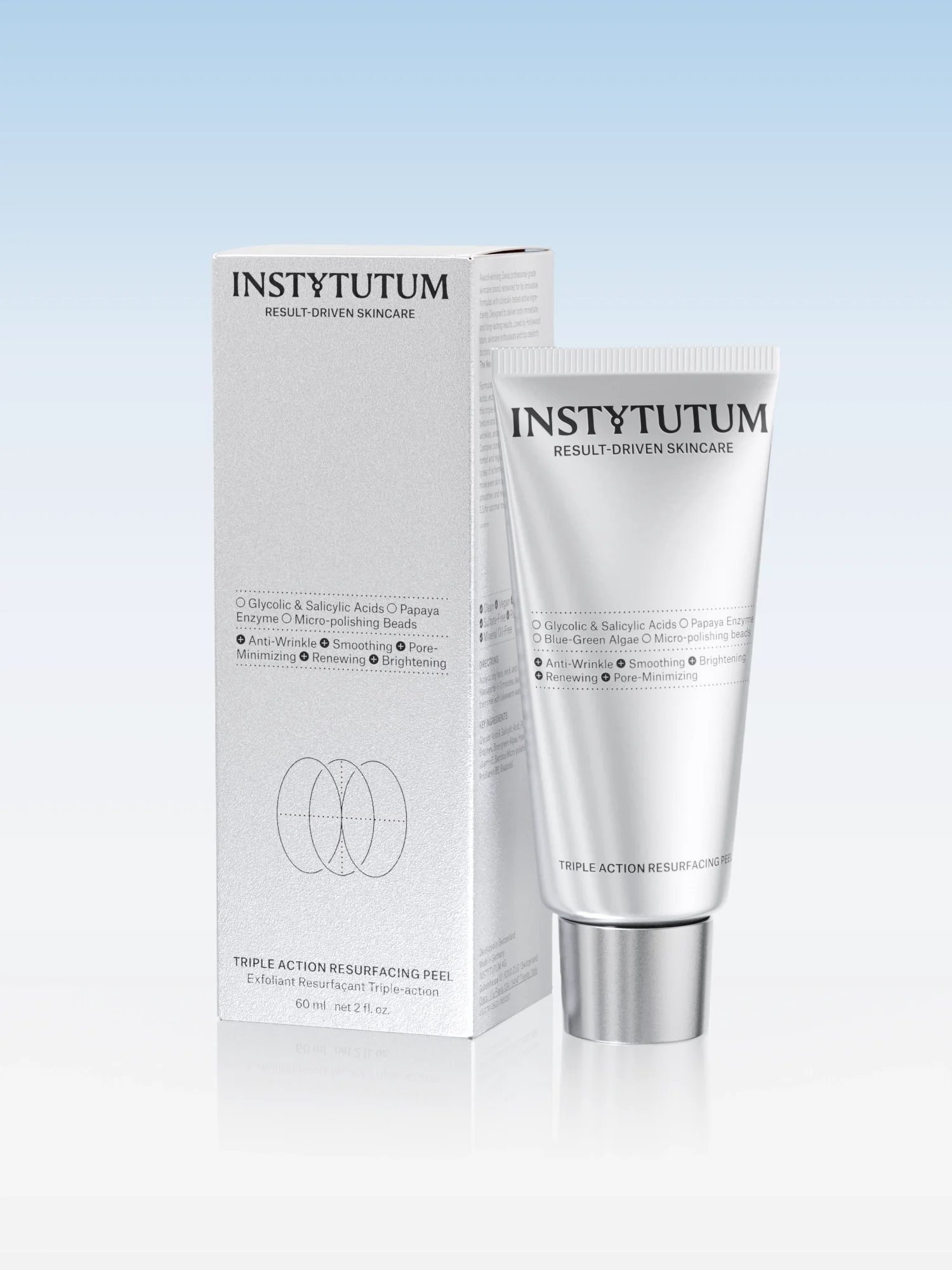
INSTYTUTUM Triple Action Peel Review And Guide

Peak-performance exfoliation is one of the quickest ways to improve how skin looks and feels, but it is also one of the easiest categories to overdo. Many at-home peels lean too mild to make a meaningful difference, or too aggressive to keep your barrier comfortable—especially if you are already using vitamin C, retinoids, or other acids.


In this article, we will explore what the instytutum triple action resurfacing peel is designed to do, how its triple-exfoliation concept works, who it suits best, how to use it safely, and what kind of results you can realistically expect. You will also find guidance on pairing it with other active ingredients so you can get the “freshly resurfaced” look without inviting irritation.

No. 1

What the Product Is and What It Promises

INSTYTUTUM Triple Action Resurfacing Peel Next-Gen is positioned as a triple-action facial peel that combines mechanical, chemical, and enzymatic exfoliation for “deep skin renewal without irritation.” The brand highlights three headline benefits—minimizing the look of pores, refining texture, and reducing pigmentation—while also describing visible transformation after the first use.

That “first-use” claim is plausible for the surface effects of exfoliation. When dead, compacted cells are removed efficiently, skin often looks brighter and feels smoother immediately, and makeup can sit more evenly. Longer-term improvements—such as gradual pigment softening and refined-looking pores—typically require consistent use and, critically, daily sunscreen.

The product also emphasizes INSIDE & OUT Technology, described as an active-synergy approach working on the skin’s surface, tissue level, and cellular renewal processes. While marketing language varies across brands, the practical meaning for the user is that the peel aims to deliver both instant cosmetic refinement and ongoing tone-and-texture improvement when used regularly.

No. 2

How Triple Exfoliation Works (and Why It Matters)

To understand whether this peel is a match for your skin, it helps to know what each exfoliation “lane” contributes. Triple exfoliation is not just a stronger peel; it is a layered strategy intended to deliver a more even result across different types of buildup.

Mechanical exfoliation focuses on immediate polishing. In this formula, that comes from 10% bamboo micro-polishing beads. This step is often responsible for the quick “silky” feeling after rinsing, because it physically buffs the surface layer where roughness is most noticeable.

Chemical exfoliation, by contrast, works by loosening the bonds that hold dead skin cells together and encouraging orderly shedding. The peel features a 10% glycolic and salicylic acid complex (AHA & BHA). Glycolic acid (AHA) is well known for improving dullness and uneven tone at the surface, while salicylic acid (BHA) is oil-soluble and is especially relevant for pores, congestion, and comedones.

Enzymatic exfoliation is generally the gentlest pathway and is often chosen by people who want refinement with less sting. Here, 1% papaya enzymes support the overall resurfacing effect by breaking down protein residues on the skin’s surface while helping preserve comfort.

The advantage of combining all three is not only intensity; it is coverage. Different types of buildup respond to different exfoliation methods, and multi-modal peeling can help the skin look more uniformly smooth rather than “patchy” in areas that are more congested or thicker.


No. 3

Ingredient Highlights: More Than Just Acids

A resurfacing product is only as good as its ability to deliver results while keeping the barrier functional. This formula includes ingredients intended to support firmness and recovery, which is important because irritation is one of the main reasons people abandon exfoliation routines.

The peel includes 3% blue-green algae, described as a natural retinoid-like ingredient that stimulates collagen production and supports firmness, elasticity, and even tone without irritation. “Retinoid-like” should be read as supportive rather than identical to retinol or prescription retinoids, but it signals an anti-aging intent beyond basic exfoliation.

For barrier support and comfort, it also features arginine and vitamin E (for repair support and antioxidant protection), plus an SOS-style recovery complex that includes pro-vitamin B5 (panthenol), hyaluronic acid, and bisabolol. These ingredients are commonly used to reduce the tight, stripped feeling that can follow stronger exfoliation and to calm visible redness.

One practical note: the ingredient list includes fragrance (parfum). If your skin is fragrance-reactive or you are managing rosacea-like sensitivity, this may be a relevant consideration, especially because exfoliation can temporarily increase how strongly skin perceives other ingredients.

No. 4

Who It Is Best For (and Who Should Proceed Carefully)

Based on the brand’s positioning and the ingredient profile, this peel is most aligned with people who want noticeable refinement without needing a professional appointment. It is presented as ideal for concerns such as enlarged pores, comedones, uneven texture, dullness, pigmentation, and post-acne marks, as well as early or visible signs of aging.

If you have normal, combination, or oily skin and you tolerate acids reasonably well, the AHA/BHA structure plus the rinse-off format can be an effective way to reset texture and clarity without committing to a daily leave-on exfoliant. If you are acne-prone in the T-zone but also want brightness and smoother makeup wear, the combination of glycolic and salicylic acids is directionally appropriate.

Where you should be more cautious is when your routine already includes multiple strong actives, or when your barrier is not in a stable place. Over-exfoliation is not always obvious at first; it can show up as sudden sensitivity to products you previously tolerated, persistent tightness, stinging when applying moisturizer, or increased redness.

The product page also notes that if you are pregnant or breastfeeding, you should consult your doctor before use. That is a sensible, conservative guideline, particularly because salicylic acid is often discussed in pregnancy skincare decisions.

No. 5

How to Use It for Results Without Irritation

INSTYTUTUM provides two usage pathways: a standard method and a sensitive-skin method. The existence of a sensitive option is useful because it allows users to benefit from chemical and enzymatic exfoliation while dialing back the mechanical component if needed.

For standard use, the peel is applied evenly to dry skin on the face, neck, and decollete (avoiding the eye area), gently massaged in circular motions for 1–3 minutes, left on for an additional 5–8 minutes, and then rinsed thoroughly with lukewarm water. The brand recommends using it twice per week and following with serum and/or cream, plus sunscreen in the morning.

For sensitive skin, the peel can be used as a mask without massaging and left on for 3–5 minutes before rinsing. This modification can make a significant difference, because physical friction is often what pushes an otherwise tolerable peel into irritation territory.

If you are unsure which method to choose, starting with the sensitive-skin approach is typically the more professional, risk-managed decision. You can gradually increase contact time or add a brief, gentle massage once you have confirmed your skin’s response.

No. 6

What to Expect: First Use vs. Ongoing Improvement

A multi-action peel can deliver immediate, visible refinements, but it is helpful to separate “right now” results from cumulative change.

After the first use, many people experience a smoother feel, increased radiance, and a more even-looking surface. The mechanical polishing beads contribute strongly to that immediate softness, while the acids and enzymes help remove dulling buildup that can make skin look uneven or tired. Mild, temporary redness is possible, particularly if you massage aggressively, leave it on longer than your skin can tolerate, or use it when your barrier is already compromised.

Over several weeks of consistent use, the more meaningful outcomes tend to appear. These include more stable smoothness, fewer visible clogged pores, gradual brightening, and improved appearance of post-acne marks as turnover becomes more regulated. Pigmentation concerns, in particular, are rarely “one-peel fixes”; progress is typically incremental and hinges on daily SPF use.


No. 7

How It Compares to Other At-Home Peels

The at-home peel market generally splits into a few categories: scrub-style mechanical exfoliants, acid-only rinse-off peels, leave-on acid toners and serums, and enzyme masks. This product is unusual because it intentionally combines three exfoliation mechanisms in a single step and then supports that activity with a comfort-focused ingredient base.

If you like a single “reset” product that can replace multiple exfoliation steps, this peel’s design is appealing. It is also structured enough that you can tailor intensity by altering the massage step and contact time. On the other hand, if you strongly dislike physical exfoliation in principle, you may prefer a purely chemical or enzymatic option.

The rinse-off nature can be a positive for people who want control and predictability. You are not sleeping in the acids, and you can adjust contact time to match your skin’s tolerance, which often makes it easier to use consistently.

No. 8

Routine Compatibility, Safety Notes, and Best Practices

The product page includes unusually detailed safety guidance, including notes about irritation potential with acids and retinoids, gradual introduction of actives, and the reality of purging when starting certain ingredients. The most important user-level implication is that you should treat this peel as a primary exfoliation event on the days you use it, not as one more step in an already aggressive routine.

In practice, that means being conservative with what you pair it with in the same evening. The brand specifically notes that sensitive skin should not combine it with acids or retinol in the same routine. Even if your skin is not sensitive, that is still a smart guideline, because stacking resurfacing actions is the fastest way to unintentionally trigger inflammation and barrier disruption.

It also means that sunscreen is not optional. Any exfoliation that improves brightness by removing surface buildup also increases sun sensitivity, and pigment concerns will not improve sustainably unless SPF is consistent.

No. 9

Value, Size, and Who It Makes Sense For

The peel is sold as a 60 ml product and is listed at $99, placing it firmly in the premium at-home treatment category. Whether it is “worth it” depends less on the price tag and more on whether you will use it consistently and whether it can replace other exfoliation products in your routine.

If you already own multiple exfoliating products that you rotate unpredictably, a structured, twice-weekly peel can actually simplify your regimen and reduce the likelihood of overdoing actives. If you use it as intended and keep the rest of your routine supportive, it may function like a reliable maintenance treatment that helps your skin look more polished week after week.

Conversely, if your skin is extremely reactive, if fragrance is a known trigger for you, or if you are already using prescription-level actives and achieving steady results, you may not need a triple-action peel. In those cases, a simpler approach may be safer and just as effective.

No. 10

Editorial Verdict: A Results-Forward Peel With Built-In Flexibility

As a category, multi-action peels are only successful when they manage the tradeoff between performance and tolerance. INSTYTUTUM Triple Action Resurfacing Peel Next-Gen is built around a clear concept—triple exfoliation supported by barrier-friendly and soothing ingredients—and it offers enough flexibility in use that many people can adjust intensity without abandoning the product.

The best candidates are those seeking visible texture refinement, clearer-looking pores, and gradual tone improvement, especially if they prefer a single, scheduled exfoliation step rather than daily acids. The most important success factor is restraint: use it on dry skin, massage lightly if you choose the standard method, do not stack it with other strong actives that night, and wear high-SPF sunscreen consistently.

How To Use:

  1. Start with the sensitive-skin method if you are new to acids or prone to irritation.

  2. Keep pressure light during massage and treat contact time as adjustable, not a challenge.

  3. Avoid combining it with retinoids or other acids in the same evening routine.

  4. Follow with hydration and barrier support, then apply SPF the next morning without exception.

Takeaways

INSTYTUTUM Triple Action Resurfacing Peel Next-Gen combines mechanical polishing, an AHA/BHA complex, and papaya enzymes to target texture, dullness, and the look of congestion in a single rinse-off step. The added comfort ingredients, including panthenol, hyaluronic acid, and bisabolol, help position it as performance-focused but not needlessly harsh.

Used correctly, the most noticeable short-term benefits are smoother and brighter-looking skin, while longer-term benefits tend to include more even tone and refined-looking pores. The key is to treat it as your primary exfoliation step on the nights you use it and to keep the rest of that routine calm and supportive.

If you want a premium, structured at-home peel that you can tailor for sensitivity, it is a strong option to consider. If you are highly fragrance-sensitive or already using intensive actives successfully, a simpler exfoliation approach may be a better fit.


Looking for Wellness resources?

Are you looking to enhance your wellness routine? Explore our wellness partners who offer a wide range of resources to support your journey toward holistic living and well-being.


How To Style Opalite Jewelry For Everyday And Special Occasions

There's something about opalite that makes it genuinely hard to put down once you've tried it on. That soft, glowing iridescence. The way it shifts between pale blue and warm peach depending on the light.


It looks like it belongs somewhere beautiful, and the best part? It fits almost anywhere.

Whether you're dressing for a quiet Tuesday or a special evening out, in this article, we share how to style opalite jewelry in a way that always feels intentional and effortlessly put-together.

No. 1

Everyday Styling: Effortless, Low-Key, and Always Polished

For daily wear, the goal with opalite is simplicity. One well-chosen piece does more than a layered stack ever will.

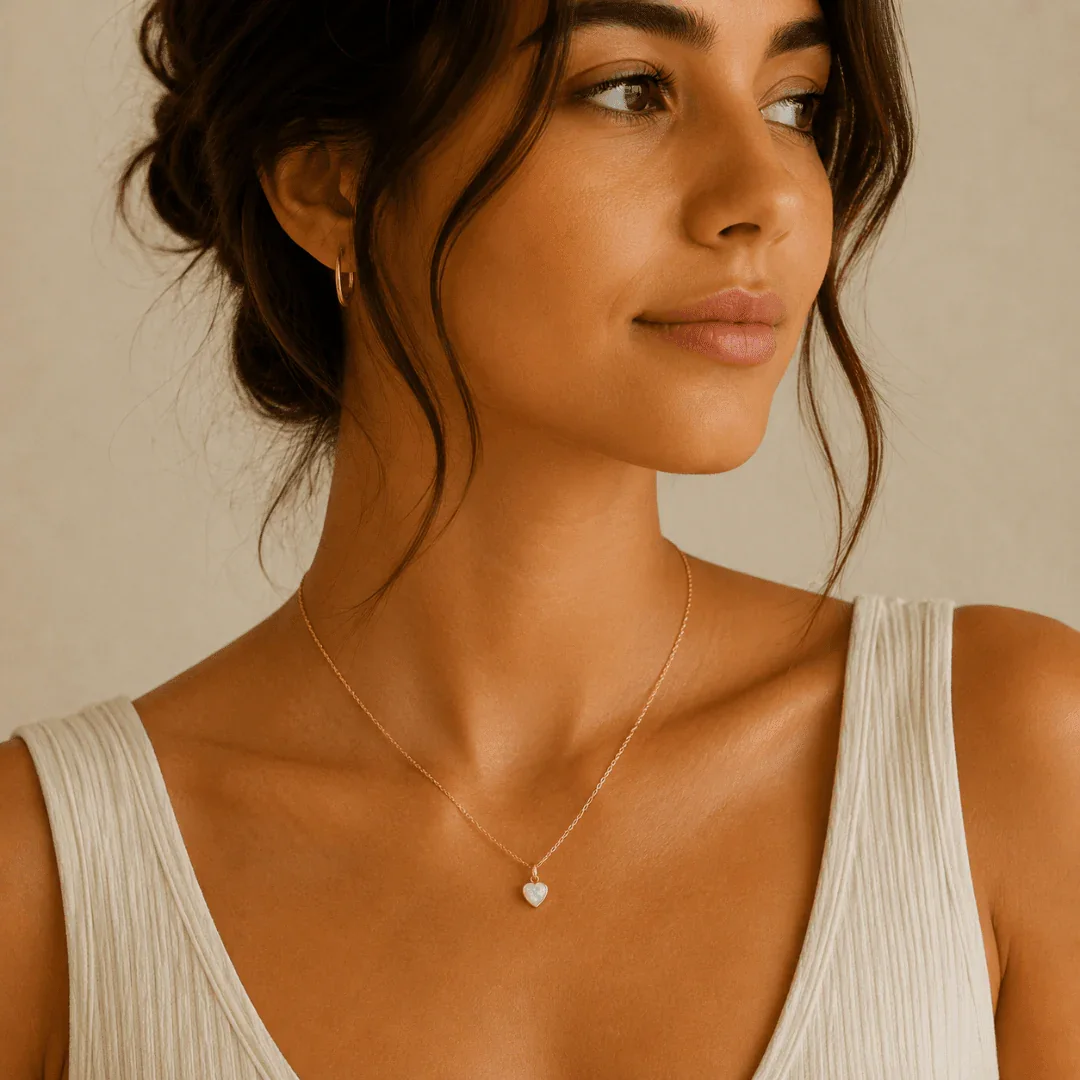
A pendant necklace with anything neutral- An opalite pendant sits beautifully against a white tee, a linen shirt, or a simple crew neck. The stone's soft glow adds just enough visual interest to make a plain outfit feel considered, without demanding attention. Keep the chain delicate. A thin gold or silver chain lets the stone do the work.

A single ring for clean, minimal style- An opalite ring, particularly a simple oval or round setting, works beautifully as a daily wear piece. It's understated enough that it doesn't clash with other jewelry, but distinctive enough that people notice it. Wear it alone on one hand for that intentional minimalist effect that's everywhere in fashion right now.

Small stud earrings for an everyday polish- Opalite studs are one of the easiest ways to incorporate the stone daily. They add a soft, luminous quality to your face without any fuss. They work with a ponytail, with a loose bun, and with a full blowout; they're genuinely versatile.

No. 2

Office and Smart-Casual Styling

Opalite's muted, sophisticated palette makes it a natural fit for professional environments where you want to look polished without being overdressed.

  • With a blazer: A simple opalite pendant or a pair of small drop earrings adds personality to a structured outfit without undermining its seriousness.

  • With tailored trousers and a silk blouse: Opalite earrings in a teardrop or oval shape elevate this combination beautifully — the stone's softness contrasts nicely with the crispness of tailored clothing.

  • With monochrome looks: Opalite is particularly striking against all-black, all-white, or any single-color outfit. It provides just enough contrast to complete the look.

The key to office styling is restraint; one piece, worn with confidence, is always more impressive than three pieces worn for impact.


No. 4

Special Occasions: When Opalite Becomes the Statement

Opalite doesn't need a formal occasion to shine, but it genuinely rises to one. The stone's natural iridescence catches light in a way that looks deliberately luxurious in an evening setting.

1. For a formal event or dinner

A longer opalite pendant, a statement cocktail ring, or chandelier-style drop earrings are all strong choices. The stone's glow reads as genuinely elegant in candlelit or warm-lit settings; think of it as a natural light catcher. Pair it with a deep jewel-tone dress in navy, emerald, or burgundy, and opalite's blue-white iridescence becomes especially striking.

2. For a wedding guest look

Opalite is an exceptional choice for wedding guest jewelry. It's formal enough to feel appropriate, soft enough not to compete with the wedding party, and versatile enough to work across a wide range of dress styles and colors. A matching set, pendant and earrings, or ring and bracelet, creates a coordinated look that feels intentional without being overdone.

3. For a romantic evening

Opalite carries a soft, almost mystical quality that makes it feel perfectly suited to intimate occasions. A delicate bracelet paired with simple earrings is all you need. Let the stone's natural luminosity do the talking.

No. 5

Where to Find Quality Opalite Pieces Worth Wearing

The quality of opalite jewelry varies significantly. The setting, the craftsmanship, and the clarity of the stone all affect how the piece looks and wears over time.

For those interested in soft, luminous accessories that pair easily with modern styling, you can shop opalite jewelry in a variety of subtle and versatile designs. Le Serey is known for minimalist gemstone pieces created with a clean, everyday aesthetic in mind.


No. 6

Caring for Your Opalite Jewelry

Opalite is durable but benefits from a little routine care:

  • Store pieces individually in a soft pouch or lined jewelry box to prevent scratching

  • Remove before swimming, showering, or applying lotions and perfumes

  • Clean gently with a soft, damp cloth, no harsh chemicals

  • Avoid prolonged exposure to direct sunlight, which can affect the stone's luster over time

The Gemological Institute of America (GIA) jewelry care guide also recommends gentle cleaning methods for softer and more delicate gemstone jewelry. Simple habits significantly extend the life of your pieces.

Takeaways

Opalite is rare in the jewelry world because it genuinely transitions between casual and formal without missing a beat. It's soft enough for daily wear and luminous enough for special occasions. It suits minimalist aesthetics and elevated ones equally well.

The styling secret, if there is one, is this: wear it with intention. One piece, chosen well, will always outperform a collection of pieces worn without thought. Once opalite is in your jewelry rotation, you'll wonder how your wardrobe got along without it.


Looking for resources?

At Hello Lovely Living, we aim to empower you to earn and save money and time while benefiting from our expansive network of home, life, wellness, travel, work-from-home, career, and business resources and opportunities. Discover a wealth of tools to support your journey.


styleThe List Editor


Why Athleisure Is Perfect For Everyday Living

Athleisure has evolved from a passing fashion moment into a practical standard for daily wear. Its appeal goes far beyond style; it is rooted in function, comfort, and adaptability across the many settings people move through in a typical day. When you are transitioning from commuting to meetings, errands, social plans, and downtime, clothing that supports those shifts without requiring outfit changes becomes a genuine efficiency upgrade.


In this article, we will explore why athleisure is ideal for everyday living, from its comfort-forward construction and mobility benefits to its versatility, durability, and role in simplifying daily decision-making. You will also see how the right pieces can support an active routine while still looking polished enough for modern, multi-purpose lifestyles.

No. 1

Built for Movement and Comfort

Traditional clothing can look sharp, but it often comes with trade-offs: restrictive waistbands, stiff seams, limited breathability, and fabrics that wrinkle or bunch as the day goes on. Athleisure is designed to remove that friction so you can move naturally without constant adjustments.

What makes athleisure feel better throughout the day

The comfort advantage is not just about softness; it is engineering. Many athleisure pieces are built with stretch, recovery, and breathability in mind, which makes them easier to wear across long, varied days.

Key comfort features commonly found in athleisure:

  • Four-way stretch that moves with your body rather than against it

  • Breathable knits that reduce overheating in warm indoor environments

  • Moisture-wicking fibers that manage sweat during commutes or quick activity

  • Flat seams and tag-free designs that reduce irritation

  • Waistbands designed for sitting, bending, and walking without digging in

Why comfort improves more than just how you feel

Comfort has a practical payoff. When clothing fits well and stays comfortable, it reduces distraction and helps you stay focused on your day instead of your outfit.

Athleisure supports everyday comfort during:

  • Long periods of sitting, such as driving, flying, or desk work

  • Walking-heavy days that include commuting and errands

  • Light activity, like taking the stairs or fitting in a short workout

  • Temperature changes between outdoors, transit, and indoor spaces

No. 2

Works Across Multiple Settings

One of the strongest arguments for athleisure is versatility. It can be casual, polished, sporty, or minimalist, depending on how you style it, and the same base outfit can carry you through multiple environments with minor adjustments.

Why versatility matters in modern schedules

Many people do not have a day with one clear setting. A normal routine might include work tasks, a quick grocery run, school pickup, coffee with a friend, and a walk in the evening. Clothing that adapts across these situations reduces both time and stress.

Athleisure makes that easier because:

  • Fabrics resist wrinkles better than many traditional materials

  • Neutral colorways mix and match with minimal effort

  • Clean lines and modern cuts can look structured, not sloppy

  • Layering works well for shifting temperatures

A practical formula for an all-day athleisure outfit

If you want athleisure to look intentional rather than accidental, build outfits around pieces that hold shape and create a clean silhouette.

A functional daily outfit often includes:

  • Lightweight tops that can layer easily

  • Flexible bottoms that maintain shape and structure

  • Footwear that supports extended walking

Small upgrades that add polish without sacrificing comfort:

  • A fitted jacket or overshirt to sharpen the profile

  • A streamlined sneaker in a solid color

  • A well-proportioned bag that suits your daily carry needs

  • Minimal accessories that do not compete with the outfit’s simplicity


No. 3

Supports Active Lifestyles Without Outfit Changes

Modern routines often include activity, even if it is not a formal workout. Walking more, taking transit, climbing stairs, or fitting in a short session between commitments all become easier when your clothing is already built for movement.

How athleisure removes barriers to activity

A common reason people skip movement during the day is simple friction: they do not have the right clothes on. Athleisure reduces that barrier because it is already designed for flexibility and performance, even if you are only being moderately active.

Daily activities, athleisure supports well:

  • A lunchtime walk or short bike ride

  • Stretching, mobility work, or a quick home workout

  • Walking-heavy commuting and travel days

  • On-the-go tasks that require bending, lifting, or carrying

When you need more sport-specific performance

Some people need gear built for training intensity, team needs, or repeated wear under physical strain. For those situations, options like quality track uniforms provide durability and performance while maintaining the same flexibility and comfort principles. The key advantage is that the performance DNA remains consistent with everyday athleisure, so your wardrobe still feels cohesive.

No. 4

Simplifies Daily Decision Making

What you wear affects how quickly you can start your day. When you have too many options that do not work together, getting dressed becomes a daily negotiation. Athleisure supports a simpler approach because pieces are often designed to be interchangeable.

How athleisure creates an easy mix-and-match system

The category naturally leans toward coordinated palettes and consistent fits, which makes it easier to build outfits that look cohesive without planning.

Athleisure supports faster decisions through:

  • Neutral colors that pair easily

  • Minimal patterns that reduce matching complexity

  • Consistent cuts across brands or collections

  • Layer-friendly pieces that work in multiple combinations

A quick “capsule” approach using athleisure pieces

You do not need a huge wardrobe to have variety. You need fewer items that work harder.

A simple athleisure capsule might include:

  • 2 to 3 tops in neutral tones

  • 1 to 2 layering pieces (zip-up, lightweight jacket, hoodie)

  • 2 bottoms with different silhouettes (jogger and leggings, or jogger and tapered pants)

  • 1 pair of daily sneakers that match most outfits

This approach reduces the time spent choosing clothes and lowers the chance of wearing something that does not match your day’s demands.


No. 5

Reduces Wardrobe Complexity and Clutter

A large closet does not automatically create better outfits. In many cases, it creates more visual noise, more laundry sorting, and more items that rarely get worn. Athleisure encourages a more focused wardrobe where each piece has multiple uses.

Why fewer, better pieces often win

When items can shift between errands, casual work environments, and downtime, you stop needing separate categories of clothing for every scenario. That reduces clutter and makes organization easier.

A streamlined wardrobe often includes:

  • Core tops that can be worn alone or layered

  • Bottoms that work in both casual and semi-structured settings

  • Outerwear that adjusts to different conditions

How to spot athleisure pieces that truly earn their place

Not all athleisure is equally versatile. Some items are too gym-specific, while others are basically loungewear. Look for pieces that hold their shape and maintain a clean look.

Practical criteria:

  • Fabric that feels substantial, not flimsy

  • Fit that skims the body rather than clinging or sagging

  • Pockets and seams placed for function and comfort

  • Colors that do not show wear quickly

No. 6

Maintains Durability Over Time

Athleisure garments are generally designed to handle repeated use. Because the category is rooted in performance and movement, construction often prioritizes stretch recovery, seam strength, and fabric resilience.

What durability looks like in everyday terms

Durability is not only about surviving workouts. It is about clothing that can handle real life: frequent washing, sitting, walking, travel days, and daily movement.

Signs of long-term performance:

  • Waistbands that do not roll or lose elasticity quickly

  • Fabric that resists pilling in high-friction areas

  • Colors that stay consistent after many washes

  • Seams that remain flat and intact over time

Why durability supports better value

When pieces last longer and keep their shape, you replace them less often. That creates a wardrobe that feels reliable, especially when you need clothing that performs consistently without extra care or special handling.

No. 7

Balances Function and Personal Style

Athleisure is not limited to performance. It also leaves room for personal expression, which is part of why it has become so widely adopted. You can build a consistent look while still prioritizing comfort.

How to personalize athleisure without losing versatility

Style in athleisure often comes from fit, color, and small details rather than heavy trends. That makes it easier to maintain a signature look without constantly buying new items.

Ways to express personal style:

  • Stick to a consistent palette that suits your aesthetic

  • Use one statement layer (jacket, overshirt, or coat) over simple basics

  • Choose one silhouette as your “uniform,” then rotate colors

  • Add subtle branding or custom details for identity

Customization plays a role here. Items like custom t-shirts let individuals maintain a consistent style while still using functional clothing. That balance between identity and practicality is a major reason athleisure works for such a wide range of preferences.

No. 8

Aligns With Daily Efficiency

Athleisure works because it matches how people actually live. It reduces unnecessary steps, supports movement, and minimizes outfit changes, all while maintaining a put-together appearance when chosen and styled intentionally.

Why athleisure keeps growing as a daily default

Athleisure is not just about comfort; it is about efficiency. When you can dress once and stay comfortable across multiple settings, your clothing becomes a tool that supports your routine instead of an obstacle.

Athleisure supports everyday efficiency by:

  • Reducing time spent changing outfits

  • Lowering the mental load of planning clothing

  • Keeping you comfortable in varied conditions

  • Supporting spontaneous movement and activity

Takeaways

Athleisure is ideal for everyday living because it is built for comfort, movement, and real-world transitions. With breathable fabrics, stretch construction, and functional design, it reduces distraction and supports long days.

Its versatility helps you move across multiple settings with fewer outfit changes and less planning. A streamlined athleisure wardrobe also reduces clutter and decision fatigue while still giving you room for personal style.

Over time, athleisure can offer strong value through durability and consistent performance. When you choose pieces that hold shape and fit your lifestyle, the result is a simpler, more efficient way to get dressed every day.


Looking for resources?

At Hello Lovely Living, we aim to empower you to earn and save money and time while benefiting from our expansive network of home, life, wellness, travel, work-from-home, career, and business resources and opportunities. Discover a wealth of tools to support your journey.


styleThe List Editor


7 Best Gentle Cleansers For Color Treated Hair To Keep Your Dye Job Fresh

A Melbourne salon tracked color fade last year across 120 regular clients, and the outcome was predictable: clients using a proper salon-grade wash kept their tone 42% longer than those buying whatever happened to be on special at Woolies. In practical terms, that is money wasted—because when toner drops out early, brunettes turn brassy, and blondes go dull, the client ends up paying sooner for corrections and refreshes.


Australia is not gentle on colored hair. UV exposure bleaches pigment. Tap water is often hard. Salt water and surf roughen the cuticle. Heat tools and friction add even more stress. Colored hair needs a buffer—products and routines that cleanse the scalp properly without forcing the cuticle open, because an open cuticle releases color molecules quickly.

In this article, the salon perspective is laid out clearly: what causes fade in real-world conditions, what ingredients matter (and what is just marketing), which salon-grade shampoos consistently protect color, and which natural hair coloring alternatives suit clients who want lower-commitment, lower-damage options. The aim is simple: help hair color last longer, look better, and cost less over time.

No. 1

Why Color Fades Faster in Australia (and Why Shampoo Choice Matters)

Color fades when the cuticle is raised and pigment molecules escape.

In Australian conditions, cuticles are more likely to lift due to:

  • Harsh surfactants that over-cleanse and swell the hair fibre

  • Hot water and frequent washing

  • UV exposure that oxidises pigment (especially reds and coppers)

  • Hard water minerals that create build-up and distort tone

  • Salt water and chlorine that dehydrate hair and increase porosity

  • Heat styling that drives moisture out and weakens the hair surface

A common misconception is that “sulphate-free” automatically means color-safe. Many sulphate-free formulas still cleanse aggressively. The goal is effective scalp cleansing with cuticle respect—clean enough for scalp health, gentle enough for color longevity.

No. 2

What to Look for in a Color-Safe Shampoo (Without Falling for Hype)

A color-safe shampoo should perform in two ways: it should keep the scalp comfortable and clean, and it should help keep the cuticle compact so color doesn’t wash out.

Traits that tend to support color retention

  • Gentler cleansing systems that avoid over-stripping

  • pH support that helps keep the cuticle smoother

  • Strengthening or bond-supporting ingredients (especially after bleach)

  • Lightweight conditioning agents that reduce friction without build-up

  • Antioxidant support that helps in high-sun environments

Common red flags

  • Overly harsh “clarifying” cleansers are used too often

  • Heavy build-up over time without an occasional reset routine

  • Purple shampoos used excessively (often causing dryness or a dull cast)

Technique matters as well. Many salons recommend a double cleanse: the first removes surface oil, sunscreen, and product residue; the second properly cleanses the scalp. The lengths should not be scrubbed—let suds rinse through instead.


No. 3

Pureology Hydrate Sheer (A Color-Protection Benchmark)

Pureology built its reputation around protecting colored hair. Hydrate Sheer is often recommended for fine to normal hair types, particularly in Australia, where sweat, outdoor exposure, and frequent washing are common.

Why it tends to work well:

  • It lathers effectively without leaving hair feeling stripped

  • It provides hydration without weighing down finer hair

  • It supports tone longevity between appointments

The formula commonly appeals to clients who want clean roots, soft lengths, and better color hold without heaviness.

No. 4

Kevin Murphy Angel Wash (For Fine, Fragile, Colored Hair)

Kevin Murphy remains a popular choice in Australian salons, and Angel Wash is frequently used for fine hair that feels delicate after foils or lightening.

Key benefits reported by clients and stylists:

  • Effective cleansing without the “sulphate-free but not clean” issue

  • Softer, more flexible ends (less of the crunchy, stressed feel)

  • Consistent color maintenance, particularly for lighter tones

Finding a truly effective sulphate free shampoo can feel like a losing game. Many formulas are so gentle they barely cleanse the scalp, leaving behind build-up that leads to flaking and roots that fall flat.

This one strikes the balance properly. With oat protein and green tea extract, it lifts away dirt and excess oil without over-stripping for a gentle, scalp-clean result. The fragrance is polished—more like a high-end day spa in Byron Bay than a basic wash.

Most importantly, it helps keep color sealed in, and clients who wear pastel tones often consider this exact bottle non-negotiable.


No. 5

O&M Maintain the Mane (A Strong Everyday Option)

Original & Mineral is known for avoiding harsher ingredients. Maintain the Mane is commonly recommended for clients who wash frequently and need a gentle, reliable formula that won’t accelerate fade.

Why it fits daily washers:

  • Mild cleansing that helps keep the cuticle flatter

  • Softness and shine without a heavy residue

  • Balanced performance for brunettes, coppers, and dimensional blondes

A smoother cuticle generally means less pigment loss and better shine.

No. 6

Eleven Australia Keep My Color Caring Wash (Affordable and Effective)

Not every client wants—or can—spend luxury-level prices. Eleven Australia’s Keep My Color Caring Wash is often suggested as a cost-effective, salon-appropriate option.

What it typically delivers:

  • Brass control without an overly purple deposit

  • A lightweight feel that rinses clean

  • Strength support (and stronger hair usually holds color better)

It is frequently positioned as a sensible upgrade from supermarket shampoos when budgets are tight.

No. 7

Olaplex No. 4 Bond Maintenance (For Lightened, Compromised Hair)

Olaplex No. 4 is widely used for bleached and fragile hair types. The key appeal is that it supports the internal structure of the hair while cleansing—particularly valuable when porosity is high, and color slips out quickly.

Why salons recommend it for damaged color clients:

  • Highly concentrated, so less product is required

  • Helps reduce breakage and improves manageability

  • Supports color retention indirectly by improving hair condition and reducing porosity

For hair that is snapping, tangling, and fading fast, stronger hair is often the real solution—not simply more toning pigment.

No. 8

Kérastase Bain Chroma Respect (Luxury Feel with Real Color Results)

Kérastase’s Chroma Absolu line is designed for color care, and Bain Chroma Respect is often used for fine to medium hair that needs softness without heaviness.

Why it stands out:

  • Rich foam without the harsh feel some lathering shampoos cause

  • A smoother surface that enhances shine (making the color look fresher)

  • Noticeable improvement in “dusty” or dull color after several weeks

Many clients also value the sensory experience, but the functional benefit is the improved gloss and tone longevity.

No. 9

Evo Ritual Salvation Caring Wash (A Go-To for Over-Processed Hair)

Evo is well-regarded in Australia for performance without overpromising. Ritual Salvation is commonly used on heavily lightened hair and hair that is stressed by heat styling.

Typical results include:

  • Moisture replenishment without coating the scalp

  • Easier detangling (less breakage during washing)

  • Better color hold due to improved cuticle condition

It is often used in salon basins for high-lift blondes who need softness and strength at the same time.

No. 10

Natural Hair Coloring Alternatives (Lower Commitment, Often Less Damage)

Some clients want to reduce chemical processing, avoid frequent permanent dye, or choose gentler options for sensitive scalps and stressed hair. In those cases, natural or lower-commitment coloring approaches can be helpful—especially in a climate that already challenges color longevity.

Option A: Henna and plant-based dyes (with important cautions)

Henna (and blends such as henna + indigo) can produce glossy, rich tones, especially coppers and deeper browns.

Pros:

  • Strong longevity and shine

  • Often less stripping than oxidative dyes

  • Can soften the look of greys depending on formulation

Cons:

  • Difficult to remove or lighten later

  • Some products marketed as henna contain metallic salts, which can react badly with salon color or bleach

  • Results vary depending on porosity and previous color history

Salons typically advise clients to disclose henna use because it can affect what is safe and achievable later.

Option B: Semi-permanent color and gloss treatments

Semi-permanent dyes and glosses are popular for maintaining tone with less structural impact than permanent color.

They are often used to:

  • Refresh faded mid-lengths and ends

  • Add tonal richness between appointments

  • Boost shine and reduce dullness

They may not offer dramatic lifting or full grey coverage, but they are excellent for maintenance.

Option C: Botanical rinses for subtle tone shifts

These are mild and temporary, but some clients enjoy them as low-commitment enhancers:

  • Chamomile for gentle warmth on lighter hair

  • Coffee or black tea for soft depth on brunettes

  • Hibiscus for a faint rosy tint (usually short-lived)

These should be framed as tone enhancers rather than true “dye replacements.”

Option D: The most underrated “natural” strategy—protecting hair from fading

For clients avoiding frequent coloring, the simplest approach is often the most effective:

  • Gentle, color-safe cleansing

  • Lower heat usage

  • Rinsing hair after beach or pool exposure

  • Physical UV protection (hats) and protective routines

This supports long-term shine and tone with minimal processing.

No. 11

Best-Practice Washing Technique for Colored Hair

Even the best shampoo can be undermined by poor technique.

Many salons recommend:

  • Double cleansing: first for residue removal, second for scalp cleansing

  • Scalp-only scrubbing: fingertips, not nails

  • Minimal friction on lengths: let suds rinse through

  • Cooler water: hot water increases cuticle lift and fade

  • Gentle conditioning and detangling: friction and snapping accelerate dullness and loss of tone

In short: treat salon color like a premium fabric—clean it properly, but don’t rough it up.

Takeaways

Color fade is driven by cuticle disruption, and Australian conditions—sun exposure, hard water, surf, heat styling—make that disruption more likely.

In this article, the salon viewpoint showed why shampoo choice and wash technique heavily influence how long color stays vibrant, and which salon-grade washes are most consistently recommended: Pureology Hydrate Sheer, Kevin Murphy Angel Wash, O&M Maintain the Mane, Eleven Keep My Color, Olaplex No. 4, Kérastase Bain Chroma Respect, and Evo Ritual Salvation. It also outlined natural hair coloring alternatives, including plant-based dyes (with cautions), semi-permanent glosses, and subtle botanical rinses, plus the most effective “natural” approach of all—protecting hair from UV, salt, and harsh cleansing.

When the cuticle stays smoother, and the hair stays stronger, color lasts longer, looks glossier, and costs less to maintain.


Looking for Wellness resources?

Are you looking to enhance your wellness routine? Explore our wellness partners who offer a wide range of resources to support your journey toward holistic living and well-being.


wellnessThe List Editor


How You Can Plan The Ultimate Proposal

Has the time come for you to pop the question to your partner? If so, we’re so excited for you. But now comes the hard part: you need to plan the proposal. This should feel fun and meaningful—it shouldn’t cause a mental breakdown. Take your time, because there’s no rush. You want to get this right.


In this article, we’re going to walk through a few key things to consider so you can plan a proposal that feels personal, thoughtful, and unforgettable—without unnecessary stress. If you’d like to find out more, read on.

No. 1

Head Abroad

If you know your partner loves a holiday (or simply loves exploring new places), consider heading abroad for your proposal. You can choose a destination they already adore or somewhere they’ve never been but have always wanted to visit. Either way, it’s a powerful way to show how well you know them—and how much effort you’re willing to put into creating a moment that’s truly special.

Once you’ve decided where you’re going, do a little research to find the best proposal spot. Think: scenic viewpoints, quiet streets with charm, meaningful landmarks, or even a tucked-away beach at sunset. Add personal touches based on what your partner loves—music, a favorite drink, a private dinner reservation, or a photographer if that’s their style—and you’ll create a memory you’ll both talk about forever.

No. 2

Buy the Ring

Next up: the ring. You want to choose something they’ll genuinely love, so that when you ask the question and open the box, they’re completely floored—in the best way.

The easiest way to get this right is to gather information over time. Pay attention to the jewelry they already wear:

  • Do they prefer gold, silver, or rose gold?

  • Do they like minimalist pieces or bold, statement styles?

  • Are their accessories classic, modern, vintage-inspired, or unique?

If they’ve ever talked about rings, try to remember the details. And if you’re unsure, don’t be afraid to ask a trusted friend or family member for help—someone who can keep it discreet while giving you honest insight.

We personally recommend looking into options like the Ada Diamonds engagement ring collection, known for its beauty, grace, and elegance—making it a strong choice for many styles and preferences. If your partner loves something a little more bold and distinctive, look at collections that showcase unique settings, larger silhouettes, or eye-catching design details.


hellolovelyliving shane co

Shane Co.

Design the engagement ring of your dreams with Shane Co. – Customize a ring that is uniquely yours.


No. 3

Discuss Future Plans

Last but certainly not least, make sure you’re discussing future plans. This includes what you both want your wedding to look like, your priorities for the day, and any traditions or details that really matter to either of you. These conversations are essential, because you may not realize what your partner strongly prefers—or what they absolutely do not want.

For example, you might imagine a buffet rather than a sit-down meal, but that may not be on the cards. If you can’t agree and compromise, you may not have a wedding at all. In some situations, it may be easier (and far more convenient) to hire a wedding planner to help you stay aligned, reduce stress, and make decisions without turning every conversation into a debate.

takeaways

We hope this helps you understand some of the key steps you can take to prepare the best proposal possible. When you choose a meaningful setting, pick a ring that suits their style, and have honest conversations about the future, you’re setting yourself up for a proposal that feels romantic, memorable, and truly incredible.

Above all, keep it personal. The best proposals aren’t always the most extravagant—they’re the ones that feel the most intentional.

Looking for resources?

At Hello Lovely Living, we aim to empower you to earn and save money and time while benefiting from our expansive network of home, life, wellness, travel, work-from-home, career, and business resources and opportunities. Discover a wealth of tools to support your journey.


lifestyleThe List Editor


Where Modern Luxury Meets Online Convenience

Luxury today is no longer limited to exclusive boutiques or invitation-only showrooms. Modern consumers expect sophistication paired with convenience, and whether they’re shopping for fine jewelry or premium accessories, the online experience plays a major role in building confidence and trust.


In this article, we’ll explore how curated collections, transparency, and a refined digital experience are reshaping the way people shop for luxury—and what to look for in an online destination that blends elegance with reliability.

The ability to explore curated collections from the comfort of home has transformed how people engage with high-end fashion brands. The key is finding platforms that combine reliability with elegance.

No. 1

Curated Collections That Inspire

Luxury shopping should always feel intentional—not overwhelming. Carefully curated selections allow buyers to focus on quality over quantity.

From refined timepieces to statement jewelry, a well-organized platform makes browsing both enjoyable and efficient. Exploring the official Lords of Luxury website offers access to carefully selected pieces designed to reflect sophistication and craftsmanship.

A streamlined layout and detailed product descriptions help shoppers make informed choices. Strong curation elevates the shopping experience to a new level.

No. 2

Transparency and Trust

When investing in premium items, buyers want clarity around craftsmanship and authenticity. A trustworthy website provides clear classification, responsive customer service, and a secure payment system.

Transparency builds long-term relationships. It helps customers feel confident that what they see online will match what they receive. In the world of luxury, trust is just as valuable as design.

No. 3

Convenience Meets Sophistication

Online luxury shopping merges accessibility with refinement. Detailed images, sizing guides, and product descriptions simplify decision-making. Customers can compare styles and options without feeling rushed.

Convenience doesn’t mean exclusivity is sacrificed. Instead, it enhances the overall experience by allowing buyers to explore collections at a pace that feels comfortable.

For busy professionals and style enthusiasts, this flexibility makes high-end shopping far more approachable.


hellolovelyliving quince

Quince

Upscale, gorgeous home and lifestyle staples to elevate everyday life that cost way less than they look. Purchase styles for 50 percent less than you might pay elsewhere.


No. 4

Elevating Everyday Living

Luxury accessories are more than decorative items—they enhance daily living. A refined watch, necklace, or ring can transform an outfit and boost confidence. Investing in premium pieces reflects an appreciation for personal expression and craftsmanship.

Online platforms that maintain high standards make the process feel seamless. By combining elegant presentation with dependable service, they bridge the gap between digital convenience and the traditional sense of luxury.

In today’s market, finding a trusted source for fine accessories matters. A well-designed and reputable website ensures style and quality remain at the forefront of the customer experience.

Luxury may evolve with technology, but its essence remains the same: attention to detail, craftsmanship, and thoughtful presentation. When these elements align, shopping becomes more than a transaction—it becomes part of a refined lifestyle.

Takeaways

The best online luxury experiences deliver more than convenience—they preserve the intentionality, confidence, and elevated feel that define premium shopping. When a platform offers curated collections, clear and trustworthy information, and a polished browsing experience, customers can shop at home without compromising on standards. Ultimately, luxury in the digital age isn’t about removing exclusivity—it’s about making craftsmanship, quality, and thoughtful presentation easier to access and appreciate.

Looking for resources?

At Hello Lovely Living, we aim to empower you to earn and save money and time while benefiting from our expansive network of home, life, wellness, travel, work-from-home, career, and business resources and opportunities. Discover a wealth of tools to support your journey.


lifestyleThe List Editor


Meditation Chair Guide: Benefits, Types And How To Choose

A  meditation chair is designed to support a comfortable, upright posture during meditation, mindfulness, and cross-legged sitting—without the strain that often comes from sitting directly on the floor. Unlike cushions or benches, an ergonomic meditation chair elevates the hips, supports the spine, and reduces pressure on the knees, hips, and lower back, making longer meditation sessions more accessible for beginners and experienced practitioners alike.


hellolovelyliving meditation chair


Whether you're exploring meditation for the first time or upgrading your home practice, understanding how a meditation chair works—and how it compares to a cushion, bench, or cross-legged chair—can help you choose the right seating for comfort, focus, and long-term well-being.

In this article, you’ll learn what a meditation chair is (and isn’t), how it compares to cushions and benches, the key physical and mental benefits, who it’s best for, and which features matter most when choosing the right option for your practice.

No. 1

What a Meditation Chair Is (and Isn't)

A meditation chair is a purpose-built seating option designed to support an upright, relaxed posture during meditation, mindfulness, and breathwork. Unlike traditional chairs, a meditation chair encourages a neutral spine, open hips, and grounded sitting—often in a cross-legged or kneeling position. Many ergonomic meditation chairs gently elevate the hips to reduce strain on the lower back and knees.

A meditation chair is not a recliner, office chair, or lounge seat. It is not designed for slouching or passive sitting. Instead, it supports alert stillness—helping the body remain comfortable while the mind stays focused and present.
No. 2

Meditation Chair vs Cushion vs Bench

Meditation cushions, benches, and chairs each serve different bodies and practice styles. A meditation cushion sits directly on the floor and relies heavily on flexibility in the hips, knees, and ankles. While cushions are simple and traditional, they can create pressure points or discomfort during longer sessions.

Meditation benches support a kneeling position, taking weight off the ankles but placing more load on the knees. An ergonomic meditation chair offers the most balanced support by elevating the body off the floor, reducing joint strain, and allowing for cross-legged sitting with proper spinal alignment. For many people,  meditation chairs provide the best blend of comfort, stability, and long-term usability.

No. 3

Physical & Mental Benefits of Using a Meditation Chair

Using a meditation chair can significantly improve physical comfort and mental focus during meditation. Proper elevation helps align the spine, reduces lower-back fatigue, and eases tension in the hips and knees. This physical support allows practitioners to sit longer without distraction or discomfort.

Mentally, increased comfort leads to deeper concentration and reduced restlessness. When the body is supported, the mind can settle more easily into meditation. Over time, a consistent seated posture supported by ergonomic meditation seating can help establish a more regular and sustainable mindfulness practice.


hellolovelyliving calm

Calm

Stress less. Sleep more. Live mindfully—discover Calm’s guided meditations, Sleep Stories®, and soothing soundscapes to help you feel better, anytime.


No. 4

Who Should Use a Meditation Chair

Meditation chairs are ideal for beginners who may find floor sitting uncomfortable or intimidating. They are also well-suited for people with tight hips, knee sensitivity, lower-back pain, or limited mobility. An ergonomic meditation chair makes meditation more accessible without sacrificing posture or intention.
Experienced meditators also benefit from meditation chairs for daily practice, especially for longer sessions. Anyone seeking a supportive, intentional alternative to cushions or benches can benefit from incorporating a meditation chair into their mindfulness routine.

No. 5

Key Features to Look For

When choosing a meditation chair, ergonomics should be the top priority. Look for a design that gently elevates the hips, supports natural spinal alignment, and encourages an open, grounded sitting position. Stability and balance are essential for maintaining stillness during meditation.

Material quality also matters. Solid wood, natural finishes, and durable construction provide long-term support and visual calm. A well-designed premium wood meditation chair should feel intentional, minimal, and supportive—enhancing both comfort and the overall meditation environment.

Takeaways: Choosing the Right Meditation Chair for Your Practice

A meditation chair can be a powerful tool for creating a more comfortable, focused, and sustainable meditation practice. By supporting proper posture, reducing physical strain, and encouraging upright stillness, the right meditation chair helps remove distractions that can pull attention away from the present moment. Whether you're new to meditation or refining a long-standing practice, choosing a chair that fits your body and sitting style can make a meaningful difference over time.

If you're ready to elevate your practice, explore a thoughtfully designed meditation chair that balances ergonomics, craftsmanship, and simplicity. A well-made meditation chair isn't just a piece of furniture—it's an invitation to slow down, sit with intention, and return to presence each day.

Looking for resources?

At Hello Lovely Living, we aim to empower you to earn and save money and time while benefiting from our expansive network of home, life, wellness, travel, work-from-home, career, and business resources and opportunities. Discover a wealth of tools to support your journey.


wellnessThe List Editor


Versatile Layers: Everyday Jackets For Every Season

As the seasons shift, so do the demands on our daily wear—and jackets often act as the versatile heroes of a well-built wardrobe. One of the most important criteria when choosing an everyday jacket is adaptability: the ability to handle changing conditions, from spring drizzles to crisp autumn breezes, without sacrificing comfort or style. The right piece doesn’t just protect you from the elements; it also helps you transition seamlessly through unpredictable weather.


In this article, you’ll explore how to choose an everyday jacket for each season—spring, summer, autumn, and winter—so you can stay comfortable, look polished, and make smart wardrobe choices all year round.

Jackets for every season come in an array of styles, materials, and features designed to meet specific climatic needs. Fashionably functional, these garments keep us shielded from the elements while still adhering to our personal aesthetic. Below, explore how to choose the right everyday jacket for each season and make a stylish statement all year round.

No. 1

Versatile Layers for Spring Showers and Blossoms

When spring rains intermittently interrupt sunny days, a water-resistant jacket becomes a wardrobe staple. Ideally, spring jackets should be lightweight and breathable, made from materials like nylon or treated cotton, to provide protection without overheating.
Options such as trench coats or hooded anoraks can offer an elegant solution to staying dry and stylish during unexpected downpours. The integration of features like detachable hoods and adjustable cuffs adds to their practicality, allowing for necessary adjustments as the weather fluctuates.
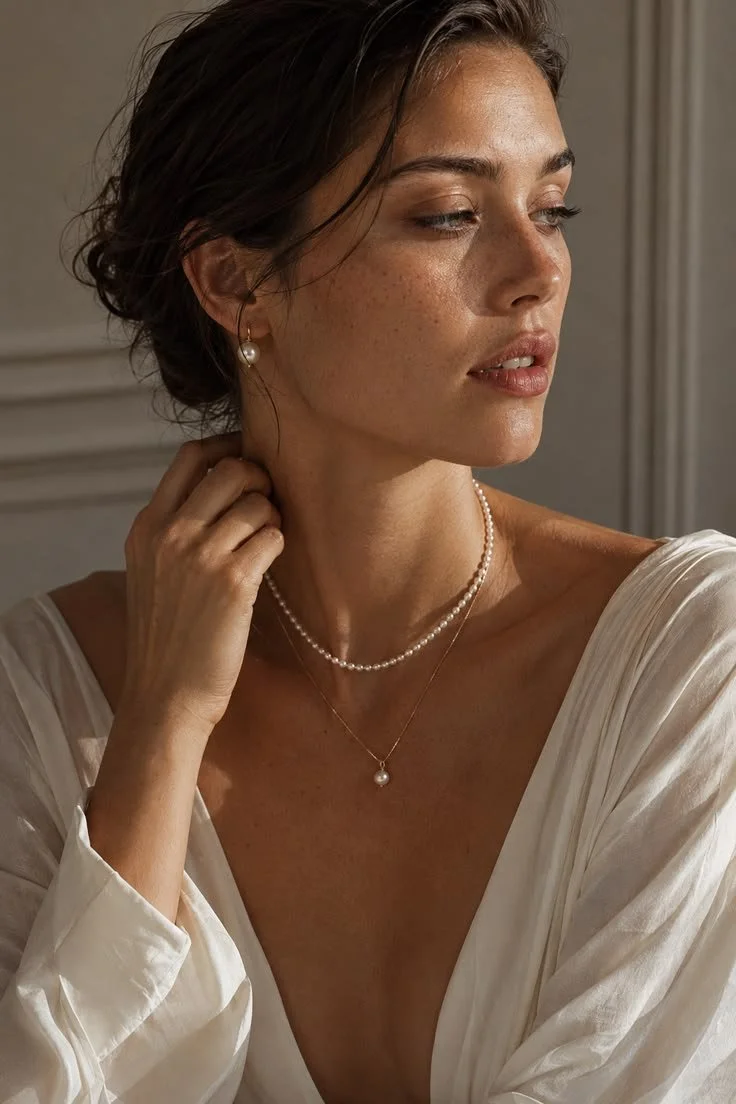
When selecting a spring jacket, search for pieces that combine function with fashion, such as the Everyday Jackets Collection, which offers versatility through various silhouettes. A zippered utility jacket, for instance, could serve both outdoor adventures and urban commutes with ease.

No. 2

Lightweight Jackets for Breezy Summer Evenings

During the summer, a light jacket serves as the perfect accessory for cooler evenings or overly air-conditioned spaces. Breathable fabrics such as linen or lightweight denim offer the ideal balance between comfort and coverage.

Bomber jackets, in summery materials and colors, may add a sporty yet chic layer over evening casual wear. For a more bohemian nature, a loose-fitting, draped kimono-style jacket can be practical while effortlessly enhancing a simple tank-top-and-shorts combo.

Consider investing in neutral colors or subtle prints that can be easily paired with the more vibrant summer wardrobe selections. A cropped jacket or a structured blazer lends sophistication to summer dresses, ensuring a jacket can accentuate rather than detract from your look.

No. 3

Autumn Attire: Transitional Jackets for Crisp Weather

As autumn ushers in cooler temperatures, jackets become the prominent attire in transitioning stylishly between seasons. Transitional jackets, like a classic leather jacket or denim “shacket” (a shirt-jacket hybrid), can be layered to increase warmth as needed.

Materials such as suede, corduroy, or wool blends provide coziness and texture suited to the fall vibe. These fabrics don’t just add visual interest—they also retain warmth effectively, making them ideal for layering over knits and flannels.

For those who want both utility and style, a quilted jacket with pockets is ideal for casual outings and can easily be layered over or under other pieces. This type of jacket typically balances warmth with weight, making it a practical choice for fluctuating autumn temperatures.


hellolovelyliving quince

Quince

Upscale, gorgeous home and lifestyle staples to elevate everyday life that cost way less than they look. Purchase styles for 50 percent less than you might pay elsewhere.


No. 4

Winter Warmth: Everyday Jackets to Brave the Cold

When winter temperatures drop, the need for a reliable, warm jacket becomes non-negotiable. Options filled with down or synthetic insulation are popular for their heat-retention capabilities while still maintaining a manageable weight.

Features like storm flaps, fleece-lined pockets, and ribbed cuffs make a meaningful difference in day-to-day comfort and warmth. For urban environments, a wool pea coat or insulated trench may offer sufficient protection with a touch of sophistication.

Finding the right winter jacket involves assessing your specific climate and lifestyle needs. A long parka, for instance, is a smart option for wet, windy conditions or frequent outdoor time. Ultimately, ensuring a snug (but not tight) fit allows for essential layering without sacrificing mobility or style.

Takeaways

Ultimately, finding the ideal everyday jacket for each season comes down to balancing warmth, style, and functionality. From the fresh blossoms of spring to the snowflakes of winter, the right jacket can complement your daily ensembles while providing the protection you need. No matter the forecast, there’s a jacket style that fits seamlessly into your wardrobe—helping you look put-together and feel comfortable year-round.

Looking for resources?

At Hello Lovely Living, we aim to empower you to earn and save money and time while benefiting from our expansive network of home, life, wellness, travel, work-from-home, career, and business resources and opportunities. Discover a wealth of tools to support your journey.


styleThe List Editor


How To Choose The Best Travel Bags For Women

You’ve finally booked that dream vacation or a quick weekend getaway. You’re excited—until it’s time to pack. You cram everything into an old tote or a bulky backpack that was never designed for travel. Within ten minutes of leaving the house, the strap is digging in, your phone has vanished to the bottom, and you feel more like a packhorse than a jetsetter.


It’s not just about discomfort, either. Picture standing in a crowded train station in a new city, feeling exposed because your bag won’t zip properly. Or the frustration of unpacking your entire life just to find a laptop charger. A bad bag doesn’t only hurt your back; it drains your energy and dulls your style.

Travel should feel like freedom and exploration, but the wrong gear can turn it into a workout you didn’t sign up for. If you’re ready to stop fighting with your luggage and start enjoying the journey, finding the right travel bags for women is the first step.

In this article, you’ll learn how to choose the best travel bag for your trip style, which bag types are worth considering, the features that actually matter, and how to pack in a way that keeps everything easy to find.

By choosing travel bags specifically engineered for women, you can reclaim your holiday. Imagine gliding through an airport terminal with a perfectly sized carry-on, or wandering a cobblestone village hands-free with a stylish crossbody. The right bag doesn’t just carry your essentials—it helps you feel organised, confident, and effortlessly put together.

But what makes a great travel bag for women?

No. 1

Choosing the Right Type of Bag for Your Journey

Every trip is different, and your luggage should match the way you travel. Here’s a breakdown of the essential styles every woman should consider.

Travel Backpacks

For those who like to move quickly (and keep their hands free), backpacks are the gold standard.

  • Features: Look for padded laptop sleeves and side pockets for water bottles.

  • Comfort: Adjustable straps ensure a secure fit, making it comfortable to wear all day.

A good travel backpack distributes weight evenly and prevents that “one-shoulder strain” you get from carrying a tote for hours.

The Elegant Tote Bags

A tote can be the perfect personal item for flights and train rides—especially if you like having everything within reach.

  • Design: Choose tote bags with a trolley sleeve so they slide over the telescopic handle of your rolling luggage.

  • Function: They provide quick access to accessories and toiletries during your journey.

The best totes balance structure (so they don’t collapse into a black hole) with enough flexibility to fit under a seat.

Duffel Bags and the Weekender

Heading away for a few nights? A weekender bag or duffel is your best friend. These duffel bags offer enough space for clothing and an extra pair of shoes. Many are made from soft yet durable materials, such as high-grade nylon or leather.

If you want something that feels relaxed but still polished, a weekender is a smart middle ground between a tote and a suitcase.


hellolovelyliving away travel

Away Travel

Ready, set, explore!

Travel smarter with Away – durable luggage designed for every adventure.


Rolling Luggage

For larger packing needs, wheels are essential. High-quality rolling luggage with smooth wheels makes navigating crowds far easier. These bags often feature multiple compartments to store larger items securely.

Rolling luggage is especially useful if you’re carrying heavier clothing, travelling in winter, or simply want to reduce strain on your back and shoulders.

Anti-Theft Crossbody Bag

This is your “everyday” bag for exploring. It’s compact enough to look stylish but built to discourage thieves. Zoomlite offers a dedicated range of these anti-theft bags to keep your belongings safe.
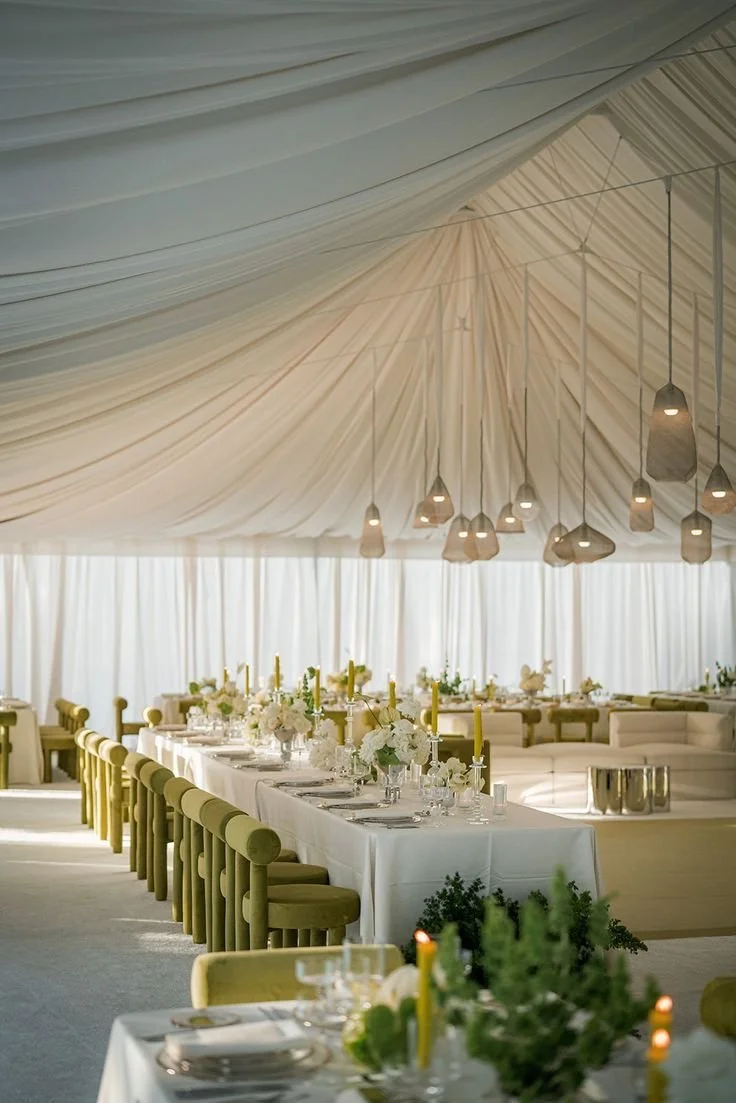
  • Security features: Slash-resistant straps, RFID-blocking pockets for credit cards, and locking zips.

  • Style factor: Choose a neutral colour like black, navy, or tan so it pairs with every outfit in your capsule wardrobe.

A great crossbody is often the most-used item on a trip—because it’s the one you’ll carry from morning coffee to evening strolls.

No. 2

Features That Matter

When shopping for a new overnight bag, don’t get distracted by fashion alone. Focus on the practical details that make travel bags for women truly functional:

  • Durable materials: Your bag should be crafted from a material that resists tears and water.

  • Easy accessibility: Look for exterior pockets for items you need quickly.

  • Security: Extra safety features, such as lockable zips, help protect your belongings in busy areas.

  • Style: Whether you prefer sleek black or a pop of green, choose a bag that fits your personal aesthetic.

No matter whether you’re after a Longchamp-inspired classic or a modern tech-ready bag, the right features make all the difference.

No. 3

The Art of the Organised Pack

To fit all your essentials into a small overnight carry-on, you need a simple system.

  • Use packing cubes to separate clothing from accessories.

  • Utilise side pockets for cables and chargers.

  • Keep everyday essentials in a top pocket that’s easy to access.

These habits turn travel bags into a mobile wardrobe, keeping you organised from the city to the coast.

FAQ

What is the best personal item for a flight?

A tote or a small backpack with a trolley sleeve is ideal. It should be sized to fit under the seat while still holding your everyday essentials.

How do I choose between duffel bags and rolling luggage?

Duffel bags are great for car trips or short overnight stays. Rolling luggage is better for longer walks through airports or when you’re carrying heavy clothing.

Why are multiple compartments important in travel bags for women?

They let you separate toiletries, tech, and accessories so everything stays easy to find and doesn’t disappear into the main compartment.

Takeaways

Choosing the right bag can feel overwhelming with so many options available, but the decision becomes easier when you match your bag to your trip style and prioritise the features that improve comfort, security, and organisation. The right travel bag won’t just hold your belongings—it will make moving through airports, train stations, and city streets smoother, safer, and far more enjoyable.

If you’re struggling to decide what suits your travel style, or you’re shopping for the perfect gift for a wanderlust-filled friend, help is close by. Finding a bag that balances Aussie practicality with modern style is easier when you know where to look. For a curated selection of travel gear designed to make life easier, check out Zoomlite. Whether you need a stocking stuffer like a tech organiser or a main event like a premium carry-on, they have what you need.

Looking for Travel resources?

Looking to embark on a transformative journey to discover new cultures, expand your horizons, and reconnect with yourself? Explore, learn, and awaken your wanderlust with our travel partners designed to support you on your next getaway.


travelThe List Editor


6 Types Of Specialist Tires (And When You Might Need Them)

Tires are much more than just round rubber attachments — they’re the essential contact point between your vehicle and the road. Much like how you wouldn’t wear beach sandals for a mountain hike, your car also performs best when equipped with the right set of “shoes” for the task ahead. While many drivers only consider replacing their tires when they've gone flat or show visible wear, choosing the correct specialist tires can greatly enhance performance, safety, and efficiency.


In this article, we’ll explore a range of specific tire types — from winter-ready sets to electrically optimized EV tires — and outline when they’re worth the investment. Whether you’re tackling off-road terrain, chasing lap times at a race track, or simply commuting while saving on fuel, upgrading your tires to suit your driving needs can make all the difference.

Let’s take a look at the key options available and when it makes sense to make the switch.

No. 1

EV Tires: Future-Focused Performance

Did you know electric vehicles (EVs) typically require a different set of tires compared to traditional petrol-powered cars? These vehicles may run more quietly and lean toward eco-efficiency, but with that comes a unique set of demands on their tires.

Key Features of EV Tires:

  • Reinforced sidewalls to support added weight (EVs are often heavier due to battery packs)

  • Low rolling resistance for enhanced battery range and performance

  • Special tread patterns to minimize road noise – a more noticeable sound in EVs that lack engine hum

If you own an electric vehicle, investing in dedicated EV tires maximizes your vehicle’s inherent benefits, helping you go farther on a single charge while ensuring comfort and safety.

No. 2

Off-Road Tires: Built for the Wild

For drivers who like to get off the beaten path, off-road tires provide the grip and durability required to tackle unpredictable terrain. Whether it’s sand, mud, or rocky trails, these tires are specifically engineered to keep your vehicle moving where standard tires would struggle.

Advantages of Off-Road Tires:

  • Deep, aggressive treads for enhanced traction

  • Thicker, more rugged rubber for puncture resistance

  • Reinforced sidewalls for navigating tough conditions

Ideal for 4x4s, SUVs, or trucks, these tires are a must-have for backroad adventuring. Just keep in mind — they tend to be noisier and less fuel-efficient on standard roads. If you're serious about off-roading, specialty shops like Central Alps Off Road Shop can help you choose and fit the right set.
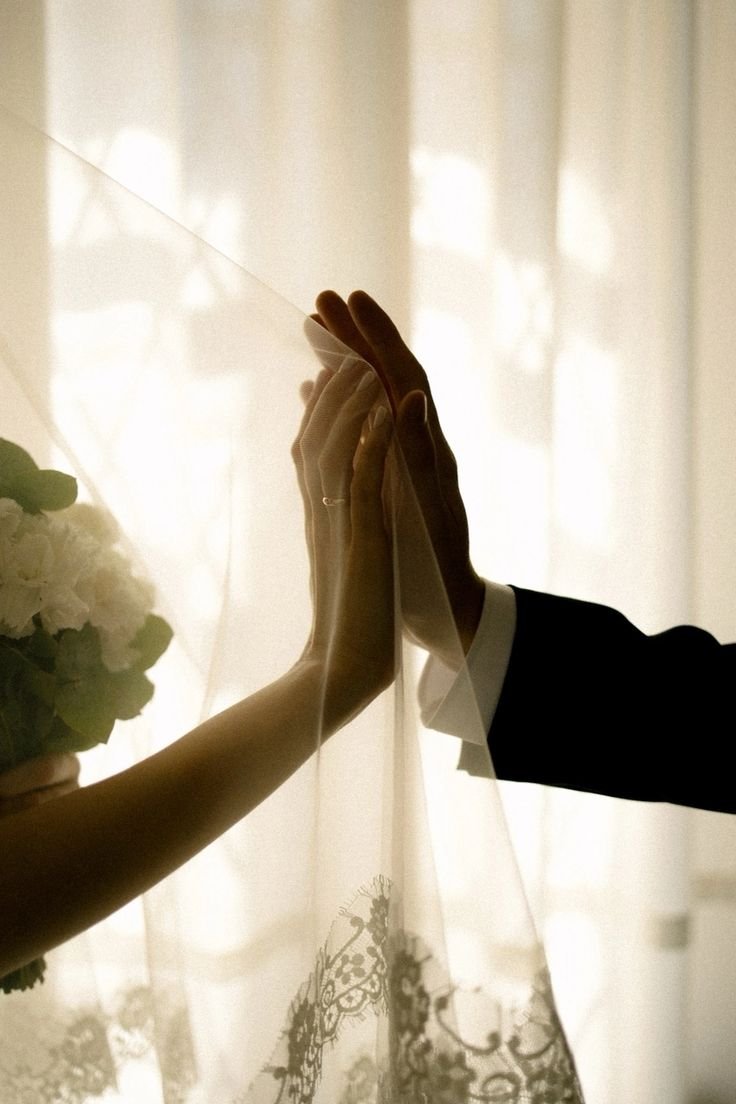

No. 3

Run-Flat Tires: Drive Now, Fix Later

Imagine getting a flat tire and continuing to drive without immediate panic — that’s the principle behind run-flat tires. Designed to withstand punctures and allow drivers to keep moving for a short period, they offer convenience and peace of mind.

Run-Flat Tire Highlights:

  • Drive up to 50 to 100 miles after a puncture

  • No immediate need to pull over and change your tire

  • Common in luxury or high-end vehicles to save space and weight

These tires are great for those who frequently travel long distances or isolated routes and want to avoid being stranded. Be aware that they are generally more expensive than regular tires and may ride a bit stiffer.


hellolovelyliving tesla accessories

Tesla Accessories

Wholesaler of Tesla accessories—providing quality products at great prices for an optimal driving experience.


No. 4

Winter Tires: Cold-Weather Champions

If you live in a region that sees snow, slush, or freezing temperatures, winter tires could be a game-changer. When temperatures drop, standard tires become rigid and lose traction — winter variants stay pliable and grippy on icy roads.

Perks of Winter Tires:

  • Soft compound rubber that remains flexible in freezing conditions

  • Sipes and tread patterns that enhance traction on snow and ice

  • Mandatory in some countries or regions during specific months

They’re a lifesaver for cold-climate drivers, but remember to swap them out once the temperatures rise. Warmer weather can wear the tread quickly, and soft rubber doesn’t perform well in summer heat.

No. 5

Performance Tires: Speed Meets Style

Own a sports car or just enjoy spirited driving? Performance tires are made with precision and speed in mind. These specialized tires boost handling and responsiveness — but they do come with a few trade-offs.

Features of Performance Tires:

  • Wide tread and low sidewalls for sharp cornering

  • Increased road feel and agility

  • Reduced longevity and less grip in wet conditions

Ideal for sunny-day driving or anyone who just enjoys the open road from behind a performance wheel, these tires add excitement to your rides. Just be aware — they’re more about thrill than all-weather durability.

No. 6

Track Tires: Unleashing Race-Ready Grip

If you're heading to the track, standard or even performance tires won't cut it. That’s where track tires, also known as racing slicks, come into play. Designed exclusively for track use, they offer unmatched grip and precision for high-speed cornering.

What Makes Track Tires Unique:

  • Made with ultra-soft compounds for maximum traction

  • Contain minimal to no tread to increase tire-road contact

  • Not street legal — they must be installed only at the track

Before a race day, transport your car or fit these tires once you arrive at the venue to stay road-legal. Curious to learn more? Check out this insightful Champ School video explaining how to choose and use track tires effectively.

Takeaways: Choosing the Right Tire Can Transform Your Drive

Your vehicle’s tires are the single most important factor influencing how it handles, brakes, and feels on the road (or off it). Understanding the options — whether you need rock-solid performance on rugged trails, enhanced efficiency for your electric commuter, or an extra edge at the racetrack — can dramatically improve both your safety and your driving satisfaction.

In this article, you’ve explored a range of tire options and when it makes sense to use them. While regular tires will serve most needs, specialist tires offer precise solutions for precise conditions. And just like you wouldn’t wear sandals in the snow or hiking boots to a formal event, your car deserves the right tires for the right situation.

So next time you’re due for a tire change, don’t just replace — upgrade thoughtfully based on your driving style, climate, and car type. It's a small decision that can make a big difference on the road.

Looking for resources?

At Hello Lovely Living, we aim to empower you to earn and save money and time while benefiting from our expansive network of home, life, wellness, travel, work-from-home, career, and business resources and opportunities. Discover a wealth of tools to support your journey.


lifestyleThe List Editor


Why Amethyst Engagement Rings Are the Perfect Choice For Non-Traditional Brides

For decades, the diamond engagement ring has been presented as the default symbol of love and commitment. It’s elegant, classic, and deeply ingrained in tradition. But modern love stories are no longer one-size-fits-all—and neither are engagement rings. More couples today are choosing rings that reflect personality, values, and individuality rather than tradition alone. This shift has brought alternative gemstones into the spotlight, and among them, amethyst engagement rings stand out as one of the most meaningful and visually striking choices.


For non-traditional brides—those who value authenticity over convention, creativity over conformity, and emotional meaning over marketing—amethyst offers something truly special. It’s bold yet elegant, symbolic yet practical, and luxurious without being predictable. In this article, we’ll explore why amethyst engagement rings are becoming the perfect symbol for modern, unconventional love.

No. 1

A Statement of Individuality, Not Expectation

Non-traditional brides often share one core value: they don’t want to follow a script written by someone else. Choosing an amethyst engagement ring is a clear declaration that love doesn’t need to look the same for everyone.

Amethyst’s rich purple hue instantly sets it apart. Unlike colorless stones that blend into familiarity, amethyst demands attention in a quiet, confident way. It’s not flashy for the sake of status—it’s expressive. Each shade, from pale lilac to deep royal violet, feels personal, artistic, and intentional.

For brides who see engagement rings as an extension of identity rather than a status symbol, amethyst delivers something diamonds rarely do: character.

No. 2

Symbolism That Goes Deeper Than Tradition

Diamonds symbolize eternity because they are hard—but emotional endurance is not measured by Mohs scales. Amethyst carries a symbolism that resonates deeply with modern relationships.

Historically, amethyst has been associated with:

  • Emotional balance

  • Inner strength and clarity

  • Protection from negativity

  • Wisdom and calm during change

For couples who value communication, mental health, emotional growth, and mutual respect, these meanings feel far more relevant than outdated narratives about rarity and perfection.

An amethyst engagement ring quietly says: this relationship is built on trust, awareness, and emotional depth. For non-traditional brides, that message matters.

No. 3

Ethical and Conscious by Nature

Many brides who reject tradition also question the ethics behind it. The diamond industry has long been associated with environmental damage, opaque supply chains, and ethical concerns. While ethical diamonds exist, they often come with high costs and limited transparency.

Amethyst, by contrast, is widely available, responsibly sourced in many regions, and typically involves less environmental disruption. It doesn’t rely on artificial scarcity or aggressive marketing narratives to justify its value.

For brides who prioritize sustainability, ethical consumption, and conscious luxury, amethyst aligns naturally with their values—without compromise.


hellolovelyliving shane co

Shane Co.

Discover timeless romance with Shane Co.'s vintage engagement rings—where classic elegance meets modern minimalism.


No. 4

Luxury Without the Inflated Price Tag

One of the most liberating aspects of choosing an amethyst engagement ring is freedom from unrealistic price expectations. Diamonds often carry an inflated cost driven by branding rather than inherent beauty. Amethyst offers visual impact and gemstone presence at a fraction of the price.

This doesn’t mean “cheap”—it means smart luxury.

Non-traditional brides often prefer to invest in:

  • Travel and experiences

  • A home together

  • Financial security

  • A wedding that reflects their style, not trends

Choosing amethyst allows couples to redirect money toward what truly matters while still enjoying a stunning, high-quality engagement ring.

No. 5

Color as Emotional Expression

Color plays a powerful role in how we experience emotion. Purple has long been associated with creativity, spirituality, independence, and confidence. It’s a color chosen by people who are comfortable standing apart.

For brides who don’t resonate with neutral palettes or traditional aesthetics, amethyst offers emotional expression in gemstone form. It pairs beautifully with:

  • Yellow gold for warmth and vintage romance

  • White gold or platinum for contrast and modern elegance

  • Rose gold for softness and individuality

Whether minimalist or ornate, amethyst adapts effortlessly to personal style.

No. 6

Perfect for Unique Ring Designs

Non-traditional brides often gravitate toward designs that tell a story. Amethyst shines in settings that feel artistic and intentional, including:

  • Vintage-inspired rings with filigree and milgrain

  • East-west settings for a modern twist

  • Minimalist solitaires with clean lines

  • Halo designs that enhance color depth

  • Nature-inspired settings with organic details

Because amethyst is visually rich, designers can be more creative without overwhelming the ring. The gemstone becomes the focal point—no excessive embellishment required.

No. 7

A Rejection of “Status Jewelry” Culture

For many non-traditional brides, engagement rings are not about social signaling. They don’t want a ring that silently announces a price tag or conforms to expectations. They want meaning, beauty, and intention.

Amethyst engagement rings exist outside of status-driven jewelry culture. They don’t compete—they communicate. They invite conversation rather than comparison. And they feel deeply personal, not performative.

This makes them especially appealing to brides who value emotional authenticity over external validation.

No. 8

Surprisingly Practical for Everyday Wear

While amethyst is softer than diamond, it remains a practical choice when worn thoughtfully. With proper setting and care, it performs well for everyday engagement ring use—especially for brides who are mindful of their jewelry.

Many non-traditional brides already approach possessions with care and intention. They understand that longevity comes from respect, not invincibility. In that context, amethyst fits perfectly.

Choosing amethyst often reflects a broader mindset: I don’t need indestructible—I need meaningful.

No. 9

Timeless Yet Unconventional

Trends come and go, but amethyst has endured for centuries. It has adorned royal jewelry, spiritual artifacts, and fine adornments across cultures and eras. Its history gives it timeless credibility, while its rarity in engagement rings keeps it fresh.

For non-traditional brides, this balance is ideal. Amethyst doesn’t feel trendy—it feels intentional. It won’t look dated in photos decades from now, because it was never chosen to follow a trend in the first place.

No. 10

A Ring That Feels Like a Choice, Not an Obligation

Perhaps the most important reason amethyst engagement rings resonate with non-traditional brides is simple: they feel chosen.

Not expected.
Not prescribed.
Not inherited from marketing campaigns.

An amethyst engagement ring reflects thought, discussion, and shared values. It suggests a couple who asked themselves why before deciding what. And that mindset often mirrors the foundation of their relationship.

Takeaways: Love That Doesn’t Follow a Script

Non-traditional brides redefine what commitment looks like—not by rejecting romance, but by redefining it on their own terms. Amethyst engagement rings embody that spirit beautifully.

They are expressive without being loud. Ethical without being preachy. Luxurious without excess. And deeply symbolic without relying on outdated conventions.

For couples who believe that love should be personal, intentional, and authentic, an amethyst engagement ring isn’t just an alternative—it’s the perfect choice.

Looking for resources?

At Hello Lovely Living, we aim to empower you to earn and save money and time while benefiting from our expansive network of home, life, wellness, travel, work-from-home, career, and business resources and opportunities. Discover a wealth of tools to support your journey.


lifestyleThe List Editor


Thinking About A Home Audio System? A Guide For Modern Homes

Modern living has evolved beyond static floor plans and eye-catching furniture—it’s about experiences. From open kitchens that blend effortlessly with living areas to bedrooms doubling as wellness sanctuaries and offices that inspire creativity, the contemporary home is designed to support not just how we live, but how we feel while living there.


One of the most overlooked contributors to that experience is sound. Audio weaves itself subtly into our rituals and routines—calm background music during breakfast, rich surround sound during movie nights, or clear, professional audio for virtual meetings. Yet, many homes rely on fragmented setups: portable speakers scattered in corners, mismatched devices with inconsistent output, or audio that thrives in just one room and vanishes in another.

In this article, we take a closer look at why a thoughtfully designed home audio system isn’t about cranking up the volume or embracing tech for tech’s sake—it's about enhancing your environment without intrusion. From design principles and room-specific strategies to overlooked considerations, we’ll walk you through how today’s audio systems are crafted not around specs, but around lifestyle.

No. 1

What a Home Audio System Really Means Today

When you hear “home audio systems,” what comes to mind? For many, it’s a web of wires, oversized subwoofers, or an elaborate setup you’d expect in a high-end theater room. Fortunately, things have changed.

Today’s audio systems are lifestyle tools, not luxury statements. They focus on subtle integration—supporting activities you already do, enriching routines you already enjoy, and adding comfort, not complexity.

A modern home audio system might include:

  • Background playlists in the kitchen during cooking

  • Warm, ambient music in the evening to wind down

  • Crisp, echo-free audio during work-from-home video conferences

  • Effortless control from your phone or voice assistant

Instead of relying on a single Bluetooth speaker that doesn’t project evenly, multi-room solutions now allow consistent, quality sound across your entire home. Providers like Home Media Designs specialize in creating sound environments that blend with your space and respond to how you live, making audio feel like a built-in layer of your home—no extra cords, no sound dead zones, just seamless comfort.

No. 2

Why More Homeowners Are Prioritizing Audio Design

This shift toward immersive, experience-driven interiors isn’t just about luxury. Rather, it’s fueled by how our homes have changed. We use and inhabit our spaces differently today—and we want technology, particularly audio, to support those shifts naturally.

Here’s why more people are rethinking their audio plans:

  • Open-concept living areas demand even sound distribution between zones

  • Remote work culture requires professional, distraction-free communication

  • In-home entertainment rivals trips to the cinema, especially post-2020

  • Wellness trends like meditation, yoga, and sound therapy are on the rise

  • Integrated smart homes rely on responsive scene-setting technologies, including sound

As our environments become more personalized, so must the audio that supports them. And a good system doesn’t overwhelm—it melts into the background and adapts with you.

No. 3

How Audio Fits Into Different Areas of the Home

Custom audio design isn’t one-size-fits-all. Every room has a unique purpose and energy. Sound should reflect that. Let’s explore room-specific audio needs:

Living Rooms and Shared Spaces

These multipurpose areas are used for everything from family movie nights to hosting guests. You need balanced audio that renders dialogue clearly and fills the room without overwhelming conversation.

  • Use discreet in-wall speakers or sleek soundbars to maintain clean visuals

  • Calibrate speakers to reflect off surfaces without echo

Kitchens and Dining Areas

A surprising audio hotspot, the kitchen often craves music—not bass-heavy beats, but clear, consistent audio that travels well over the hum of appliances and conversation.

  • Install ceiling speakers for seamless integration

  • Ensure speakers are heat- and moisture-resistant if near cooking zones

Home Offices

As professional hubs, home offices must manage more than just background music. Clarity is king—for video calls, webinars, and presentations.

  • Avoid audio feedback by using directional speakers

  • Use sound-dampening panels or rugs to reduce echo

Bedrooms and Personal Spaces

These are your retreat zones. Here, comfort and ease of control matter more than power.

  • Install bedside-capable controls (voice, app, or panel-based)

  • Use smaller, focused speakers for audiobooks, nature sounds, or ambient playlists


hellolovelyliving twopages

Two Pages

Transform your space with Two Pages curtains, blinds, and shades.

Elegant designs meet functionality to enhance any room. Create the perfect ambiance while enjoying privacy and light control.

Elevate your decor today!


No. 4

Design Considerations People Often Overlook

Even with the right technology, common missteps can compromise your system’s effectiveness. Great sound doesn't just come from great speakers—it’s shaped by thoughtful design.

Essential things homeowners often neglect:

  • Acoustics matter: Don’t ignore how wall materials, ceiling height, and flooring affect reverberation.

  • Speaker placement > speaker specs: A modest speaker in the right place often outperforms a premium speaker in the wrong one.

  • Control matters: Ensure everyone in your home can operate the system intuitively. Choose simplicity over sophistication in shared zones.

  • Think long term: Your habits will evolve—design your system to be flexible. Allow for upgrades without drilling into walls or rewiring entire rooms later on.

Well-planned audio design is both invisible and intelligent—it works quietly behind the scenes and evolves with your life.

No. 5

Is a Home Audio System Worth It?

Absolutely—but not for the reasons some assume. Home audio systems aren’t about raw power or technical bragging rights. Its true value lies in utility, consistency, and subtlety.

A worthwhile system provides:

  • Clutter-free living, eliminating wires and scattered devices

  • Effortless routines—from morning news in the kitchen to quiet jazz at night

  • Long-term home value, as integrated systems appeal to future buyers

  • Spatial enhancement, making rooms feel as good as they look

It’s less about listening louder—and more about living better.

Takeaways: Designing with Sound in Mind

To sum it all up, reimagining your home audio system is really about reimagining how you live. It’s about curating ambience, supporting daily rituals, and improving the emotional rhythm of your space.

In this article, we explored how home audio has evolved from a tangle of gadgets into a silent partner in everyday life. Whether you're unwinding at night, deep in a Zoom call, or cooking Sunday dinner, thoughtfully placed sound enriches it all.

Modern audio design isn’t just about listening—it’s about feeling aligned with your environment. So whether you’re renovating, building, or just refining your routine, consider this: sound is not a finishing touch; it’s part of the foundation for how good home life can sound—and truly feel.

Looking for resources?

At Hello Lovely Living, we aim to empower you to earn and save money and time while benefiting from our expansive network of home, life, wellness, travel, work-from-home, career, and business resources and opportunities. Discover a wealth of tools to support your journey.


homeThe List Editor


Why Catering Services Simplify Event Planning

Planning any event—whether a corporate gathering, wedding, birthday, or community celebration—requires navigating dozens of logistical decisions. But one of the most influential elements of the entire experience is, without question, the food. From menu selection and dietary considerations to timing and presentation, how meals are handled will significantly shape your guests’ impressions and enjoyment.


In this article, we explore the compelling reasons why professional catering is an essential investment for your event. From stress relief and orderly execution to enhanced inclusivity and food quality, catering services bring a level of support and sophistication that transforms your occasion into a seamless, memorable experience.

No. 1

Professional Catering Alleviates Stress for Hosts

One of the greatest benefits of hiring a catering service is significant stress reduction. Managing every phase of food preparation and service—especially for large groups—can quickly derail your focus and energy as a host.

Why Catering Eases the Burden:

  • You won't need to plan, cook, transport, or serve

  • Professionals handle complex logistics

  • Timing and food service are coordinated behind the scenes

Rather than juggling meal prep tasks, you’ll be free to focus on the event itself—engaging with guests, overseeing activities, and maintaining the overall atmosphere. Delegating this crucial component to experts ensures that the event runs smoothly without the pressure falling solely on your shoulders.

No. 2

Achieving a More Organized Event Flow

Food service plays a vital role in the natural rhythm of an event. Poorly timed meals can interrupt conversation, delay entertainment, or even create awkward lulls. Caterers bring the advantage of experience when it comes to pacing service in perfect harmony with the rest of the occasion.

Expert teams recognize when to serve appetizers, transition into main courses, and shift to desserts or snacks—all while being discreet and efficient.

With professional catering:

  • Meals are timed to complement event milestones

  • Staff remains unobtrusive yet attentive

  • Guests feel taken care of without disruption

For example, using Chutzpah Deli catering ensures your meals are served precisely when needed, helping keep the program on track and reducing delays that often happen with in-house or DIY setups.

No. 3

Catering Accommodates Dietary Needs and Preferences

Modern events are diverse. Guests arrive with varying dietary allergies, preferences, or cultural restrictions—many of which must be respected to ensure inclusivity.

Catering professionals are equipped to:

  • Offer balanced menu options

  • Prepare dishes for dietary restrictions (gluten-free, vegetarian, vegan, halal, etc.)

  • Provide allergen labeling and safe food handling

Instead of doing guesswork or potentially alienating guests, hosts can work with catering teams to build a versatile menu. This ensures that everyone has something they can enjoy—and showcases you as a thoughtful and considerate host.


hellolovelyliving papier

Papier

Set the perfect table with Papier's beautifully designed place cards, menus, and name cards.

Add a personal touch to every gathering, big or small.


No. 4

Ensuring Consistency and Quality in Every Plate

One of the biggest challenges in serving food to a crowd is maintaining consistency in quality, taste, and presentation. Home cooks or underprepared kitchen teams may struggle to deliver the same standard across each plate, especially under time constraints.

Catering services resolve this issue by:

  • Using professional kitchen equipment and preparation methods

  • Training staff to maintain uniform taste and presentation

  • Following strict safety and hygiene protocols

This guarantees every guest receives the same delicious experience, regardless of when they’re served. The result? A polished, refined impression that echoes your standards as a host.

No. 5

Enjoy the Freedom to Be Present

Perhaps the most overlooked benefit of catering is the freedom it gives you to truly enjoy your event. Without being tethered to the kitchen, you’re able to:

  • Move freely and greet your guests

  • Focus on the event’s purpose—whether it's a celebration, networking, or reflection

  • Experience the gathering rather than manage it

Instead of stressing over food temperature or whether the appetizers came out on time, you can simply savor the moment.

Takeaways: Elevate Your Event With Professional Catering

Food is the heart of any event—it feeds conversations, warms atmospheres, and makes a lasting impression. While it may be tempting to manage food preparation in-house, the demands and complexities often turn it into one of the most overwhelming parts of event planning.

In this article, we’ve outlined how hiring a catering service does more than just provide meals. It streamlines your event planning process, removes logistical burdens, and enhances guest satisfaction on every level—from timely service and thoughtful menu options to consistent food quality and professionalism.

Entrusting your catering to professionals allows you, as the host, to be fully present—relaxed, confident, and focused on what truly matters: creating meaningful memories for you and your guests.

Looking for resources?

At Hello Lovely Living, we aim to empower you to earn and save money and time while benefiting from our expansive network of home, life, wellness, travel, work-from-home, career, and business resources and opportunities. Discover a wealth of tools to support your journey.


lifestyleThe List Editor


Why Unique Wedding Venues Are Becoming More Popular

In recent years, weddings have evolved from rigid formalities into deeply personal celebrations that reflect a couple’s personality, story, and values. As a result, the white-tablecloth banquet halls of yesteryear are now being traded for lush gardens, industrial lofts, charming estates, and art-filled museums—places that speak to a couple’s individual journey.


In this article, we’ll explore how selecting a unique wedding venue can transform the entire tone of your wedding day. From creating authenticity to setting a more dynamic atmosphere, we’ll show how unconventional settings can elevate your event from expected to truly exceptional. If you're seeking a celebration that feels intentional, meaningful, and infused with personality, choosing the right setting is where it begins.

No. 1

Creating a More Personal Wedding Experience

A non-traditional venue brings with it an equally non-traditional approach to wedding planning—one based on curating a space that mirrors your identity as a couple rather than fitting into a template.

Instead of adapting your wedding dreams to suit a generic venue, the venue itself becomes a central character in your love story.

Key Benefits of Personalizing Your Space:

  • Reflects your unique backstory as a couple

  • Lets your personal tastes guide design choices

  • Supports more natural, relaxed event flow

  • Provides built-in storytelling elements guests can feel

From rustic barns and botanical conservatories to modern rooftop spaces and historic homes, a well-matched venue enhances the emotional richness of the celebration. Guests feel this resonance—and it deepens their connection to the day, making the entire wedding experience feel more intentional and immersive.

No. 2

Setting the Atmosphere from the Start

When your guests arrive at your wedding, the venue is the first thing they’ll experience—and it sets the tone instantly.

While traditional venues may require heavy decorating to create ambiance, unique spaces often carry architectural character, natural beauty, or creative design that speaks for itself. This reduces the need for elaborate enhancements while still delivering tremendous visual and emotional impact.

What Unique Venues Offer Instantly:

  • Atmosphere that aligns with your style and tone (e.g., romantic, edgy, serene)

  • Curated guest experiences based on layout and setting

  • Anticipation as guests enter a truly fresh, unexpected space

  • A visual journey that begins before the ceremony even starts

This kind of built-in ambiance immerses your guests from the moment they arrive. It signals that they’re not simply attending another wedding—it’s your wedding, and it’s going to be different in the best way possible.

No. 3

Making the Celebration Feel Memorable

When a venue is unconventional, it leaves a lasting impression. Guests aren't just going to remember the vows or dinner—they'll remember how the entire space made them feel.

This type of memorability will extend to photographs as well. Distinctive surroundings are going to add depth as well as personality to your wedding images. This ensures that your memories feel just as unique as the day itself.

Why Unique Settings Stick in the Mind:

  • They spark curiosity and feelings of excitement

  • The space becomes a seamless backdrop to candid moments

  • Photographs carry depth, texture, and personality

  • Guests associate the aesthetic with the emotional mood of the day

A thoughtful setting amplifies the romance and meaning at hand. It makes the couple’s story feel more real, and the entire day becomes a memory with a setting as unique as the love it celebrates.


hellolovelyliving kinn studio

Kinn Studio

Classic pieces that stand the test of time.

Explore timeless elegance with diamond rings from Kinn Studio—perfectly crafted for your most cherished moments.


No. 4

Reflecting Modern Wedding Priorities

Shifting values now shape how many couples approach their big day. Rather than focusing on old-fashioned rules or expectations, modern weddings are centered around authenticity, connection, purpose, and joy.

How Unique Venues Align with Today’s Priorities:

  • Encourage dynamic, custom experiences

  • Allow for intimate, meaningful interactions

  • Provide flexibility outside of rigid timelines or designs

  • Empower couples to craft a wedding true to their relationship

Choosing a distinctive venue supports the movement toward personalized, expressive weddings. Rather than worrying about tradition for tradition’s sake, you are free to pose the question: What would make this experience the most ‘us’?

Unique venues provide that freedom—and in doing so, ensure that your wedding doesn’t just look different, it feels different.

Takeaways: Your Venue is the Storyline You Step Into

Weddings should never feel like checking off boxes. They should feel like opening a door to a vivid reflection of who you are and what you love. And nothing frames that celebration like the right setting.

In this article, we’ve uncovered how unique wedding venues offer more than just a pretty backdrop. They shape the mood, elevate the meaning, and set the scene for love stories that don’t want a cookie-cutter celebration but one crafted with care.

Whether you’re exchanging vows in a vineyard, a mountaintop lodge, a heritage building, or your grandmother’s garden, the point is the same: your wedding deserves a setting that honors your story.

So let your venue speak volumes. Let it welcome your guests not just to an event but into a celebration that’s worthy of your love’s originality and future.

Looking for resources?

At Hello Lovely Living, we aim to empower you to earn and save money and time while benefiting from our expansive network of home, life, wellness, travel, work-from-home, career, and business resources and opportunities. Discover a wealth of tools to support your journey.


lifestyleThe List Editor