Creating A Comfortable And Safe Home For Parkinson’s Patients
Living with Parkinson's disease can significantly affect many aspects of everyday life for both patients and their families. From moving safely around the house to completing familiar tasks independently, the physical challenges often increase over time. As symptoms change and progress, the home environment may need to change too.

Thoughtful adjustments can make everyday routines much easier while helping someone continue to enjoy the comfort of their own space. In this article, we will explore practical strategies for modifying your living space to accommodate these evolving physical needs. By implementing these expert recommendations, you can foster a supportive atmosphere that promotes both safety and independence.
No. 1
Make Movement Around the Home Easier
Parkinson's disease can severely affect a person's balance, coordination, and overall physical mobility. Because of these challenges, creating clear and unobstructed routes through the home is a highly useful starting point. Clutter, loose throw rugs, trailing electrical cables, and unnecessary furniture can make it much harder to move safely between rooms.
Keeping floors completely clear and arranging furniture to provide plenty of open space can help prevent dangerous falls. Frequently used possessions should always be kept within comfortable reach to minimize physical strain. This thoughtful organization drastically reduces the need to stretch, bend, or use step stools unnecessarily during daily activities.
Adequate lighting is equally important when modifying a home for someone with mobility and coordination issues. Hallways, staircases, entrances, and other regularly used areas should be well lit, particularly during the nighttime hours. Motion-activated lights can be incredibly helpful in spaces where reaching a traditional wall switch may be inconvenient or unsafe.
Tips for Better Mobility
Remove all decorative throw rugs to prevent tripping hazards.
Tape down any exposed electrical cords along the baseboards.
Install motion-sensor nightlights in all primary hallways.
Rearrange living room seating to create wider walking paths.
No. 2
Create a Practical and Comfortable Bedroom
The primary bedroom should always provide a relaxing place to rest while also being exceptionally easy to navigate. The specific height and physical position of the bed can make a significant difference when getting in and out. There should ideally be a completely clear and unobstructed route between the bed, the doorway, and the en suite bathroom.
Keeping daily essentials such as a telephone, fresh water, and required medication within easy reach can make the room more practical. If getting up during the night is a common occurrence, accessible bedside lighting is absolutely essential for safety. A touch-activated lamp that can be operated without leaving the mattress may provide significant additional convenience.
Choosing the right mattress and bedding can also dramatically improve the quality of sleep for someone with Parkinson's. Satin or silk sheets can make it much easier to slide in and out of bed or change positions during the night. Heavy blankets should generally be avoided, as they can restrict movement and cause unnecessary physical frustration.
Bedroom Adaptation Ideas
Invest in a sturdy bed rail to assist with sitting up safely.
Use satin sleepwear to reduce friction against the bedsheets.
Place a sturdy chair nearby for sitting while getting dressed.
Keep a flashlight on the nightstand for unexpected power outages.
No. 3
Adapt the Bathroom for Everyday Needs
Bathrooms can present particular challenges because wet surfaces naturally increase the risk of slipping and falling. Installing non-slip flooring or specialized rubber mats can make personal care routines much more manageable and secure. Strategically placed grab rails and a suitable, water-resistant shower seat are also essential additions for maintaining daily hygiene safely.
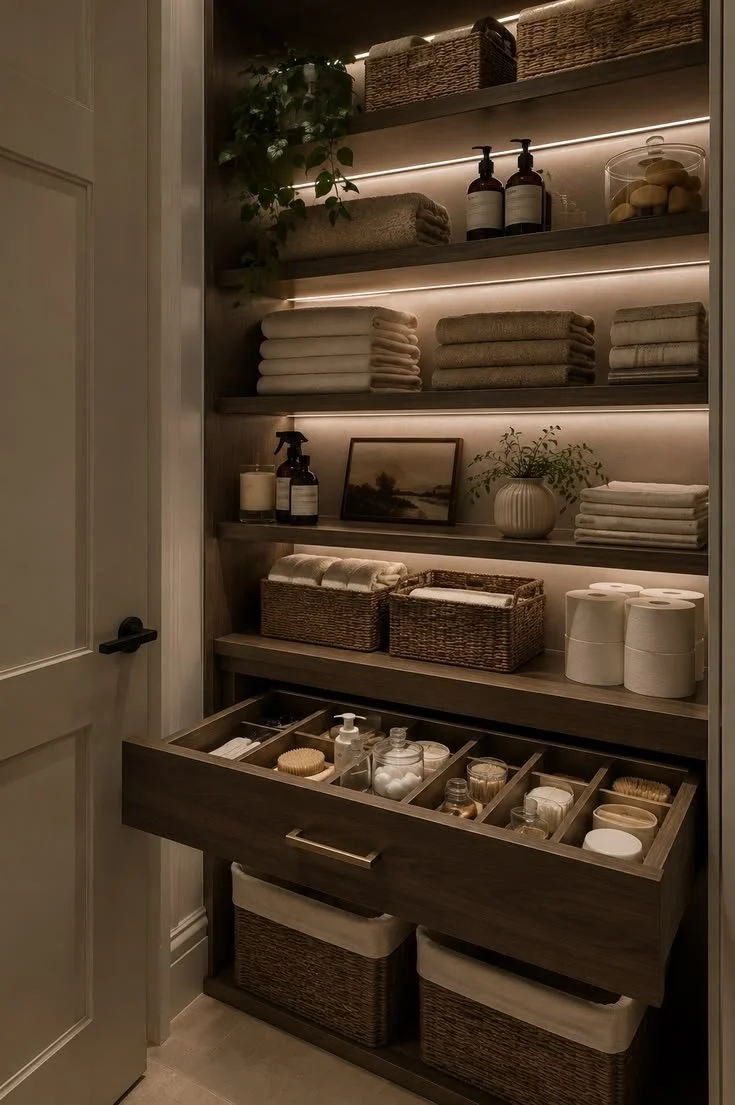
Small, thoughtful changes can also help preserve a person's dignity and independence in the bathroom. Easy-to-operate lever taps, accessible toiletries, and clearly organized storage cabinets can reduce frustration when completing daily grooming tasks. Adaptations should always be chosen around the individual's current abilities rather than assuming everyone requires the exact same medical equipment.
Replacing a traditional bathtub with a walk-in shower or wet room is often the safest long-term solution. This eliminates the need to step over a high threshold, which can be incredibly difficult for someone experiencing muscle stiffness. Handheld showerheads also offer greater flexibility and control, allowing the user to wash comfortably while seated.
Bathroom Safety Upgrades
Mount grab bars securely into the wall studs near the toilet.
Switch out round doorknobs for accessible lever handles.
Place a highly absorbent, non-slip mat directly outside the shower.
Utilize an elevated toilet seat to reduce joint and muscle strain.
No. 4
Make the Kitchen Simple to Use
For someone who truly enjoys preparing food, keeping the kitchen highly accessible can help them continue participating in familiar routines. Frequently used cookware, daily ingredients, and essential utensils should always be stored in easy-to-reach locations. Lowering the contents of high cabinets to countertop height can prevent dangerous reaching and potential loss of balance.
Lightweight kitchen equipment and specialized utensils with comfortable, ergonomic handles may be much easier to manage. These adaptive tools are particularly helpful where hand tremors or muscle stiffness significantly affect a person's grip strength. It can also be incredibly helpful to keep worktops completely uncluttered at all times.
Having sufficient room for preparing meals without navigating around unnecessary obstacles makes cooking a much more enjoyable experience. Installing slide-out shelves in lower cabinets can also eliminate the need to bend down and search for heavy pots. Safety should remain the top priority, so consider appliances with automatic shut-off features to prevent accidental fires.
Kitchen Accessibility Solutions
Purchase adaptive silverware with weighted or thickened handles.
Use non-slip silicone mats under cutting boards to prevent sliding.
Store heavy appliances directly on the counter instead of in cupboards.
Install a shallow sink to make washing dishes more comfortable.
No. 5
Balance Independence With the Right Support
Creating a comfortable and safe home environment is not simply about reducing physical risks and preventing accidents. It is equally about helping the person retain as much personal choice, independence, and active involvement in everyday life as possible. Empowering them to perform daily tasks boosts their confidence and significantly improves their overall mental well-being.
Because medical needs may evolve over time, families should regularly review which parts of the home are working well. Open communication allows caregivers to identify specific areas where additional physical or emotional support might be highly useful. For those who would benefit from ongoing assistance without moving away from familiar surroundings, professional in-home care is an excellent option.
Services like Consultus Care's Parkinson's care at home can provide a wonderful alternative for receiving personalized support. These dedicated professionals understand the unique nuances of the disease and can assist with daily activities while respecting the patient's dignity. This specialized assistance allows family members to focus on spending quality time together rather than solely acting as caregivers.
Supportive Care Strategies
Schedule monthly family meetings to discuss changing mobility needs.
Hire occupational therapists to evaluate the home environment professionally.
Partner with specialized home care agencies for reliable respite support.
Encourage the patient to dictate their own daily routine preferences.
No. 6
Keep Familiarity at the Heart of the Home
True comfort comes from a deep sense of familiarity and emotional connection to one's personal living space. Favorite family photographs, cherished furniture pieces, beloved music, and personal possessions can help a house continue to feel like a home. It is vital to avoid turning a warm residential space into something that feels like a sterile clinical environment.
The most effective environmental changes are often those that make everyday life simpler without unnecessarily transforming familiar surroundings. Subtle modifications, like changing cabinet hardware or improving lighting, can drastically enhance safety while remaining visually unobtrusive. This careful balance helps the individual maintain their sense of identity and personal history within the home.
By seamlessly combining practical adaptations with appropriate emotional support, families can create a truly welcoming atmosphere. This supportive environment remains comfortable and perfectly suited to the constantly changing needs of someone living with Parkinson's disease. Ultimately, the goal is to foster a space where the person feels secure, loved, and fully at peace.
Preserving Home Comfort
Display cherished family photos prominently in easily visible areas.
Keep favorite reading chairs in their original, familiar locations.
Use decorative baskets to hide necessary medical supplies discreetly.
Maintain regular household routines and familiar sensory experiences.
No. 7
Incorporate Smart Home Technology
Modern technology offers incredible opportunities to enhance safety and convenience for individuals managing progressive neurological conditions. Voice-activated smart assistants can be programmed to control lighting, adjust the thermostat, or even lock the doors. This hands-free approach is incredibly beneficial for those experiencing severe tremors or sudden mobility fluctuations.
Smart home security systems can also provide immense peace of mind for both the patient and their distant family members. Video doorbells allow the resident to see who is visiting without rushing to the front entrance and risking a fall. Additionally, automated medication dispensers can send helpful audio reminders, ensuring that crucial prescriptions are never missed.
Integrating these technological solutions does not have to be an overwhelming or highly expensive process. Starting with a few simple smart plugs or voice-controlled speakers can make an immediate and noticeable difference in daily life. As the person becomes more comfortable with the technology, additional automated features can be slowly introduced.
Useful Smart Home Devices
Install voice-activated smart speakers in every major living area.
Use programmable smart thermostats for effortless temperature control.
Set up automated medication dispensers with loud auditory alarms.
Utilize smart door locks that can be controlled via smartphone.
No. 8
Encourage Safe Outdoor Spaces
Access to fresh air and natural sunlight is incredibly important for maintaining a positive mood and healthy circadian rhythms. Ensuring that outdoor spaces like patios, decks, and gardens are safe and accessible should be a key part of home modification. Installing gentle, slip-resistant ramps instead of traditional stairs can make transitioning from indoors to outdoors much easier.
Outdoor walkways should be kept entirely clear of overgrown vegetation, slippery moss, and uneven paving stones. Adequate exterior lighting is also crucial for preventing accidents if the person enjoys spending time outside during the evening. Providing sturdy, comfortable outdoor seating allows the individual to rest and enjoy nature without experiencing physical fatigue.
Gardening can remain a fulfilling hobby if the environment is adapted to suit the person's current physical abilities. Raised planter boxes eliminate the need for painful bending, while lightweight, ergonomic gardening tools reduce strain on the hands and wrists. These thoughtful outdoor adjustments ensure that the entire property remains a welcoming sanctuary for the individual.
Outdoor Safety Enhancements
Build gently sloping wooden ramps over existing exterior staircases.
Install bright, motion-activated floodlights around the property perimeter.
Use raised garden beds to make planting and weeding highly accessible.
Repair any cracked or uneven concrete on the driveway and sidewalks.
Takeaways
Adapting a home for someone with Parkinson's disease requires a thoughtful balance of safety, accessibility, and emotional comfort. By proactively modifying living spaces, families can significantly reduce the risk of accidents while promoting daily independence.
Simple changes like improving lighting, clearing walkways, and installing grab bars make a tremendous difference in overall quality of life. Embracing adaptive tools and smart home technology further empowers individuals to navigate their surroundings with renewed confidence.
Ultimately, the goal is to create a supportive environment that feels familiar and welcoming rather than clinical. With the right adjustments and compassionate care, individuals can continue to thrive safely in the comfort of their own homes.
Looking for wellness resources?
Are you looking to enhance your wellness routine? Explore our wellness partners who offer a wide range of resources to support your journey toward holistic living and well-being.