Why True Self-Care Demands Real Physical Alignment
Physical alignment affects how comfortably you move, work, and rest, so it deserves a place in any realistic self-care routine. Posture won't solve every ache, but your daily movement patterns can affect muscle tension, joint stress, and energy levels.
Even a simple practice like walking in alignment can help you notice how your body feels. That awareness helps you catch physical strain before it starts limiting the activities that support your well-being.
In this article, we will explore how alignment fits into everyday self-care, from quick body checks and workspace setup to strengthening exercises and sleep habits. We'll also cover the warning signs that mean back pain needs professional attention and the non-invasive treatments a care plan might include.
No. 1
Moving Past Surface Rituals
A soothing bath or a quiet evening can help you unwind. Lasting self-care also deals with the physical patterns you carry through each day.
Daily Habits That Build Tension
Leaning over a laptop for hours
Looking down at a phone for long periods
Standing with your weight shifted to one side
Holding your phone between your ear and shoulder
Carrying a heavy bag on the same shoulder every day
These habits may seem harmless on their own. Repeated day after day, they can contribute to tension that keeps coming back.
Try a Quick Body Check
Start with a short body check during familiar moments, such as waiting for coffee or opening your computer. Pairing the check with something you already do makes it easier to remember.
Are your shoulders raised toward your ears?
Is your jaw clenched or tight?
Are your feet planted evenly, or is your weight on one side?
Are you holding your breath or breathing shallowly?
The goal is gentle awareness, not rigid posture. If you notice tension, release it and move on with your day.
Consider the Mind-Body Connection
Stress and physical discomfort often feed each other. Tension from a hard day can settle into your neck and shoulders, and ongoing pain can make stress harder to manage.
Learning how the mind-body connection affects pain relief can help you see why relaxation and physical care work best together.
No. 2
The Spine as Your Foundation
Your spine supports movement from your neck to your lower back while protecting the spinal cord. Its natural curves help spread pressure evenly as you sit, bend, and walk.
When the surrounding muscles get weak or tense, everyday tasks can take more effort. That extra strain may leave you feeling stiff or tired by the end of the day.
Create a Supportive Workspace
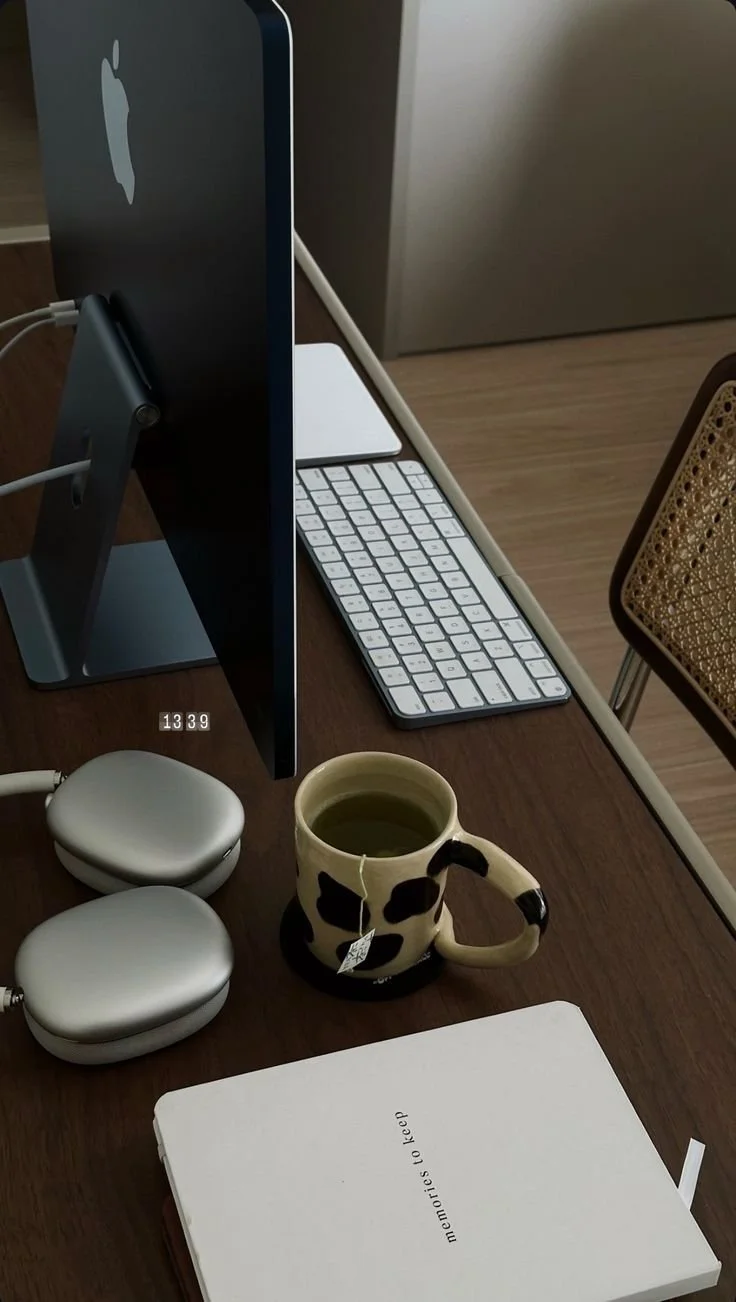
A few simple changes can take pressure off your spine during long workdays. Small adjustments often make the biggest difference over time.
Place your screen at or near eye level.
Keep both feet flat on the floor or on a footrest.
Choose a chair that supports the natural curve of your lower back.
Keep your keyboard and mouse close enough that your elbows stay near your sides.
Change position every 30 to 60 minutes.
Don't Chase a "Perfect" Posture
No single posture is ideal for hours at a time. Even a well-supported body needs regular movement to stay comfortable.
Think of good posture as something that changes throughout the day. Standing, stretching, and shifting positions are all part of healthy alignment.
Strengthen the Muscles That Support You
Strengthening your core, hips, and upper back may improve control and stability. If they suit your health and mobility, these exercises are good places to start:
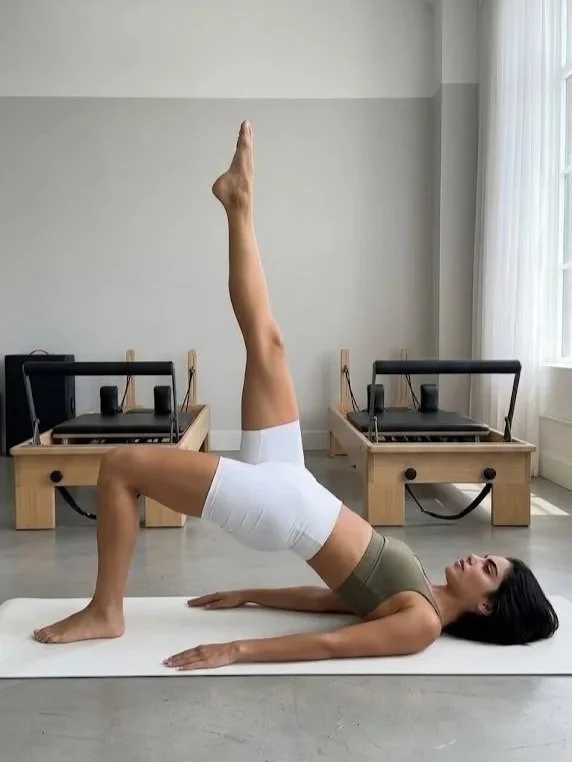
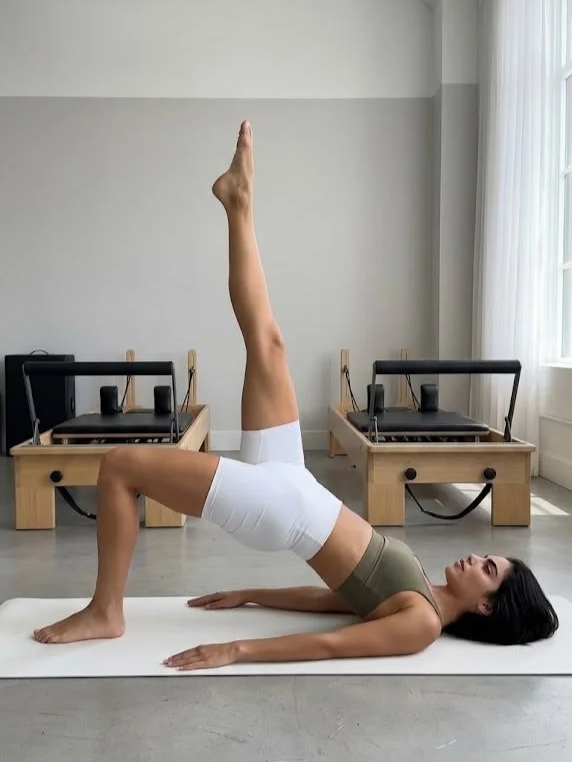
Bridges: Lie on your back with your knees bent, then lift your hips to work your glutes and lower back.
Bird dogs: On your hands and knees, extend the opposite arm and leg to build core stability.
Wall-supported squats: Lean against a wall and lower into a partial squat to strengthen your legs safely.
Start with a few slow, controlled repetitions, and add more as your strength improves. Comfort and good form matter more than how many you do.
No. 3
When Back Pain Halts Progress
Persistent discomfort can get in the way of sleep, exercise, concentration, and household routines. Over time, it can affect almost every part of your day.
The Inactivity Cycle
Pain can start a cycle that's hard to break. You may move less because movement feels uncertain, then get stiffer from the lack of activity.
Stiffness can make movement feel even harder, and the cycle continues. Breaking it often takes guidance from someone who can find the cause.
When to See a Specialist
Pain that lasts, gets worse, or keeps coming back should be evaluated by a professional. If back pain is keeping you from normal activities, a pain management specialist can look into possible causes and discuss non-surgical options for your condition.
Seek Prompt Medical Attention For
New weakness in your legs or arms
Numbness, especially in the groin or inner thighs
Loss of bladder or bowel control
Back pain with a fever
Pain after a recent fall, accident, or other serious injury
Keep a Symptom Record
Brief notes about your symptoms can make appointments more productive. A clear record gives a clinician more useful detail than a general pain score alone.
When symptoms appear and how long they last
Which positions or activities make them better or worse
Which daily tasks feel limited
Any treatments or changes you've already tried
No. 4
Non-Invasive Paths to Relief
Many care plans start with conservative steps before considering anything more involved. These options often work well together.
Common Conservative Approaches
Guided exercise designed for your condition
Changes to activities that trigger or worsen pain
Physical therapy to rebuild strength and mobility
Adjustments to an unsupportive workspace
Using Heat and Cold Safely
Heat may ease muscle tightness, while cold can help with short-term soreness or swelling. Neither should be applied directly to bare skin.
Wrap heat packs or ice in a thin towel, and limit each session to about 15 to 20 minutes. Stop if your skin becomes numb, very red, or painful.
Other Non-Surgical Treatments
For some conditions, clinicians may also discuss targeted procedures or other non-surgical treatments. The best choice depends on the source of your pain, your medical history, and how your symptoms affect daily life.
Questions to Ask Your Provider
What outcome is realistic for my condition?
How long might relief last?
What does recovery involve, and how soon can I return to normal activities?
Are there risks or side effects I should know about?
Build Activity Gradually
Build movement gradually based on your abilities. For most adults, the long-term goal is about 150 minutes of moderate activity each week, plus muscle-strengthening work at least two days a week.
Stop and get medical advice if an activity causes sharp pain, dizziness, or new neurological symptoms like tingling or weakness. Progress should feel steady, not forced.
No. 5
Cultivate Sustainable Vitality
Physical self-care works best when it's built around habits you can repeat on ordinary days. Consistency matters more than intensity.
Choose Small, Repeatable Habits
A five-minute mobility break between meetings may do more for you than an intense routine you try once every few weeks. Short sessions are easier to fit in and easier to keep up.
Pair each break with a cue you already have so it becomes automatic. Good options include:
Your lunch break
Your afternoon tea or coffee
The end of the workday
The time right after a long phone call
Simple Mobility Ideas
Gentle neck rolls and shoulder shrugs
Standing hip circles
Seated spinal twists
A short walk around your home or office
Support Alignment While You Sleep
Your sleep position affects how you feel in the morning. A few simple tweaks can help keep your spine in a comfortable position overnight.
Side sleepers: Place a pillow between your knees to keep your hips level.
Back sleepers: Put a pillow under your knees to ease pressure on your lower back.
All sleepers: Choose a mattress and pillow that keep you comfortable without forcing your neck or lower back into an awkward angle.
Leave Room for Flexibility
Real alignment isn't about holding a fixed position. It's about responding to what your body needs from one moment to the next.
Pay attention when your body asks for movement, rest, or professional care. Responding early helps keep discomfort from taking over your routine.
Takeaways
Physical alignment affects how comfortably you move, work, and rest, which makes it a natural part of self-care. Quick body checks during familiar moments can help you spot tension before it builds.
A supportive workspace, regular position changes, and core-strengthening exercises help protect your spine. Remember that no single posture is perfect, so movement throughout the day is essential.
Pain that lasts, gets worse, or comes with warning signs like weakness or numbness needs professional evaluation. Small, repeatable habits and supportive sleep positions help you build long-term well-being.
Looking for wellness resources?
Are you looking to enhance your wellness routine? Explore our wellness partners who offer a wide range of resources to support your journey toward holistic living and well-being.