8 Simple Habits To Feel More Comfortable In Your Body
Feeling comfortable in your body does not require a complete lifestyle transformation or extreme wellness routines. More often, it comes from small daily choices that help you feel supported, relaxed, and deeply connected to your physical needs. The way you sit, move, dress, rest, and respond to tension can significantly influence how you feel throughout the day.

Modern life makes it incredibly easy to ignore physical discomfort until it becomes a major problem. You may stay at your desk long after stiffness appears, rush through meals, or carry immense tension without even realizing it. Over time, these seemingly minor habits can negatively affect your energy, mood, and overall ability to enjoy everyday activities.
Comfort also comes from learning which specific forms of support suit your unique individual needs. Someone experiencing recurring back tension, for example, may consider whether an at-home spinal decompression device belongs in a broader routine. In this article, we will explore eight small and realistic ways to feel more comfortable in your body every day.
No. 1
Begin the Day With a Body Check-In
Before reaching for your phone or mentally reviewing your to-do list, take a brief moment to notice how your physical body feels. You do not need to perform a formal meditation or a lengthy spiritual practice. Simply remain still for a few deep breaths and observe any areas that feel tight, heavy, tired, or unusually sensitive.
A mindful morning check-in can help you make much more thoughtful decisions throughout the rest of your day. If your shoulders feel tense, you might proactively schedule a few stretching breaks between your upcoming meetings. If your legs feel tired after yesterday's workout, you may choose a gentle walk instead of another intense training session.
The primary purpose of this practice is not to search for problems or criticize your physical state. It is to build a strong sense of internal awareness without any harsh judgment. Your body communicates through subtle sensations, and noticing them early may help you respond before minor discomfort becomes highly distracting.
Benefits of Morning Awareness
Improves your connection to physical hunger and thirst signals.
Reduces the likelihood of pushing through preventable pain.
Sets a calm and intentional tone for the hours ahead.
No. 2
Choose Clothing That Lets You Move Naturally
Clothing can affect significantly more than just your outward appearance and professional image. Tight waistbands, restrictive fabrics, poorly fitted undergarments, and shoes that pinch can make ordinary movement feel incredibly uncomfortable. When an outfit looks beautiful but requires constant adjusting, it may be taking more energy from your day than it gives.
You should always choose clothing that allows you to sit, bend, walk, and breathe comfortably without restriction. Soft fabrics, flexible waistbands, and breathable layers that can be removed as temperatures change may help you feel much more at ease. Your wardrobe should adapt to your daily activities rather than forcing your body to adapt to stiff garments.
This practical approach does not mean giving up your personal style or looking unpolished. Comfort and self-expression can easily coexist when you prioritize high-quality, well-designed pieces. The ultimate goal is to notice whether your clothes support the life you are living rather than forcing your body to tolerate unnecessary restriction.
Tips for a Comfortable Wardrobe
Select natural, breathable fabrics like cotton, linen, or bamboo.
Prioritize stretch and flexibility in areas around the waist and shoulders.
Remove tags or harsh seams that irritate your skin during the day.
No. 3
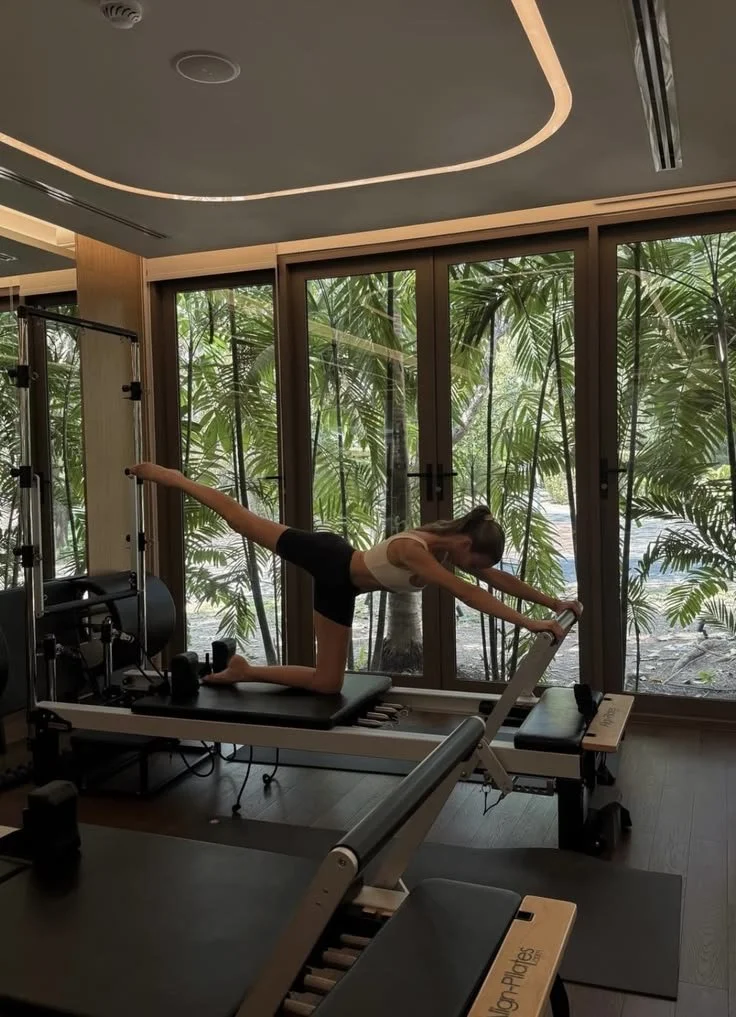
Add More Gentle Movement to Your Routine
Physical movement does not need to be intense or exhausting to be highly meaningful for your health. Walking around the house, stretching between tasks, gardening, dancing to a favorite song, and taking the stairs all help break up long periods of inactivity. These small bursts of activity keep your joints lubricated and your muscles engaged.
The Centers for Disease Control and Prevention explains that physical activity is one of the most important things people can do to support their health. Rather than focusing only on structured workouts, you should look for opportunities to move naturally throughout your day. Consistent, low-level activity is often more beneficial for physical comfort than a single hour of intense exercise followed by prolonged sitting.
Try standing during a phone call, walking for ten minutes after lunch, or stretching while waiting for the kettle to boil. These short moments may not feel like traditional exercise, but together they can help reduce stiffness and make your body feel more awake. If you are starting a new routine or living with a health condition, speak with a qualified healthcare professional about which activities are appropriate for you.
Simple Ways to Move More
Pace around the room while taking phone calls or listening to podcasts.
Do gentle neck and shoulder rolls every time you check your email.
Park further away from store entrances to increase your daily step count.
No. 4
Make Your Everyday Spaces More Supportive
Your physical surroundings heavily influence how your body feels and functions on a daily basis. A chair that is too low, a laptop placed at an awkward angle, or a mattress that no longer provides adequate support can encourage uncomfortable positions. Over time, poor ergonomics can lead to chronic pain and persistent muscular imbalances.
You must pay close attention to the specific places where you spend the most time. At your desk, keep frequently used objects within easy reach and position your computer screen at a comfortable eye-level height. When relaxing on the couch, use cushions where they genuinely improve support instead of piling them around you without considering your spinal alignment.
Creating a more comfortable workspace and introducing regular movement breaks can drastically improve your posture and relieve pain. However, no ergonomic setup will keep you perfectly comfortable if you remain frozen in one single position for hours. Even the best chair works much more effectively when you regularly stand, stretch, and change your physical position.
Ergonomic Adjustments to Try
Place a supportive cushion behind your lower back while working.
Elevate your laptop on a stand to prevent looking down at the screen.
Ensure your feet rest flat on the floor or on a dedicated footrest.
No. 5
Pay Attention to Your Feet
Your feet carry you through almost every part of the day, yet they are incredibly easy to overlook until they begin to hurt. Shoes that are worn out, poorly fitted, or unsuitable for a specific activity may leave your feet feeling tired and affect how comfortably you move. The health of your feet directly impacts your knees, hips, and lower back.
You should regularly check the condition of the footwear you use most often. Your toes should have plenty of room to move, and your heel should not slide excessively when you walk. Look closely at the soles for uneven wear, thinning areas, or a complete loss of structural integrity.
You may need entirely different shoes for different parts of your active life. The stylish pair that works for a short outing may not be supportive enough for a long walk or a full day on your feet. At home, gentle foot stretches or rolling the sole of your foot over a small massage ball may feel incredibly soothing.
Foot Care Practices
Replace athletic shoes every few hundred miles to maintain cushioning.
Massage the arches of your feet with lotion before going to sleep.
Walk barefoot on soft grass or carpet to strengthen small foot muscles.
No. 6
Eat and Hydrate With Greater Awareness
Physical comfort is closely connected to how well you nourish and hydrate yourself throughout the day. Skipping meals, eating too quickly, or forgetting to drink water can leave you feeling tired, irritable, or disconnected from your body's natural signals. Proper hydration keeps your tissues supple and helps prevent muscle cramps.
Keep your daily hydration simple by placing a glass of water somewhere visible and drinking regularly. This is much better than waiting until you feel extremely thirsty and dehydrated. When possible, eat away from your desk and give yourself enough time to notice the flavors, textures, and satisfaction of your meal.
Balanced meals do not need to be complicated or require hours of preparation. Combine foods that provide protein, carbohydrates, healthy fats, fiber, and color in a way that works for your personal preferences and needs. Pay attention to how different meals make you feel without labeling foods as morally good or bad.
Mindful Nourishment Habits
Chew your food slowly to improve digestion and nutrient absorption.
Carry a reusable water bottle to encourage consistent fluid intake.
Notice which foods give you sustained energy versus a quick crash.
No. 7
Release Tension Before It Accumulates
Mental stress often appears in the physical body long before we consciously recognize we are feeling overwhelmed. You may unknowingly clench your jaw, raise your shoulders, tighten your hands, or hold your breath while concentrating on a difficult task. If left unchecked, this chronic muscle tension can lead to severe headaches and lingering fatigue.
You should create small, recurring reminders to release tension throughout your busy schedule. Each time you send an email, finish a meeting, or wash your hands, pause and soften the muscles you are holding tightly. Take a slow breath, relax your jaw, and let your shoulders drop away from your ears.
You can also use warmth, gentle stretching, quiet music, or a short walk to transition out of a highly stressful moment. These simple practices will not remove the source of serious stress, but they may keep physical tension from following you through the entire day. If stress regularly interferes with your daily functioning, consider seeking support from a mental health professional.
Quick Tension Relievers
Practice deep belly breathing for one minute during stressful moments.
Use a warm compress on your neck and shoulders to soothe tight muscles.
Perform a quick body scan to identify and relax clenched areas.
No. 8
Create a Gentle Evening Reset
The specific way you end the day can heavily influence how your body feels the following morning. An evening reset does not need to involve an elaborate, time-consuming wellness routine to be effective. It simply gives your mind and body adequate time to move away from daily stimulation and transition toward deep rest.
Dim the overhead lights, change into comfortable clothing, and step away from your work tasks at a consistent time. Gentle stretching, a warm shower, reading a book, or preparing tomorrow's essentials may help create a soothing sense of closure. Try to avoid treating sleep as leftover time that only happens when all your chores are completely finished.
A regular bedtime and a calm, dark sleep environment can make rest feel like an intentional act of care. Choose an evening routine that feels deeply comforting and entirely realistic for your current lifestyle. The best evening ritual is not the most impressive one, but rather the one you can return to consistently.
Evening Wind-Down Ideas
Turn off electronic screens at least an hour before going to bed.
Drink a warm cup of herbal tea to signal to your body that it is time to relax.
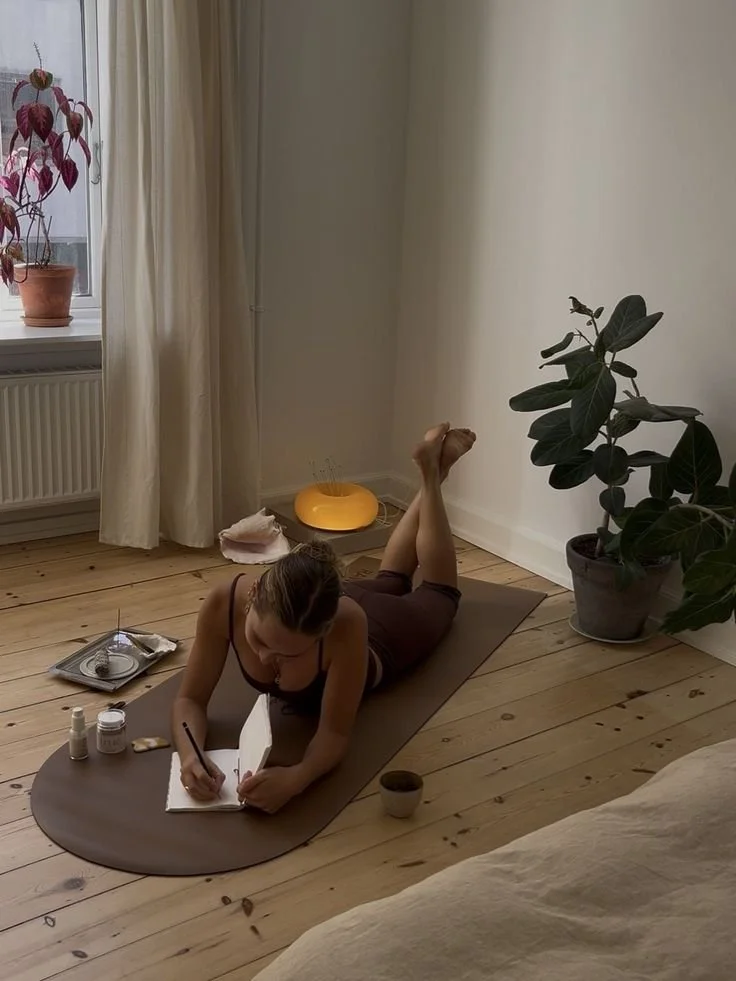
Write down any lingering thoughts in a journal to clear your mind.
Takeaways
Feeling better in your body is rarely the result of one perfect habit or extreme lifestyle overhaul. It develops gradually through repeated moments of daily awareness, gentle movement, proper nourishment, and intentional rest.
You can easily start by choosing one small change that feels manageable enough to begin implementing today. Adjust your workspace, take a short walk, wear more comfortable shoes, or spend five quiet minutes checking in with your body.
Comfort is not a sign of laziness or indulgence, but rather a vital form of everyday self-care. Prioritizing your physical well-being can help you move through life with much greater ease, awareness, and lasting confidence.
Looking for wellness resources?
Are you looking to enhance your wellness routine? Explore our wellness partners who offer a wide range of resources to support your journey toward holistic living and well-being.