Life After Rehab: Routines For Long-Term Recovery
Finishing rehab is a huge accomplishment that deserves to be celebrated. But many people in recovery say the real test begins the day they head home. Suddenly, the structured environment of treatment is gone, and you are back in the rhythm of everyday life.

This might mean catching the train from Bay Ridge, picking up shifts in Bushwick, or walking familiar Brooklyn streets that hold old memories. That transition can feel exciting and overwhelming at the exact same time. In this article, we will explore how to build daily habits that support your health, protect your progress, and help you genuinely enjoy life again.
The good news is that you do not need to rebuild your whole life overnight. Small, steady routines create the foundation for lasting recovery and personal growth. Taking things one step at a time allows you to adjust without feeling completely overwhelmed by new expectations.
No. 1
Why Routines Matter So Much After Rehab
The Importance of Daily Structure
In treatment, your days had a clear shape that included meals, therapy, group sessions, and rest. Once that structure disappears, unplanned hours can quickly become a weak spot. Boredom, stress, and isolation are some of the most common triggers people face in early recovery.
Creating a new schedule helps fill those empty hours with positive, meaningful activities. It also reduces the decision fatigue that often accompanies the early stages of navigating a sober lifestyle.
Understanding Addiction as a Chronic Condition
It helps to remember that addiction is a chronic condition rather than a temporary hurdle. Understanding this medical reality can significantly reduce feelings of shame or personal failure.
According to the National Institute on Drug Abuse, relapse rates for substance use disorders are estimated at 40 to 60 percent.
These numbers are remarkably similar to relapse rates for other chronic illnesses like hypertension and asthma.
Managing these conditions requires a commitment to ongoing lifestyle adjustments and professional support.
That does not mean relapse is inevitable for anyone leaving a treatment program. It simply means recovery works best with ongoing care and daily habits that keep you steady. Managing any long-term health condition requires consistent effort, patience, and a willingness to adapt.
No. 2
Start Your Day With Structure
Creating a Morning Routine
How you begin your morning often sets the tone for everything that follows throughout the day. A predictable start gives you a much-needed sense of control. This is especially important on days when your emotions feel unpredictable or overwhelming.
Establishing a morning ritual grounds you and provides a quiet moment before the world demands your attention. It creates a safe space to focus on your recovery goals before facing external stressors.
Simple Morning Habits to Try
There are several highly effective practices you can incorporate into your early hours. Consider trying a few of these suggestions to see what works best for your lifestyle.
Waking up at the exact same time every single day to regulate your internal clock.
Eating a real, nutritious breakfast, even if it is just something small to fuel your body.
Spending a few minutes engaged in quiet reflection, prayer, journaling, or meditation.
Reviewing your plans, appointments, and personal commitments for the day ahead.
Your morning routine absolutely does not need to be perfect to be highly effective. The ultimate goal is consistency, rather than striving for a picture-perfect, rigid schedule. Over time, these small actions will become second nature and provide a comforting anchor for your day.
No. 3
Take Care of Your Body
The Physical Impact of Recovery
Substance use takes a significant toll on the body over time. Healing physically is a crucial step that directly supports healing emotionally and mentally. Sleep, nutrition, and movement all profoundly affect your mood, your energy levels, and how well you handle stress.
When your body feels strong and rested, you are better equipped to face the psychological challenges of sobriety. Neglecting your physical health can inadvertently make you more vulnerable to emotional distress and cravings.
Building Healthy Physical Habits
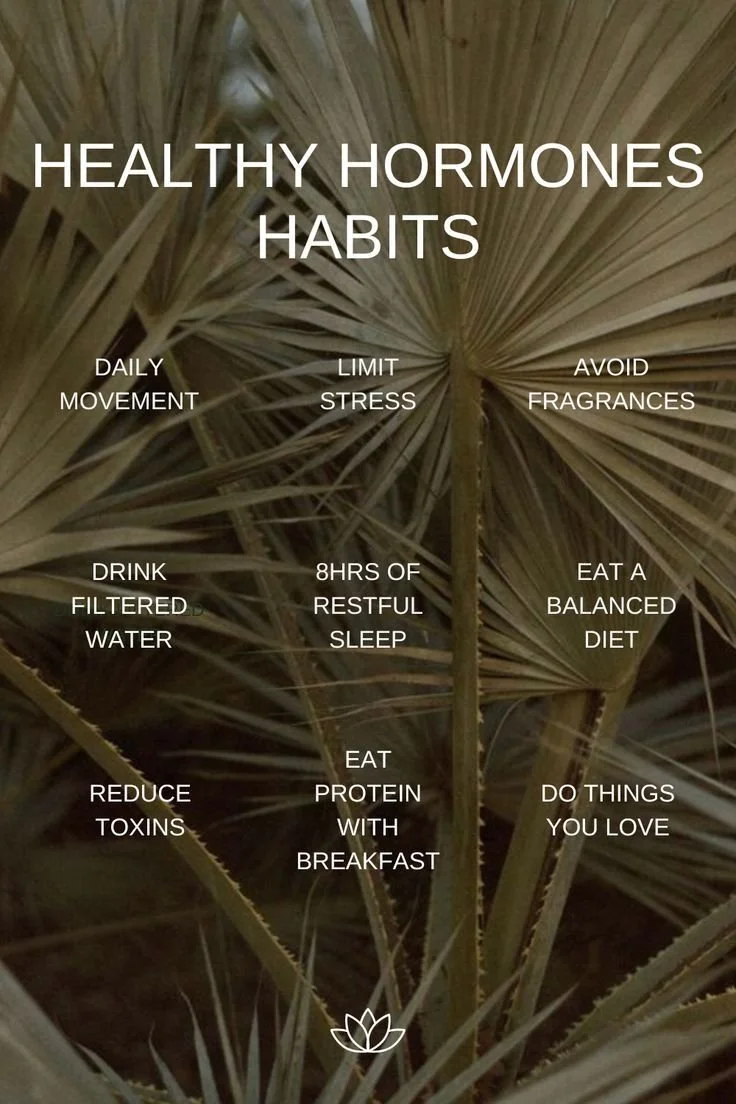
Establishing wellness routines will help your body recover from past substance use. Focus on simple, sustainable changes rather than extreme diets or exhausting workout regimens.
Aim for a regular sleep schedule and try to keep distracting screens out of the bedroom entirely.
Build your daily meals around simple, whole foods that provide sustained energy.
Drink plenty of water throughout the day to stay properly hydrated and focused.
Movement does not have to mean an intense, exhausting gym routine that leaves you drained. A brisk walk through Prospect Park, a beginner yoga class, or a bike ride along the waterfront all count as excellent exercise. Many people find that physical activity also gives them a healthy, productive outlet for restless energy and cravings.
No. 4
Stay Connected to Your Support System
The Value of Community
Recovery is simply not meant to be done in isolation. People who stay connected to a support network tend to feel more accountable and significantly less isolated. This connection can make a truly life-saving difference during particularly hard weeks or stressful life events.
Building a sober network provides you with friends who genuinely understand the unique challenges you are facing. They can offer advice, empathy, and encouragement when you need it the most.
Finding the Right Support Channels
Support can come from a wide variety of professional and personal sources. It is highly recommended to build a diverse network that addresses different aspects of your recovery.
Engaging in continuing care or regular outpatient therapy sessions with a licensed professional.
Attending peer support groups such as AA, NA, or SMART Recovery meetings in your local area.
Participating in alumni programs organized by your specific treatment center.
Leaning on trusted friends and family members who fully respect and support your recovery journey.
Moving into a sober living home if you need extra structure and accountability at first.
If you are still figuring out what local support looks like, Wellbridge offers a comprehensive guide to drug rehab in Brooklyn, NY. This resource brings together valuable information on continuing care, sober living, and nearby recovery meetings in one convenient place. Having those options mapped out ahead of time makes it much easier to reach out when you are struggling.
No. 5
Fill Your Free Time With Things You Enjoy
Rediscovering Personal Interests
Recovery is not only about avoiding old, destructive habits. It is also about discovering exactly what brings you genuine joy and fulfillment now. Free time that once revolved around substance use can become a beautiful space for new interests, friendships, and experiences.
Exploring new hobbies helps rewire your brain to seek pleasure from healthy, constructive activities. It also builds a strong sense of identity and purpose outside of your past addiction.
Engaging Activities in the City
Brooklyn makes finding new and exciting activities easier than you might initially think. There are countless opportunities to engage with the community and explore your creative side.
Spending a quiet, reflective afternoon wandering through the beautiful Brooklyn Botanic Garden.
Exploring a new museum exhibit to stimulate your mind and spark creative inspiration.
Taking in the breathtaking city skyline from the peaceful heights of the Brooklyn Promenade.
Trying creative hobbies like cooking classes, learning a musical instrument, or painting.
Volunteering for a local charity or community organization is another fantastic way to spend your time. It can build your self-confidence while connecting you with compassionate people who share your core values. Giving back to the community often provides a profound sense of meaning and gratitude.
No. 6
Know Your Triggers and Have a Plan
Identifying Your Vulnerabilities
Even with an incredibly strong routine, tough moments and unexpected cravings will inevitably come. Knowing your personal triggers helps you spot potential trouble early before it escalates. Many people in recovery use the simple HALT check-in method to assess their current state of mind.
This involves asking yourself if you are Hungry, Angry, Lonely, or Tired at any given moment. Experiencing any of these four states can make cravings feel significantly stronger and harder to resist.
Creating a Relapse Prevention Strategy
Being prepared for difficult days is a cornerstone of long-term success. A basic relapse prevention plan should outline actionable steps to keep you safe.
Keep a short, accessible list of supportive people you can call at any time of day or night.
Identify specific places, people, or high-risk situations you will strictly avoid for now.
Develop healthy ways to cope with sudden stress, like taking a walk, attending a meeting, or making a phone call.
Determine exactly what you will do if you slip, including reaching out to your care team right away.
It is vital to remember that a brief slip does not erase all of your hard-earned progress. It is simply a signal to lean heavier on your support system and adjust your current prevention plan. It is never a reason to give up on yourself or your long-term sobriety goals.
Takeaways
Life after rehab is a fresh start that is built one ordinary day at a time. Consistent mornings, healthy habits, and steady support all work together to protect the progress you have made.
None of your new daily routines have to be executed perfectly to be highly effective. What matters most is showing up for yourself again and again, even when the journey feels difficult.
Be patient with the healing process and remember to celebrate the small wins along the way. With the right routines and the right people around you, long-term recovery can be deeply rewarding.
Looking for wellness resources?
Are you looking to enhance your wellness routine? Explore our wellness partners who offer a wide range of resources to support your journey toward holistic living and well-being.