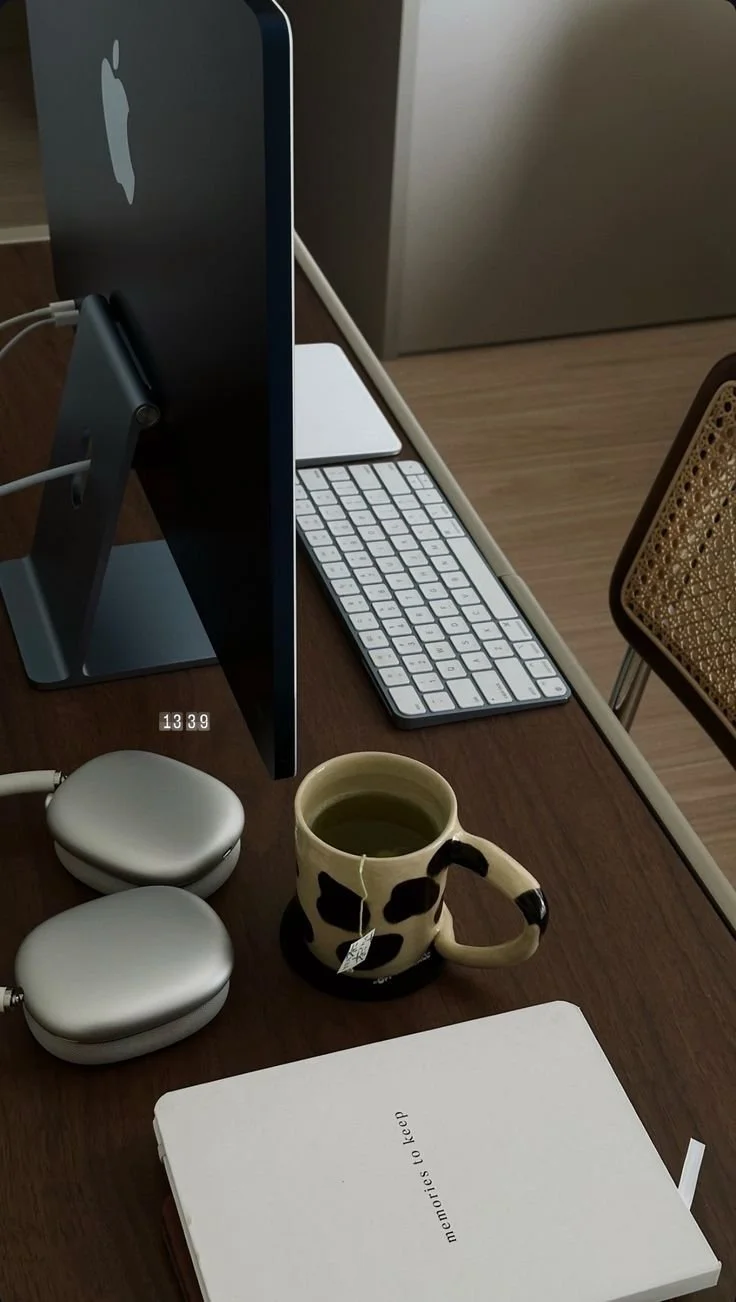
How Reliable Systems Boost Your Well-being
A life with reliable systems leaves more room for joy. When daily processes run smoothly in the background, from how you manage your home to how you connect with others, you save precious mental energy and protect your attention for what matters most. In this article, we will explore how to build practical, flexible systems that reduce stress, strengthen relationships, and create the clarity you need for sustainable personal growth.

This is not about rigid scheduling, perfectionism, or squeezing spontaneity out of life. It is about designing supportive structures that make the right things easier and the stressful things less frequent. When your environment and routines are set up to help you, you spend less time firefighting and more time living.
No. 1
The Stress of Disorganization
Constant disorganization can feel like a low-grade fever for your mind. It drains energy, clouds judgment, and keeps you in a reactive state where everything feels urgent, even when it is not. The frustrating part is that the stress often comes from small, repeatable problems rather than major crises.
How everyday chaos quietly compounds
The examples are familiar:
Searching for keys when you are already late
Forgetting a bill and paying a fee you did not need to pay
Rebuying items because you cannot find what you already own
Losing track of appointments, deadlines, or important messages
Feeling overwhelmed by cluttered surfaces that never seem to clear
Each incident may seem minor on its own, but together they create a constant background pressure that contributes to decision fatigue. When you are repeatedly forced to make “micro-decisions” throughout the day, even simple choices begin to feel heavy.
What disorganization costs you, beyond time
Disorganization taxes mental resources. When your space is cluttered and your schedule is unpredictable, your brain works harder to track basic information, remember loose ends, and anticipate what might go wrong next.
Common emotional and cognitive effects include:
Increased anxiety and irritability
Reduced focus and creative thinking
Lower frustration tolerance
A persistent feeling of being behind
Less emotional bandwidth for relationships and self-care
Research consistently shows that social support can help manage stress, but it is just as important to build supportive systems inside your daily life. Small routines, like keeping keys in one place or setting up automatic bill payments, remove recurring stressors and give you back mental bandwidth.
Simple systems that remove recurring friction
Start with the problems that happen most often. If something frustrates you weekly, it is a strong candidate for a system.
Practical examples:
A single “launch pad” near the door for keys, wallet, and sunglasses
A 10-minute nightly reset for countertops and high-traffic areas
A recurring calendar reminder for bills that cannot be automated
A dedicated spot for incoming mail, with a weekly sorting time
No. 2
Optimizing Your Supply Flow
“Supply flow” is not only a business concept. In everyday life, it means the system that ensures you have what you need, when you need it, without last-minute scrambles. It includes physical items like groceries and toiletries, and also non-physical inputs like messages, documents, and tasks.
Common supply-flow breakdowns at home
When the flow is blocked or unpredictable, you end up reacting instead of living intentionally.
Typical pain points include:
Running out of essentials at the worst time
Overstocking random items because you “might need them”
Missing important emails buried under promotions
Losing track of documents, warranties, or appointments
Build a reliable household replenishment system
A good system is simple enough to maintain and strong enough to withstand busy weeks.
Consider using:
A running digital grocery list shared with anyone in the household
A “two triggers” restock rule
Restock when there are two units left, or when the item is halfway gone
A repeating essentials order for predictable items (toilet paper, detergent)
A weekly 15-minute inventory check tied to an existing routine (e.g., before meal planning)
Reduce information overload with lightweight sorting
You do not need a complicated productivity app to improve your “information supply chain.” You need clear destinations for common inputs.
Helpful email or admin systems:
One folder for receipts and bills
One folder for work or school actions
Unsubscribe aggressively from newsletters you never read
A simple rule: if it takes under two minutes, do it immediately; otherwise, schedule it
For entrepreneurs: outsource the operational bottlenecks
For small business owners, supply flow becomes a major driver of stress because it is directly connected to revenue and customer expectations. Managing inventory, packing orders, and shipping can quietly consume the time and energy you hoped to spend on creative work, marketing, or product development.
This is where outsourcing can become a powerful tool for boosting well-being, not just an operational one. Using a professional ecommerce fulfilment service can streamline storing, packing, and shipping orders, improving reliability for customers while reducing your logistical burden. Delegating this system turns a recurring source of stress into a predictable process and protects your personal time.
No. 3
Building Foundations of Trust
Reliable systems do not stop with logistics. They also shape your relationships, because trust is a system: a consistent pattern of communication, follow-through, and mutual care that creates psychological safety.
When you have people you can depend on, your nervous system relaxes. You know that if something goes wrong, you are not alone, and that stability gives you more resilience.
What reliability looks like in relationships
Trust is built in small moments more than big declarations. Reliability often shows up as:
Doing what you said you would do
Being clear about what you can and cannot commit to
Following through on deadlines and promises
Communicating early when plans change
Making repair attempts after conflict instead of avoiding it
Systems that strengthen relationships without feeling rigid
You can build relational reliability in ways that feel natural and supportive, not transactional.
Consider systems such as:
A weekly check-in with a partner about schedules, stress, and support needs
A recurring catch-up slot with close friends, even if it is short
Shared calendars for household logistics when relevant
Clear expectations about response times and availability at work
Reduce uncertainty by naming expectations
Unreliability creates emotional strain because uncertainty forces people to guess. A friend who frequently cancels or a colleague who misses deadlines changes your planning and erodes trust over time.
A simple script can prevent lingering resentment:
“I value reliability, so if something changes, I appreciate a quick message.”
“Can we set a clear deadline and confirm what ‘done’ looks like?”
“If you are overwhelmed, tell me early, and we can adjust.”
Reliable relationships are rarely accidental. They come from consistent behavior, respectful boundaries, and communication that reduces ambiguity.
No. 4
Clarity for Personal Growth
When reliable systems support your life, you move from surviving to building. The mental energy once spent managing chaos can go toward meaningful progress, whether that means learning, creating, improving health, or simply having more presence in your day.
Where you can redirect the energy you recover
Once you reduce friction, you often find time and attention you did not realize you were losing.
That reclaimed capacity can support:
Long-term financial goals through automated saving and bill systems
Health routines that are easier to maintain than to “start over” each month
Creative projects that require focus and momentum
Better sleep through consistent evening wind-down cues
More patience and connection in relationships
Design systems that protect your priorities
Systems work best when they reflect what you actually value, not what you think you “should” value.
A practical approach:
Pick one priority for the season (health, family time, career growth, creativity)
Identify the main obstacle (time, energy, clutter, inconsistent routines)
Build one system that reduces that obstacle
Review it every two weeks and adjust
Examples of growth-friendly systems
Try small, high-leverage structures such as:
A default weekly meal plan template with 5 repeatable dinners
A “focus block” on your calendar for deep work or learning
A Sunday planning ritual that takes 20 minutes, not two hours
A bedtime shutdown routine that signals your brain to power down
These systems do not restrict you; they free you. They create the stability that makes intentional living easier. The simple act of organizing your life can be a powerful step toward building better mental health.
No. 5
Invest in Your Inner Peace
Creating reliable systems is a powerful act of self-care because it removes avoidable stress and frees mental energy for what matters most. The investment is primarily upfront—time, focus, and a willingness to shape your environment so it supports you rather than saps you.
Health experts highlight a few core domains that determine overall well‑being; consistent, simple routines make it easier to tend to each of them. When disorganization doesn’t drain your attention, you have more capacity for exercise, nourishing meals, and restorative sleep. In short, by designing systems that reduce friction, you build the conditions where your best self can show up.
Think of systems as deposits, not demands
A few hours spent setting up a process can save dozens of hours over the next few months.
High-return setup projects include:
Organizing the pantry so you can see what you have
Creating a simple household calendar for key dates
Setting up automatic payments and reminders
Decluttering one high-traffic area that repeatedly becomes chaotic
Establishing a morning routine with a clear “minimum version” for busy days
What “good systems” actually feel like
The best systems are not impressive; they are sustainable. They work even when you are tired, busy, or stressed.
Strong systems tend to be:
Simple enough to follow without willpower
Easy to recover when you fall off
Built around your real habits, not idealized ones
Focused on reducing friction, not adding rules
Keep the system in service to your life
Any system’s purpose is to serve you, not the other way around. If a routine becomes stressful, complicated, or guilt-inducing, treat that as feedback and simplify it.
A helpful rule:
If you cannot maintain it on a hard week, it is too complex.
Takeaways
Reliable systems reduce stress by eliminating repeatable problems, such as lost items, missed bills, and constant clutter. When friction is removed, decision fatigue decreases and mental energy returns.
Optimizing your “supply flow” at home and at work helps you get what you need without last-minute scrambles. For business owners, outsourcing logistics through a professional ecommerce fulfilment service can turn a major operational burden into a predictable process.
Trust and growth also benefit from reliable systems, including clear expectations, consistent communication, and routines that protect your priorities. The best systems are simple, sustainable, and designed to serve your life rather than control it.
Looking for Wellness resources?
Are you looking to enhance your wellness routine? Explore our wellness partners who offer a wide range of resources to support your journey toward holistic living and well-being.