How To Improve Your Posture And Relieve Pain
Have you ever caught yourself slouching at your desk or noticed that your shoulders seem more rounded than they used to be? Poor posture is something that creeps up on a lot of people, especially when they spend long hours sitting, looking at screens, or using phones. While occasional slouching is not a reason to worry, persistent posture problems can lead to discomfort, muscle tension, and back or neck pain.

If you are worried about your posture, there are several things you can do to improve it and protect your long-term spinal health. Taking proactive steps today can prevent chronic pain and structural issues from developing in the future. In this article, we will explore practical strategies and lifestyle adjustments that can help you maintain better alignment throughout your day.
No. 1
Pay Attention To Your Everyday Habits
Identifying Common Posture Mistakes
One of the first steps toward improving your posture is becoming more aware of how you hold your body throughout the day. Think about how you sit at work, stand while waiting in line, or position yourself when looking at your phone. You might notice that you tend to lean forward when concentrating or that you regularly put more weight on one leg when standing.
The Impact of Technology
Modern technology has drastically changed the way we hold our bodies, often leading to a phenomenon known as text neck. Looking down at smartphones and tablets places an immense amount of unnatural strain on the cervical spine. Becoming aware of these modern habits can help you make small adjustments that reduce unnecessary strain on your muscles and joints.
Techniques for Better Awareness
Improving your bodily awareness takes time, but there are simple strategies you can implement immediately. Setting regular reminders on your phone or computer can prompt you to check your alignment and reset your posture.
Keep your phone at eye level to avoid bending your neck downward.
Distribute your weight evenly across both feet when standing for long periods.
Use a mirror to periodically check the natural alignment of your spine and shoulders.
Ask a friend or colleague to gently point out when they notice you slouching.
No. 2
Make Your Workspace More Comfortable
Ergonomic Chair Adjustments
If you spend most of your working day sitting at a desk, your workstation could be contributing significantly to your posture concerns. A poorly positioned computer screen or an uncomfortable chair can encourage you to adopt awkward positions for hours at a time. Try adjusting your chair so that your feet rest comfortably on the floor and your knees are roughly level with your hips.
Monitor and Keyboard Placement
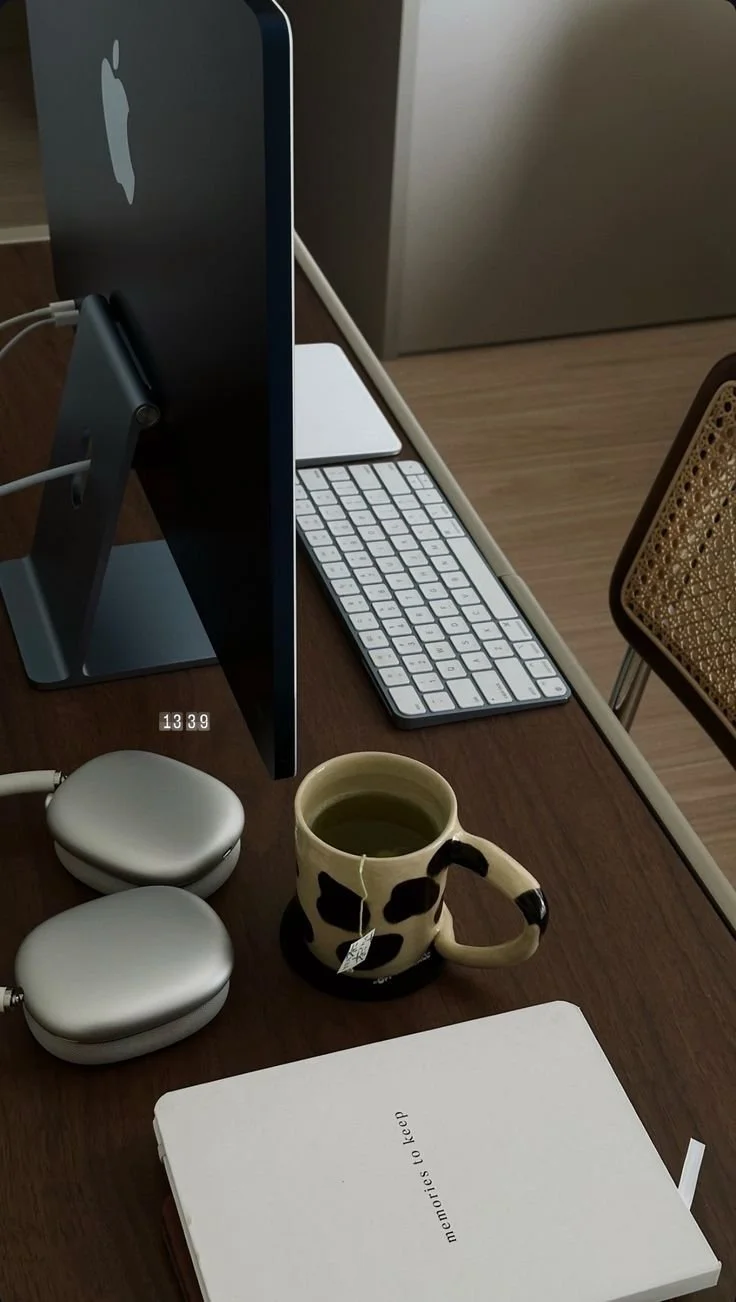
Your desk setup plays a crucial role in keeping your spine neutral and your shoulders relaxed. Position your monitor at a comfortable viewing height so that the top of the screen is at or slightly below eye level. Keep your keyboard and mouse within easy reach so you do not have to stretch or lean forward constantly.
Lighting and Accessory Considerations
These simple changes can make it much easier to maintain a relaxed, supported sitting position throughout your entire workday. Furthermore, ensuring you have adequate lighting can prevent you from leaning forward to squint at your screen.
Invest in a chair with proper lumbar support to maintain the natural curve of your lower back.
Use a footrest if your feet do not comfortably reach the ground after adjusting your chair height.
Place your primary monitor directly in front of you to prevent constant neck twisting.
Utilize a document holder to keep reference materials at the same height as your screen.
No. 3
Get Professional Advice
When to Seek Help
Sometimes, posture is difficult to deal with on your own, particularly if you are experiencing ongoing stiffness or discomfort. Seeking professional advice can help you understand whether your symptoms are related to muscular tension, everyday habits, or another underlying issue. A trained expert can provide a personalized assessment and create a targeted plan to address your specific structural concerns.
The Role of Chiropractic Care
Going to a professional like an Ace Chiropractic Scottsdale chiropractor may be a great option if you are living with back or neck discomfort alongside your posture concerns. A chiropractor can look at your musculoskeletal function and discuss appropriate care to help realign your spine. They can also identify any joint restrictions that might be preventing you from maintaining a healthy, upright posture.
Consulting Medical Professionals
Persistent or unexplained symptoms may also need to be looked at by a traditional medical professional or physical therapist. These experts can rule out underlying medical conditions and provide specialized exercises to rehabilitate weakened muscle groups.
Schedule a consultation if your posture-related pain begins interfering with your daily activities.
Discuss any numbness or tingling in your extremities with a qualified healthcare provider immediately.
Work with a physical therapist to develop a customized stretching and strengthening routine.
Consider massage therapy to release chronic tension in your neck and upper back muscles.
No. 4
Strengthen Your Muscles And Stay Active
The Importance of Core Strength
Your muscles support your body, so regular physical activity can help you feel stronger and more comfortable throughout the day. Exercises that target your core are especially important because these muscles act as the central support system for your spine. A strong core prevents your lower back from arching excessively and keeps your torso properly aligned.
Exercises for the Back and Shoulders
In addition to core work, strengthening your back and shoulders may improve muscular endurance and make everyday movement much easier. Many people suffer from weak upper back muscles due to constant slouching, which allows the chest muscles to become tight and overactive. Focusing on exercises that pull the shoulder blades back and down can help reverse this common imbalance.
Finding the Right Routine
Activities like swimming, Pilates, yoga, and strength training can all be incredibly useful, depending on your fitness level and individual needs. You do not necessarily need an intensive workout routine to see meaningful improvements in your daily posture.
Incorporate planks and bird-dog exercises to build deep core stability without straining your back.
Perform rows and reverse flyes to strengthen the muscles between your shoulder blades.
Practice yoga poses like the cobra or upward-facing dog to gently stretch a tight chest.
Commit to a manageable routine of twenty to thirty minutes of physical activity most days of the week.
No. 5
Don't Forget To Move
The Dangers of Prolonged Sitting
Even with a perfectly comfortable workstation, staying in one position for too long can leave you feeling stiff and uncomfortable. The human body is designed for movement, and static postures inevitably lead to muscle fatigue and reduced blood circulation. Rather than trying to maintain one supposedly perfect posture all day, focus on changing your physical positions regularly.
Incorporating Micro-Breaks
Getting up for a short walk, stretching gently, or simply standing for a few minutes can help reduce the discomfort associated with prolonged sitting. These micro-breaks give your muscles a chance to recover and prevent tension from building up in your neck and shoulders. Setting a timer for every thirty to forty-five minutes is a highly effective way to remind yourself to move.
Dynamic Posture Throughout the Day
Embracing the concept of dynamic posture means recognizing that your best posture is always your next posture. Shifting your weight, stretching your arms overhead, and doing gentle neck rolls can keep your joints lubricated and healthy.
Stand up and pace around the room whenever you are taking a phone call.
Perform gentle shoulder shrugs and neck stretches while waiting for your computer to load.
Invest in a height-adjustable standing desk to alternate between sitting and standing easily.
Take the stairs instead of the elevator to naturally incorporate more movement into your daily routine.
Takeaways
Improving your posture requires a combination of daily mindfulness, ergonomic adjustments, and consistent physical activity. By paying attention to your habits and strengthening your core muscles, you can significantly reduce tension and discomfort.
Creating a supportive workspace and taking regular movement breaks will prevent the stiffness associated with prolonged sitting. Small, manageable changes to your daily routine are often more effective than attempting dramatic lifestyle overhauls.
If you experience persistent pain or struggle to correct your alignment, seeking professional advice is always a wise decision. A medical professional or chiropractor can provide the personalized guidance you need to achieve lasting structural health.
Looking for wellness resources?
Are you looking to enhance your wellness routine? Explore our wellness partners who offer a wide range of resources to support your journey toward holistic living and well-being.