Iceland Road Trip Guide: Tips For A Perfect Drive
Iceland is one of those destinations where the journey can be just as memorable as the places you set out to see. One moment you are driving past enormous mountains, and the next you are watching waterfalls tumble over dark volcanic cliffs. You might even find yourself pulling over to admire a stretch of coastline that looks almost unreal.

While organized tours can be a convenient way to experience the country, having your own transport gives you something entirely different. It offers the freedom to explore at your own pace, change your plans, and discover places you might otherwise miss. In this article, we will explore the best strategies for planning an unforgettable self-drive adventure across this beautiful island.
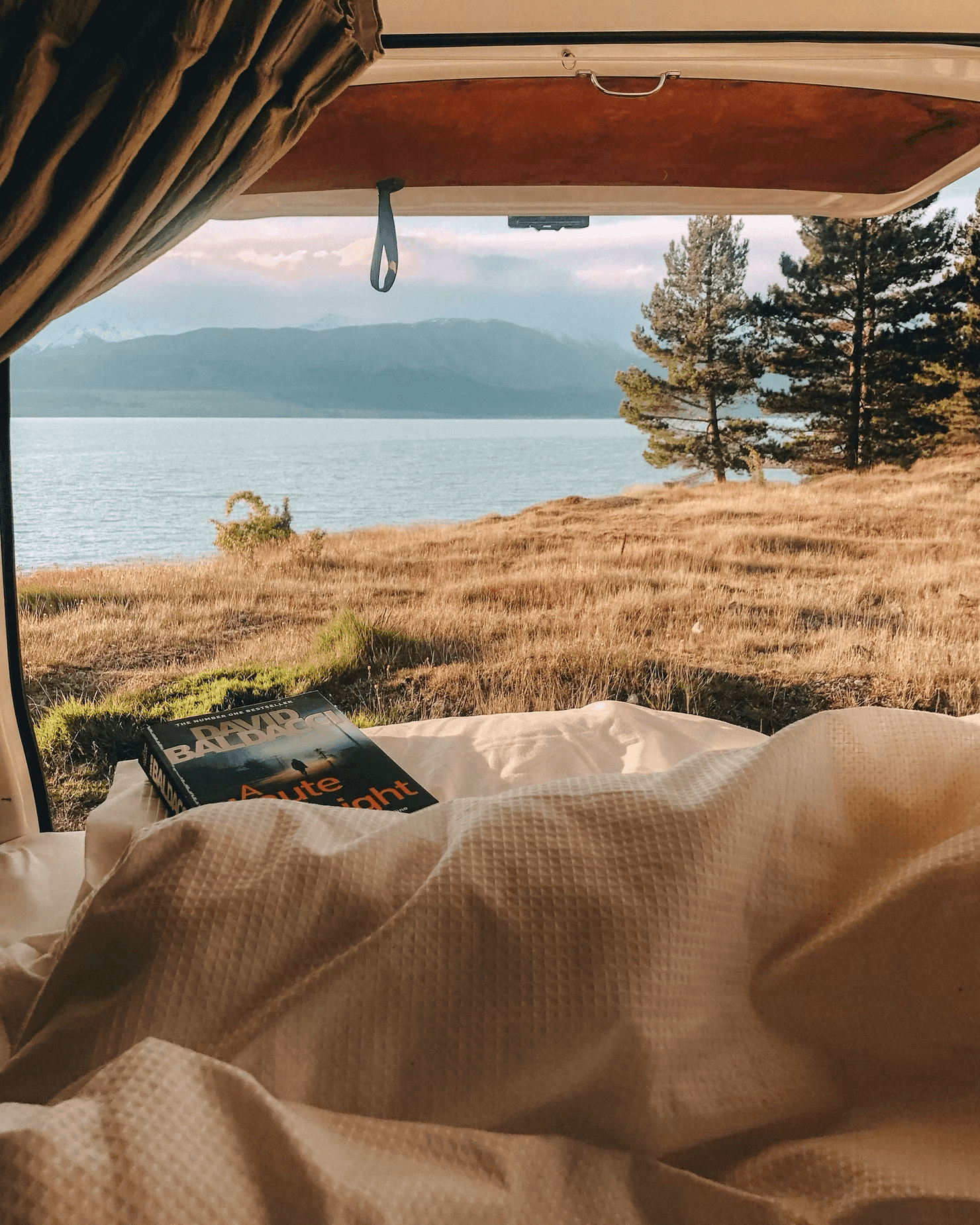
For travelers who want that ultimate flexibility, renting a vehicle from a company like Cozy Campers is highly worth considering. A campervan is a popular way to do exactly that, giving you a bed, a kitchen, and plenty of storage on wheels. This setup allows you to stop wherever the scenery calls to you, making your journey incredibly convenient.
Many travelers choose a campervan because it combines transport and accommodation in one seamless package. There is no need to book a new hotel each night or repack your luggage every single morning. It also makes it easy to start early, linger at a viewpoint you love, and cook a simple meal with a spectacular view.
Having your own vehicle can make it much easier to build an itinerary around your specific personal interests. You can avoid the stress of fitting every single experience into a rigid, crowded tour schedule. With a little preparation, you can enjoy the freedom of the open road while making sensible decisions about driving conditions.
No. 1
Plan a Route but Leave Room for Surprises
Navigating the Famous Ring Road
The famous Ring Road circles much of Iceland and connects many of its best-known natural attractions. This makes it an incredibly popular choice for visitors who want to see several different parts of the country. Along the way, you can discover stunning waterfalls, massive glaciers, charming fishing villages, and unique geothermal landscapes.
Understanding Travel Times
However, it is highly important not to underestimate the time these scenic journeys will actually take. Distances that look perfectly manageable on a map can become much longer when you stop for photographs or explore walking trails. You may also encounter difficult weather conditions that force you to reduce your driving speed significantly.
Creating a Flexible Itinerary
Rather than planning every hour of every day, choose a few places you genuinely want to visit. Leave plenty of open space around these main attractions to allow for spontaneous exploration and relaxation. You might spend a morning exploring the Golden Circle before continuing towards the beautiful south coast.
Dedicate an entire day to a particular region instead of squeezing in several distant attractions.
Allow extra time for unexpected detours when you spot an interesting signpost along the highway.
Keep a list of backup destinations in case your primary choice is too crowded or inaccessible.
Remember that having your own transport makes these last-minute scheduling decisions incredibly easy.
No. 2
Prepare for Unpredictable Weather
Monitoring Daily Forecasts
Iceland experiences weather patterns that can change quickly, even during the peak of summer. Bright sunshine can rapidly give way to heavy rain, strong winds, or dangerously low visibility. Checking the forecast and road conditions each morning should become a mandatory part of your daily routine.
Utilizing Official Resources
The official Icelandic weather service and road authorities provide highly useful, up-to-the-minute updates for travelers. It is incredibly wise to check these digital resources before setting out on your daily drive. Never rely solely on what the weather looks like outside your accommodation window, as conditions vary wildly by region.
Choosing the Right Clothing
Your clothing choices matter just as much as your itinerary when traveling through this rugged environment. Waterproof outer layers, warm thermal clothing, and sturdy walking shoes will make outdoor stops far more enjoyable. This is particularly true when visiting powerful waterfalls or exposed coastal areas where the wind is fierce.
Packing Smart Layers
Pack multiple layers that you can easily add or remove throughout the day as temperatures fluctuate. Keep these essential items accessible in your vehicle rather than buried beneath your heavy luggage. Most importantly, always be prepared to change your plans if weather conditions suddenly deteriorate.
Invest in a high-quality windproof jacket to protect against sudden coastal gusts.
Bring waterproof trousers to stay dry while walking near the mist of large waterfalls.
Wear thermal base layers made of merino wool to regulate your body temperature effectively.
Keep a spare pair of dry socks in your day pack for unexpected missteps near streams.
No. 3
Make the Most of Having Your Own Transport
Embracing Spontaneous Stops
One of the biggest advantages of traveling independently is being able to stop whenever something catches your attention. You can take a spontaneous detour to a quiet village or spend a few extra hours at a mesmerizing waterfall. You can also leave early to reach a popular attraction before the busiest part of the day arrives.
Creating Lasting Memories
These unplanned, quiet moments often become the cherished memories people talk about long after returning home. Having the freedom to dictate your own schedule allows you to connect more deeply with the landscape. You are never rushed back onto a tour bus when you simply want to sit and admire the breathtaking view.
Understanding Road Responsibilities
Nevertheless, this incredible freedom comes with a significant amount of responsibility for the driver. Iceland features roads that vary considerably, and some remote routes require much more preparation than others. If you plan to visit remote areas or travel on F-roads in the highlands, you must verify your vehicle type.
Navigating Challenging Terrain
You need to check whether your rental vehicle is legally permitted and suitably equipped for these rugged routes. Ordinary two-wheel-drive vehicles are completely unsuitable for highland roads, and river crossings can be particularly dangerous. Never assume that a road is safe simply because another traveler has driven it successfully.
Always check the official road administration website for real-time closure information.
Ensure your vehicle has sufficient ground clearance before attempting any highland routes.
Never attempt to cross a glacial river unless you have specific training and a suitable four-by-four vehicle.
Respect all road closure signs, as they are placed there to protect your life and the environment.
No. 4
Pack Smart and Keep Daily Essentials Handy
Organizing Your Vehicle
A self-drive holiday becomes much easier and more enjoyable when your vehicle is properly organized. Keep snacks, drinking water, electronic chargers, and a comprehensive first-aid kit within easy reach of the front seats. Having these items accessible prevents you from needing to unpack your entire trunk on the side of the highway.
Managing Fuel and Services
Fuel stations can be widely spaced in less populated areas, especially in the eastern and northern regions. It is highly recommended to refuel when convenient rather than waiting until the tank is nearly empty. It is also worth checking which specific services are available along your route ahead of time.
Preparing for Campervan Life
If you are traveling in a camper, you must think about the practical side of daily life alongside sightseeing. Plan exactly where you will stay overnight and make sure you understand the local camping rules. You should also make sure you know how to use the vehicle's heating and cooking facilities before setting off.
Respecting Camping Regulations
Wild camping is heavily restricted in many circumstances to protect the delicate natural environment. You must use permitted campsites and follow all current local regulations regarding overnight parking. A little organization means less time worrying about logistics and more time enjoying the stunning scenery.
Stock up on non-perishable groceries at larger supermarkets before heading into remote areas.
Download offline maps to your smartphone in case you lose cellular service during your drive.
Carry a physical credit card with a PIN, as many rural fuel pumps are entirely automated.
Keep a reusable water bottle handy, as Icelandic tap water is incredibly pure and safe to drink.
No. 5
Discover Iceland Beyond the Famous Attractions
Seeking Out Hidden Gems
The best-known landmarks in Iceland certainly deserve their stellar reputation, but some of the most rewarding experiences happen between them. A small fishing harbor, a quiet walking trail, or a cozy local cafe can provide a wonderful perspective on the country. Taking the time to explore these lesser-known spots will enrich your overall travel experience.
Balancing Your Itinerary
When you have your own transport, you can balance famous sights with slower, less structured days. This approach is far more relaxing than rushing frantically from one crowded attraction to the next. It allows you to truly absorb the unique culture and breathtaking atmosphere of the island.
The Secret to a Great Trip
The true secret to a great Iceland road trip is finding the perfect balance between preparation and spontaneity. You need to plan enough to stay safe, understand the vast distances involved, and make the most of your time. However, you should not make your schedule so rigid that you miss the pure joy of exploring.
Experiencing the Landscape
With your own transport, Iceland becomes much more than a simple checklist of places to visit. It becomes a dynamic landscape you can experience entirely on your own terms. You will discover the magic of the country one unexpected turn and unforgettable view at a time.
Ask locals for recommendations on quiet hot springs or scenic viewpoints away from the crowds.
Take the time to learn a few basic Icelandic phrases to use in rural shops and cafes.
Pull over at designated rest stops to safely photograph the roaming Icelandic horses.
Embrace the silence of the remote fjords by taking a peaceful morning walk along the shore.
Takeaways
Planning a road trip through Iceland requires a careful balance of structured preparation and open-minded spontaneity. Securing your own transport allows you to explore the stunning landscapes at a pace that suits your personal travel style.
Staying informed about unpredictable weather conditions and road safety is absolutely crucial for a successful journey. Proper packing and vehicle organization will ensure that you remain comfortable and secure throughout your entire adventure.
Venturing beyond the most famous tourist attractions reveals the quiet, authentic beauty of the Icelandic countryside. Embracing this freedom ensures that your journey will be filled with unique discoveries and unforgettable memories.
Looking for Travel resources?
Looking to embark on a transformative journey to discover new cultures, expand your horizons, and reconnect with yourself? Explore, learn, and awaken your wanderlust with our travel partners designed to support you on your next getaway.