Wine Country Without The Worry: How To Savor A Tasting Day Fully
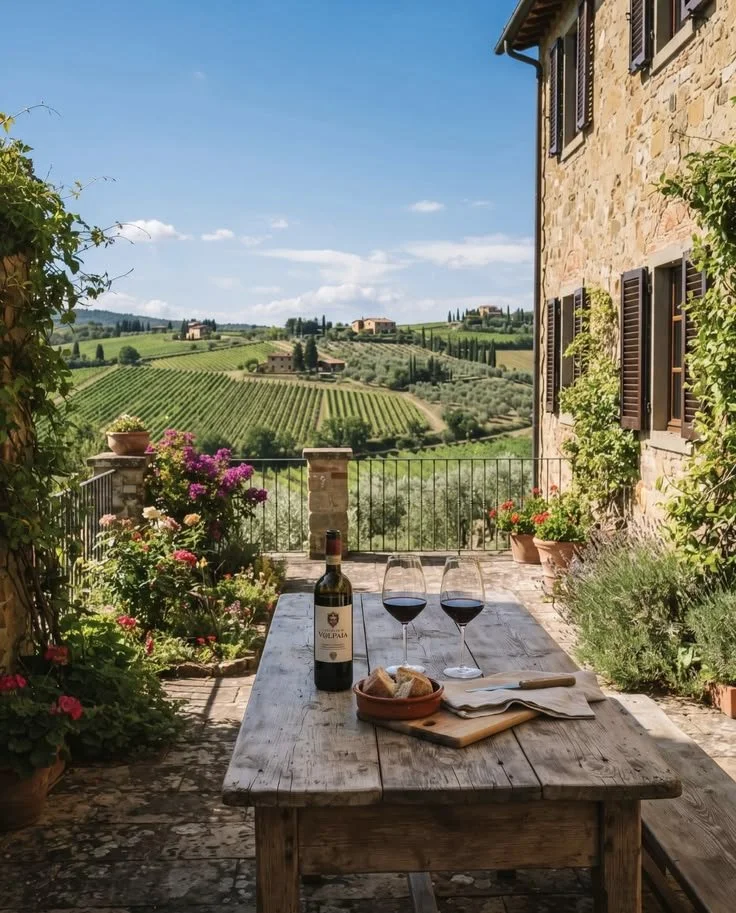
A wine tasting day can be an amazing and wholesome experience. Imagine the sun shining gently through the vines as someone hands you a glass of a wine you would have never selected on your own, and time just seems to expand. This type of experience should be enjoyed without that nagging feeling that there are details, admin, and restrictions you need to manage.

That nagging logistics is often why so many tasting experiences are average. People spend the morning worrying about directions, in the afternoon being careful with your pours because someone has to drive, and by the end of the day feeling glad it’s all over because you’re exhausted. That is not savoring a day out; that is managing it.
In this article, we will explore how to plan a wine tasting day that feels unhurried, comfortable, and genuinely memorable, with practical guidance on pacing, transportation, tasting technique, and building an itinerary that leaves space for enjoyment.
No. 1
Why a Tasting Day Deserves More Than a Rushed Itinerary
You are rewarded in wine country when you take your time. Luxury travel has moved away from chasing as many stops as possible, and savvy travelers increasingly want experiences that allow you to slow down and reconnect rather than tick boxes. An afternoon at a vineyard is most enjoyable when treated as a sensory experience, not as something to be rushed through.
Seeing it that way changes how you plan a day out. Rather than asking how many wineries you can reach, think about how you want to feel by day’s end: unhurried, present and satisfied. When you plan around the feeling, your decisions become simpler: fewer stops, more time at each, and less time spent in transit or checking the clock.
What “Rushed” Usually Looks Like
Overbooking wineries, then arriving late and feeling flustered
Spending more time driving and parking than tasting and enjoying
Skipping food to “fit everything in,” then feeling tired too early
Treating tastings like errands instead of experiences
Leaving without remembering what you actually loved
What a Well-Planned Day Feels Like Instead
You arrive with time to settle in and take in the setting
You can ask questions without feeling like you’re holding up the pour
You can sit, snack, and enjoy the view between flights
You remember the wines because your senses are not overloaded
The day ends with energy, not exhaustion
No. 2
The One Decision That Changes the Whole Day
The most rewarding decision for most wine-tasting experiences is to have transportation arranged. Once you’ve decided to get rid of the transportation issue, all of the other challenges are relatively easy to manage. No one needs to be the “designated driver,” drinking water more than wine or taking half-full glasses with resentment. Just show up, enjoy, and let someone else deal with traffic.
Booking a private car service for the day turns the drive itself into part of the pleasure rather than a chore bookending it. Since most vineyards are usually located out in the country, and they’re never close enough to each other to walk, you’ll need reliable transportation no matter how many vineyards you visit.
Why Transportation Is the Hidden Stress Multiplier
Routes can be rural, poorly signposted, or patchy for mobile signal
Parking can be limited, especially on weekends and peak seasons
Timing matters because most tastings run on reservations
Driving demands constant attention, which undercuts relaxation
Alcohol and driving concerns can create low-level anxiety all day
Options to Consider Before You Book Tastings
Private car service
Best for a seamless, premium experience with maximum flexibility
Local driver or dedicated chauffeur for the group
Works well when you want a consistent schedule without multiple pickups
Organized small-group wine tour
Helpful if you want a social experience and less planning responsibility
Staying within one estate or wine village
Ideal if you want to minimize transit and build the day around one location
Once transport is solved, you can plan the rest of the day with calm, because your timing becomes predictable and your group can fully participate in the tasting.
No. 3
How to Actually Taste, Not Just Drink
Once your logistical concerns have been addressed, you are free to focus on the wine and the experience. There is no need to be an expert when it comes to tasting wine; all you need to do is pay attention and be curious.
If there is one counterintuitive “rule” above all others which will help guide you, it is do not be afraid to spit. In a tasting setting, spitting does not imply rudeness. Rather, spitting provides you with the opportunity to taste as many as a dozen different wines while also remembering the first wine you tasted. It also helps you maintain your palate and energy, especially across multiple stops.
A Simple Tasting Framework You Can Use Anywhere
Look
Notice clarity, colour, and intensity before you swirl
Swirl
Aerate the wine to release aroma compounds
Smell
Take a short sniff, then a deeper one to identify key notes
Sip
Take a small sip and let it coat your palate
Notice structure
Pay attention to acidity, tannins, sweetness, and body
Finish
Observe what lingers and for how long after swallowing or spitting
Habits That Make the Experience Richer
Try to go from light to full-bodied, and white wines before reds. Save the boldest or sweetest wines until last.
Take time drinking each wine and recognize both its aroma and flavors and note the finish after swallowing the wine.
Ask the person pouring the next glass what they think you should be looking for, as most pourers love talking about their wines.
Go easy on perfumes, chewing gum, and avoid eating strong food before arriving at the winery, as these can dull your senses and limit your ability to clearly distinguish the aromas and flavors of the wines.
Don’t worry about being sophisticated; simply enjoy tasting more and remember that tasting is where the joy lies.
Questions Worth Asking the Person Pouring
What is distinctive about this vineyard or plot compared to others nearby?
What food would you pair with this wine at home?
Is this meant to be enjoyed young, or does it age well?
What is the winemaking style here, and how does it show up in the glass?
If I like this, what else should I try next?
These questions keep you engaged, help you learn quickly, and often lead to off-menu recommendations or small pours you might not otherwise try.
No. 4
Pacing Yourself So the Day Stays Lovely
Wine country can be a great experience, but it’s easy to lose track of how much you’re drinking (and thus how tired you’ll feel later) even if someone else is doing the driving. The most reliable trick is also the least glamorous: drink water alongside the wine. When you alternate each drink with water and leave time between pours, you stay hydrated and pace yourself without any effort.
Also, don’t skip eating. As a general rule, an actual meal, whether at home before you go out or eaten at the winery itself, makes the whole thing move along more slowly. Many wineries serve food on-site and would love to see a picnic basket arrive with you. Taking a break in between wines gives you a chance to reset your palate, so the next set of wines you taste will land as sharply as the first ones did.
A Practical Pacing Plan for a Full Day
Before the first tasting
Eat a real meal with protein and complex carbs
During each tasting
Alternate wine with water, even if you feel fine
Between wineries
Take at least 15–30 minutes to reset, stretch, and snack
Midday
Schedule a longer lunch so the day does not become a blur
Late afternoon
Consider one final tasting that is slower and more scenic, not the most intense
Signs You Should Slow Down
You stop noticing aromas and everything tastes “the same”
You feel unusually warm, sleepy, or unfocused
Your palate feels dulled or overly sensitive to alcohol
You are more interested in finishing the tasting than enjoying it
Pacing is not about restricting yourself; it is about protecting the quality of the experience so that each wine still feels distinct and enjoyable.
No. 5
Building an Itinerary That Breathes
Don’t think about booking five wineries and racing from one place to another. Choose three destinations maximum for a full day out, but choose only two if you like to linger. You’re choosing quality over quantity, so a little homework pays off: research each winery before you go and build the day around the ones that genuinely appeal.
A calm itinerary is also more resilient. If a tasting runs long, traffic slows, or you discover a place you love, you will have space to adapt without stress.
A Few Planning Notes Worth Keeping
Book reservations beforehand, especially during the weekend and when there will be a group of people greater than a couple.
Pair a large winery with expansive views alongside a small family-owned winery to provide contrast throughout your day.
Leave a loose gap in the afternoon so a good stop can run longer than planned.
A Balanced Two-Stop vs. Three-Stop Structure
Two-stop day
One structured tasting with education and a cellar story
One relaxed, scenic tasting with time to sit and snack
Best for couples, smaller groups, and people who value lingering
Three-stop day
One lighter, earlier tasting to warm up the palate
One main tasting before or after lunch
One final stop designed for ambience, views, or a favourite varietal
Best for groups that enjoy variety and want a fuller overview of the region
What to Look for When Choosing Wineries
Style match
Pick places that focus on wines you actually enjoy, plus one wild card
Experience type
Tasting bar, seated flight, vineyard tour, cellar tasting, blending class
Atmosphere
Quiet and intimate versus lively and social
Food options
On-site restaurant, light bites, picnic permission
Purchase and shipping policies
Useful if you want to buy bottles without worrying about travel logistics
No. 6
The Small Touches That Make It an Occasion
There are usually just a couple of small details that separate a very good day from a truly unforgettable one. Wear comfortable clothing and shoes to feel unrestricted and walk through the vineyards. Bring a small cooler or basket if you plan to buy bottles, so your finds survive the ride home. Put your phone away when possible and allow yourself time to enjoy the scenery and people you are with.
These are not rules so much as permissions to treat the day as something worth marking. When you plan for comfort and presence, you create the conditions for the kind of conversations and memories that make wine country special.
Simple Comfort and Enjoyment Essentials
Comfortable shoes suitable for gravel, grass, and uneven paths
A light layer, because tasting rooms and afternoons can cool quickly
Water in the car so hydration is automatic between stops
A small notebook or phone note for favourites and quick impressions
A cooler bag if you expect to buy bottles, especially in warmer weather
How to Make the Day Feel Personal
Choose one winery with a story you care about, such as a family history or a sustainability focus
Set a theme for the day, such as sparkling wines, Pinot Noir, or “hidden gems”
Pick a shared bottle at the end to remember the trip, instead of buying many without a plan
Build in a scenic stop that is not a winery, such as a viewpoint or quiet walk through vines
No. 7
Presence Is the Real Souvenir
It's not about the bottles you take home. It’s about being present. Being able to taste at your own pace, talk as much or little as you like, and watch the sun shine through the vineyard.
So take your foot off the gas pedal, and let someone else drive. Remove those small worries from a typical wine day, and you’ll be left with the reason you went in the first place: Time. And not just any time, but time that will feel richer than rushed.
Ways to Protect Presence Throughout the Day
Keep your schedule light enough that you do not need to watch the clock
Choose seated tastings when possible to encourage slower sipping
Take short pauses to look around before moving to the next pour
Let conversation lead, rather than trying to “cover everything”
End the day before you feel depleted, not after
Takeaways
A wine tasting day is most enjoyable when it is treated as a sensory experience rather than a checklist of stops. Planning for unhurried time helps you remember the wines, the setting, and the people you are with.
Arranging transportation changes the entire rhythm of the day by removing the biggest source of stress and limitation. With logistics handled, you can focus on tasting well, pacing yourself, and staying comfortable from the first pour to the last.
A breathable itinerary, steady hydration, and small comfort touches keep the experience elevated without making it complicated. When you protect presence, you leave with something better than bottles: a day that felt genuinely expansive.
Looking for Travel resources?
Looking to embark on a transformative journey to discover new cultures, expand your horizons, and reconnect with yourself? Explore, learn, and awaken your wanderlust with our travel partners designed to support you on your next getaway.