Posts in travel
When Vacations Go Wrong

Vacations are meant to be a time of rest, relaxation, and rejuvenation. You spend months planning the perfect getaway—saving money, researching destinations, and imagining smooth travel and unforgettable memories. But no matter how well you prepare, things can still go wrong. Delays, accidents, and unexpected incidents can quickly turn a dream trip into a financial and emotional nightmare.


Expedia - Casa Paramita spa boutique hotel


In this article, we’ll explore the most common vacation mishaps, the financial and legal consequences they can bring, and—most importantly—how to prepare yourself so that a bad situation doesn’t spiral into a disaster. From travel disruptions to injuries abroad, we’ll show you how to protect your time, money, and peace of mind.

No. 1

The Reality of Travel: Not Every Trip Goes as Planned

Vacations are supposed to be a break from stress. You plan for months, save your money, and envision smooth travel with happy memories. But unfortunately, not every trip unfolds as expected. Delays happen. Accidents occur. And then there are the truly unpredictable events that can turn a relaxing holiday into a costly ordeal.

Being aware of what can go wrong doesn’t mean you’re inviting bad luck—it means you’re being smart. Preparation limits the damage when things don’t go according to plan.

A Real-World Example: Cruise Collisions

Imagine booking yourself on a luxurious cruise, only to find yourself involved in a boat collision cases. These incidents, while rare, do happen—not only on cruises but also during ferry rides and recreational water tours. The fact that legal protections exist for these scenarios is proof of how quickly a fun activity can become dangerous, expensive, and legally complicated.

No. 2

Common Vacation Problems You Should Know About

1. Travel Disruptions

Travel disruptions are among the most common vacation issues. Flights get delayed or canceled. Hotels overbook rooms. Prepaid tours can be canceled without notice. These problems often lead to:

  • Unexpected expenses for lodging or meals

  • The need to book alternative transportation

  • Lost time and missed experiences

  • Frustration and uncertainty with little to no compensation

Many travelers end up paying out of pocket, hoping for refunds later—refunds that may never come.

2. Accidents and Injuries

Accidents can happen anywhere, especially when you're in unfamiliar environments. Whether you're out with friends, exploring nightlife, or participating in adventurous activities, risks are always present:

  • Slips and falls in bars or restaurants

  • Car accidents on busy roads

  • Water-related injuries during swimming, boating, or diving

Medical care abroad can be expensive, and in many countries, you’ll need to pay upfront before receiving treatment. Even minor injuries can lead to:

  • Unexpected medical bills

  • Lost vacation time

  • Additional travel costs

  • Emotional stress

No. 3

The Financial Impact of a Vacation Gone Wrong

When things go wrong on vacation, the financial consequences can escalate quickly. Consider the following:

  • Emergency medical treatment can cost thousands of dollars

  • Flight changes or cancellations often come with penalties

  • Unused reservations for hotels or tours may not be refundable

  • Lost income from missing work due to injury or extended delays

Many travelers assume that airlines, hotels, or tour operators will automatically cover these costs. Unfortunately, that’s rarely the case. Refunds and compensation are often limited by:

  • Company policies

  • Local laws

  • Fine print in contracts

Without travel insurance or legal support, recovering your losses can be extremely difficult.


hellolovelyliving expedia

Expedia

From weekend getaways to once-in-a-lifetime adventures, Expedia makes booking travel effortless—explore, compare, and go further with confidence.


No. 4

Legal Complications Abroad: What You Need to Know

Every country has its own set of laws and regulations, and when legal issues arise abroad, they become far more complex.

Here’s why:

  • Different legal systems may not offer the same protections you’re used to

  • Language barriers can make it difficult to understand your rights

  • Jurisdiction clauses in travel contracts may require disputes to be resolved in specific locations

  • Short deadlines may apply for filing claims or lawsuits

If your incident involves negligence—such as poor maintenance, unsafe conditions, or lack of warning signs—you may be entitled to compensation. But proving fault requires:

  • Proper documentation

  • Photos of the scene

  • Names and contact information of witnesses

  • Medical reports

  • Written incident reports

Without these, your chances of winning a legal case are significantly reduced.

No. 5

How to Protect Yourself Before You Travel

Preparation is your best defense against financial and legal trouble while traveling. Here are some essential steps to take before you leave:

Purchase Comprehensive Travel Insurance

  • Covers medical emergencies, cancellations, lost luggage, and more

  • Read the fine print to understand what’s included and excluded

  • Choose a policy that includes legal support if needed

Know Your Rights

  • Research the consumer protection laws in your destination country

  • Understand the terms and conditions of your bookings

  • Save all receipts, contracts, and communication with service providers

Document Everything

  • Take photos of your hotel room, rental car, or tour equipment upon arrival

  • Keep a copy of your passport, insurance, and emergency contacts

  • If an incident occurs, gather as much evidence as possible immediately

Choose Reputable Providers

  • Book through trusted travel agencies or platforms with strong customer service

  • Read reviews and check for safety certifications

  • Avoid deals that seem too good to be true—they often are

Takeaways

Vacations are meant to be joyful, but the unexpected can happen. In this article, we’ve outlined how travel disruptions, accidents, and legal complications can derail your plans—and how you can prepare to minimize the impact.

The key takeaway? Preparation is power. By understanding the risks and taking proactive steps—like buying insurance, documenting your trip, and knowing your rights—you can protect yourself from the financial and emotional toll of a vacation gone wrong.

A single incident doesn’t have to ruin your entire trip—or your finances. With the right mindset and preparation, you can travel smarter, safer, and with greater peace of mind.

So go ahead—book that dream vacation. Just make sure you’re ready for anything.

Looking for Travel resources?

Looking to embark on a transformative journey to discover new cultures, expand your horizons, and reconnect with yourself? Explore, learn, and awaken your wanderlust with our travel partners designed to support you on your next getaway.
Learn more


travelHLL x Editor


Cancelled Flights During Holidays Or Peak Season: Passenger Rights

Traveling during holidays or peak seasons is often filled with excitement, anticipation, and the joy of reconnecting with loved ones or exploring new destinations. However, it also comes with a higher risk of travel disruptions—especially flight cancellations. These unexpected changes can be incredibly stressful, particularly when travelers are unsure of their rights or how to respond effectively.


In this article, we’ll guide you through everything you need to know about cancelled flight compensation. From understanding when you're eligible to how much you can receive, and the exact steps to claim what you're owed, this comprehensive guide is designed to help you stay informed, organized, and empowered. Whether you're traveling for business or leisure, knowing your rights can turn a stressful situation into a manageable one.

No. 1

When Passengers Are Eligible for Compensation

It’s important to note that not all flight cancellations qualify for compensation. Your eligibility depends on several key factors, including the cause of the cancellation and how much notice the airline provided.

Passengers are typically entitled to compensation when:

  • The cancellation was within the airline’s control, such as due to operational or technical issues.

  • The airline notified passengers less than 14 days before the scheduled departure.

However, extraordinary circumstances—events beyond the airline’s control—usually exempt the airline from paying compensation.

These include:

  • Severe weather conditions

  • Political unrest

  • Natural disasters

  • Air traffic control restrictions

  • Strikes by airport staff or air traffic controllers

It’s worth noting that strikes by the airline’s own staff (such as pilots or cabin crew) are generally not considered extraordinary, and in such cases, passengers may still be eligible for compensation.

Even if compensation isn’t applicable, airlines are still obligated to provide assistance, including meals, refreshments, and rebooking options or refunds.

No. 2

How Much Compensation Can Passengers Receive?

Compensation amounts are regulated under EU Regulation 261/2004, offering passengers a clear and structured framework. The amount you may receive depends primarily on the distance of the flight and the delay in reaching your final destination.

Here’s a general breakdown:

  • €250 for flights up to 1,500 km

  • €400 for flights between 1,500 km and 3,500 km

  • €600 for flights over 3,500 km

However, if the airline offers an alternative flight that gets you to your destination with only a short delay, the compensation may be reduced by up to 50%.

In addition to financial compensation, passengers are entitled to care and support while waiting, which may include:

  • Meals and refreshments

  • Two free phone calls, emails, or faxes

  • Hotel accommodation (if an overnight stay is necessary)

  • Transport between the airport and the hotel

These rights apply regardless of whether the cancellation qualifies for compensation.

No. 3

Steps to Claim Compensation

Filing a claim for cancelled flight compensation can feel overwhelming, especially during busy travel periods. However, with a structured approach, the process becomes much more manageable.

Follow these steps to improve your chances of a successful claim:

  1. Collect Documentation

    • Save your boarding pass, booking confirmation, and any communication from the airline.

  2. Check Your Eligibility

    • Review the reason for the cancellation and the notice period to determine if you qualify.

  3. Submit a Claim

    • File a claim directly with the airline or use a professional service to assist.

  4. Keep Records

    • Document all interactions with the airline, including names of staff and timestamps.

  5. Follow Up

    • Airlines may take time to respond. Be patient, but persistent.

Being thorough and organized significantly increases the likelihood of receiving the compensation you’re entitled to.


hellolovelyliving monos

Monos

Inspired by the Japanese concept of mono no aware – the profound appreciation of the beauty in fleeting moments.

Designed with meticulous attention to detail, Monos’ travel goods combine timeless classics with an understated aesthetic for quality built to last.


No. 4

How Skycop Can Support You

For many travelers, especially those unfamiliar with aviation regulations, managing a compensation claim can be time-consuming and confusing. That’s where services like Skycop come in.

Skycop specializes in helping passengers claim compensation for cancelled, delayed, or overbooked flights.

Their team handles:

  • Communication with the airline

  • Legal documentation and case presentation

  • Follow-ups and negotiations

Skycop operates on a success-based model, meaning you only pay a fee if your claim is successful. This approach removes the financial risk and simplifies the process for travelers who may not have the time or knowledge to handle claims independently.

Using a professional service like Skycop can minimize errors, reduce delays, and maximize your chances of receiving fair compensation.

No. 5

Practical Tips for Travelers

Even with professional help, there are proactive steps travelers can take to improve their experience and protect their rights:

  • Check for alternative flights immediately after a cancellation to avoid long delays.

  • Document all delays and take photos of airport screens or written notices.

  • Keep receipts for any additional expenses (meals, transport, accommodation).

  • Stay informed about your rights under EU Regulation 261/2004 or local equivalents.

  • Remain calm and courteous when dealing with airline staff—it can make a big difference.

Being prepared and informed helps reduce stress and ensures you’re in the best position to assert your rights effectively.

Takeaways

Cancelled flights during holidays or peak travel seasons are undoubtedly frustrating—but they don’t have to ruin your journey. By understanding your rights and following a structured approach, you can minimize stress, recover financial losses, and continue your travels with confidence.

In this article, we’ve covered the essential aspects of cancelled flight compensation, including:

  • When passengers are eligible for compensation

  • How much compensation can be claimed

  • Step-by-step guidance for filing a claim

  • The benefits of using services like Skycop

  • Practical tips to stay organized and informed

Whether you choose to handle the claim independently or seek professional assistance, the key is to act promptly and stay informed. With the right knowledge and preparation, you can turn a frustrating disruption into a manageable detour—and ensure your travel plans stay on track.

Looking for Travel resources?

Looking to embark on a transformative journey to discover new cultures, expand your horizons, and reconnect with yourself? Explore, learn, and awaken your wanderlust with our travel partners designed to support you on your next getaway.

Learn more


travelHLL x Editor


Nomads In NZ: 10 Tips For Working Remotely And Traveling In New Zealand

New Zealand, with its breathtaking landscapes, rich Māori culture, and iconic Middle-earth filming locations, is a dream destination for travelers. But beyond its cinematic beauty and outdoor adventures, it’s also becoming a rising star among digital nomads. With fast public internet, relaxed visa options, and a laid-back lifestyle, it’s no wonder more remote workers are choosing to base themselves in this island paradise.


In this article, we’ll explore everything you need to know to thrive as a digital nomad in New Zealand—from what to pack and how to stay connected, to finding the best co-working spaces and navigating the visa process. Whether you're planning a short stay or considering a longer adventure, these tips will help you make the most of your remote working experience in Aotearoa.

No. 1

Pack Smart for New Zealand’s Unpredictable Weather

New Zealand’s climate is famously variable. You might wake up to sunshine, experience rain by noon, and end the day with a chilly breeze—all in the same location. The weather can differ greatly between the North and South Islands, and even within regions.

What to Pack:

  • Merino wool base layers – lightweight, breathable, and warm

  • Quick-dry pants and shirts – ideal for hikes and sudden showers

  • A light waterproof jacket – essential for unexpected downpours

  • Layering options – fleece or softshell jackets for cooler evenings

Being prepared for all seasons in a single day will help you stay comfortable and focused, whether you’re working from a café or hiking in the hills.

No. 2

Budget Wisely for Your Trip

While many of New Zealand’s top attractions—like its national parks and scenic drives—are free or low-cost, the country itself isn’t cheap. Accommodation, dining, and transportation can add up quickly.

Budgeting Tips:

  • Travel during shoulder seasons (spring and fall) for lower prices

  • Stay in hostels or shared accommodations to cut lodging costs

  • Shop at budget supermarkets like Pak’nSave and Countdown

  • Cook your own meals instead of eating out frequently

Make sure your income as a digital nomad can cover your expenses, or have a solid savings buffer before you go.

No. 3

Secure the Right Visa for Long-Term Stays

New Zealand has become more welcoming to long-term travelers and remote workers. If you’re under 30 (or 35 for some countries), the Working Holiday Visa is a fantastic option. It allows you to stay up to 12 months (or 23 months for UK and Canadian citizens) and work remotely or take on casual jobs.

Visa Tips:

You can find more information on the New Zealand Immigration website.


hellolovelyliving hopper

Hopper

The #1 most downloaded travel app in North America. Save up to 40% on travel costs + earn free travel rewards.

GET A $25 HOPPER TRAVEL VOUCHER

Use coupon code:

HELLOLOVELYLIVING


No. 4

Stay Connected with a Local SIM

Reliable internet is a must for any digital nomad, and New Zealand offers surprisingly strong connectivity—even in many remote areas.

Best SIM Providers:

  • Vodafone – great coverage and data packages

  • Spark – offers free Wi-Fi hotspots across the country

  • 2degrees – competitive pricing and solid coverage

Purchase a SIM card online before your trip or at the airport upon arrival. Also, consider setting up a VPN for added security while working on public networks.

No. 5

Research Co-Working Spaces and Wi-Fi-Friendly Cafés

New Zealand’s major cities offer a growing number of co-working spaces and laptop-friendly cafés, perfect for staying productive on the road.

Top Co-Working Spaces:

  • BizDojo – locations in Auckland and Wellington

  • Qb Studios – stylish spaces in Christchurch

  • The Workshop – a creative hub in Dunedin

Best Cities for Café Work:

  • Wellington – known for its café culture and strong coffee

  • Auckland – diverse options from hipster joints to quiet corners

  • Christchurch – a growing tech scene with modern workspaces

Always check Wi-Fi quality and café etiquette before settling in. Some central cafés can be pricey, so explore side streets for budget-friendly options.

No. 6

Find Hostels and Hotels Geared Toward Digital Nomads

You’ll find many hotels and hostels throughout New Zealand, ranging from luxury lodges to budget backpacker hostels. Many hostels now cater specifically to digital nomads, offering communal workspaces and fast Wi-Fi.

Recommended Nomad-Friendly Stays:

  • Nomadz Hostels – locations in Queenstown and Wellington

  • Trek Global – a popular choice in Wellington

  • Urbanz – modern hostel in Christchurch

  • Lylo – stylish pod-style hostel in Auckland

  • Tahuna Pod Hotel – a unique and cozy option in Queenstown

Look for accommodations with shared lounges, kitchen facilities, and dedicated work areas to stay productive and social.

No. 7

Use Transport Cards to Navigate Cities Efficiently

Public transport in New Zealand’s cities is efficient and affordable—especially with the right travel card.

Useful Transport Cards:

  • AT HOP card – for buses, trains, and ferries in Auckland

  • Snapper card – for Wellington’s public transport

  • Bee Card – used across various regions

  • Motu Move – a new nationwide system being introduced

These cards offer discounted fares and make commuting seamless, especially if you’re staying in one city for an extended period.

No. 8

Hire a Car for Ultimate Freedom

While public transport works well in cities, many of New Zealand’s most stunning destinations are off the beaten path. Renting a car gives you the freedom to explore at your own pace.

Driving Tips:

  • Kiwis drive on the left—UK and Australian drivers will feel at home

  • Apply for an International Driving Permit if your license isn’t in English

  • Use comparison websites to find the best car rental deals

Driving through New Zealand is a joy, with scenic routes like the Southern Alps, Milford Road, and the Coromandel Peninsula offering unforgettable views.

No. 9

Bring a Portable Power Bank for Outdoor Adventures

If you plan to work or stay connected while exploring New Zealand’s great outdoors, a portable power bank is essential.

Recommended Outdoor Locations:

  • Fiordland National Park – home to Milford Sound and lush rainforests

  • Tongariro National Park – famous for its volcanic landscapes and Alpine Crossing

  • Aoraki/Mount Cook National Park – stunning glaciers and mountain views

Also, don’t forget a Type I power adapter for charging your devices at hostels and cafés. A padded laptop sleeve is also a smart investment if you’ll be backpacking.

No. 10

Set Aside Time to Disconnect and Explore

One of the biggest perks of being a digital nomad is flexibility—but that doesn’t mean you should be plugged in 24/7. New Zealand’s natural beauty is best enjoyed offline.

Ways to Unplug:

  • Go hiking or camping in remote areas

  • Take digital detox weekends to reset your creativity

  • Join group tours or local experiences to meet people and immerse yourself in Kiwi culture

Protect your gear when you’re off the grid, and always be mindful of where you store your belongings. A little caution goes a long way in preserving both your tech and your peace of mind.

Takeaways

New Zealand is more than just a travel destination—it’s a lifestyle. For digital nomads, it offers the perfect blend of natural beauty, modern amenities, and a welcoming culture. Whether you’re working from a lakeside cabin, a buzzing café in Wellington, or a co-working space in Auckland, you’ll find the inspiration and infrastructure you need to thrive.

In this article, we’ve covered everything from packing tips and visa advice to co-working spaces and transport hacks. With the right preparation, New Zealand can be a productive, enriching, and unforgettable chapter in your remote working journey.

So pack your laptop, grab your hiking boots, and get ready to explore one of the world’s most stunning and nomad-friendly countries. Your Kiwi adventure awaits.

Looking for Travel resources?

Looking to embark on a transformative journey to discover new cultures, expand your horizons, and reconnect with yourself? Explore, learn, and awaken your wanderlust with our travel partners designed to support you on your next getaway.
Learn more


travel, businessHLL x Editor


Denver To Vail Shuttle - Winter Holidays At A Luxury Resort

Nestled in the heart of the Colorado Rockies, Vail stands as one of the most iconic winter destinations in the United States. Known for its world-class ski slopes, charming alpine village, and vibrant seasonal events, it attracts thousands of visitors each year—especially during the festive winter months. However, as magical as Vail is, getting there during winter can be a challenge due to unpredictable weather and mountainous terrain.


In this article, we’ll explore why choosing a Denver to Vail shuttle—especially a private transfer—is the smartest, safest, and most enjoyable way to begin your mountain getaway. From what to expect during the winter season in Vail to the benefits of private transportation, this guide will help you plan your journey with ease and confidence.

No. 1

Winter Holidays in Vail: What to Expect

Winter in Vail officially kicks off in late November and peaks during the holiday season, especially around Christmas and New Year’s. During this time, the town transforms into a winter wonderland, offering not only pristine ski conditions but also a festive atmosphere filled with events and celebrations.

Seasonal Highlights:

  • Torchlight parades and fireworks displays

  • Holiday concerts and live performances

  • Christmas markets and local street shows

  • Après-ski parties and themed celebrations

Whether you're a seasoned skier or simply looking to soak in the holiday spirit, Vail offers an unforgettable winter experience.

No. 2

Places Worth Visiting in Winter

Vail is more than just a ski resort—it's a cultural and culinary destination wrapped in alpine charm. While the slopes are a major draw, the town itself offers plenty of attractions that make your stay even more memorable.

La Tour Restaurant

Food is an essential part of any travel experience, and La Tour Restaurant is a culinary gem in Vail. Known for its refined menu crafted from locally sourced ingredients, this fine-dining spot is perfect for a cozy evening after a day on the slopes. Due to its popularity during winter events, reservations are highly recommended.

Vail Village Art Galleries

Vail Village doubles as a cultural hub, showcasing art galleries that feature works by talented local and regional artists. These galleries offer a peaceful retreat from the bustling ski scene and provide a glimpse into the creative soul of the Rockies.

Gore Creek Path

If you enjoy hiking in the summer, you’ll love a winter walk along the Gore Creek Path. This scenic trail winds through snow-covered landscapes, offering tranquil views, glimpses of wildlife, and a chance to reconnect with nature.

No. 3

Getting to Vail in Winter

Vail is accessible via two main airports:

The drive from Denver to Vail spans approximately 100 miles and takes about two hours under ideal conditions. However, winter weather can drastically affect travel time. Snowstorms, icy roads, and heavy traffic—especially during peak season—can make the journey stressful for those unfamiliar with mountain driving.


hellolovelyliving viator

Viator

From guided tours of iconic landmarks to off-the-beaten-path adventures, explore a diverse selection of activities catered to your interests and preferences.


No. 4

Why a Private Shuttle is the Smartest Winter Travel Option

1. Safety First

Navigating snowy mountain roads requires skill and experience. A private shuttle ensures that a professional driver, familiar with local road conditions, is behind the wheel. This eliminates the stress of driving in unpredictable weather and allows you to relax and enjoy the ride.

2. Comfort and Convenience

Private shuttle services offer:

  • Door-to-door pickup and drop-off

  • Spacious, heated vehicles

  • Room for ski equipment and luggage

  • Flexible scheduling to match your flight arrival

Unlike shared rides or rental cars, private transfers are tailored to your needs, ensuring a smooth and personalized experience.

3. Enjoy the Scenic Route

The drive from Denver to Vail is breathtaking, passing through picturesque towns like Georgetown and scenic points like Vail Pass. With a private shuttle, you can fully appreciate the views without the distraction of driving. Some services even offer mini-tours or photo stops upon request.

4. Stress-Free Travel

No need to worry about:

  • Navigating unfamiliar roads

  • Dealing with traffic or road closures

  • Managing parking in a busy resort town

Your driver handles all the logistics, allowing you to start your vacation the moment you land.

No. 5

Additional Perks of Choosing a Private Shuttle

  • Flight tracking: Your driver monitors your flight and adjusts pickup times accordingly.

  • Local insights: Many drivers are locals who can recommend restaurants, trails, and hidden gems.

  • Luxury options: Choose from standard SUVs to high-end vehicles for a more premium experience.

A private shuttle from Denver to Vail isn’t just transportation—it’s a seamless extension of your vacation.

Takeaways

Vail is a winter paradise filled with adventure, culture, and charm. But to truly enjoy all it has to offer, your journey there should be just as smooth and memorable as your stay. While the scenic drive from Denver is part of the experience, the challenges of winter travel in the Rockies make a private shuttle the most reliable and comfortable option.

In this article, we’ve highlighted:

  • What to expect during Vail’s magical winter season

  • Must-visit spots in Vail Village

  • Travel logistics and airport options

  • The many advantages of choosing a private shuttle

Whether you're heading to Vail for skiing, holiday celebrations, or a peaceful mountain escape, starting your trip with a safe, private transfer ensures you arrive relaxed, refreshed, and ready to explore.

So sit back, enjoy the snowy vistas, and let a professional handle the drive. Your Vail adventure begins the moment you step into your private shuttle.

Looking for Travel resources?

Looking to embark on a transformative journey to discover new cultures, expand your horizons, and reconnect with yourself? Explore, learn, and awaken your wanderlust with our travel partners designed to support you on your next getaway.

Learn more


travelHLL x Editor


Traveling Smarter: Tech Tools That Make Exploring The World Easier

Travel has always rewarded curiosity, but the way we explore the world has undergone a remarkable transformation over the past decade. Gone are the days when planning a trip meant printing out itineraries and hoping for the best. Today, technology empowers travelers to adapt, explore, and connect in real time, with tools that enhance—not distract from—the experience.


In this article, we’ll explore how digital innovation is reshaping every aspect of modern travel. From flexible planning and stress-free navigation to smarter money management and meaningful memory-making, these tools are not just conveniences—they’re game-changers. Whether you're a seasoned globetrotter or planning your first adventure, understanding how to travel smarter can elevate your journey from ordinary to extraordinary.

No. 1

Planning That Feels Flexible Instead of Rigid

Trip planning used to be a rigid, one-shot commitment: book the flights, lock in the hotel, print the itinerary, and hope everything goes smoothly. But modern travel tools have flipped that mindset. Today, planning feels more like sketching in pencil than writing in ink.

Smarter Tools for Smarter Choices:

  • Google Flights lets travelers track price trends, revealing patterns that help optimize both cost and timing.

  • You might discover, for instance, that flying on a Tuesday morning in October is consistently cheaper than a Friday night departure—insight that could save enough to splurge on a food tour in Lisbon.

  • Platforms like Airbnb have evolved beyond accommodation—they now help travelers discover neighborhoods and experiences that align with their interests.

Planning is no longer about locking everything in—it's about staying agile and making informed decisions as your trip unfolds.

No. 2

Navigation That Reduces Stress Instead of Adding It

Getting lost once felt like a romantic part of the travel experience. But there’s a difference between wandering with purpose and wasting half your day confused at a bus terminal. Today’s navigation tools keep the adventure alive while removing the panic.

Tools That Keep You Moving:

  • Google Maps has become an indispensable travel companion, especially with offline maps that allow seamless navigation without data.

  • Public transit apps in cities like New York, Tokyo, or Berlin offer real-time updates, so you know exactly when the next train arrives.

  • With this knowledge, you stop sprinting and start observing—travel becomes less about rushing and more about soaking in your surroundings.

Navigation tech doesn’t kill spontaneity—it empowers it.

No. 3

Language Tools That Build Real Connection

Language barriers are no longer walls—they’re fences you can easily climb. With tools like Google Translate, travelers can move beyond basic word swaps into contextual understanding.

Real-Time Language Support:

  • Camera translation is a revelation—point your phone at a handwritten menu in rural Mexico and realize the soup of the day is exactly what you wanted.

  • These tools encourage effort. Travelers are more likely to try speaking the local language when they know they have backup.

  • Locals often respond positively to the attempt, creating authentic human connections.

Technology doesn’t replace interaction—it facilitates it.


hellolovelyliving monos

Monos

Inspired by the Japanese concept of mono no aware – the profound appreciation of the beauty in fleeting moments.

Designed with meticulous attention to detail, Monos’ travel goods combine timeless classics with an understated aesthetic for quality built to last.


No. 4

Money Management Without the Anxiety

Handling money abroad used to mean juggling cash, conversion rates, and vague math. Now, it’s far more transparent and secure.

Financial Tools That Empower:

  • Apps like Wise let travelers hold multiple currencies, pay like locals, and avoid hidden fees.

  • Real-time spending insights help you make smarter decisions—maybe you skip the overpriced taxi and discover a charming local café on foot.

  • Some travelers are exploring blockchain-based tools and top ethereum dapps for peer-to-peer payments, especially in regions with limited traditional banking.

Modern money tools reduce stress and increase freedom on the road.

No. 5

Packing and Gear That Thinks Ahead

Tech-savvy travel isn’t just digital—it’s physical too. Smart gear enhances comfort and security without adding bulk.

Essentials for the Modern Explorer:

  • Smart luggage with built-in GPS tracking eases layover anxiety.

  • Noise-canceling headphones turn chaotic terminals into peaceful retreats.

  • Portable battery packs ensure your devices stay powered when you need them most.

Experienced travelers know that less is more. The best gear solves real problems without weighing you down.

A photographer might prioritize cloud backups. A digital nomad might invest in a reliable mobile hotspot.

The smartest setup is the one you forget about—until you need it.

No. 6

Health and Safety Tools That Provide Quiet Reassurance

Health and safety are top priorities for any traveler. Fortunately, today’s tools offer peace of mind without the paperwork.

Digital Safety Nets:

  • Apps from providers like World Nomads give you instant access to insurance policies, emergency contacts, and hospital locations.

  • Wearables track sleep, hydration, and activity levels—key metrics for managing jet lag and staying healthy on the go.

When something goes wrong, having the right information at your fingertips makes all the difference.

No. 7

Capturing Memories Without Missing the Moment

We’ve moved beyond taking photos just for proof. Today, it’s about storytelling and intentional memory-making.

Smarter Ways to Document:

  • Cloud storage ensures your memories are safe, even if your device isn’t.

  • Editing apps let you enhance images later, so you can stay present in the moment.

  • The focus is on meaningful recall, not constant recording.

Technology should support memory, not distract from it.

No. 8

Learning From Other Travelers in Real Time

Perhaps the most profound shift in modern travel is the real-time access to shared experiences. Guidebooks are static. Communities are dynamic.

Peer-to-Peer Wisdom:

  • Platforms like TripAdvisor, Reddit travel forums, local Facebook groups, and local guides offer up-to-date insights.

  • You learn which attractions are unexpectedly crowded, which festivals are happening, or which hidden gems are worth the detour.

  • The smartest travelers give back—leaving reviews, sharing tips, and keeping the cycle alive.

Travel tech is most powerful when it’s a conversation, not a broadcast.

Takeaways

The future of travel isn’t about flashy gadgets or endless apps—it’s about using the right tools at the right time to enhance your experience. Whether it’s flexible planning, seamless navigation, or meaningful connections, smart travel is about being prepared, not overpacked.

In this article, we’ve explored how technology is reshaping:

  • Trip planning into a flexible, data-driven process

  • Navigation into a stress-free, intuitive experience

  • Language barriers into bridges for connection

  • Money management into a transparent, secure system

  • Packing into a thoughtful, problem-solving process

  • Health and safety into a digital safety net

  • Memory-making into intentional storytelling

  • Community knowledge into real-time guidance

As technology continues to evolve, some tools will fade while others become essential. But the goal remains the same: to travel more confidently, more curiously, and more meaningfully. When tech supports that mission, the world feels more open—and your journey becomes more rewarding.

So pack light, stay curious, and let smart travel tools guide you—not define you.

Looking for Travel resources?

Looking to embark on a transformative journey to discover new cultures, expand your horizons, and reconnect with yourself? Explore, learn, and awaken your wanderlust with our travel partners designed to support you on your next getaway.

Learn more


travelHLL x Editor


5 Reasons Why You Should Invest In An RV

Making the decision to buy a recreational vehicle is no small feat. It’s a significant financial commitment, and for many, it’s a lifestyle shift that redefines how they travel, relax, and connect with the world around them. But for those who take the leap, RV ownership often turns out to be one of the most rewarding investments they make—not just in terms of money, but in terms of freedom, flexibility, and unforgettable experiences.


In this article, we’ll explore five compelling reasons why buying an RV could be the best decision for your travel lifestyle. Whether you're a weekend explorer, a digital nomad, or someone craving more meaningful moments on the road, these insights will help you determine if RV ownership is right for you.

No. 1

You Gain the Freedom to Travel on Your Own Terms

One of the most powerful benefits of owning an RV is the sheer freedom it offers. No more rigid hotel check-ins, no more rushing to catch flights, and no more compromising your itinerary to fit someone else’s schedule. With an RV, you’re in control.

Why This Matters:

  • Leave when you want, return when you’re ready.

  • Stop spontaneously to explore hidden gems.

  • Adjust your route without the stress of cancellations or fees.

A simple road trip transforms into a fluid, personalized adventure where the journey becomes just as meaningful as the destination. For travelers who value spontaneity and independence, this kind of flexibility is priceless.

No. 2

RV Travel Can Be More Cost-Effective Over Time

At first glance, the price tag of an RV might seem intimidating. But when you break down the long-term savings, especially for frequent travelers, the numbers start to make sense.

How RVs Save You Money:

  • Accommodation: Skip pricey hotels and stay at a scenic, affordable RV park.

  • Dining: Cook your own meals in your RV kitchen instead of eating out.

  • Transportation: Combine your vehicle and lodging into one cost-efficient solution.

For families, extended trips, or retirees looking to travel more often, these savings can add up quickly. Over time, the cost of ownership can be significantly lower than traditional travel expenses—especially when you factor in the comfort and convenience.

No. 3

Comfort and Familiarity Make Travel Easier

Traveling can be exhilarating, but it can also be exhausting—especially when you're constantly adjusting to new beds, unfamiliar layouts, and unpredictable environments. An RV offers a consistent, comfortable space that moves with you.

The Benefits of Familiarity:

  • Sleep in your own bed every night.

  • Keep your belongings organized in one place.

  • Enjoy a private bathroom, kitchen, and living area—anywhere you go.

This level of comfort is especially valuable for families, pet owners, or anyone who prefers a sense of routine while on the road. With an RV, you never have to compromise on comfort to enjoy the adventure.


hellolovelyliving monos

Monos

Inspired by the Japanese concept of mono no aware – the profound appreciation of the beauty in fleeting moments.

Designed with meticulous attention to detail, Monos’ travel goods combine timeless classics with an understated aesthetic for quality built to last.


No. 4

RVs Encourage More Meaningful Experiences

RV travel isn’t just about getting from point A to point B—it’s about savoring the journey. Without the pressure of rigid schedules or crowded tourist traps, you’re free to explore at your own pace and connect with the world in a more intentional way.

Why RV Travel Feels Different:

  • Spend more time outdoors and less time in transit.

  • Discover small towns, scenic byways, and off-the-beaten-path destinations.

  • Enjoy slow mornings, campfire evenings, and spontaneous detours.

These slower, more immersive experiences often lead to deeper connections—with nature, with travel companions, and with yourself. RV life invites you to be present, to notice the details, and to appreciate the simple joys that traditional travel often overlooks.

No. 5

Proper Care Helps Protect Your Investment

Like any vehicle or property, an RV requires regular maintenance to stay in top shape. But with proper care, your RV can remain a reliable travel companion for many years—and even retain strong resale value.

Maintenance Tips for Longevity:

  • Schedule routine inspections (especially before and after long trips).

  • Keep the exterior clean and protected from the elements.

  • Winterize your RV if you live in colder climates.

  • Stay on top of engine, plumbing, and electrical system checks.

Owners who prioritize upkeep not only enjoy smoother trips but also maximize the long-term value of their investment. A well-maintained RV can serve you for decades—and when it’s time to upgrade or sell, you’ll likely see a solid return.

Takeaways

As we’ve explored in this article, buying an RV isn’t just about acquiring a vehicle—it’s about embracing a lifestyle that prioritizes freedom, comfort, and meaningful experiences. It’s about saying yes to spontaneous road trips, to waking up in nature, and to creating memories that don’t come with a checkout time.

For those who crave flexibility, value connection, and want to explore the world on their own terms, an RV can be one of the most fulfilling investments you’ll ever make. It’s not just about saving money or avoiding airports—it’s about choosing a way of life that feels more personal, more grounded, and more alive.

So if you’ve been dreaming of the open road, maybe it’s time to stop dreaming and start driving. Your adventure is waiting—and your RV might just be the key to unlocking it.

For more tips on RV travel, maintenance guides, and destination ideas, explore the rest of our blog and start planning your journey today.

Looking for Travel resources?

Looking to embark on a transformative journey to discover new cultures, expand your horizons, and reconnect with yourself? Explore, learn, and awaken your wanderlust with our travel partners designed to support you on your next getaway.

Learn more


travelHLL x Editor


Why 2026 Is The Year For Adventures

If you’ve been telling yourself that next year is the year you’ll finally travel more, then good news: 2026 is shaping up to be that year—and not just for you. There’s a collective shift happening, a rising tide of people choosing to stop saving adventures for “someday” and start actually packing their bags. The world is open, travel is more flexible than ever, and we’re all a little more aware that waiting forever is wildly overrated.


In this article, we’ll explore why 2026 is the perfect time to embrace travel, how the way we explore the world is evolving, and why this year is less about ticking boxes and more about feeling alive. From slow travel and regional escapes to the role of technology and shifting social mindsets, we’ll unpack what makes 2026 the year to stop hesitating and start moving.

No. 1

2026: The Year Travel Becomes Personal Again

One of the most exciting reasons to travel in 2026 is the way the entire experience is being redefined. Gone are the days when travel had to be expensive, exhausting, or perfectly planned. The new wave of adventurers is choosing freedom over formality, comfort over chaos, and meaning over metrics.

What’s Changing in 2026:

  • Flexibility is king: Road trips, staying in RV parks, and spontaneous detours are in.

  • Comfort meets adventure: You don’t have to choose between cozy and bold.

  • Burnout is real: People are craving experiences that feel different—not just busy.

After years of routines, screens, and non-stop notifications, there’s a collective craving for something real. And 2026 is the year we finally give ourselves permission to chase it.

No. 2

Adventures Don’t Have to Be Extreme

Let’s be honest—travel doesn’t need to be dramatic to be meaningful. In fact, some of the most powerful experiences come from the simplest moments: waking up somewhere new, eating food you didn’t cook, or spending an entire day outdoors without checking the time.

In 2026, Travel Is About:

  • Feeling human again: Less about bragging rights, more about presence.

  • Simplicity over spectacle: A quiet cabin can be just as powerful as a five-star resort.

  • Unplugging without disconnecting: You can put the phone down—but still use it to make the trip easier.

Technology is quietly making travel more accessible than ever. Planning apps, offline maps, translation tools, and seamless digital bookings remove much of the stress that used to keep people home. You don’t need to be fearless or fluent in three languages anymore. You just need to be curious—and yes, you’ll need a charger.

No. 3

The Rise of Local and Regional Travel

One of the most refreshing shifts in recent years is the growing love for local and regional adventures. People are realizing that some of the most incredible places aren’t across the ocean—they’re just a few hours away.

Why Local Travel Is Thriving:

  • Budget-friendly: No international flights or currency exchanges.

  • Easier to plan: Less paperwork, fewer logistics, more spontaneity.

  • Hidden gems: Scenic drives, national parks, coastal towns, and charming small cities.

These kinds of trips are not only more accessible, but they’re also more sustainable and less stressful. There’s no jet lag, no lost luggage, and no pressure to “see it all.” You can slow down, stay longer, and actually enjoy the journey.


Rock Solar

Eco-friendly portable power solutions for commercial use, homes, RVs, and campers and cabins. Harness clean energy, reduce your carbon footprint, and power your life sustainably.


No. 4

Experiences Over Souvenirs, Stories Over Schedules

Social trends are shifting—and fast. Travelers in 2026 are choosing experiences over souvenirs, and stories over schedules. Instead of racing through destinations, people are slowing down, doing less, and enjoying more.

The New Travel Mindset:

  • Stay longer, move slower: Deepen your connection to the places you visit.

  • Do less, feel more: Let go of the pressure to fill every hour.

  • Make memories, not checklists: Focus on what feels good, not what looks good.

This relaxed approach makes travel feel more achievable, even for people with limited vacation time. You don’t need a month off or a massive budget—you just need the right mindset.

No. 5

You Don’t Need a Reason—You Just Need the Decision

Perhaps the most powerful shift of all in 2026 is the collective agreement to stop waiting for the “right” time. You don’t need a promotion, a milestone birthday, or a dramatic life change to justify an adventure. You just need to decide that you’re ready.

Let Go of the Excuses:

  • “I’ll go when I have more time.”

  • “I’ll travel when I have more money.”

  • “I’ll wait until things calm down.”

The truth? Things rarely calm down. Time rarely appears out of nowhere. And waiting for perfect conditions only delays the experiences that could change your life. 2026 is about choosing movement over hesitation, and stories over excuses.

Takeaways

As we’ve explored in this article, 2026 isn’t just another year on the calendar—it’s a turning point. A moment when travel becomes more accessible, more personal, and more aligned with what we actually need: freedom, connection, and a break from the noise.

You don’t need to plan the perfect trip. You don’t need to go far. You just need to go.

Whether it’s a weekend getaway to a nearby town, a scenic RV adventure, or a slow journey through a national park, 2026 is your invitation to stop waiting and start living. Say yes to the road. Say yes to the unknown. Say yes to the version of yourself that’s been waiting for a little more wonder.

Because this year, the world isn’t just open—it’s calling.

For more travel inspiration, planning tips, and destination ideas that fit your lifestyle, explore the rest of our blog—and let 2026 be the year you finally go.

Looking for Travel resources?

Looking to embark on a transformative journey to discover new cultures, expand your horizons, and reconnect with yourself? Explore, learn, and awaken your wanderlust with our travel partners designed to support you on your next getaway.
Learn more


travelHLL x Editor


4 Non-City Travel Ideas For Adventurous Souls

When it comes to planning a vacation, many people instinctively gravitate toward the same destinations—New York, Miami, Los Angeles, Orlando. These iconic cities are packed with entertainment, culture, and energy, but they also represent just a small fraction of what’s possible when it comes to travel. If your recent getaways have started to feel a little too familiar, it might be time to break out of the city-break adventures cycle and explore something new.


In this article, we’ll introduce you to a variety of non-city vacation ideas that offer a refreshing alternative to the typical urban escape. From hiking through majestic national parks to cruising scenic train routes and exploring the open road in an RV, these travel experiences are designed to reconnect you with nature, adventure, and a slower, more meaningful pace of life.

No. 1

Take a Hiking Trip

There’s something deeply restorative about spending time in nature—and few vacations offer that experience quite like a hiking trip. Whether you're trekking through towering forests, climbing rugged peaks, or wandering along serene trails, hiking allows you to disconnect from digital noise and reconnect with what truly matters.

Why Choose a Hiking Vacation?

  • Digital detox: Escape the constant pings and notifications of everyday life.

  • Mental health boost: Studies show that time in nature reduces anxiety and depression.

  • Quality time: Strengthen bonds with friends or family through shared adventure.

  • Physical benefits: Improve your fitness while exploring breathtaking landscapes.

You don’t have to travel far to find world-class hiking destinations. The United States is home to an incredible array of trails, especially in and around its legendary National Parks. Consider exploring Yosemite, Sequoia, or even venturing north to Alaska for a once-in-a-lifetime wilderness experience. Each destination offers a different flavor of natural beauty, from granite cliffs and ancient trees to glaciers and alpine meadows.

No. 2

Go on an RV Adventure

If you love the idea of a road trip but want a bit more comfort than a car and a motel can offer, an RV adventure might be your perfect match. Combining the freedom of the open road with the convenience of a mobile home, RV travel lets you explore at your own pace—without sacrificing comfort.

Benefits of RV Travel:

  • Ultimate flexibility: Change your plans on the fly and follow your curiosity.

  • Home on wheels: Enjoy your own bed, bathroom, and kitchen wherever you go.

  • Nature immersion: Stay in scenic RV parks near beaches, mountains, and lakes.

  • Cost-effective: Save on hotels and restaurants while traveling in style.

For first-timers, renting an RV is a great way to test the waters. But don’t be surprised if you find yourself browsing RV listings after your trip—it’s a lifestyle that’s easy to fall in love with. Whether you’re parking beside a peaceful lake or waking up to mountain views, RV travel offers a unique blend of adventure and relaxation.

No. 3

Scenic Train Routes

In our fast-paced world, train travel is often overlooked in favor of quicker options like flying. But that’s exactly what makes it so special. Trains invite you to slow down, enjoy the journey, and soak in the scenery that you’d otherwise miss at 30,000 feet.

Why Train Travel is Worth It:

  • Uninterrupted views: Panoramic windows offer front-row seats to nature’s beauty.

  • Relaxed pace: No airport security lines or cramped airline seats.

  • Eco-friendly: A more sustainable way to travel long distances.

  • Romantic and nostalgic: There’s a timeless charm to life on the rails.

Some of the world’s most beautiful train journeys include:

Whether you’re taking a day trip or an overnight sleeper train, the journey itself becomes the destination.


hellolovelyliving cotswold

Cotswold Outdoors

Staying clean, feeling fresh, and being prepared for the outdoors is essential - shop Cotswold’s extensive collection of outdoor hygiene, personal care, and first aid products


No. 4

On the Seven Seas

If you’ve always dreamed of setting sail, there are more options than just mega cruises. While cruise ships offer plenty of amenities, there’s a whole world of smaller, more intimate sea journeys that can be just as rewarding—if not more so.

Alternative Ways to Explore the Water:

  • Ferry trips: Affordable and scenic, especially in regions like Scandinavia or Alaska.

  • Sailing charters: Rent a boat (with or without a skipper) for a personalized voyage.

  • River cruises: Explore inland waterways with comfort and charm.

  • Midnight sun adventures: In the Arctic, you can sail under a sun that never sets.

One particularly magical experience is taking a ferry during the midnight sun in the Arctic Circle. The surreal glow of the sun hanging low on the horizon at midnight is something you’ll never forget—and it’s surprisingly accessible for travelers on a budget.

Takeaways

As we’ve explored in this article, vacations don’t have to revolve around bustling cities and crowded attractions. There’s a whole world of travel experiences that offer something deeper—something more personal, peaceful, and profound.

Whether you’re hiking through national parks, cruising along scenic railways, exploring the open road in an RV, or sailing under the midnight sun, these non-city vacations provide a chance to reconnect with nature, with others, and with yourself.

So the next time you’re planning a getaway, think beyond the skyline. Choose a path that invites stillness, sparks curiosity, and leaves you feeling refreshed in ways that a city break never could.

For more travel inspiration, tips on alternative vacation styles, and guides to unforgettable destinations, explore the rest of our blog—and start planning your next great escape.

Looking for Travel resources?

Looking to embark on a transformative journey to discover new cultures, expand your horizons, and reconnect with yourself? Explore, learn, and awaken your wanderlust with our travel partners designed to support you on your next getaway.

Learn more


travelHLL x Editor


You Do Not Need A Big Trip To Feel Like You Got Away

You’ve probably felt it before—that quiet ache that builds not from scrolling through dreamy travel photos, but from the weight of repetition. It’s not wanderlust in the traditional sense. It’s something deeper. The same streets. The same meals. The same mental tabs left open long after the day ends. What you’re craving isn’t necessarily a passport stamp or a far-off destination. What you’re really after is relief.


In this article, we’ll explore why the idea of escape matters more than the distance traveled. You’ll discover how subtle shifts in environment can offer profound rest, how to choose locations that support true relaxation, and why rest should be the purpose of your getaway—not the reward. Whether it’s a weekend retreat or a single night away, the right kind of escape doesn’t require a long flight or a complicated plan. It just requires intention.

No. 1

Why the Idea of Escape Is More Important Than Distance

Your brain doesn’t calculate rest in miles—it measures contrast. That’s why even a short trip to a nearby town, a cabin in the woods, or a quiet RV resort can feel like a deep exhale. The magic isn’t in how far you go, but in how different it feels from your daily life.

When your surroundings shift just enough, your nervous system gets the signal that it’s safe to let go. You stop scanning for the next task. You stop anticipating the next obligation. And in that space, rest begins.

What Makes Escape Effective:

  • Permission to disengage: No errands. No guilt. No need to “make it count.”

  • Contrast over complexity: A new view, a new pace, a new rhythm.

  • Presence over performance: You’re not trying to “do more”—you’re trying to feel different.

The real transformation happens when you stop trying to escape your life and instead step sideways from it. A deliberate pause. A shift in perspective. A breath of something new.

No. 2

Small Location Changes That Make You Feel Truly Refreshed

You don’t need a dramatic change in scenery to reset your mind and body. What you need is a space that invites a different version of you to show up—one that isn’t tethered to to-do lists or routine.

Subtle Shifts That Make a Big Impact:

  • Stay near water: Lakes, rivers, or the ocean naturally slow your pace.

  • Choose quieter settings: Less noise equals deeper sleep and calmer thoughts.

  • Opt for walkable areas: Moving more and driving less changes your energy.

  • Cook less, rest more: Let go of daily responsibilities to invite real rest.

This is where a thoughtfully designed RV resort or cozy retreat shines. They offer just enough comfort to feel grounded, but enough novelty to feel new. You’re close enough to relax, but far enough to feel free. You wake up somewhere unfamiliar, breathe a little deeper, and suddenly the tension you brought with you feels unnecessary.

No. 3

Choosing Places That Help You Unplug Without Overplanning

The most restorative getaways aren’t packed with activities. They’re built around ease. Around simplicity. Around the kind of stillness that doesn’t feel like boredom, but like breathing room.

Look for Places That Offer:

  • Simple layouts: Easy to navigate, no mental clutter.

  • Walkable surroundings: Let your feet guide your day.

  • Natural boundaries: Spaces that clearly separate “on” from “off.”

  • Minimal logistics: The less you have to plan, the more you can relax.

Unplugging doesn’t mean roughing it. It means choosing comfort that doesn’t require effort. You shouldn’t need a checklist to unwind. The best places encourage slow mornings, spontaneous conversations, and evenings that end when you’re ready—not when the itinerary says so.


hellolovelyliving rosetta stone

Rosetta Stone

Unlock new adventures with Rosetta Stone—an award-winning language learning program. Learn a new language and travel the world with confidence!


No. 4

Letting Rest Be the Point Instead of the Reward

This is the part most people miss: rest isn’t something you earn after checking off a list of activities. It’s the reason you go in the first place.

When you stop chasing the idea of a “proper” vacation, you open yourself up to experiences that actually restore you. You give yourself permission to take short stays, nearby escapes, and low-effort adventures that still feel meaningful.

What Real Rest Looks Like:

  • Short getaways that don’t require time off work or weeks of planning

  • Familiar comforts paired with just enough novelty to feel fresh

  • Moments of stillness that don’t need to be justified

You don’t need a big trip to feel like you got away. You need space. You need contrast. And you need the willingness to let small changes do big work.

Takeaways

As we’ve explored in this article, the most powerful escapes aren’t measured in miles—they’re measured in meaning. It’s not about how far you go, but how fully you allow yourself to step out of your routine. A single night in a new place, a weekend spent near water, or a quiet stay at a local RV resort can offer the kind of reset that weeks of routine never could.

So the next time you feel that familiar longing—not for a destination, but for relief—remember: you don’t need a plane ticket. You just need a pause. A shift. A moment that belongs only to you.

Let rest be the point. Let simplicity be the plan. And let yourself feel the freedom that comes from choosing presence over performance.

For more ideas on mindful travel, restorative escapes, and how to create meaningful getaways without going far, explore the rest of our blog.

Looking for Travel resources?

Looking to embark on a transformative journey to discover new cultures, expand your horizons, and reconnect with yourself? Explore, learn, and awaken your wanderlust with our travel partners designed to support you on your next getaway.

Learn more


travelHLL x Editor


Why Experiences Stick With Kids Longer Than Stuff Ever Does

There’s a familiar moment that sneaks in right after birthdays or holidays. The wrapping paper is still scattered across the floor, boxes are half-collapsed in the corner, and the buzz of excitement has already started to fade. Not completely gone, of course—but quieter. That toy that was everything just a week ago? Now it’s sitting off to the side, still perfectly fine, but no longer lighting anyone up like it did before.


In this article, we’ll explore why material things lose their shine so quickly, why experiences tend to have a longer-lasting emotional impact, and how shared moments—no matter how big or small—can shape a child’s memory and growth in ways that toys and gadgets simply can’t.

No. 1

Why Stuff Loses Its Shine

This isn’t just a kid thing—it’s a human thing. Material items, no matter how shiny or expensive, tend to have a short shelf life when it comes to excitement. Once the buttons are pressed, the pieces are built, or the novelty wears off, that once-coveted item becomes part of the background.

Why This Happens:

  • Predictability sets in: Once we’ve figured out how something works, it stops being new.

  • Sensory fatigue: The thrill of something new fades as we grow used to it.

  • Lack of emotional depth: Most objects don’t create lasting emotional connections.

On the other hand, experiences unfold over time. They have a beginning, a middle, and an afterglow. There’s the anticipation before the event, the joy of the moment, and the memories that linger long after. Kids live in that stretch of time. That’s where the magic happens. That’s where memories stick.

No. 2

Experiences Give Kids Something to Talk About

Think back to your own childhood. What do you remember more clearly—a specific toy you got for your eighth birthday, or that family trip to the beach where the car broke down and everyone ended up laughing about it for years?

Sure, some big-ticket items like a gaming console or a first phone might stand out. But ask a kid about a toy from last year, and you’ll likely get a shrug or a vague answer. Ask them about a trip, a special day, or a new place they visited, and suddenly the details come pouring out.

What Kids Remember About Experiences:

  • The weird snack they tried on vacation

  • The unexpected detour that turned into an adventure

  • The funny moment when something went wrong but ended up being the best part

  • The new friend they made at a campground or park

These memories don’t fade because they’re tied to emotions, senses, and stories. They’re not just consumed—they’re lived.

No. 3

Experiences Teach Without Feeling Like Lessons

One of the most powerful aspects of experiences is that they teach kids important life skills—without ever feeling like a lesson.

What Kids Learn Through Experiences:

  • Patience: Waiting in lines, dealing with delays, or sitting through long drives

  • Flexibility: Adapting when plans change or things don’t go as expected

  • Curiosity: Trying new foods, exploring new places, asking questions

  • Empathy and perspective: Meeting people from different backgrounds and seeing how others live

All of this happens naturally. No lectures required. Whether it’s a road trip, a camping weekend, or a visit to a new city, these moments quietly shape how kids see the world—and themselves.


hellolovelyliving viator

Viator

From guided tours of iconic landmarks to off-the-beaten-path adventures, explore a diverse selection of activities catered to your interests and preferences.


No. 4

Why Simple Experiences Matter Just as Much

It doesn’t have to be a grand vacation or a once-in-a-lifetime event. Kids don’t need luxury to make lasting memories. In fact, it’s often the humble, unexpected moments that leave the biggest impression.

Take a winter break trip to an RV park, for example. It might not sound glamorous, but to a child, it’s an adventure. It’s a new place, a break from routine, and a chance to explore. They’ll remember the chilly air, the campfire stories, the new friends they made, and the way the stars looked at night.

Will they remember what was in their stocking that year? Probably not. But that trip? That feeling of togetherness and discovery? That stays.

Takeaways

As we’ve explored in this article, material things fade, but memories made through shared experiences endure. Toys break, trends change, and the thrill of “new” wears off. But the joy of a family trip, the laughter from a spontaneous moment, and the wonder of discovering something new—those are the things that stick.

So the next time you’re wondering what to give your child—whether it’s for a birthday, a holiday, or just because—consider giving them an experience. It doesn’t have to be expensive or elaborate. It just has to be real.

Because in the end, what kids remember isn’t what they had—it’s what they did, how they felt, and who they were with.

For more ideas on meaningful family travel, memory-making experiences, and how to raise curious, connected kids, explore the rest of our blog.

Looking for Travel resources?

Looking to embark on a transformative journey to discover new cultures, expand your horizons, and reconnect with yourself? Explore, learn, and awaken your wanderlust with our travel partners designed to support you on your next getaway.

Learn more


travelHLL x Editor


Finding Peace in Unexpected Places: Small-Town Travel Done Right

In a world that often glorifies the hustle and bustle of big cities, it’s easy to forget the quiet charm and soulful simplicity that small towns offer. While urban destinations boast towering skylines and endless entertainment, there’s something undeniably special about the slower pace, open smiles, and heartfelt connections found in smaller communities. If you’ve been craving a trip that doesn’t leave you exhausted but instead leaves you feeling refreshed and reconnected, this might be the kind of journey you’ve been waiting for.


In this article, we’ll explore what makes small town travel so unique—from the way it shifts your perspective to the unexpected joys it brings. Whether you’re traveling by car, RV, or just your own two feet, small towns invite you to breathe deeper, connect more, and experience travel in a way that’s both grounding and unforgettable.

No. 1

Why Small Towns Feel Different

You notice the difference the moment you arrive. The streets are quieter, the pace is gentler, and people actually look up from their phones to say hello. There’s no frantic rush to get somewhere, no honking horns or overcrowded sidewalks. Instead, there’s a rhythm that invites you to slow down and simply be.

In small towns, life unfolds at a human pace. You might start your morning at a local café where the barista learns your name by day three. You’ll take walks not because you have to, but because you’re curious about what’s around the next corner. There’s no need for a packed itinerary—your day can be guided by spontaneity and wonder.

These towns remind you of what it feels like to truly breathe. Every moment feels like a small gift: a quiet sunrise, a friendly wave from a stranger, the scent of fresh bread wafting from a family-run bakery. These are the memories that stay with you—not because they were grand, but because they were real.

No. 2

Staying Connected to the Road

If you’re traveling by car, bike, or RV, small town adventures become even more rewarding. The open road is yours to explore, and the freedom to take detours or follow your instincts is part of the magic.

Why This Style of Travel Works:

  • Flexibility: You’re not tied to strict schedules or hotel check-ins.

  • Community: RV parks and roadside stops often feel like mini-neighborhoods where travelers share stories and tips.

  • Simplicity: You don’t need luxury to feel comfortable—just a place to rest and recharge.

Pulling into a quiet RV park on the edge of town gives you the best of both worlds: proximity to local life and the peace of your own space. You might meet fellow travelers who become friends, or even find yourself heading in the same direction for a few days. Especially for families, this kind of travel creates shared experiences that are both meaningful and memorable.

When you travel this way, you begin to understand that the journey doesn’t need to be complicated to be profound. It’s about being where you are, not rushing to what’s next.

No. 3

What You Learn by Slowing Down

Small towns teach you to notice again. You begin to pick up on the little things—the way the light hits the main street at sunset, the sound of distant church bells, the scent of rain on old sidewalks. These details, often lost in the noise of city life, come alive when you give them space.

You also start to see people differently. Conversations linger a little longer. You meet the baker who’s been running the same shop for 30 years, or the couple who hikes the local trail every morning. There’s an authenticity to these interactions that’s hard to find in more commercial destinations.

What You Might Discover:

  • Local stories that give you a deeper sense of place

  • Traditions passed down through generations

  • Craftsmanship in everything from handmade goods to home-cooked meals

These aren’t just passing encounters—they’re reminders of what it means to live with intention and connection.


hellolovelyliving hopper

Hopper

The #1 most downloaded travel app in North America. Save up to 40% on travel costs + earn free travel rewards.

GET A $25 HOPPER TRAVEL VOUCHER

Use coupon code:
HELLOLOVELYLIVING


No. 4

Leaving with More Than Photos

When you return home, you’ll realize it wasn’t just the scenery or the attractions that made the trip special—it was how you felt while you were there. You were present. You were grounded. You were at ease.

Small town travel doesn’t demand much from you. It doesn’t ask for a packed schedule or a curated Instagram feed. It simply asks that you show up, slow down, and stay open to what you find.

And what you find might surprise you. You may uncover a part of yourself that’s been buried under the noise of daily life. You may remember what it feels like to move through the world with curiosity rather than urgency.

Takeaways

As we've explored in this article, small towns offer more than just a change of scenery—they offer a change of pace, a shift in perspective, and a chance to reconnect with what really matters. Whether you're sipping coffee at a local diner, chatting with a shop owner, or watching the sunset from a quiet park bench, these are the moments that stay with you long after the trip ends.

So if you’ve been feeling overwhelmed, disconnected, or simply in need of a reset, consider planning your next getaway to a small town. Let the slower rhythm guide you, let the people surprise you, and let the journey remind you that sometimes, the best adventures are the ones that ask the least and give the most.

For more travel inspiration, road trip tips, and destination guides, explore our blog and start planning your next meaningful escape.

Looking for Travel resources?

Looking to embark on a transformative journey to discover new cultures, expand your horizons, and reconnect with yourself? Explore, learn, and awaken your wanderlust with our travel partners designed to support you on your next getaway.

Learn more


travelHLL x Editor


Discover Barcelona: Culture, Food, Architecture, And Lifestyle

Barcelona is a city that dances to its own rhythm. Perched on the sun-drenched northeastern coast of Spain, this captivating Catalan capital is a place where history and modernity collide in the most enchanting ways. From ancient Roman ruins to the surreal creations of Antoni Gaudí, from bustling food markets to serene Mediterranean beaches, Barcelona offers a sensory-rich experience that few cities can rival.


In this article, we’ll take you on a journey through the essential elements that make Barcelona truly unforgettable. You’ll explore its vibrant culture, indulge in its world-class cuisine, admire its architectural marvels, and immerse yourself in the relaxed yet energetic lifestyle that defines this iconic city. Whether you're planning your first visit or returning for a deeper dive, this guide will help you uncover the magic of Barcelona.

No. 1

The Heartbeat of Catalan Culture

Barcelona is not just a Spanish city—it is the proud capital of Catalonia, a region with its own distinct identity, language, and traditions. This cultural uniqueness is woven into every aspect of life in the city, from the language spoken on the streets to the festivals that light up the calendar year.

You’ll hear Catalan spoken alongside Spanish, see the Senyera (Catalan flag) fluttering from balconies, and feel the communal spirit during vibrant local celebrations like La Mercè, Barcelona’s largest festival. These traditions are more than just cultural expressions—they are a declaration of identity and pride.

Art is omnipresent in Barcelona. The city has long been a haven for creative minds, including Pablo Picasso and Joan Miró, both of whom have dedicated museums showcasing their work and deep ties to the city. But you don’t need to step inside a gallery to experience art here. The streets themselves are alive with murals, sculptures, and street performances, turning every walk into an artistic exploration.

Music is another cornerstone of Catalan culture. From the grandeur of the Palau de la Música Catalana, a UNESCO World Heritage Site, to the intimate flamenco performances at Tablao Cordobés, music in Barcelona is both a celebration and a storytelling medium that connects past and present.

No. 2

A Feast for the Senses: Barcelona's Cuisine

Barcelona’s culinary scene is a delightful fusion of tradition, innovation, and Mediterranean freshness. Catalan cuisine emphasizes seasonal ingredients, simple preparation, and bold, authentic flavors. It’s a food lover’s paradise where every bite tells a story.

Begin your gastronomic adventure at La Boqueria, the iconic market on La Rambla. Here, the vibrant stalls overflow with Iberian ham, local cheeses, fresh seafood, and colorful produce. It’s a feast for the eyes and the palate, and a perfect introduction to the city’s food culture.

No visit is complete without indulging in tapas, the small plates meant for sharing. These flavorful dishes offer a chance to sample a wide variety of local specialties. Be sure to try:

  • Patatas bravas – crispy potatoes with a spicy tomato sauce

  • Pimientos de Padrón – blistered green peppers with sea salt

  • Pan con tomate – rustic bread rubbed with tomato, garlic, and olive oil

For a heartier meal, order paella de mariscos (seafood paella) or fideuà, a Catalan variation made with short noodles instead of rice. Pair your meal with a glass of Cava, Catalonia’s sparkling wine, or a refreshing sangria for the full experience.

No. 3

Architectural Marvels: From Gothic to Gaudí

Barcelona’s architecture is a visual journey through time, where medieval grandeur meets avant-garde imagination. The city’s built environment is a testament to its rich history and artistic spirit.

Start in the Barri Gòtic (Gothic Quarter), a maze of narrow alleyways, hidden courtyards, and centuries-old buildings. Here, you’ll find the Barcelona Cathedral, a towering Gothic masterpiece that took over 150 years to complete. Its intricate façade and serene cloisters offer a glimpse into the city’s medieval past.

But it’s the work of Antoni Gaudí that truly defines Barcelona’s skyline. As the leading figure of Modernisme (Catalan Art Nouveau), Gaudí transformed the city with his visionary designs. His magnum opus, the Sagrada Família, is a basilica unlike any other—still under construction after more than a century, its spires and facades are rich with religious symbolism and natural motifs.

Other must-see Gaudí landmarks include:

  • Park Güell – a whimsical park adorned with colorful mosaics and organic shapes

  • Casa Batlló – a fantastical building with a dragon-like roof and skeletal balconies

  • Casa Milà (La Pedrera) – known for its undulating stone façade and wrought-iron balconies

Each of these sites offers a unique perspective on Gaudí’s genius and the city’s architectural diversity.


hellolovelyliving hopper

Hopper

The #1 most downloaded travel app in North America. Save up to 40% on travel costs + earn free travel rewards.

GET A $25 HOPPER TRAVEL VOUCHER

Use coupon code:
HELLOLOVELYLIVING


No. 4

The Barcelona Lifestyle: Relaxed and Social

Barcelona’s lifestyle is a harmonious blend of Mediterranean ease and urban energy. Life here is meant to be savored, not rushed. The locals, known as Barcelonins, embrace a daily rhythm that prioritizes balance, connection, and enjoyment.

Afternoons often include a leisurely lunch, followed by a siesta or a stroll through one of the city’s many parks. Evenings are for socializing, whether over tapas in a bustling bar or a quiet drink in a hidden courtyard. The city comes alive at night, with locals and visitors alike filling the streets, plazas, and beachfront promenades.

Barceloneta Beach, the city’s most famous urban beach, is a hub of activity year-round. From sunbathing and swimming to volleyball and paddleboarding, it’s a place where relaxation and recreation go hand in hand.

A lesser-known but deeply rooted aspect of Barcelona’s social fabric is its network of private social clubs. The well-established network of social clubs in Barcelona plays a key role in the city's community life, offering private spaces for residents to gather, relax, and connect. Whether you're enjoying a quiet coffee or attending a local event, these clubs offer a window into the true spirit of the city.

Takeaways

In summary, Barcelona is a city that effortlessly blends the old with the new, the traditional with the avant-garde. Its rich culture, exquisite cuisine, architectural wonders, and laid-back lifestyle make it a destination like no other. Every corner of the city tells a story—whether it’s through a Gaudí mosaic, a plate of tapas, or the laughter echoing through a sunlit plaza.

In this article, we’ve explored the many facets that make Barcelona a must-visit destination. From its deep-rooted Catalan identity and artistic legacy to its culinary excellence and social charm, the city offers an experience that is both enriching and unforgettable.

So, whether you're a first-time visitor or a seasoned traveler, Barcelona will welcome you with open arms and leave you yearning for more. Add it to the top of your travel list—you won’t regret discovering all that this remarkable city has to offer.

Looking for Travel resources?

Looking to embark on a transformative journey to discover new cultures, expand your horizons, and reconnect with yourself? Explore, learn, and awaken your wanderlust with our travel partners designed to support you on your next getaway.

Learn more


travelHLL x Editor


Feeling At Ease When Traveling - Is It Possible?

Traveling is often portrayed as a blissful escape—an opportunity to explore new places, meet new people, and create unforgettable memories. But for many, the reality includes a fair amount of stress, anxiety, and unease. If you’ve ever found yourself worrying during your travels, unable to fully relax or enjoy the experience, you’re not alone.


In this article, we’ll explore practical and realistic strategies to help you feel more at ease when you travel. While these tips aren’t a magical cure for travel-related stress, they can make a significant difference in how calm and confident you feel on your next adventure.

No. 1

Have a Plan for Everything

One of the most common sources of travel anxiety is the fear of the unknown. Even if you’re excited about your trip, uncertainty can creep in and cause unnecessary stress. That’s why one of the most effective ways to ease your mind is to create a detailed plan.

What to Include in Your Travel Plan:

  • Accommodation: Book your stay in advance—whether it’s a hotel, Airbnb, or RV parks—so you’re not scrambling for a place to sleep.

  • Transportation: Know how you’re getting from the airport to your lodging, and research local transit options.

  • Activities: Pre-book tours, tickets, and experiences to avoid last-minute disappointments.

  • Daily Itinerary: Even a loose schedule can help you feel more in control.

Having a plan doesn’t mean every minute must be scheduled. It simply gives you a framework to rely on, reducing the mental load of decision-making while you’re on the go.

No. 2

Research Before You Go

Beyond basic planning, deep research into your destination before you go can help eliminate surprises and make you feel more prepared. The more you know about where you’re going, the more confident you’ll feel navigating unfamiliar surroundings.

Key Areas to Research:

  • Local customs and culture: Understanding social norms can help you feel more comfortable and respectful.

  • Public transportation: Learn how to get around efficiently and safely.

  • Cuisine and dining options: Know what to expect and where to find food that suits your preferences or dietary needs.

  • Safety tips: Check travel advisories and read up on areas to avoid.

  • Weather and packing needs: Prepare for the climate so you’re not caught off guard.

This kind of research not only reduces anxiety but also enhances your overall experience by helping you connect more deeply with the place you’re visiting.


hellolovelyliving viator

Viator

From guided tours of iconic landmarks to off-the-beaten-path adventures, explore a diverse selection of activities catered to your interests and preferences.


No. 3

Relax, Will You?

This might sound easier said than done, but learning to relax is essential if you want to enjoy your travels. Stress and tension can cloud even the most beautiful destinations, so it’s important to give yourself permission to unwind.

How to Encourage Relaxation While Traveling:

  • Practice mindfulness: Take a few minutes each day to breathe deeply and ground yourself in the moment.

  • Limit screen time: Disconnect from work emails and social media to be more present.

  • Build in downtime: Don’t overpack your itinerary—leave space for rest and spontaneity.

  • Use calming techniques: Listen to soothing music, journal your thoughts, or try guided meditation apps.

Relaxation isn’t always automatic, especially if you’re naturally anxious or traveling somewhere unfamiliar. But with conscious effort, you can train your mind to let go and enjoy the ride.

Takeaways

Travel doesn’t have to be a source of stress. While it’s normal to feel some anxiety when stepping out of your comfort zone, there are plenty of ways to make the experience more enjoyable and less overwhelming. In this article, we’ve shared three key strategies to help you feel more at ease when you travel:

  • Plan thoroughly to reduce uncertainty

  • Research your destination to build confidence

  • Practice relaxation techniques to stay calm and present

These aren’t just travel tips—they’re tools for transforming your mindset. With a little preparation and a willingness to let go of perfection, you can turn your next trip into a truly enriching and peaceful experience.

So take a deep breath, pack your bags, and remember: the world is waiting—and you deserve to enjoy every moment of it.

Looking for Travel resources?

Looking to embark on a transformative journey to discover new cultures, expand your horizons, and reconnect with yourself? Explore, learn, and awaken your wanderlust with our travel partners designed to support you on your next getaway.

Learn more


travelHLL x Editor


What Should You Consider When Traveling With Children?

Traveling with children can be one of the most rewarding experiences for a family—but it also comes with its fair share of challenges. From tantrums in transit to unexpected delays and forgotten essentials, even the best-laid plans can quickly unravel if you're not fully prepared. The key to a successful family trip lies in thoughtful planning, flexibility, and a good dose of patience.


In this article, we’ll explore the essential considerations for traveling with kids, from choosing the right accommodation to planning transportation and selecting activities that keep everyone happy. Whether you're heading to a nearby city or embarking on an international adventure, these tips will help you create a more enjoyable and stress-free journey for the whole family.

No. 1

Where Are You Staying? Choose Accommodation That Works for Everyone

One of the first—and most important—decisions you’ll make when planning a family trip is choosing where to stay. While many people default to booking a hotel, it’s worth taking a step back to consider whether that’s truly the best fit for your family's needs.

Ask Yourself:

  • Does the accommodation offer enough space for your family?

  • Is there a kitchen or kitchenette for preparing meals?

  • Are there child-friendly amenities like cribs, high chairs, or play areas?

Accommodation Options to Consider:

  • Hotels: Convenient and often centrally located, but may lack space and flexibility.

  • Vacation Villas or Apartments: Ideal for larger families or longer stays, offering more space and the ability to cook meals.

  • Campgrounds or Cabins: Great for adventurous families who enjoy the outdoors and want a more rustic experience.

Do your research ahead of time. Read reviews, check for family-friendly features, and make sure the location is safe and accessible. The right accommodation can make a world of difference in how comfortable and relaxed your trip feels.

No. 2

How Are You Getting from A to B? Plan Your Transportation Wisely

Transportation is another crucial factor when traveling with children. If you're flying to your destination, you’ll need to figure out how you’ll get around once you arrive—especially if you’re not bringing your own vehicle.

Transportation Options:

  • Rental Cars: A flexible option that allows you to explore at your own pace. Just be sure to check the rental company’s age and license requirements.

  • Public Transport: Often more economical, but be sure to research:

    • Frequency and reliability of buses or trains

    • Accessibility for strollers or young children

    • Proximity to your accommodation and planned activities

Pro Tip:

Download local transportation apps or maps in advance, and always have a backup plan in case of delays or cancellations. Keeping your travel logistics organized will help reduce stress and keep your kids comfortable throughout the journey.


hellolovelyliving viator

Viator

From guided tours of iconic landmarks to off-the-beaten-path adventures, explore a diverse selection of activities catered to your interests and preferences.


No. 3

What Activities Will They Enjoy? Plan with Fun in Mind

When traveling with kids, it's essential to plan activities that will keep them engaged and entertained. After all, a bored child can quickly turn a peaceful trip into a stressful one.

Ideas for Kid-Friendly Activities:

  • Theme Parks and Amusement Centers

  • Indoor Playgrounds or Soft Play Areas

  • Nature Trails, Beaches, or Parks

  • Interactive Museums or Science Centers

  • Animal Encounters or Zoos

If you have children with different interests or age groups, try to balance the itinerary so that each child gets to do something they enjoy. This not only keeps everyone happy but also teaches kids the value of compromise and shared experiences.

Bonus Tip:

Involve your children in the planning process. Let them choose a few activities or places they’d like to visit. Giving them a say can increase their excitement and cooperation during the trip.

TAkeaways

Traveling with children doesn’t have to be a stressful ordeal—it can be a joyful, enriching experience that creates lasting memories for the entire family. In this article, we’ve highlighted the key areas to consider when planning your trip: choosing the right accommodation, organizing reliable transportation, and selecting activities that cater to your children's interests.

The secret lies in preparation. Think ahead, stay flexible, and remember that not everything will go perfectly—and that’s okay. With a little planning and a positive mindset, your family trip can be smooth, enjoyable, and full of laughter.

So pack your bags, grab the snacks, and get ready for an adventure that your kids will remember for years to come. Happy travels!

Looking for Travel resources?

Looking to embark on a transformative journey to discover new cultures, expand your horizons, and reconnect with yourself? Explore, learn, and awaken your wanderlust with our travel partners designed to support you on your next getaway.
Learn more


travelHLL x Editor


How To Plan A Relaxed Road Trip That Actually Feels Like A Vacation

A great road trip is more than just a journey from point A to point B—it’s about the freedom of the open road, the thrill of discovery, and the joy of slowing down to savor every moment. Whether you're cruising through scenic highways or exploring hidden gems off the beaten path, road trips offer a unique kind of adventure that no flight or train ride can replicate.


In this article, we’ll explore how to plan a road trip that’s easy, flexible, and full of unforgettable memories. From choosing the right travel style to packing for comfort and staying calm when the unexpected happens, these tips will help you transform your next drive into a smooth and enjoyable experience.

No. 1

Choose a Travel Style That Fits You

The way you travel has a huge impact on your overall experience. Some travelers enjoy the convenience of hotels or cozy cabins, while others prefer the freedom and flexibility of RV travel. If you fall into the latter category, you're in for a treat—RV travel means bringing your bed, kitchen, and essentials along for the ride.

With an RV, there’s no need to constantly pack and unpack. You can stop wherever and whenever you like, giving you full control over your itinerary. If you're new to RVing, consider starting with a short trip to get familiar with:

  • Hooking up to water and electricity

  • Managing fuel stops efficiently

  • Navigating and parking in different environments

Once you get the hang of it, the road will feel less like a challenge and more like your home on wheels.

No. 2

Plan Lightly but Wisely

While spontaneity is part of the road trip charm, a little planning goes a long way. Overplanning can suck the joy out of your adventure, while underplanning can leave you stressed and scrambling.

Smart Planning Tips:

  • Map out your main routes, but leave space for detours and exploration.

  • Check drive times and distances between destinations to avoid fatigue.

  • Schedule rest stops and allow time for spontaneous sightseeing.

  • Download offline maps in case you lose cell service.

  • Keep emergency contacts handy, including roadside assistance numbers.

Striking the right balance between structure and flexibility allows you to enjoy the journey without feeling overwhelmed.

No. 3

Bring What Makes You Comfortable

Long drives are much more enjoyable when you're comfortable. Packing thoughtfully can make a huge difference in how relaxed and refreshed you feel throughout your trip.

Comfort Essentials to Pack:

  • Layered clothing for changing temperatures

  • Healthy snacks and drinks to keep energy levels up

  • Travel mug, favorite pillow, or cozy blanket for a touch of home

  • Flashlights, foldable chairs, and portable cooking gear if you're camping

These small comforts can turn a basic road trip into a cozy, personalized adventure.


hellolovelyliving monos

Monos

Inspired by the Japanese concept of mono no aware – the profound appreciation of the beauty in fleeting moments.

Designed with meticulous attention to detail, Monos’ travel goods combine timeless classics with an understated aesthetic for quality built to last.


No. 4

Keep Your Mind at Ease

Even with the best planning, unexpected situations can arise—flat tires, sudden weather changes, or route delays are all part of the experience. The key is to stay calm and adaptable.

How to Stay Prepared:

  • Carry a roadside emergency kit with essentials like jumper cables, a tire repair kit, and a flashlight.

  • Check the weather forecast regularly and adjust plans as needed.

  • Have a backup route in case of road closures or traffic.

  • Stay informed with travel apps and local news updates.

Being prepared helps you handle surprises with confidence and keeps your trip stress-free.

No. 5

Enjoy the Journey

The magic of a road trip lies in the journey itself—not just the destination. Take your time, embrace detours, and enjoy the quiet moments between stops.

Ways to Savor the Experience:

  • Stop for quirky roadside attractions and local diners

  • Capture photos of scenic views and spontaneous moments

  • Listen to audiobooks, playlists, or podcasts to enhance the ride

  • Take breaks to stretch, breathe, and simply enjoy the view

When you combine thoughtful planning with a flexible mindset, your road trip becomes more than just travel—it becomes a meaningful and memorable experience.

Takeaways

A road trip is one of the most rewarding ways to travel. It offers freedom, discovery, and the chance to connect with the world—and yourself—in a way that few other journeys can. In this article, we’ve covered how to choose the right travel style, plan wisely, pack for comfort, prepare for the unexpected, and savor every mile.

Whether you're a seasoned road warrior or a first-time traveler, these tips will help you create a journey that’s not just smooth and stress-free, but also rich with joy, spontaneity, and unforgettable memories.

So fuel up, hit the road, and remember: the best road trips aren’t measured in miles—they’re measured in moments.

Looking for Travel resources?

Looking to embark on a transformative journey to discover new cultures, expand your horizons, and reconnect with yourself? Explore, learn, and awaken your wanderlust with our travel partners designed to support you on your next getaway.
Learn more


travelHLL x Editor


4 Simple Ways Families Can Reconnect With Each Other On Vacation

In today’s fast-paced world, families often find themselves caught in the whirlwind of daily routines, work obligations, school schedules, and digital distractions. Quality time together can become scarce, and meaningful connection may take a backseat. That’s why vacations are more than just a break—they are a vital opportunity to rediscover one another, strengthen bonds, and create lasting memories.


In this article, we’ll explore how thoughtful vacation planning can transform an ordinary trip into a powerful experience of togetherness. From embracing nature to sharing meals and unplugging from technology, we’ll look at the many ways families can reconnect while away from the demands of everyday life.

Vacations: A Gateway to Family Connection

Vacations, of course, are the perfect opportunity for families to break away from busy routines and, more importantly, discover each other. This is particularly important in any environment—whether in nature, on a beautiful beach, or beside a relaxing swimming pool—but nature absolutely trumps them all. It invites families to slow down and truly connect, whether it's through adventure, relaxation, or simply enjoying each other's company.

This is why a thoughtful approach to vacation time is critical. It can transform ordinary trips into meaningful shared experiences that draw families closer together for some amazing reasons.

Here are a few approaches that can help make that happen:

No. 1

Exploring the Outdoors

Whether you're setting up camp at an RV park or pitching a tent in the shadow of a country park, outdoor adventures offer the perfect setting for family bonding. Nature provides a backdrop that encourages teamwork, communication, and shared joy.

RV parks, in particular, offer a wide range of outdoor activities and amenities—such as playgrounds for kids, hiking trails, and communal picnic areas—making it easy to connect with other families and enjoy group activities. Living in close proximity during your trip also fosters togetherness. Without the separation of hotel rooms or long corridors, families are naturally drawn into more shared experiences.

From setting up camp and preparing meals together to roasting marshmallows under the stars, these moments promote cooperation and connection. The simplicity of outdoor living encourages families to slow down and enjoy each other’s presence in a way that’s often difficult to achieve at home.

No. 2

Unplugging from Technology

One of the simplest and most effective ways to reconnect as a family is to disconnect from digital distractions. Designating screen-free hours—or making a collective promise to stash away devices during activities—can open the door to meaningful conversations and deeper engagement.

Time spent outdoors naturally encourages this kind of interaction. Whether biking, hiking, or simply lounging by a lake or pool, the absence of screens invites everyone to be present. These moments often lead to spontaneous laughter, storytelling, and shared reflections that might not happen otherwise.

By setting boundaries around technology use, families can rediscover the joy of being fully present with one another.

No. 3

Experiencing New Adventures Together

Trying something new as a family—whether it’s cooking a regional dish, exploring a new city, or taking on a more adventurous activity like kayaking or zip-lining—creates unforgettable memories. The thrill of a first-time experience is amplified when shared with loved ones.

These shared adventures help family members see different sides of each other. Parents may discover their child’s courage, while children may see their parents’ playful or curious side. Cheering each other on, learning together, and celebrating small victories all contribute to a stronger family bond.

Whether it’s snorkeling in clear waters or navigating a new cultural experience, these moments become stories that are told and retold for years to come.


hellolovelyliving viator

Viator

From guided tours of iconic landmarks to off-the-beaten-path adventures, explore a diverse selection of activities catered to your interests and preferences.


No. 4

Having Shared Meals

At home, meals are often rushed—squeezed between meetings, school runs, and extracurricular activities. On vacation, however, meal times become an opportunity to slow down and connect.

Whether it’s cooking together at a campsite, enjoying a casual beach picnic, or dining at a local restaurant, shared meals provide a natural pause in the day. They offer a space for everyone to reflect, laugh, and share their thoughts or experiences.

These moments around the table are more than just about food—they’re about connection. Making shared meals a vacation tradition can strengthen family ties and create a sense of continuity that lasts long after the trip ends.

No. 5

The Lasting Impact of Vacation Time

Families that prioritize time together on vacation often return home with a renewed sense of connection and a collection of cherished memories. These experiences can serve as emotional anchors, reminding everyone of the joy and strength found in togetherness.

Reconnecting with each other isn’t always easy, especially in the hustle of everyday life. But vacations offer a rare and valuable chance to slow down, be present, and truly engage. Whether it’s through shared adventures, unplugged moments, or simple meals, these quality interactions can make a profound difference in how families relate to one another.

Takeaways

Vacations are more than just a break from routine—they are a chance to rediscover what it means to be a family. By stepping away from daily distractions and embracing new experiences together, families can build stronger bonds, create lasting memories, and return home feeling more connected than ever.

In this article, we’ve looked at how outdoor exploration, digital detoxing, shared adventures, and mealtime conversations can all contribute to a deeper sense of family unity. The key is to be intentional: plan with purpose, prioritize presence, and embrace the moments that bring you closer.

So the next time you plan a family getaway, remember—it’s not just about where you go, but how you connect while you’re there. Let every trip be a journey not just to a destination, but back to each other.

Looking for Travel resources?

Looking to embark on a transformative journey to discover new cultures, expand your horizons, and reconnect with yourself? Explore, learn, and awaken your wanderlust with our travel partners designed to support you on your next getaway.
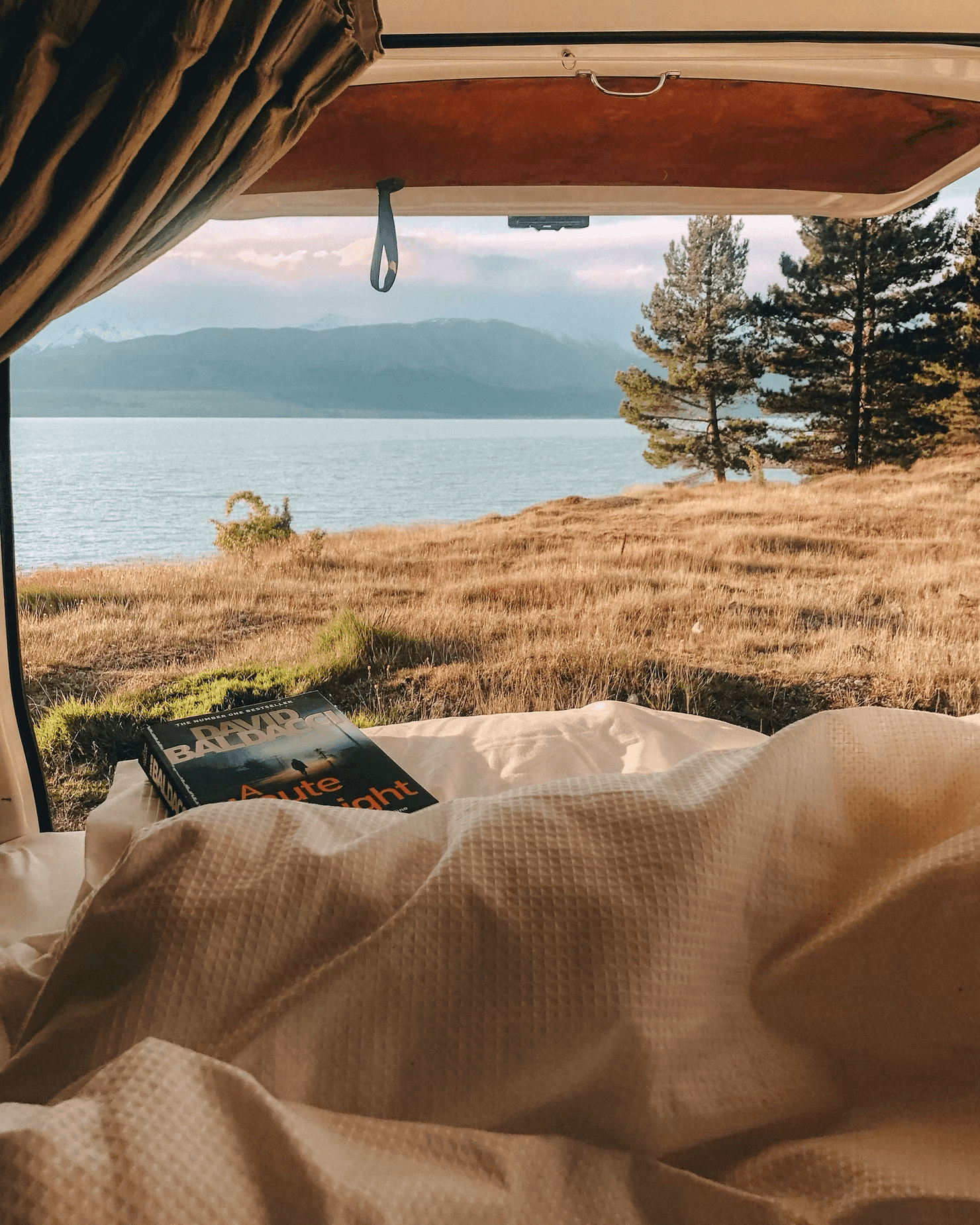
Learn more


travelHLL x Editor


Combining English Learning And Travel In Orlando

For international students seeking to improve their English skills while enjoying a vibrant and culturally rich environment, Orlando, Florida, stands out as a top destination. Known for its world-famous attractions, diverse population, and welcoming atmosphere, Orlando offers a unique opportunity to learn English in an immersive setting. One institution that has mastered the art of combining language education with travel and cultural exploration is LANGUAGE ON.


In this article, readers will discover how LANGUAGE ON provides high-quality English classes in Orlando, supports students through the visa process, and creates an enriching environment where learning and adventure go hand in hand.

No. 1

Why Orlando is the Ideal Destination for Language Learners

Orlando is more than just the home of Walt Disney World and Universal Studios. It is a thriving, multicultural city that attracts millions of visitors and international residents each year. This makes it an ideal location for students who want to practice English in real-world situations while enjoying all the benefits of life in a dynamic American city.

Key Advantages of Studying in Orlando:

  • Cultural Immersion: With a diverse population and a wide range of cultural events, students can practice English daily in authentic settings.

  • Entertainment and Leisure: From theme parks to natural springs, Orlando offers endless recreational opportunities.

  • Mild Climate: Florida’s warm weather allows for year-round outdoor activities.

  • Accessibility: Orlando International Airport connects the city to major destinations around the globe.

For students looking to combine education with exploration, Orlando provides the perfect backdrop.

No. 2

LANGUAGE ON: A Trusted Name in English Language Education

Among the many language schools in Florida, LANGUAGE ON has earned a reputation for excellence. With a campus located in the heart of Orlando, the school offers a welcoming environment where students from around the world come to learn English and immerse themselves in American culture.

LANGUAGE ON is accredited and recognized for its commitment to quality education. The school offers a variety of English programs tailored to meet the needs of learners at all levels, from complete beginners to advanced speakers.

Highlights of the Orlando Campus:

  • Modern Classrooms: Equipped with the latest technology to enhance learning.

  • Experienced Instructors: Certified teachers with a passion for language education.

  • Diverse Student Body: A multicultural environment that fosters global friendships.

  • Central Location: Easy access to public transportation, dining, and entertainment venues.

The Orlando campus is designed to provide a comfortable and engaging learning experience, making it easier for students to focus on their goals.

No. 3

Comprehensive Visa Support for International Students

One of the standout features of LANGUAGE ON is its dedication to supporting students throughout the visa process. Navigating the complexities of U.S. immigration can be daunting, especially for first-time applicants. LANGUAGE ON simplifies this process by offering expert guidance every step of the way.

Visa Services Include:

  • F-1 Student Visa Assistance: Help with gathering required documents and completing applications.

  • Interview Preparation: Guidance on what to expect during embassy interviews.

  • Status Updates: Support for students who need to change or update their visa status.

  • Personalized Follow-Up: Ongoing assistance to ensure students remain in compliance with visa regulations.

The school’s knowledgeable team is committed to making the visa process as smooth and stress-free as possible, allowing students to focus on their studies and enjoy their time in the U.S.


hellolovelyliving memrise

Memrise

The only app with native speaker videos. Learn languages the fun and easy way—anytime, anywhere. Unlock your potential today!


No. 4

A Wide Range of English Programs

LANGUAGE ON offers a variety of English courses designed to meet different learning objectives. Whether students are studying for academic purposes, professional development, or personal enrichment, there is a program to suit every need.

Popular Programs:

  • Intensive English Course: Designed for students on an F-1 visa, this program includes 18 hours of instruction per week and focuses on all core language skills.

  • Semi-Intensive English Course: A more flexible option for those who want to study part-time while exploring Orlando.

  • Business English: Tailored for professionals looking to enhance their communication skills in a corporate environment.

  • Accent Reduction: Helps advanced learners refine their pronunciation and speak more clearly and confidently.

Each course is structured to provide a balance of classroom learning and real-world practice, ensuring that students gain the skills they need to succeed.

No. 5

Learning Beyond the Classroom

One of the key benefits of studying at LANGUAGE ON in Orlando is the opportunity to apply English skills in everyday situations. The school encourages students to explore the city, participate in cultural events, and engage with the local community.

Activities That Enhance Learning:

  • Visits to Theme Parks: Practice conversational English while enjoying world-class attractions.

  • Cultural Festivals: Experience local traditions and meet native speakers.

  • Outdoor Adventures: Explore Florida’s natural beauty through kayaking, hiking, and beach trips.

  • Social Events: Join school-organized outings and meet fellow students from around the world.

This immersive approach helps students build confidence and fluency in a fun and supportive environment.

No. 6

A Nationwide Network of Campuses

While the Orlando campus is a focal point, LANGUAGE ON also operates in several other attractive destinations across the United States.

These include:

  • Miami

  • Miami Beach

  • Aventura

  • Boca Raton

  • West Palm Beach

  • Salt Lake City, Utah

  • Newark, New Jersey

  • Washington, D.C.

Additionally, LANGUAGE ON partners with schools in Los Angeles, providing students with even more options to study English in exciting U.S. cities.

This extensive network allows students to transfer between campuses or choose the location that best fits their lifestyle and goals.

Takeaways

For international students seeking a comprehensive and enjoyable way to learn English, Orlando offers the perfect setting. With its vibrant culture, world-class attractions, and welcoming community, the city provides an ideal environment for language immersion.

LANGUAGE ON enhances this experience by offering top-tier English instruction, personalized visa support, and a variety of programs to meet every learner’s needs. The school’s Orlando campus stands out as a place where education and adventure come together, creating unforgettable experiences for students from around the world.

Looking for Travel resources?

Looking to embark on a transformative journey to discover new cultures, expand your horizons, and reconnect with yourself? Explore, learn, and awaken your wanderlust with our travel partners designed to support you on your next getaway.
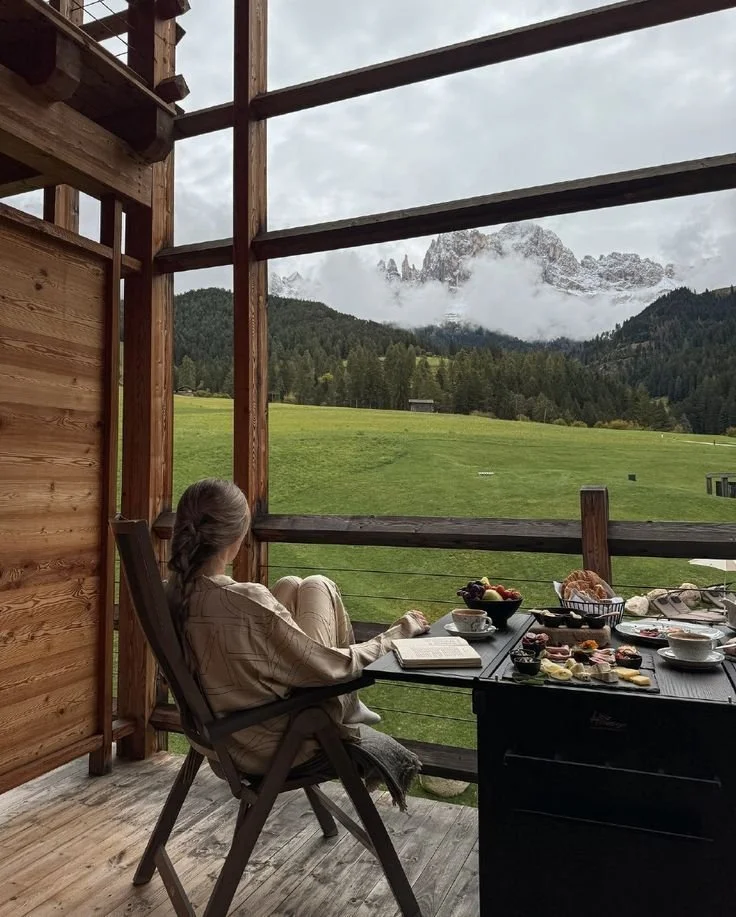
Learn more


travelHLL x Editor


Which City Is Better – Hanoi Or Ho Chi Minh City? A Comparison Guide

Vietnam is a country of contrasts, and nowhere is this more evident than in its two most iconic cities: Hanoi and Ho Chi Minh City (still affectionately called Saigon by locals and travelers alike). Both are vibrant, culturally rich, and packed with unforgettable experiences—but they offer very different atmospheres, histories, and lifestyles.


In this article, we’ll help you decide which city is better suited for your travel style by comparing them across key categories: culture, food, nightlife, affordability, and more. Whether you’re planning your first trip to Vietnam or trying to decide which city to spend more time in, this guide will give you a clear picture of what each destination has to offer.

No. 1

What Makes Hanoi Unique?

Hanoi, the capital of Vietnam, is a city where tradition and history are woven into the fabric of everyday life. From its ancient temples to its colonial-era architecture and the bustling maze of the Old Quarter, Hanoi offers a slower, more introspective travel experience.

Highlights of Hanoi:

  • Timeless charm: Hanoi feels like a living museum, where every street corner tells a story.

  • Cultural depth: Visit the Temple of Literature, Ho Chi Minh Mausoleum, and Imperial Citadel for a deep dive into Vietnam’s heritage.

  • Proximity to natural wonders: Hanoi is the perfect base for excursions to Ha Long Bay, Ninh Binh, Sapa, and Mai Chau.

  • Authentic cuisine: Northern Vietnamese dishes like pho, bun cha, and egg coffee taste best in their birthplace.

The evenings in Hanoi are calm and reflective. Locals gather around Hoan Kiem Lake, enjoy traditional water puppet shows, or sip tea at family-run cafes. If you're booking a Custom Vietnam Hanoi Travel Package, expect a mix of cultural immersion, food exploration, and scenic beauty.

No. 2

What Makes Ho Chi Minh City Different?

In contrast, Ho Chi Minh City is Vietnam’s economic powerhouse, pulsing with energy, innovation, and a forward-looking spirit. It’s a city that never slows down—where modern skyscrapers rise above French colonial buildings, and motorbikes zip through neon-lit streets.

Highlights of Ho Chi Minh City:

  • Modern vibe: A fast-paced lifestyle with trendy cafes, rooftop bars, and high-end shopping.

  • Rich recent history: Explore the War Remnants Museum, Cu Chi Tunnels, and Independence Palace for insights into Vietnam’s 20th-century struggles.

  • Southern hospitality: Locals are warm, open, and proud of their city’s growth.

  • Tropical flavors: Southern cuisine is sweeter and more vibrant, with influences from the Mekong Delta.

Booking Ho Chi Minh City Tours is a great way to explore the city’s dynamic neighborhoods, from the bustling Ben Thanh Market to the artsy alleys of District 3.

No. 3

Which City Is Better for Culture and History?

Hanoi: A Portal to Ancient Vietnam

If your goal is to immerse yourself in Vietnam’s ancient traditions, Hanoi is the clear winner. The city is steeped in history, with centuries-old temples, pagodas, and colonial architecture that reflect Vietnam’s long and complex past.

Must-see cultural sites in Hanoi:

  • Old Quarter

  • Temple of Literature

  • Ho Chi Minh Complex

  • Imperial Citadel of Thang Long

Ho Chi Minh City: A Window into Modern History

Ho Chi Minh City offers a different kind of historical experience. Its landmarks focus on Vietnam’s recent past, especially the Vietnam War and the post-colonial era.

Top historical attractions in Ho Chi Minh City:

  • War Remnants Museum

  • Cu Chi Tunnels

  • Independence Palace

  • Notre Dame Cathedral

Verdict: Choose Hanoi for ancient heritage and traditional culture. Opt for Ho Chi Minh City if you're intrigued by modern history and revolutionary landmarks.


hellolovelyliving viator

Viator

From guided tours of iconic landmarks to off-the-beaten-path adventures, explore a diverse selection of activities catered to your interests and preferences.


No. 4

Which City Is Better for Food?

Hanoi: The Home of Traditional Vietnamese Cuisine

Hanoi is the birthplace of some of Vietnam’s most iconic dishes. The flavors here are subtle, balanced, and steeped in tradition. Street food is a way of life, and the best meals are often found at tiny plastic tables on the sidewalk.

Must-try dishes in Hanoi:

  • Pho (beef noodle soup)

  • Bun Cha (grilled pork with noodles)

  • Cha Ca (turmeric fish)

  • Egg Coffee

Ho Chi Minh City: A Culinary Playground

In contrast, Ho Chi Minh City is a melting pot of flavors. The cuisine is sweeter, spicier, and more tropical, thanks to the southern climate and influence from the Mekong Delta. The city also offers a wider variety of international cuisine, fusion restaurants, and upscale dining.

Must-try dishes in Ho Chi Minh City:

  • Hu Tieu (southern-style noodle soup)

  • Banh Xeo (crispy Vietnamese pancakes)

  • Seafood hotpots

  • Tropical fruit desserts

Verdict: Choose Hanoi for classic, authentic flavors. Choose Ho Chi Minh City for variety, bold tastes, and a modern dining scene.

No. 5

Which City Is Better for Nightlife?

Ho Chi Minh City: The City That Never Sleeps

If nightlife is a priority, Ho Chi Minh City is the place to be. The city comes alive after dark with rooftop lounges, craft beer bars, nightclubs, and live music. Districts 1 and 3 are buzzing with activity well into the night.

Hanoi: Calm Evenings and Local Vibes

Hanoi’s nightlife is more laid-back and local. Think Bia Hoi (fresh beer) on street corners, cozy jazz clubs, and quiet cafes. The city tends to wind down earlier, making it ideal for travelers who prefer a more relaxed evening.

Verdict: Choose Ho Chi Minh City for vibrant nightlife. Choose Hanoi for a quieter, more intimate evening experience.

No. 6

Which City Is More Affordable?

Both cities are budget-friendly by international standards, but Hanoi generally edges out as the more economical option.

Cost Comparison:

  • Accommodation: Slightly cheaper in Hanoi

  • Street food: Affordable in both, but Hanoi has more budget-friendly options

  • Transportation: Comparable in both cities

  • Attractions: Many cultural sites in Hanoi are free or low-cost

Verdict: Hanoi is more affordable overall, especially for budget-conscious travelers.

No. 7

Which City Should You Choose for Your First Trip to Vietnam?

Choose Hanoi If You:

  • Want to explore Vietnam’s ancient culture and traditions

  • Prefer a slower pace and scenic day trips

  • Are interested in historical architecture and local street food

Choose Ho Chi Minh City If You:

  • Love modern cities with lots of energy

  • Enjoy nightlife, shopping, and international dining

  • Want easy access to southern destinations like the Mekong Delta and Phu Quoc

Or... Visit Both!

Many travelers choose to experience both cities as part of a Custom Vietnam Hanoi Travel Package. With frequent flights between Hanoi and Ho Chi Minh City, it’s easy to explore the cultural contrasts between north and south in one seamless itinerary.

FAQ

Is Hanoi safer or Ho Chi Minh City safer for tourists?

Both cities are considered safe for travelers. Petty theft like pickpocketing can occur in crowded areas, so it’s best to stay alert and use common-sense precautions.

Which city is better for family trips?

  • Hanoi is ideal for families who enjoy cultural sites, nature excursions, and a peaceful atmosphere.

  • Ho Chi Minh City offers modern attractions, shopping malls, and entertainment options for kids.

What is the best way to travel between Hanoi and Ho Chi Minh City?

Flying is the fastest and most convenient option, with multiple daily flights. Trains and buses are available but take significantly longer.

Is it worth booking guided tours in Ho Chi Minh City?

Yes. Ho Chi Minh City Tours provide valuable context, especially for historical sites and busy districts. They’re great for first-time visitors.

Can I combine both cities in one custom Vietnam itinerary?

Absolutely. Many travelers opt for a Custom Vietnam Hanoi Travel Package that includes both cities, offering a well-rounded journey through Vietnam’s diverse regions.

Takeaways

Hanoi and Ho Chi Minh City are not rivals—they’re complements. Each offers a unique lens through which to experience Vietnam’s soul. Hanoi is the heart of tradition, history, and quiet charm. Ho Chi Minh City is the pulse of progress, energy, and modern life.

In this article, we’ve compared both cities across culture, cuisine, nightlife, affordability, and travel style. Whether you choose one or both, your journey through Vietnam will be unforgettable. The real winner? You—because no matter where you go, Vietnam will leave a lasting impression.

So, which city will you explore first?

Looking for Travel resources?

Looking to embark on a transformative journey to discover new cultures, expand your horizons, and reconnect with yourself? Explore, learn, and awaken your wanderlust with our travel partners designed to support you on your next getaway.

Learn more


travelHLL x Editor


Getting Around: The U.S. Cities With The Best Public Transit

In the landscape of American urban life, few things impact daily quality of life more than the ease of getting from one place to another. While cars have long dominated transportation, a handful of U.S. cities stand out for their commitment to efficient, accessible, and comprehensive public transit systems. These networks do more than just move people; they reduce traffic congestion, support environmental goals, and create more livable, connected communities.


In this article, we explore some of the U.S. cities with the best public transit, highlighting the features that make their systems exceptional and the profound benefits they bring to residents and visitors alike.

No. 1

New York City, New York: The Undisputed Leader

It is impossible to discuss public transit in the U.S. without starting with New York City. The city's transit system, managed primarily by the Metropolitan Transportation Authority (MTA), is the largest and most extensive in the country.

  • Unrivaled Coverage and Frequency: The iconic NYC subway is the heart of the system, operating 24 hours a day, seven days a week. With hundreds of stations across Manhattan, Brooklyn, the Bronx, and Queens, it provides unparalleled access to nearly every corner of the city. Combined with an extensive bus network that fills in the gaps, it’s possible to live a full life in NYC without ever needing a car.

  • A System That Never Sleeps: The 24/7 nature of the subway is a game-changer, supporting the city's dynamic, round-the-clock economy and social life. Whether you're a night-shift worker or enjoying a late night out, you can almost always count on a train to get you home.

The sheer scale and reach of New York's system make it the gold standard, demonstrating how comprehensive public transit can be the lifeblood of a major metropolis.

No. 2

San Francisco, California: A Diverse and Iconic Network

San Francisco offers a multi-faceted and iconic public transit system that navigates its unique, hilly topography with impressive efficiency. The San Francisco Municipal Transportation Agency (SFMTA or Muni) operates a diverse fleet of vehicles.

  • Integrated Modes of Transit: The system includes historic streetcars, modern light rail (Muni Metro), electric trolleybuses, and the world-famous cable cars. This variety ensures that even the steepest hills are accessible. The Bay Area Rapid Transit (BART) system further connects San Francisco to neighboring cities across the East Bay and down the peninsula.

  • Commitment to Sustainability: San Francisco has one of the greenest transit fleets in the nation. Its extensive use of electric trolleybuses and light rail, which run on hydroelectric power, significantly reduces the city's carbon footprint. This focus on sustainability makes it a model for environmentally conscious urban development.

No. 3

Washington, D.C.: A Model of Modern Efficiency

The Washington Metropolitan Area Transit Authority (WMATA) operates a system that is often praised for its cleanliness, efficiency, and thoughtful design. The Metrorail and Metrobus network serves the District of Columbia as well as suburban Maryland and Virginia.

  • Designed for Commuters and Tourists: The Metrorail system was designed with commuters in mind, with its hub-and-spoke layout connecting residential suburbs to the downtown core. The stations are known for their distinctive vaulted-ceiling architecture, creating a pleasant and easily navigable environment. Its reliability and reach make it an excellent choice for both daily work commutes and for tourists exploring the capital's monuments and museums.

  • Ease of Use: With a simple, color-coded map and a unified payment system (the SmarTrip card), navigating the D.C. transit system is relatively straightforward. The frequent service during peak hours ensures that it is a practical alternative to driving in the city's notorious traffic.


hellolovelyliving viator

Viator

From guided tours of iconic landmarks to off-the-beaten-path adventures, explore a diverse selection of activities catered to your interests and preferences.


No. 4

Boston, Massachusetts: America's First and Foremost

Home to the nation's oldest subway system, Boston's Massachusetts Bay Transportation Authority (MBTA), or the "T," has a long history of moving its residents. The system combines subway lines, bus routes, commuter rail, and even ferries.

  • A Compact and Walkable City: The "T" is incredibly effective because it serves a dense and compact urban core. It's often faster to take the subway from one neighborhood to another than it is to drive and find parking. This integration with the city's walkable layout makes car-free living a viable and attractive option for many Bostonians.

  • Extensive Commuter Rail: Beyond the city proper, the MBTA's commuter rail network is one of the most extensive in the country, connecting distant suburbs to downtown Boston. This allows people to enjoy suburban living while still having convenient access to the city's economic and cultural opportunities.

No. 5

Chicago, Illinois: A Transit Hub of the Midwest

Chicago stands out as one of America's premier transit cities, anchored by the Chicago Transit Authority (CTA). The iconic "L" train system—named for its elevated tracks—forms the backbone of the city's public transportation network, connecting neighborhoods across Chicago and reaching deep into the suburbs. With multiple lines radiating from the downtown Loop, the "L" offers reliable, rapid service that covers major destinations, business centers, and entertainment districts.

Complementing the rail system is an extensive bus network that weaves through nearly every corner of the city, ensuring comprehensive coverage and easy transfers. Even in neighborhoods off the beaten path, residents can find accessible public transportation, making the entire city reachable without a car. For many, public transit isn't just an option—it's a daily essential. The CTA's affordability makes it accessible to all, while frequent service and clear schedules support busy urban lifestyles.

Chicago's transit system plays a vital role in the city's livability, supporting a dense population and reducing reliance on cars. It helps combat congestion, lowers commuting costs, and makes it possible for residents and visitors alike to explore the city's rich culture, diverse neighborhoods, and vibrant downtown without the need for personal vehicles.

No. 6

Public Transit and Relocation

It goes without saying that moving to a new city can be challenging, but access to a robust public transit system can make the transition much smoother. Reliable and accessible transportation options help newcomers navigate unfamiliar neighborhoods, commute to work or school, and discover everything their new home has to offer—often without the immediate need for a car.

With dependable transit, new residents can explore local businesses, connect with community resources, and integrate more quickly into urban life. A well-designed public transportation network empowers people to feel confident and independent as they settle into a new environment.

No. 7

The Importance of Investing in Public Transit

These cities demonstrate that robust public transportation is a critical component of a successful urban environment.

The benefits are clear:

  • Reduced Congestion and Pollution: Every person who chooses to take a bus or train is one less car on the road. This directly reduces traffic jams and lowers harmful emissions, leading to cleaner air and healthier communities.

  • Improved Quality of Life: Accessible and reliable transit saves residents time and money. It reduces the stress of commuting and frees up personal income that would otherwise be spent on car payments, insurance, gas, and parking.

  • Economic and Social Equity: Public transit provides essential mobility for everyone, regardless of age, income, or ability. It connects people to jobs, education, healthcare, and social opportunities, fostering more equitable and inclusive cities.

For a city to thrive in the 21st century, it must prioritize moving people efficiently and sustainably. Investing in public transit is not just about transportation; it's an investment in a city's economic vitality, environmental health, and the overall well-being of its citizens. The cities that do it well p

Takeaways

Public transit is more than a convenience—it’s a catalyst for progress. As cities grow and evolve, the ability to move people efficiently, affordably, and sustainably becomes increasingly vital. The cities featured in this article—New York, San Francisco, Washington D.C., Boston, and Chicago—offer compelling examples of how well-designed transit systems can transform urban life.

In this article, we’ve explored what makes these systems exceptional and why they matter—not just for daily commutes, but for the overall health, equity, and vibrancy of our cities. As more communities recognize the value of public transit, the hope is that investment and innovation will continue to expand, connecting more people to opportunity and improving quality of life for all.

Whether you're planning a move, visiting a new city, or simply dreaming of a car-free lifestyle, these transit-friendly cities offer a glimpse into a more connected, sustainable future.

Looking for Travel resources?

Looking to embark on a transformative journey to discover new cultures, expand your horizons, and reconnect with yourself? Explore, learn, and awaken your wanderlust with our travel partners designed to support you on your next getaway.

Learn more


travelHLL x Editor


Getting Peace Of Mind With Your Travels

If you're someone who travels frequently—whether for business, leisure, or adventure—you already understand how important it is to feel calm, secure, and in control. Travel is meant to be enriching and enjoyable, but without proper planning and precautions, it can quickly become overwhelming or even risky.


In this article, we’ll explore simple yet effective ways to achieve greater peace of mind while traveling. From securing the right insurance to choosing the right travel companions, these strategies will help you feel confident and prepared no matter where your journey takes you.

No. 1

Get Insured

One of the most essential steps to achieving peace of mind while traveling is to get insured. Regardless of whether it’s a short weekend getaway or a long international trip, having travel insurance is a smart and necessary move.

There are countless unpredictable factors that can disrupt your plans—flight cancellations, lost luggage, medical emergencies, or even natural disasters. A comprehensive travel insurance policy can protect you financially and emotionally in these situations.

Travel insurance from providers like Generali is affordable and can save you thousands in unexpected costs, making it a small investment for a significant return in peace of mind.

No. 2

Plan Ahead

While spontaneity can be part of the fun, planning ahead is one of the best ways to reduce stress during your travels. This doesn’t mean you need a minute-by-minute itinerary, but having a general sense of your schedule, accommodations, and transportation can make a huge difference.

Benefits of Planning Ahead:

  • Anticipate potential issues and prepare solutions

  • Reduce decision fatigue during the trip

  • Maximize your time and experiences

  • Avoid common travel pitfalls

Whether it’s booking your accommodations in advance or researching local customs and safety tips, a little preparation goes a long way in ensuring a smoother, more enjoyable trip.

No. 3

Use a Travel Agency

If you want to take your peace of mind to the next level, consider working with a travel agency. While not essential, travel agencies offer a level of support and expertise that can be incredibly reassuring—especially for complex or international trips.

Why Use a Travel Agency?

  • Access to exclusive deals and packages

  • Professional assistance with bookings and logistics

  • Help in emergencies or unexpected changes

  • Personalized recommendations based on your preferences

Having a travel expert handle the details allows you to focus on the experience itself, rather than worrying about the behind-the-scenes arrangements.


hellolovelyliving hopper

Hopper

The #1 most downloaded travel app in North America. Save up to 40% on travel costs + earn free travel rewards.

GET A $25 HOPPER TRAVEL VOUCHER

Use coupon code:
HELLOLOVELYLIVING


No. 4

Travel with People You Trust

Who you travel with can make or break your experience. That’s why it’s so important to travel with people you trust. Whether it's family, close friends, or a partner, being with someone reliable and supportive can significantly reduce stress and increase your sense of safety.

The Value of Trustworthy Travel Companions:

  • Shared responsibilities and decision-making

  • Emotional support in unfamiliar environments

  • Increased safety and security

  • More enjoyable and memorable experiences

When you’re surrounded by people who have your back, you’ll naturally feel more at ease—no matter where you are in the world.

Takeaways

Traveling is one of life’s greatest pleasures, but it can also come with its fair share of stress and uncertainty. The good news? With a few thoughtful steps, you can dramatically improve your peace of mind and truly enjoy the journey.

By securing travel insurance, planning ahead, considering the benefits of a travel agency, and surrounding yourself with trustworthy companions, you set yourself up for a smoother, safer, and more fulfilling experience.

So the next time you pack your bags, don’t just think about where you’re going—think about how you’re going to feel once you get there. With the right preparation, your travels can be as peaceful as they are exciting.

Looking for Travel resources?

Looking to embark on a transformative journey to discover new cultures, expand your horizons, and reconnect with yourself? Explore, learn, and awaken your wanderlust with our travel partners designed to support you on your next getaway.
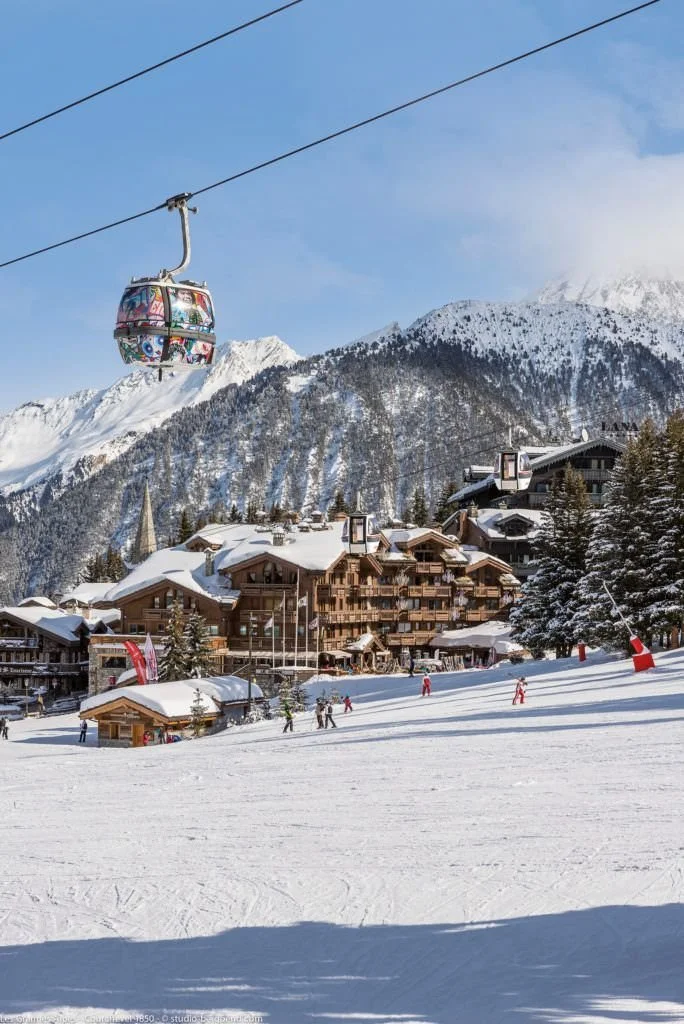
Learn more


travelHLL x Editor