Plan A Camping Trip - The Whole Family Will Love With These Helpful Tips
Family life can feel chaotic. Between work, school routines, laundry, dishes, and the constant need to keep everything moving, it is easy to feel as though you are always catching up. Many parents carry a quiet guilt, too: even when you are doing everything for your family, it can still feel like you are not spending enough quality time with the kids. If that sounds familiar, you are not alone.
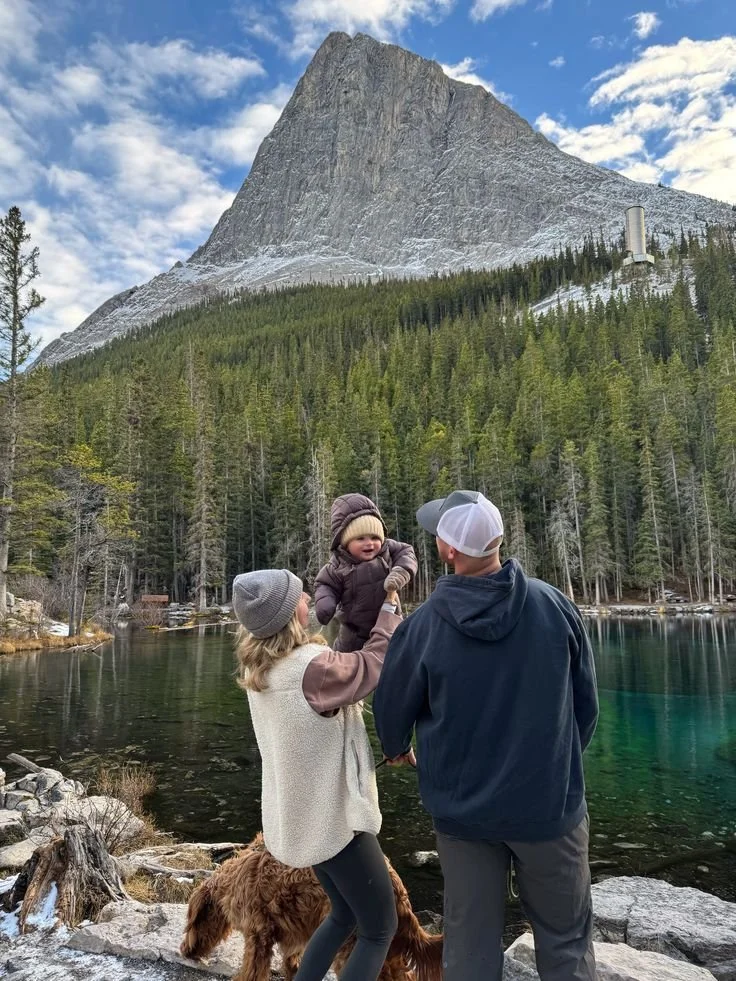
Camping is one of the simplest ways to reset that dynamic. A family camping trip creates a natural pause in the schedule and removes many of the everyday distractions that compete for attention at home. Instead of squeezing “quality time” between chores, you get a dedicated space where being together is the main activity. That said, camping goes best when you prepare thoughtfully. Comfort, safety, and simple entertainment matter, especially when kids are involved.
In this article, you will find practical, realistic tips to plan a family camping trip that feels fun rather than stressful. You will learn how to choose a location that keeps everyone happy, what campsite amenities are worth prioritising, and how to pack the right gear so the whole family can enjoy screen-free adventure outdoors.
No. 1
Pick the perfect location for your family’s needs
The best camping destination is not always the most remote or the most “impressive” on a map. When you are camping with kids, the right location is the one that matches your family’s energy, experience, and interests.
You might be perfectly happy to relax by the tent with a book and a warm drink, but many children need variety to stay engaged. A great family-friendly campsite offers both space to slow down and enough nearby activities to keep boredom from taking over.
One smart strategy is to choose a campsite near major transport routes. That tends to reduce travel time, which matters more than many parents realise. A long, complicated journey can drain everyone’s patience before the trip even begins. Easier access also gives you flexibility if you need to pop out for supplies, adjust plans due to weather, or handle unexpected issues.
Beyond convenience, try to find a campsite that has multiple things to do within a short drive. This does not mean you need to schedule a packed itinerary. It simply means you will have options, such as:
Short hiking trails suitable for kids
Calm swimming spots or a lakefront area
Visitor centres or nature programs
Family-friendly attractions nearby for a change of pace
Towns close enough for an easy meal or a quick resupply
When you choose a location with built-in flexibility, your trip stays enjoyable even if someone gets tired, the weather changes, or you discover that your kids love one activity far more than the others.
Questions to ask before you book
A few simple questions can help you narrow down the best place:
How long can your kids realistically handle in the car?
Do you want a quieter, nature-heavy trip or a mix of outdoors and nearby attractions?
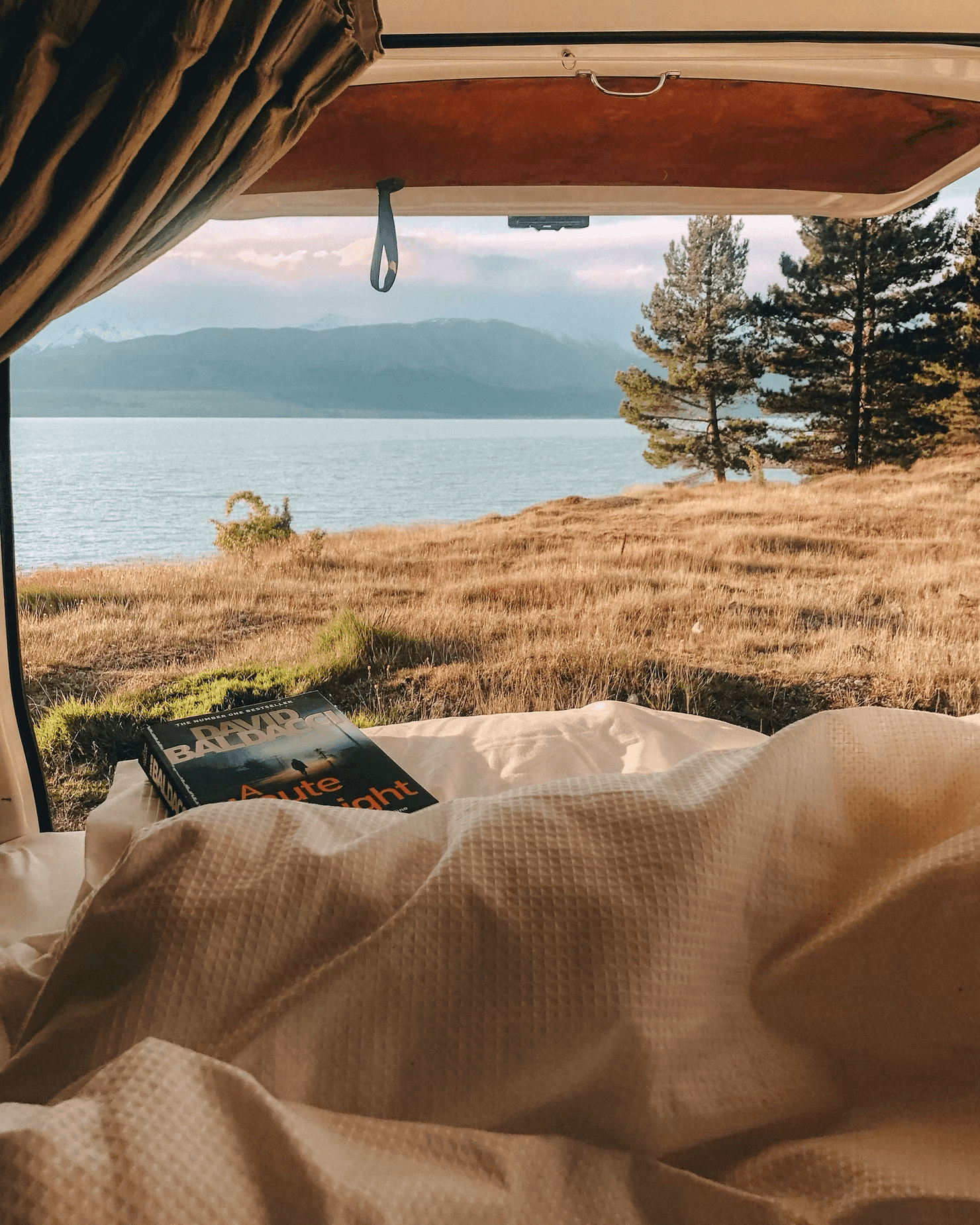
Are you tent camping, using a campervan, or travelling by RV?
Do you need easy access to toilets, showers, and drinking water?
What is your backup plan if it rains for a full day?
Answering these upfront makes it much easier to choose a campsite that suits your family rather than one that looks good online but feels difficult in real life.
No. 2
Check the campsite’s amenities before you commit
Camping is different from staying in a hotel, but that does not mean it needs to be uncomfortable. Amenities can make a big difference to how smooth the trip feels, especially when you are camping with younger children or trying camping for the first time.
The right amenities reduce friction. They help you cook more easily, sleep better, stay cleaner, and keep the mood up when everyone is tired. Think of amenities as the quiet support system of your trip: not glamorous, but crucial.
Here are the best campsite features to look for, depending on your camping style:
Shaded sites to reduce heat and glare during the day
Picnic benches, so meals are easier and cleaner
Fire rings for safe campfire cooking and evening gatherings
Private bathrooms or well-maintained restrooms for comfort and hygiene
Electric hookups if you are travelling by RV or need power access
It can also be worth checking for:
Potable water access, ideally not too far from your site
Quiet hours and family-friendly rules, especially if you have early sleepers
Flat tent pads, which improve sleep quality more than people expect
On-site staff or a ranger station for extra peace of mind
Waste disposal points and recycling facilities, which make cleanup simpler
Amenities do not replace the outdoor experience; they make it more sustainable for families. When fewer tasks feel difficult, you have more energy for the enjoyable parts of camping: exploring, laughing, cooking together, and relaxing.
Comfort is not “cheating” at camping
Some parents worry that choosing a campsite with amenities makes the trip less authentic. In reality, comfort helps everyone enjoy the outdoors more. If your kids sleep poorly, struggle with bathroom access, or feel overheated all day, they are less likely to love camping. A positive first experience often matters more than proving you can “rough it.”
If your long-term goal is to do more nature trips as a family, making this one comfortable is a smart investment.
No. 3
Get equipped for fun and adventure
A common camping mistake is arriving at a beautiful place and realising you do not have what you need to enjoy it. Families often pack the basics, but forget the simple gear that turns a campsite into an adventure base.
You do not need expensive equipment, but you do need the right tools for the activities you are likely to do. A little preparation makes it easier for everyone to join in, which is where the best family memories tend to happen.
Start with activity-focused essentials:
Hiking boots or sturdy walking shoes so you can explore trails comfortably
Weather-appropriate clothing, including layers for cooler evenings
Waterproofs, because rain is easier to handle when you are prepared
Swimwear and towels, if there is a safe swimming area nearby
Daypacks, water bottles, and snacks for short outings
Then consider the “camp life” items that keep things running smoothly:
A simple first-aid kit with plasters, antiseptics, and any regular medications
Headlamps or torches for each person, especially kids
A basic camp kitchen setup if you plan to cook: utensils, a pan, a cooler, and washing-up supplies
Extra blankets or sleeping layers for colder nights
A few low-effort games for downtime, such as cards, a frisbee, or a ball
The goal is not to bring everything. The goal is to bring what makes participation easy. When kids can hike without sore feet, stay warm at night, and play without needing screens, the trip naturally becomes more enjoyable.
Build screen-free fun into your packing list
Camping is a great chance to reduce technology without turning it into a strict rule. If you pack engaging alternatives, you will not need to fight about phones or tablets. A few simple ideas include:
Nature scavenger hunts (you can write your own list before you go)
A notebook for drawing leaves, birds, or campsite scenes
Binoculars for spotting wildlife
Glow sticks for evening games
A shared family book for reading aloud at night
These activities are simple, but they create exactly what many families are missing at home: shared attention and unhurried time together.
No. 4
Set expectations and keep the plan simple
Even though camping is relaxing in principle, it can feel like a lot of work if the days are too full or expectations are unrealistic. Setting a simple, family-friendly rhythm can prevent friction.
Try planning each day around a few predictable anchors:
A slow morning with breakfast and light cleanup
One main activity, such as a hike, a beach visit, or a nearby attraction
Afternoon downtime back at the campsite
An early evening meal followed by a campfire or a quiet wind-down
This approach reduces decision fatigue and prevents kids from getting overtired, which is often when conflicts start. It also gives you enough structure to feel organised without turning the trip into another schedule to manage.
It can help to talk about a few basics before you go:
What chores will be shared (collecting water, tidying, helping with meals)
What rules matter for safety (staying within sight, campfire boundaries)
What you will do if it rains (games, sheltered areas, car trips nearby)
Clear expectations reduce stress because everyone knows what to expect and what is expected of them.
Leave room for the best parts to happen naturally
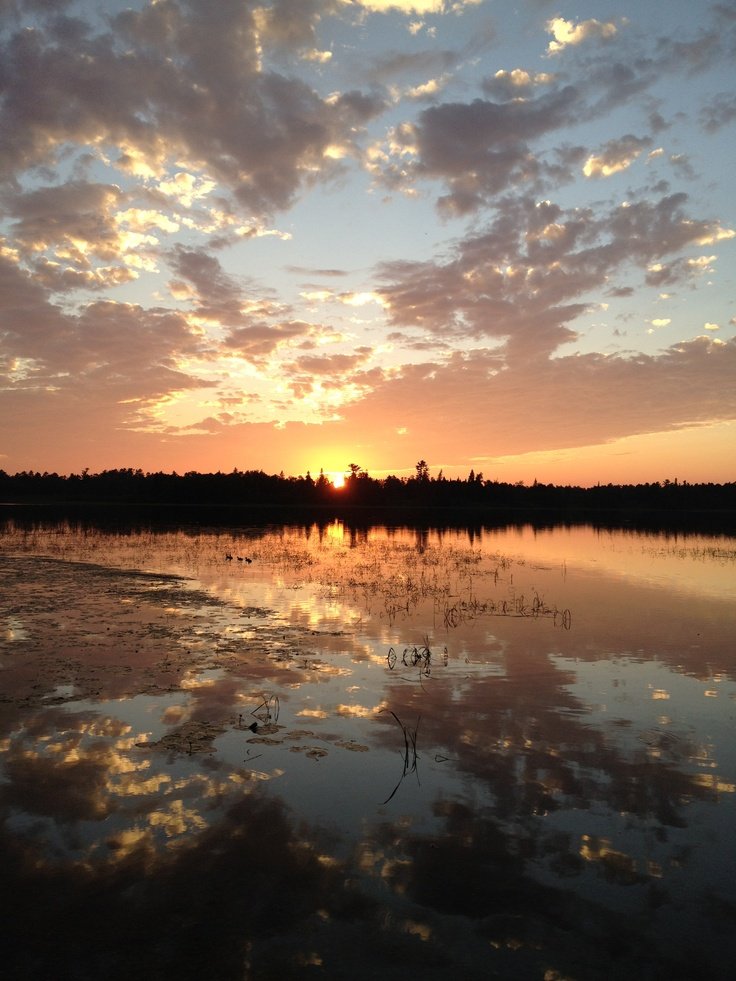
Some of the best camping memories are unplanned: spotting a deer near the trail, watching the sky change colours at sunset, laughing at a slightly burnt marshmallow, or hearing your kids invent a game with sticks and stones. You do not need to “create” those moments. You just need to leave enough space for them to appear.
Takeaways
Camping can be one of the most rewarding ways to reclaim quality family time, especially when everyday life feels like a constant cycle of chores and responsibilities. In this article, we covered how to choose a location that balances relaxation with kid-friendly entertainment, why campsite amenities matter for comfort and ease, and how the right gear can turn a basic stay outdoors into a fun, screen-free adventure. We also looked at the value of setting simple expectations and keeping your daily plan light so everyone has room to relax.
A great family camping trip is not defined by perfection. It is defined by togetherness, comfort that supports good moods, and just enough structure to keep things running smoothly. Choose a location that fits your family, pack for the activities you actually want to do, and let the outdoors do what it does best: slow everyone down and bring you back together.
Looking for Travel resources?
Looking to embark on a transformative journey to discover new cultures, expand your horizons, and reconnect with yourself? Explore, learn, and awaken your wanderlust with our travel partners designed to support you on your next getaway.