From Hotels To RVs: A Guide For First-Time RV Travelers Who Want Comfort And The Outdoors
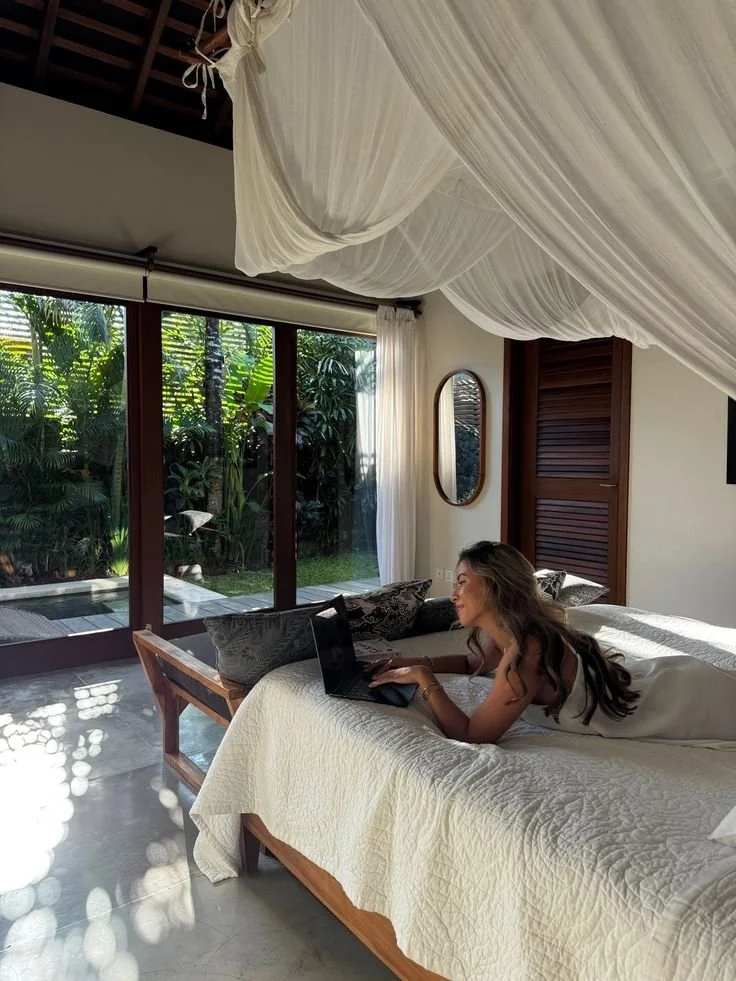
If you typically vacation in hotels, the idea of an RV trip can feel both exciting and slightly intimidating. Hotels are designed for convenience: you check in, drop your bags, and someone else handles the cleaning, the bed-making, and the daily logistics. RV travel, on the other hand, offers something very different—more independence, more nature, and a stronger sense of adventure, but also a little more responsibility.

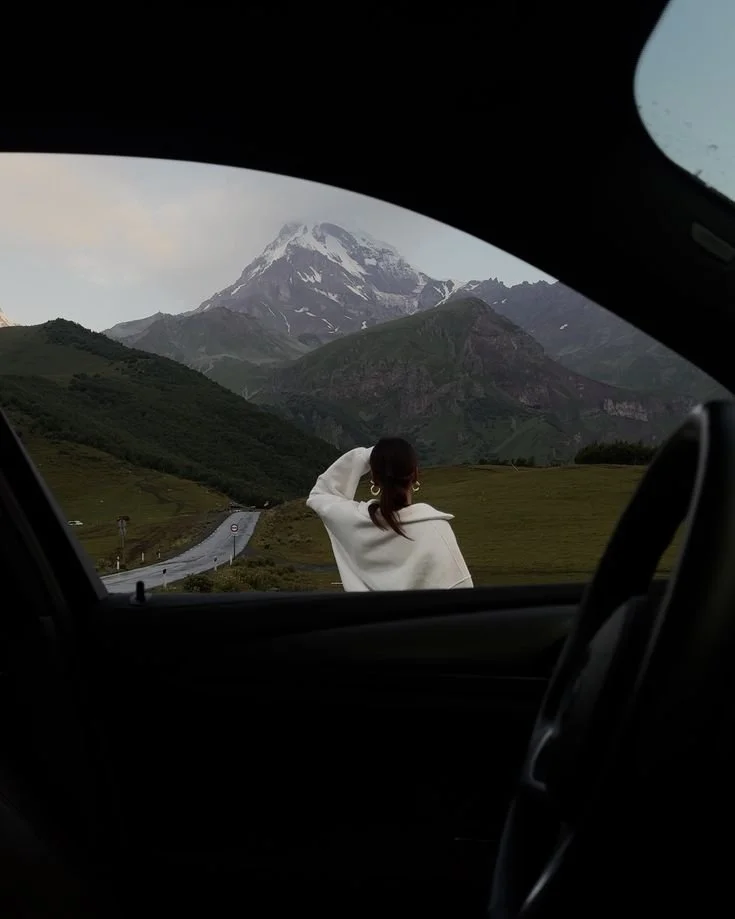
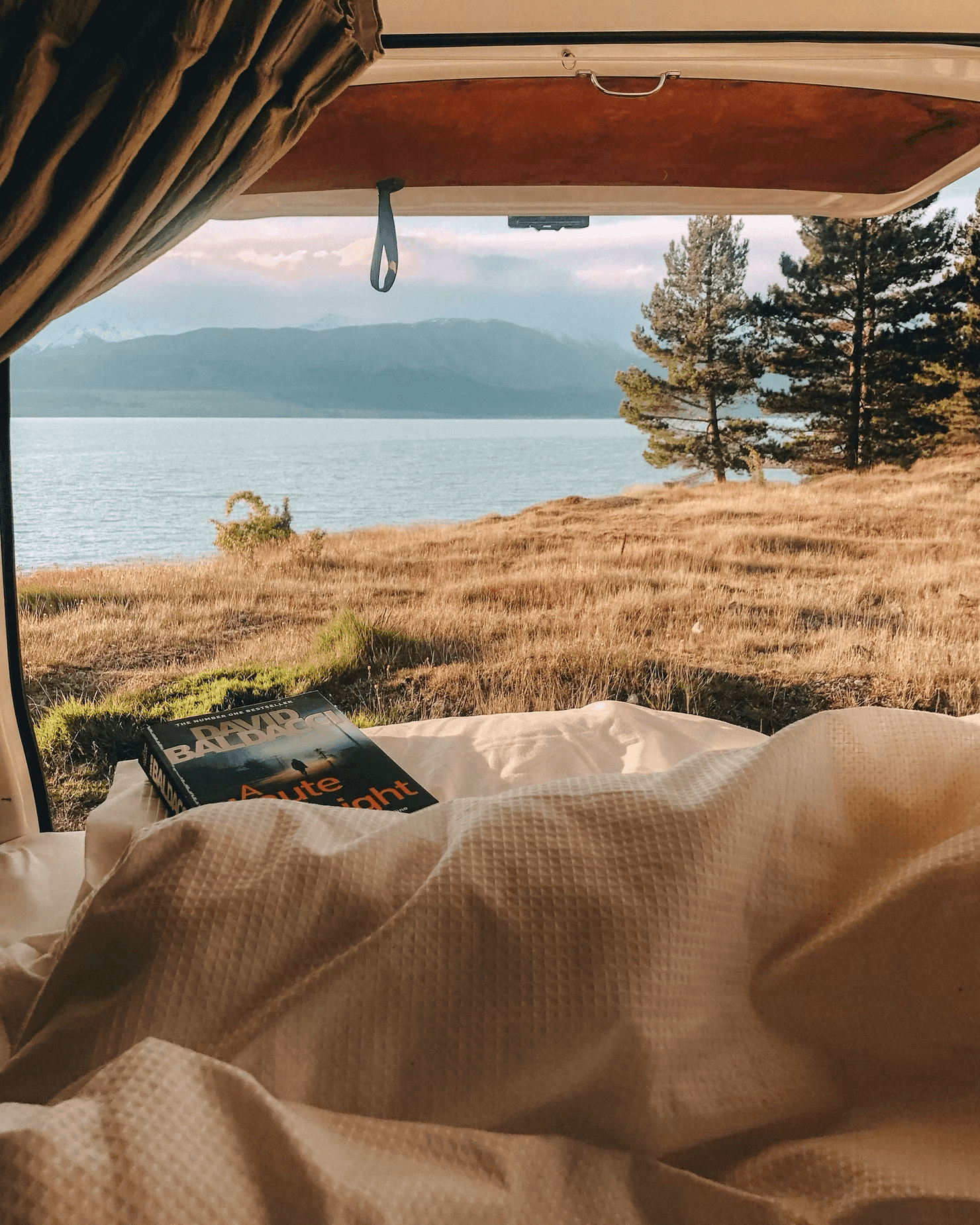
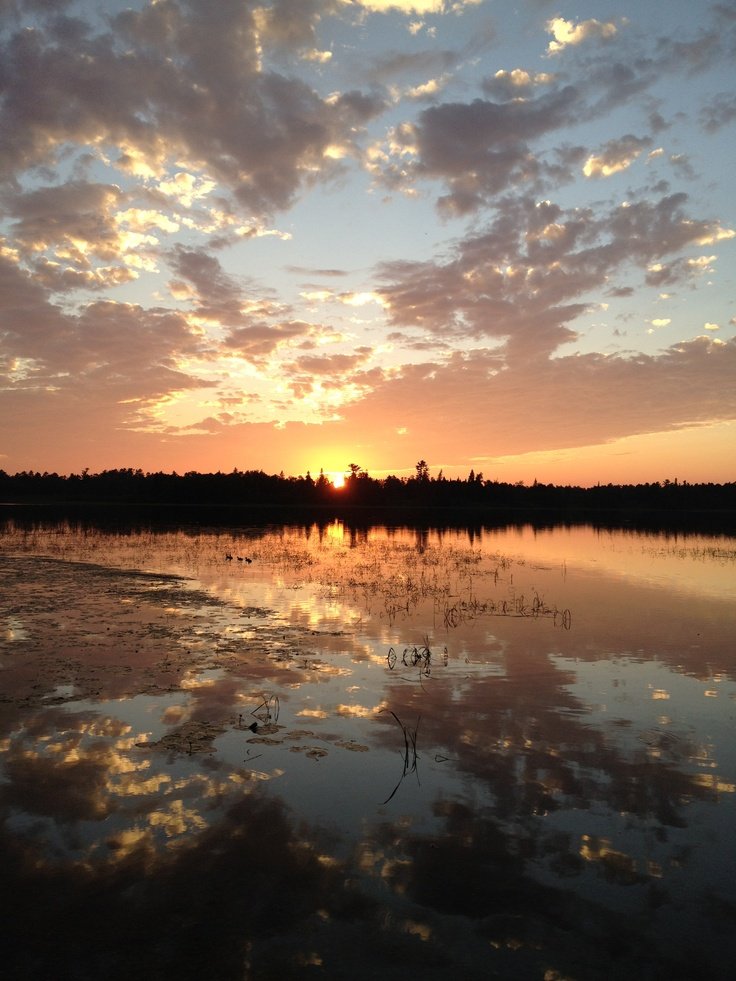
That difference is exactly why so many hotel lovers feel drawn to the “Call of the Wild.” An RV can take you to places where hotels simply don’t exist: lakeside mornings, quiet forest roads, dark-sky stargazing, and destinations where the journey is just as meaningful as the arrival.
In this article, you’ll learn how to transition from hotel-style travel to RV travel without losing comfort or confidence. We’ll cover mindset shifts, packing strategies, basic setup skills, how to choose a great RV site, and how to fully embrace the outdoor experience—while still keeping your trip relaxing, clean, and enjoyable.
No. 1
Adjust Expectations (RVs Aren’t Hotels—And That’s the Point)
Comparing hotels and recreational vehicles is a bit like comparing apples and oranges: they serve different purposes, and they shine in different ways. If you approach RV travel expecting a hotel on wheels, you may feel disappointed. If you approach it as a simpler, more flexible way to travel—one that keeps you close to nature—you’ll likely find it surprisingly rewarding.
Expect simplicity, not constant luxury
Many RVs are comfortable, well-designed, and stocked with essentials, but they’re not built to replicate a full-service resort. Living space is smaller, storage is limited, and you may need to do everyday tasks yourself, such as:
wiping down surfaces and keeping the space tidy
handling waste and water responsibly
setting up camp (hookups, leveling, outdoor gear)
managing power usage and conserving resources
That said, “simple” does not mean “uncomfortable.” Plenty of RVs have excellent beds, climate control, solid kitchens, and cosy living areas. The comfort comes less from luxury amenities and more from having everything you need in your own space—always available, always familiar.
Trade gyms and spas for nature and calm
Hotels often provide extras like gyms, spas, and room service. RV travel replaces those with a different kind of value:
waking up in quieter environments
spending time outdoors naturally (without scheduling it)
enjoying views from your “front door”
feeling less rushed and more grounded
Many travelers find that being surrounded by nature is both relaxing and energising—especially when the pace of the trip allows for genuine rest rather than constant activity.
Embrace the mindset shift: you’re not “checking in,” you’re “setting up”
In a hotel, the trip starts when you’re handed a key card. In an RV, the trip starts when you park, level, connect, and create your little home base. That hands-on element can feel unfamiliar at first, but it often becomes part of the enjoyment: you’re not just staying somewhere—you’re actively shaping your experience.
No. 2
Pack Smarter, Not Heavier (Space Is Your New Currency)
Packing for an RV trip is not the same as packing for a hotel. In a hotel, you can bring more “just in case” items because your luggage stays in a room, and storage is rarely a problem. In an RV, every extra item takes up valuable space—and clutter can make the entire experience feel cramped and stressful.
Choose multipurpose essentials
You may need a few additional items compared to a hotel stay (for cooking, outdoor time, and self-sufficiency), but you don’t need to bring everything. A smarter method is to focus on versatile items that do more than one job.
Useful examples include:
lightweight layers instead of bulky single-use outfits
a compact rain jacket rather than multiple outer layers
quick-dry towels that work for showers and swimming
one durable pair of shoes for walking and camp tasks
Soft bags beat hard suitcases
Soft bags are generally better than hard-shell suitcases because they compress, fold, and fit into awkward storage spaces. Once unpacked, they can often be rolled up and stored neatly—something you can’t easily do with rigid luggage.
Plan outfits by day (and by activity)
Overpacking is one of the biggest first-timer mistakes. Instead, plan outfits realistically:
one main daytime outfit per day
one warmer layer for evenings
one “messy” outfit for setup, fire-building, or hiking
minimal extras
This keeps your RV organized and makes mornings easier, especially if you’re travelling with family.
Stock simple food staples
One of the greatest advantages of RV travel is having your own kitchen. To make that kitchen useful from day one, bring a small stock of basics that can become quick meals even in remote areas.
Solid staples include:
pasta or rice
eggs
bread, butter, and spreads
canned tomatoes or sauces
coffee/tea and breakfast basics
a few snacks for the road
This reduces reliance on expensive convenience stops and helps you stay comfortable even when shops are far away.
No. 3
Learn Basic RV Setup (A Little Practice Prevents a Lot of Stress)
An RV trip becomes dramatically more enjoyable when you understand a few essential setup tasks. You don’t need to become an expert mechanic—but you do want to feel calm and capable when you arrive at your site.
Practice parking and leveling
Parking and leveling your rig is one of the most important skills because it affects:
sleep quality (nobody enjoys sliding toward one side of the bed)
appliance performance (some fridges work best when level)
general stability and comfort
If possible, practice in an empty parking lot before your trip. Even one session can reduce anxiety and make your arrival smoother.
Understand hookups: power, water, and waste
Many RV sites offer hookups, and knowing how to connect quickly makes everything feel easier.
Before you travel, learn:
how shore power works (and what you can run safely)
how to connect fresh water
how to manage grey water and black water
what to do if you have partial hookups only
A quick walkthrough video from your rental provider (or the RV owner) can be invaluable. If you’re renting, ask for a checklist and a short demonstration—most providers are happy to help.
Make a “first 15 minutes” arrival routine
Hotel travelers are used to a frictionless start. To recreate that ease, create a simple arrival routine, such as:
park in position
level the RV
connect power and water (if available)
do a quick interior check (fridge, lights, vents)
set up outdoor seating
This helps you feel settled quickly and reduces that “what do we do now?” feeling that can happen on the first day.
No. 4
Find a Good Site (The RV Park Matters as Much as the RV)
Just as choosing the right hotel can shape the quality of your trip, choosing the right RV site can make or break your experience. The best RV parks make life easier: they’re well-maintained, clearly organized, and designed to support both comfort and outdoor fun.
Research like you would for a hotel
Before booking, look for:
strong reviews from recent campers
clean restrooms and showers (even if your RV has its own)
clear check-in procedures
quiet hours and family/pet policies
site layout (space, privacy, shade, proximity to amenities)
Evaluate amenities that match your travel style
Not every amenity matters to every traveler. Decide what’s genuinely important to you, such as:
full hookups (water, sewer, electric)
laundry facilities (especially for longer trips)
Wi-Fi or cell service (if you need it)
a camp store for basics
playgrounds or open areas for children
pet-friendly rules and designated areas
Example of a well-located option
For instance, a site like Bearded Buffalo Resort is described as offering comfortable accommodations, being family-friendly and pet-friendly, and being well-positioned for outdoor activities such as canoeing, hiking, and fishing. It’s also close to nearby attractions such as Hermosa and Newcastle, which can be ideal if you want a balance of nature and local exploration.
The key idea: don’t just book the first available site. The right RV park can provide comfort, convenience, and a better overall atmosphere—especially if it’s your first RV trip.
No. 5
Embrace the Outdoor Experience (That’s Where the Real Upgrade Happens)
If you want the RV experience to feel like a true getaway—and not just “a smaller room you have to clean”—the outdoors needs to become part of your daily rhythm.
Spend time outside every day
One of the easiest ways to enjoy RV travel is to create small outdoor rituals:
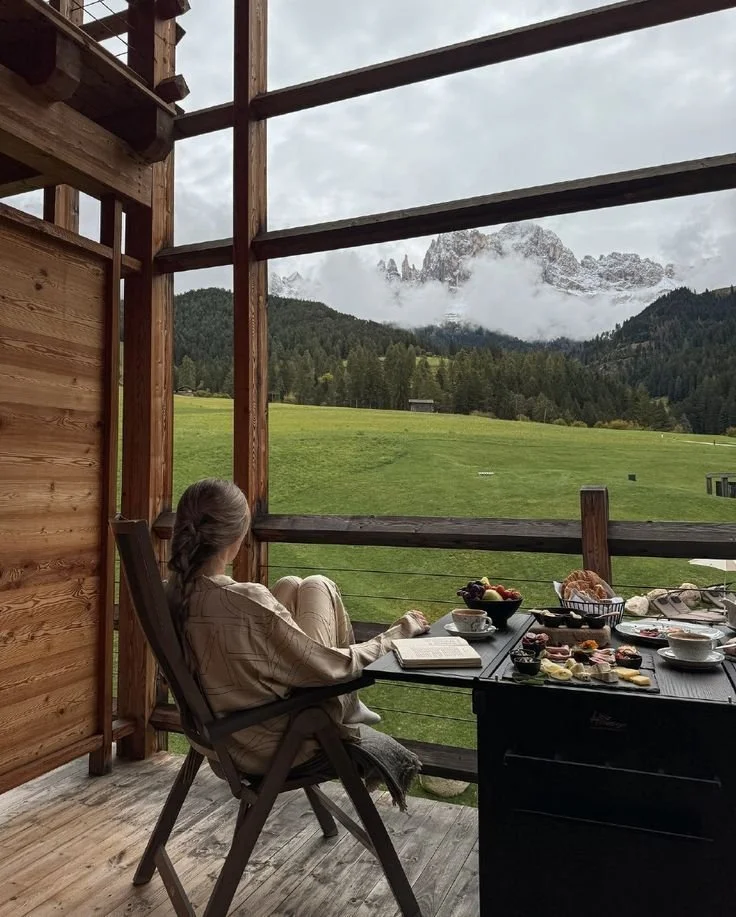
morning coffee outside
a short walk after breakfast
reading under an awning
sunset viewing from your site
stargazing after dinner
These moments are often the highlights because they’re simple, restorative, and hard to replicate in hotel travel.
Try easy outdoor activities (no extreme adventure required)
You don’t need to be an expert hiker or outdoorsperson. Start with low-pressure activities such as:
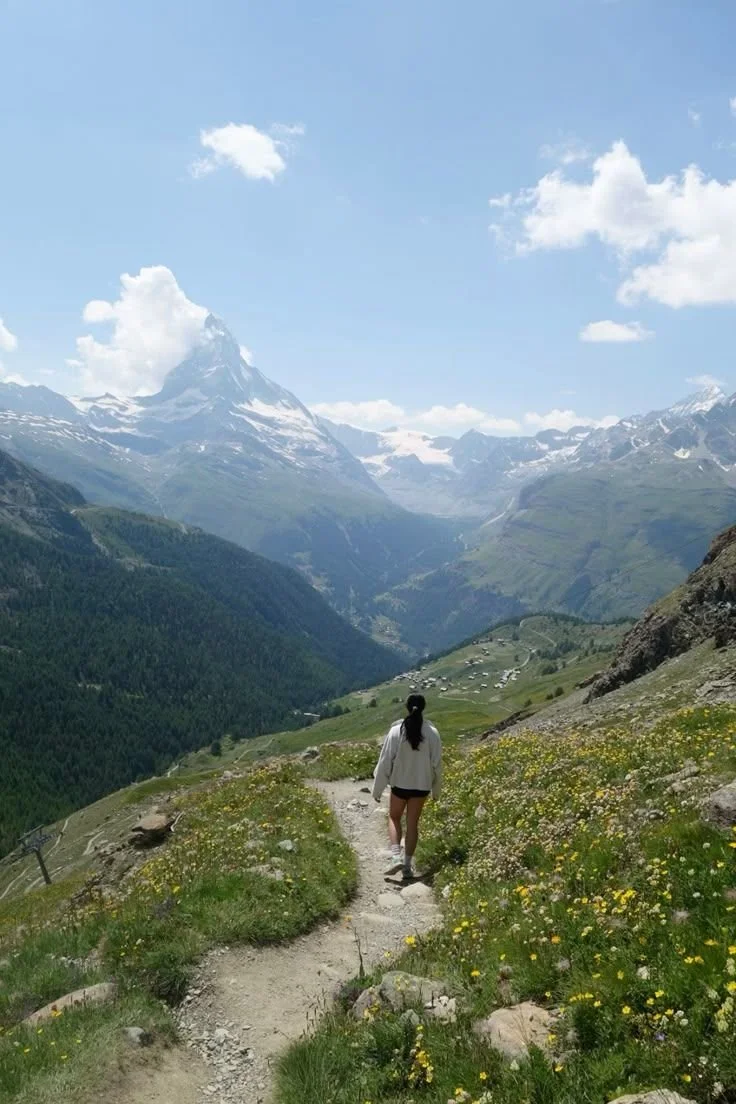
gentle hikes or nature trails
cooking outdoors (even one meal)
fishing, canoeing, or swimming (where available)
visiting local scenic viewpoints
These activities tend to be low-cost, family-friendly, and satisfying without being exhausting.
Disconnect a little to reconnect more
It can also help to take a break from constant technology. RV parks often create natural opportunities to socialise with fellow campers and enjoy a slower pace of life. Even a partial digital break—like limiting social media scrolling—can make your holiday feel longer, calmer, and more meaningful.
Takeaways
Switching from hotel vacations to RV travel is less about downgrading comfort and more about upgrading freedom. The experience works best when you adjust expectations, pack intentionally, learn a few basic setup skills, and choose a well-reviewed RV site that supports the kind of trip you want.
Most importantly, RV travel rewards those who embrace the outdoors. When you step outside more, slow the schedule, and let nature become part of your daily routine, you get the true benefit of the RV lifestyle: flexibility, simplicity, and the kind of calm that doesn’t come from luxury services—but from waking up exactly where you want to be.
Looking for Travel resources?
Looking to embark on a transformative journey to discover new cultures, expand your horizons, and reconnect with yourself? Explore, learn, and awaken your wanderlust with our travel partners designed to support you on your next getaway.