Travel Smarter With The Right Gear And Setup
Travel efficiency comes down to preparation and control. Most road frustrations are not caused by the destination, but by preventable problems like poor packing, disorganized gear, and last-minute decision-making. The right setup reduces friction at every stage, from moving through airport security to finding what you need quickly in a new city.
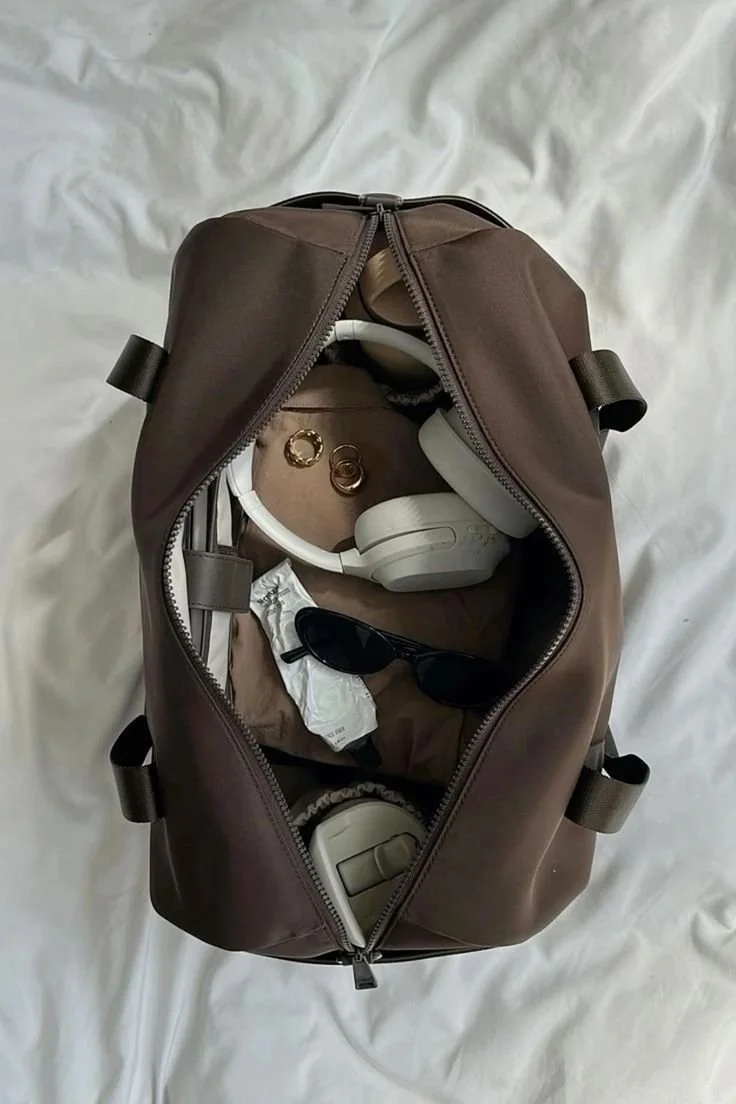
In this article, we will explore how to travel smarter by choosing functional gear, building a packing system that reduces rummaging, minimizing what you carry, and maintaining an organized setup that adapts to changing environments. The goal is to make travel more predictable, faster to manage, and less mentally taxing.
No. 1
Choose Gear Based on Function, Not Style
Many travelers buy bags and accessories based on how they look, then pay the price in discomfort and inefficiency. A travel bag is a working tool, and it should be evaluated like one: durability, weight distribution, storage layout, and accessibility matter more than aesthetics.
What to evaluate before you commit to a bag
A good bag should reduce strain, protect your essentials, and make it easy to access items without creating a mess. When any of these elements fail, you lose time and add stress, especially during long transit days.
Key features to look for:
Durable fabric that holds up to repeated handling and rough surfaces
Reinforced stitching at stress points such as strap anchors and handles
Comfortable straps with adjustability to fit your frame and load
A back panel that stays comfortable during long walks
A layout that matches how you access items in real life, not just in a showroom
Backpacks are often the most efficient option for mobility. High-quality options like Condor backpacks are built for load stability and compartmentalized storage, which helps when carrying electronics, documents, and daily essentials across multiple environments.
Match the bag to your travel style, not your aspirational itinerary
A common planning mistake is choosing gear for a trip you imagine, rather than the trip you are actually taking. If you will be walking city blocks, carrying a laptop, or moving through busy transit hubs, prioritize comfort and access over extra capacity.
Consider your most frequent scenarios:
Airport-heavy trips where quick access and stability matter
City travel where walking comfort and anti-theft awareness matter
Mixed trips where you need a bag that shifts from transit to day use easily
No. 2
Build a Packing System That Reduces Movement
Packing is not about fitting everything into a bag. It is about reducing how often you need to search, unpack, or reorganize. A structured system saves time and helps you avoid common mistakes like leaving items behind in hotel rooms or missing essentials at checkpoints.
Divide items by function and frequency of use
The fastest travelers are not necessarily the lightest packers; they are the most organized. When you know exactly where something is, you avoid rummaging, repacking, and decision fatigue.
A practical packing structure includes:
Top layer: travel documents, wallet, and items needed during transit
Middle layer: clothing packed by day or activity
Bottom layer: rarely used items or backup supplies
To strengthen this system, group items into small “modules” so you can grab what you need without disturbing everything else.
Common modules to create:
Charging kit (power bank, cables, adapters)
Hygiene kit (toothbrush, toothpaste, deodorant, wipes)
Health kit (medications, bandages, allergy relief)
Work kit (laptop accessories, notebook, pens)
Design your packing around touchpoints
A touchpoint is any moment you must access specific items quickly. If your packing does not support touchpoints, it will fail under pressure.
Typical travel touchpoints include:
Check-in and boarding
Security screening
Customs or document checks
Transportation changes (train to taxi, taxi to hotel)
Daypack transitions (hotel room to city exploration)
Packing with touchpoints in mind keeps your movement smooth and reduces delays.
No. 3
Minimize What You Carry Without Losing Readiness
Overpacking creates inefficiency. Every extra item adds weight, slows movement, and increases the chance of losing something. It also creates clutter inside your bag, which makes every retrieval slower.
Use versatility as your core packing rule
Versatile items earn their space because they serve more than one purpose. They reduce both volume and decision-making.
Choose items that:
Layer well across temperature changes
Work in casual and slightly formal settings
Dry quickly or resist odor over multiple wears
Pair with multiple outfits rather than one specific look
A practical rule: if you are unsure whether you will use something, leave it out. Most travel problems are solved with fewer items, not more.
Build outfits as combinations, not individual pieces
Instead of packing “tops and bottoms,” pack complete combinations you can rotate. This prevents the classic issue of bringing pieces that do not actually work together.
A helpful approach:
Pick 2 to 3 main colors
Choose 1 outer layer that works with all outfits
Pack shoes based on function (walking, versatile, optional)
No. 4
Organize for Fast Access and Fewer Mistakes
Access speed matters more than storage capacity. If you need to unpack half your bag every time you want a charger, medication, or toiletries, your setup is not working.
Assign fixed locations to high-use items
Consistency is what eliminates guesswork. When every item has a fixed location, you spend less time searching and more time moving.
High-use items to place in predictable locations:
Identification and travel documents
Wallet and keys
Phone charger and power bank
Earbuds or headphones
Hand sanitizer, wipes, or tissues
Medications you may need during transit
Use internal compartments and small organizers to group related items. The objective is not maximum separation; it is quick, repeatable access.
Make your bag easy to identify in crowded areas
In shared or high-traffic environments, bag mix-ups are more common than people expect. Personal identification reduces that risk and makes your gear easier to spot quickly.
Adding custom patches for backpacks makes your bag easier to recognize and reduces the chance of mix-ups in transit areas. It also speeds up retrieval when you are placing your bag in overhead storage, a luggage rack, or a shared vehicle.
No. 5
Prepare for Transit Points and Security Bottlenecks
Airports, train stations, and checkpoints are where most delays happen. Even a good packing system can fall apart if it is not optimized for inspections and quick transitions.
Set up your bag for fast screening
The goal at checkpoints is simple: remove what you must, present what is required, and repack quickly without creating disorder.
Key preparation steps include:
Keep travel documents in a single, easy-access pocket
Store electronics in a separate section for quick removal
Limit loose items that need individual handling
Avoid packing in a way that forces you to expose everything to retrieve one item. A checkpoint-friendly layout preserves privacy, reduces stress, and keeps your pace steady.
Build a small “transit buffer” into your carry
Transit points are unpredictable, and your bag should support minor disruptions without forcing a full repack.
A useful transit buffer might include:
A compact snack
A small water bottle (or an empty one for refilling)
A light layer for cold terminals or trains
A pen for forms when needed
No. 6
Adapt to Different Environments Without Repacking Everything
Travel often means moving between environments with different needs: urban areas, outdoor locations, varied weather, and transit systems. Your gear should adapt without requiring a full reset.
Use a flexible access strategy
Your priorities change throughout the day, so your access should change with them. Items needed during the day should be more accessible, while less critical items stay secured.
A simple daily adjustment strategy:
Morning: move day essentials to quick-access zones
Midday: consolidate receipts, tickets, and small items into one pocket
Evening: reset the bag so tomorrow starts clean
Balance security and accessibility
The more accessible something is, the easier it is to reach quickly, but also the easier it can be to lose. High-value items should be accessible enough to manage efficiently, but secure enough to protect in crowds.
Smart placement examples:
Passport and backup cards in a secure inner pocket
Phone and wallet in a consistent location that you can check quickly
Charging kit in a zippered pouch that you can remove in seconds
No. 7
Maintain Your Gear During Travel
Gear performance drops when it is not maintained. Small issues like broken zippers, worn straps, or messy contents can quickly become larger problems, especially when you have tight connections or long days.
Do a quick daily “end-of-day reset”
Maintenance does not take much time. A few minutes at the end of the day prevents friction tomorrow.
A simple reset checklist:
Remove trash, receipts, and packaging
Put high-use items back in their assigned locations
Repack clothing or modules that drifted out of order
Check for wear: zippers, straps, and seams
Charge power bank and devices so you start ready
Prevent small failures that create big delays
Travel is when gear gets stressed the most. Addressing minor problems early keeps them from escalating when you are on the move.
Examples of quick fixes to handle immediately:
Tighten a loose strap before it affects comfort
Reposition heavy items to improve weight distribution
Replace a worn cable before it fails mid-transit
No. 8
Focus on Efficiency Over Convenience
Convenience often leads to overpacking and poor organization. Efficiency comes from deliberate choices about what you carry and how you use it.
Build a setup that reduces decisions
A well-structured setup lowers mental load. You spend less time thinking about what to pack, where things are, or what to do next.
An efficiency-first mindset looks like this:
Pack fewer items, but higher-utility ones
Assign every essential a consistent location
Optimize for transit touchpoints, not just hotel living
Reset your bag regularly so that disorder does not accumulate
Measure your system by how it performs under pressure
Your packing system is only as good as it is when you are tired, rushed, or dealing with unexpected changes. If you can find what you need quickly, move through checkpoints smoothly, and avoid repacking constantly, your setup is working.
Takeaways
Travel becomes easier when your gear is chosen for function, comfort, and durability rather than appearance alone. A reliable bag, such as Condor backpacks, paired with a logical layout, reduces strain and keeps essentials accessible.
A strong packing system minimizes rummaging by organizing items by purpose and frequency of use, while reducing overall load through versatility. Fast access, clear modules, and visual identifiers like custom patches for backpacks help prevent delays and mix-ups.
Efficiency improves when you plan for transit bottlenecks, adapt your access to changing environments, and perform quick daily maintenance. With a consistent setup, you spend less time managing your belongings and more time focused on the journey.
Looking for Travel resources?
Looking to embark on a transformative journey to discover new cultures, expand your horizons, and reconnect with yourself? Explore, learn, and awaken your wanderlust with our travel partners designed to support you on your next getaway.