How To Host A Beautiful Celebration At Home
Hosting at home is at its best when you focus on control and flow. You are managing space, timing, and guest experience at the same time, and most problems come from overcomplicating the setup or trying to do everything at once. A clean plan, limited moving parts, and clear priorities make the event feel effortless without adding pressure.
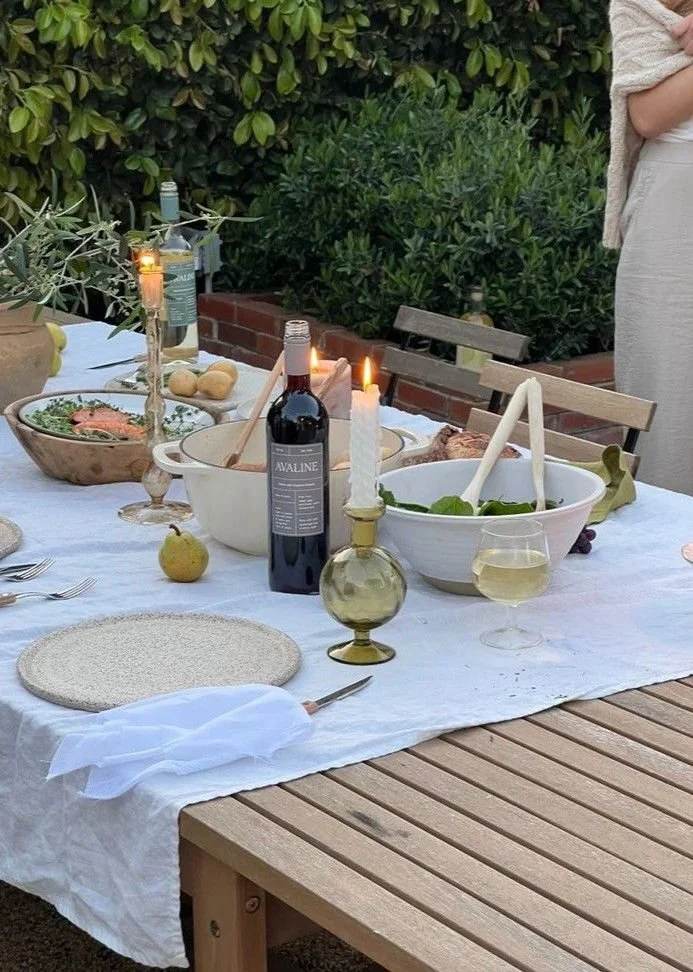
In this article, we will explore how to host a beautiful celebration at home by designing a smart layout, building a practical table setup, serving food that matches your timing, using decor strategically, and planning for cleanup in a way that keeps you present with your guests.
No. 1
Start With Layout and Guest Flow
Before thinking about decor or food, look at how people will move through your space. A home celebration succeeds when guests can enter, settle in, eat, and interact without congestion or confusion.
Define clear zones to prevent crowding
When everything happens in one area, movement slows down, and the room feels smaller than it is. Separate key zones so guests intuitively understand where to go without being directed.
Use a simple zone plan such as:
Entry area for greetings and initial gathering
A central table or station for food and drinks
Seating areas for conversation, ideally in small clusters
Clear walking paths between zones, especially around doorways and corners
Quick ways to improve flow in small spaces
Even compact homes can host comfortably if the layout is intentional. Focus on creating space where it matters most, even if the room looks slightly more minimal than usual.
Consider these adjustments:
Move side tables, decorative stools, or extra chairs to a bedroom temporarily
Push larger furniture slightly toward the walls to create walking space
Keep high-traffic paths at least shoulder-width where possible
Place drinks away from the main food station to reduce bottlenecks
Choose one primary “gathering” room instead of spreading guests everywhere
When the layout works, everything else becomes easier to manage because you are not constantly reacting to crowding or traffic jams.
No. 2
Keep the Table Setup Practical and Clean
The table is the visual center of most home celebrations. It should look intentional at the start and remain functional once guests begin eating, setting down glasses, and passing plates.
Build structure with simple, reliable layers
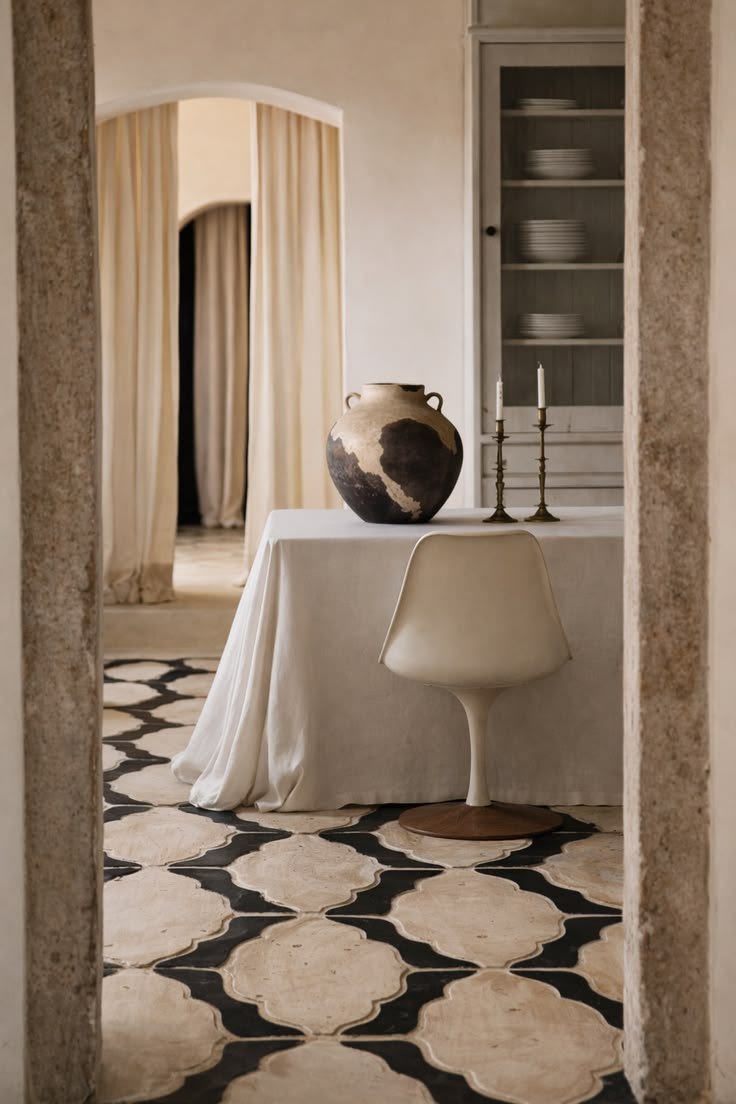
A table looks “hosted” when it has a consistent foundation. Instead of filling the surface with decor, prioritize a few elements that create order.
A practical table formula:
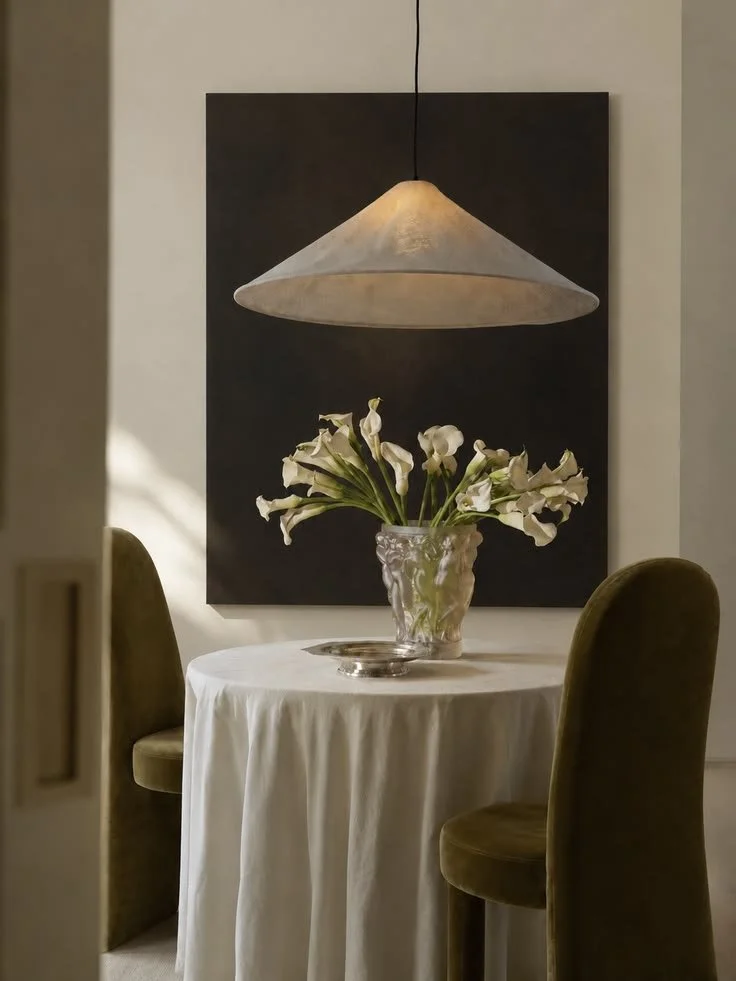
One base layer that defines the surface (tablecloth or runner)
Place settings that match the formality of the event
One centerpiece that stays low and does not block sightlines
Small accents that support the theme, not compete with it
Items like customized table runners help define the table visually while protecting surfaces and keeping the setup organized. They also add polish without requiring extra decor that will need to be moved later.
Keep guest comfort in mind
Overcrowded tables look impressive in photos, but become frustrating during the event. Guests need elbow room, space for shared dishes, and somewhere to put phones or handbags if seating is tight.
To keep the setup guest-friendly:
Keep centerpieces low enough for conversation across the table
Avoid decor that sheds (loose petals, glitter, fragile items)
Use stable candles or enclosed lighting to reduce risk
Ensure each place setting has enough space for a plate and a drink
A clean table is not a sparse table; it is one where every item earns its spot.
No. 3
Plan Food Around Timing, Not Variety
Food is where most hosts overextend. Too many menu items create more prep, more dishes, and more opportunities for delays. A smaller menu that is timed well will feel more generous than a large menu that arrives late or requires constant attention.
Choose food that holds well and serves easily
The best home-hosted menus are designed to be low-maintenance during the event. Aim for dishes that can sit for a while without losing texture or safety.
Build your menu around:
Dishes that can be served at room temperature
Items that can be reheated quickly without careful plating
Foods that can be portioned easily to avoid crowding at the table
A mix of familiar staples and one or two standout options
Create a service plan so you are not trapped in the kitchen
A smooth event usually has fewer “hard moments” where everything must be done at once. Plan food based on the flow of the gathering.
Useful timing strategies:
Serve a simple snack early so guests are comfortable while arriving
Delay the main spread until most guests have settled in
Refresh one or two items later rather than serving everything at once
Keep dessert simple, or pre-portion it to reduce last-minute work
If you want the event to feel relaxed, your menu should be designed so you can spend most of your time with guests, not checking timers.
No. 4
Use Simple Decor That Scales the Space
Decor should support the atmosphere, not take over the room. The goal is to make your home look intentional and celebratory while staying easy to set up, live with, and clean up.
Pick a theme you can execute consistently
A cohesive look usually comes from restraint, not abundance. Choose one theme or palette and let repetition do the work, rather than adding unrelated elements.
A simple decor framework:
One primary color and one supporting neutral
One repeating texture (linen, glass, greenery, wood)
One focal point (table, entry, or a small photo moment)
Lighting also plays a major role. Soft, warm lighting makes spaces feel more welcoming and helps create a “special occasion” atmosphere without adding extra decor.
Use visual markers for larger or outdoor gatherings
If guests need help finding the right home, entrance, or celebration area, clear signage improves the experience immediately. It also reduces the number of questions you need to answer while you are hosting.
For outdoor or larger gatherings, visible markers help define the celebration. Using yard sign letters can highlight the event and guide guests without needing extra explanation.
Prioritize decor that is easy to remove
Complex installations often create two problems: they take too long to set up, and they make cleanup feel like a second event. Choose decor that can be placed quickly and removed just as easily.
Examples of low-effort, high-impact decor:
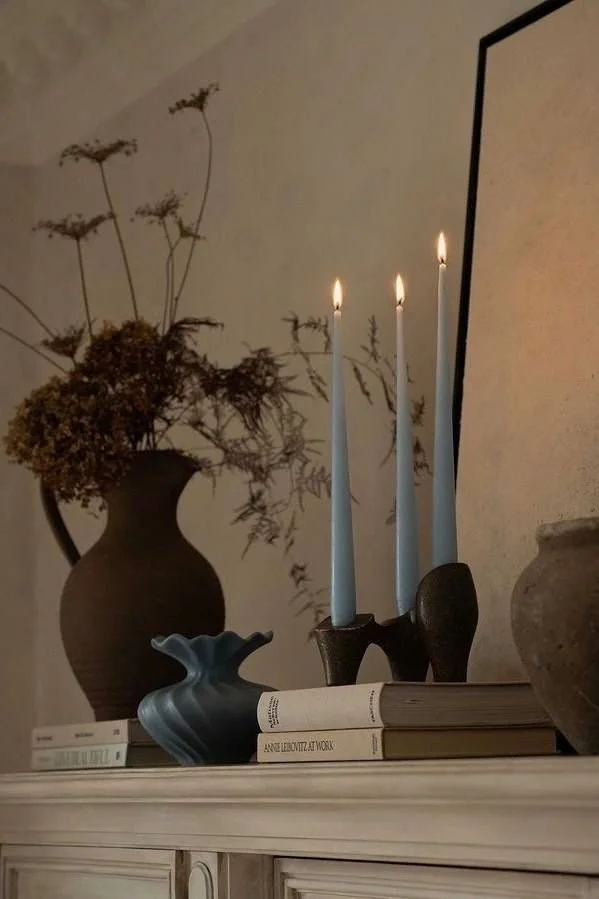
Grouped candles on a tray
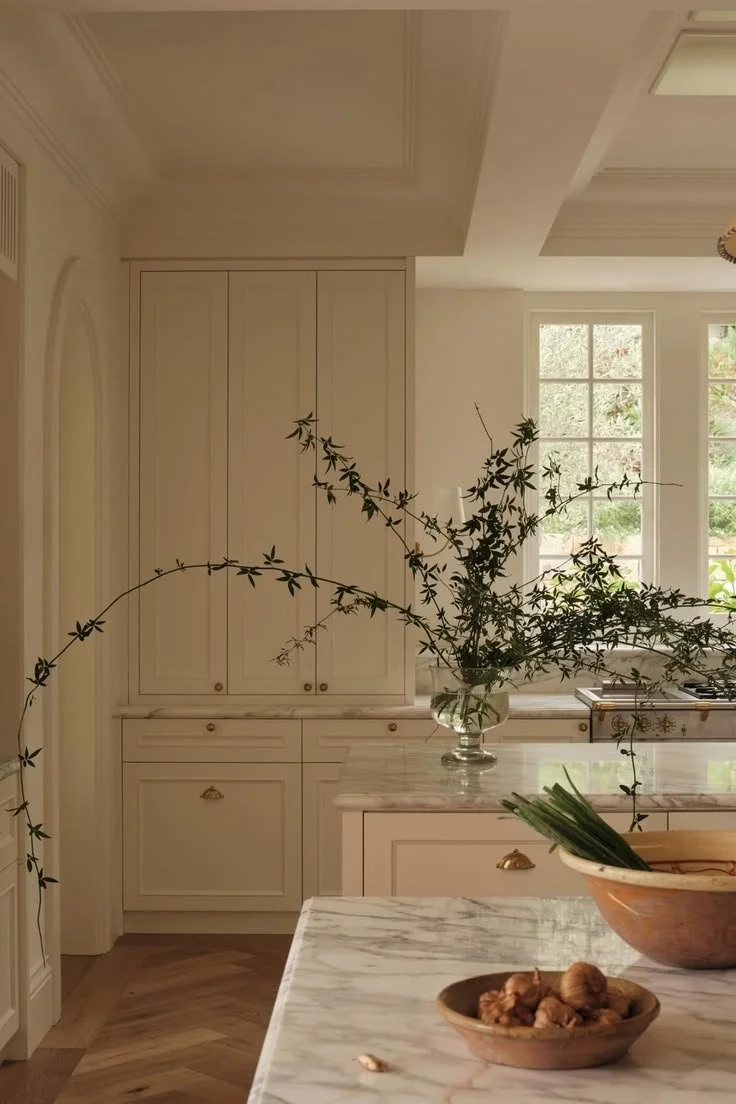
A simple arrangement of greenery or seasonal stems
Coordinated napkins or a single repeated accent color
One focal display near the entryway
No. 5
Manage Timing to Avoid Bottlenecks
A well-timed event feels effortless because guests are never waiting too long for the next thing, and you are not trying to do five tasks at once. Poor timing tends to create crowding, delayed food, and a host who feels rushed.
Stagger the “big moments”
Rather than launching everything at once, let the gathering breathe. Give guests time to arrive, settle, and start conversations before introducing food, speeches, or activities.
A simple pacing structure:
Arrival window with drinks available
Light snack or starter once most people are there
Main food service after guests are settled
Dessert or a closing moment later to signal the final phase
Focus on what affects guests directly
If multiple tasks need attention, prioritize the details that influence comfort and flow first.
Top priorities during the event:
Food availability and serving access
Seating and conversational comfort
Temperature, lighting, and music level
Clean, stocked bathrooms
If those are handled, small imperfections in decor or timing will not matter.
No. 6
Prepare for Cleanup Before the Event Starts
Cleanup is part of hosting. Planning for it early makes the end of the night significantly easier, and it keeps your home feeling manageable throughout the gathering.
Set up “systems” guests can use without asking
When disposal and dish areas are obvious, guests naturally help maintain the space. You also avoid clutter building up on random counters and side tables.
A basic cleanup setup includes:
Clearly placed trash and recycling bins
A designated area for used dishes (a tray, bus tub, or one side of the sink)
Extra cloths or wipes for quick surface resets
A spare garbage bag ready for a fast mid-event swap
Reset as you go, in short bursts
You do not need to clean constantly, but small resets prevent a larger mess later.
Quick resets that take under two minutes:
Clear and wipe the drink area
Replace napkins or paper towels
Remove empty bottles or packaging
Load the dishwasher once during the event, if possible
No. 7
Stay Flexible During the Event
Even with a solid plan, things will shift. Guests may rearrange furniture, timing may change, or food may run out faster than expected. The best hosts respond without letting small surprises change the mood.
What flexibility looks like in practice
Staying flexible does not mean abandoning structure; it means adjusting calmly.
Examples:
If one area becomes crowded, move a snack bowl or drink station to a second location
If guests linger at the table, delay cleanup and lean into conversation
If seating is tight, bring in extra chairs from another room without apologizing for the mismatch
If a dish runs low, replace it with something simple rather than rushing to remake it
A comfortable atmosphere comes from how the host behaves as much as how the home looks.
No. 8
Focus on Experience Over Perfection
A successful home celebration is not about flawless presentation. It is about how the space feels and how easily guests can connect with one another. Guests remember warmth, ease, and thoughtful details far longer than they remember whether every plate matched.
Host decisions that improve guest experience fast
If you want to make the event feel “complete” without doing more work, prioritize the details that guests feel immediately:
Comfortable temperature and ventilation
Enough seating options, even if they are informal
A clear place for coats and bags
Music set to a level that supports conversation
Simple food access with obvious serving utensils and plates
When the layout is clear, the food is manageable, and the setup is simple, the event runs smoothly. Keeping things controlled and straightforward allows you to host without stress and still create a setting that feels polished.
Takeaways
A beautiful home celebration starts with flow: define zones for arrival, food, drinks, and conversation so guests can move comfortably. When movement is easy, the event feels calmer, and your space feels larger.
Keep the table and decor intentional but practical by using simple layers, low centerpieces, and a consistent theme. Plan food for timing and ease of service so you can stay present rather than managing constant kitchen tasks.
Reduce stress by pacing the event, setting up cleanup systems in advance, and staying flexible as the night evolves. Guests will remember comfort, connection, and atmosphere more than perfect details.
Looking for Home resources?
Looking to enhance your living space and create a sanctuary that supports your well-being? Explore our home partners who offer a wide range of resources to elevate your home environment.