How Choosing Artisan Tiles Transforms Your Space
Home design enthusiasts are increasingly opting for artisan tiles to revamp their interiors—and the shift is more than a passing trend. As homeowners move away from uniform, mass-produced finishes, they’re embracing materials that feel intentional, expressive, and built to last. Artisan tiles, celebrated for their distinctive patterns and superior craftsmanship, offer a rare blend of practicality and personality: they can withstand daily wear while turning ordinary surfaces into design statements.
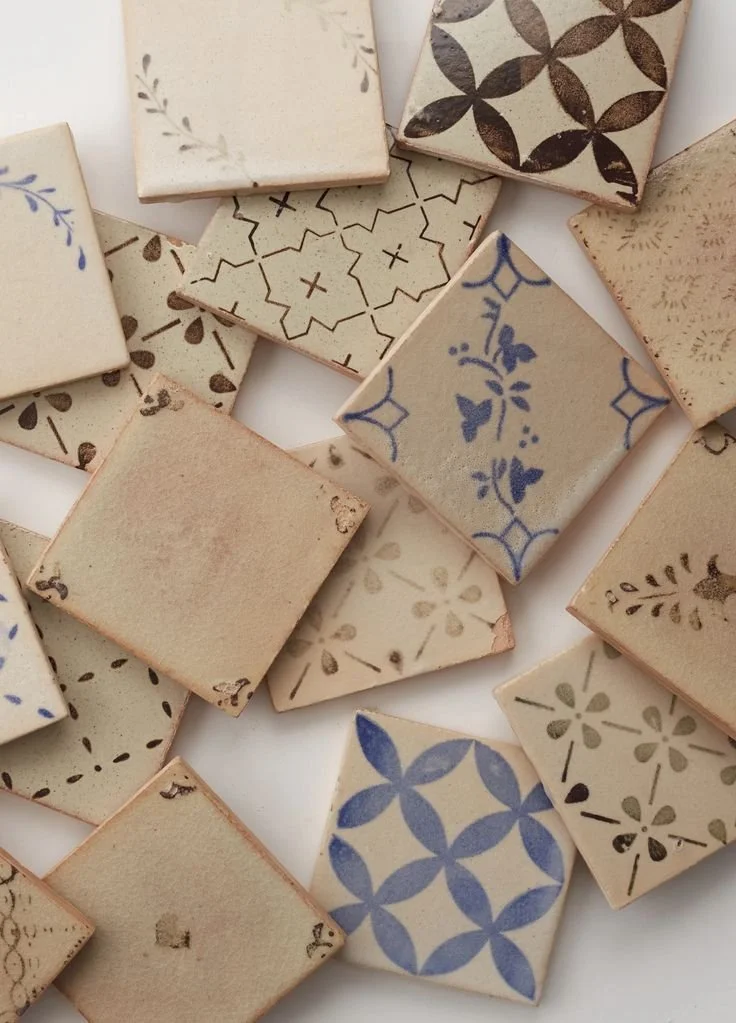
What makes them especially compelling is how naturally they support the broader movement toward bespoke homes. People no longer want spaces that look like a showroom template; they want rooms that reflect lived experience, personal taste, and a sense of story. Whether it’s a hand-painted backsplash that becomes the heart of a kitchen, a textured bathroom wall that feels spa-like, or a mosaic entryway that sets the tone the moment you walk in, artisan tiles give you a way to build identity into the architecture of your home.
In this article, we’ll explore how artisan tiles enhance the beauty, durability, and functionality of living spaces. You’ll learn how to choose patterns that suit your layout and lighting, why quality and installation methods matter, and how customized options can elevate your home from stylish to truly one-of-a-kind. Along the way, we’ll also cover practical considerations—maintenance, placement strategy, and design coherence—so your choices look as good in five years as they do on day one.
No. 1
How Artisan Tiles Enhance Aesthetic Appeal
Artisan tiles significantly elevate a room’s aesthetic by introducing depth, texture, and artistry—elements that are difficult to replicate with standard, factory-printed tile. Where conventional tiles often rely on repeated patterns and predictable finishes, artisan pieces are made to feel curated.
They may feature hand-painted scenes, intricate geometric motifs, or mosaic compositions assembled with careful variation. Even when the design repeats, subtle differences in glaze, pigment density, or surface texture create a lively, human quality.
A common reason homeowners choose artisan tiles is their ability to act as a focal point. Instead of decorating a room after the finishes are installed, artisan tiles allow you to build the room around a “hero surface.” Examples include:
A kitchen backsplash that anchors cabinetry and countertops
A fireplace surround that becomes an architectural centerpiece
A powder room accent wall that feels like a boutique hotel
A stair riser detail that turns a functional element into art
Traditional ceramic tiles can certainly be attractive, but artisan tiles expand the design vocabulary. Styles range from old-world Mediterranean to crisp contemporary, with everything from painterly florals to minimal, tactile relief patterns. Many homeowners also appreciate that these tiles look better up close—where real homes are experienced—because the craftsmanship rewards attention.
The rise in demand for bespoke finishes reflects this desire for originality. If a trend shows a 30% increase in homeowners selecting unique tiles over mass-produced options, it signals a broader preference for interiors that communicate individuality rather than conformity.
Design tip: Before choosing a tile, evaluate the visual weight you want it to carry. A high-contrast, intricate tile naturally draws attention; a subtle, tonal artisan tile adds sophistication without dominating the room. Both can be “statement” choices—just in different ways.
No. 2
Choosing Unique Patterns and Designs for Your Space
One of the most exciting advantages of artisan tiles is variety. Patterns can be bold or restrained, dense or airy, historic or modern. This range creates near-endless creative combinations—but it also means selection requires strategy. A beautiful tile that doesn’t match the room’s scale, lighting, or function can feel chaotic rather than elevated.
Pattern impacts perception of space
Beyond aesthetics, patterns influence how large or small a room feels. The same square footage can read very differently depending on motif size, contrast, and orientation:
Large-scale patterns can make compact rooms feel more expansive by reducing visual “busyness.”
Small-scale, high-contrast patterns add energy and detail, but may feel crowded in tight spaces if overused.
Linear or directional motifs can elongate a wall, widen a narrow area, or draw attention upward.
Repeating geometric patterns can add modern structure, while florals and hand-painted themes add softness and narrative.
If research suggests that vibrant, colorful patterns can improve mood and productivity, it makes sense that homeowners often place energizing tiles in kitchens, home offices, or creative studios—rooms where people want a lift. Conversely, calmer palettes and gentle tonal variation are frequently chosen for bathrooms and bedrooms, where the goal is restoration.
Practical steps for choosing patterns
To avoid expensive missteps, work through a clear decision process:
Identify the room’s role: Is it a high-traffic kitchen? A quiet primary bath? A decorative entryway?
Define the “tile job”: Focal point, supporting background, or transitional element?
Consider lighting: Natural light amplifies color shifts and glaze effects; dim rooms may need lighter tile.
Coordinate with fixed finishes: Cabinets, countertops, flooring, and paint are your anchor elements.
Test samples at home: View them morning vs. night; glossy glazes can change drastically with lighting.
Consulting style guides can be useful, but the best guidance often comes from seeing real installations and assessing how the tile behaves at full scale. A pattern that looks perfect on a small swatch can feel very different across a 10-foot wall.
Rule of coherence: If your tile is visually complex, keep surrounding finishes simpler. If your tile is quiet and tonal, you can add interest through layered textures (wood grain, stone, brushed metals).
No. 3
The Durability and Quality of Artisan Tiles
Artisan tiles are not only decorative—they are often built to endure. Many are produced using high-grade materials such as terracotta and ceramic, and finished with glazes that add both beauty and protection. When properly installed and maintained, artisan tile surfaces can perform exceptionally well over time, even in demanding rooms like kitchens, bathrooms, and mudrooms.
Why artisan tiles can outlast standard options
Durability depends on materials, firing process, glaze quality, and installation. Artisan makers often pay closer attention to the full lifecycle of the tile, not just its appearance.
Key factors that support longevity include:
Robust base materials suited for the tile’s intended location
Carefully developed glazes that resist staining and moisture
Thickness and structural integrity appropriate for foot traffic or wall use
Compatibility with sealing (when needed) for porous tiles like terracotta
If studies suggest artisan tiles can extend flooring life by up to 50% when properly maintained, that highlights the value of investing in quality plus correct care. Still, it’s important to be realistic: not every artisan tile is made for every application. Some are best for walls, others for floors, and some require sealing or gentler cleaners.
Safety and performance in wet or high-traffic areas
Many artisan tiles can be selected with performance in mind—especially for bathrooms, showers, and kitchens. Depending on finish, certain surfaces may provide better slip resistance, while others (very glossy glazes) are better suited for walls and backsplashes.
For high-traffic floors, ask about:
Recommended use (wall vs. floor rating)
Slip resistance (especially in wet zones)
Expected wear characteristics over time
Whether the tile needs sealing and how often
Maintenance that protects the investment
Routine care keeps artisan tiles vibrant and prevents long-term damage.
Consider these baseline practices:
Clean with pH-neutral products suitable for tile and grout
Avoid harsh abrasives that can dull glazes or scratch surfaces
Seal porous tiles when recommended (and re-seal on schedule)
Address grout maintenance early—grout often ages faster than tile
Consult cleaning guides specific to your tile type for best practices, especially if you’ve chosen handmade terracotta or tiles with crackle glazes that may require specialized handling.
No. 4
Elevating Your Space with Customized Artisan Tiles
While off-the-shelf artisan tiles already offer a distinctive look, customized artisan tiles take the concept further: they allow your home to carry a signature detail that cannot be replicated elsewhere. Custom patterns can be as subtle as a personalized colorway or as bold as an entirely bespoke pattern designed around your story, architecture, or cultural references.
What customization can look like
Customization doesn’t always mean designing from scratch.
Common bespoke approaches include:
Adjusting color palette to match cabinetry, paint, or textiles
Selecting a specific glaze finish (matte, satin, gloss, crackle)
Modifying the scale of a motif for the room’s proportions
Creating a border, medallion, or mural feature for a focal wall
Incorporating meaningful symbols, dates, or place-inspired elements
Customers often collaborate with artists to create designs that reflect personal narratives—travel inspirations, family heritage, or a theme that ties the home together. This approach is particularly popular in high-end renovations, where the goal is not merely “new finishes,” but a home that feels authored.
How to plan a custom tile project successfully
Commissioning custom tiles requires alignment between your vision and practical constraints like budget, timelines, installation complexity, and long-term maintenance.
A strong process usually looks like this:
Start with concept and constraints: Where will the tile go, and what must it withstand?
Collect references: Photos, colors, textures, and style cues you want echoed.
Work with a specialist: Approach artisans experienced in bespoke tile creation.
Request mockups or samples: Approve color and glaze under your home lighting.
Coordinate with your installer early: Handmade tiles may have variations that affect layout and grout spacing.
Because custom work can involve longer lead times, it’s wise to factor tile production into the broader renovation schedule—especially if other trades (cabinetry, counters, plumbing fixtures) depend on the tile being installed at a certain stage.
Integration tip: Use custom tiles in a targeted way for maximum impact. A single custom backsplash or feature wall can transform a space without requiring every surface to be bespoke.
No. 5
Practical Placement Ideas: Where Artisan Tiles Deliver the Biggest Impact
If you’re investing in artisan tiles, placement strategy matters. The goal is to put the artistry where it can be appreciated, while ensuring performance fits the room’s demands.
High-impact locations include:
Kitchen backsplash: Ideal for hand-painted tiles and detailed patterns.
Bathroom vanity wall: A controlled splash zone with strong visual payoff.
Shower niche or accent band: Adds luxury without overwhelming the space.
Fireplace surround: Turns a functional feature into a signature design moment.
Entryway floor or stair risers: Creates a memorable first impression.
To keep the design cohesive, balance artisan tile moments with calmer surfaces. Think of artisan tiles as punctuation: used intentionally, they make the whole “sentence” of the room more expressive.
Takeaways
In this article, we explored why artisan tiles have become a go-to choice for homeowners seeking interiors that feel personal, elevated, and enduring. Artisan tiles enhance aesthetic appeal through intricate patterns, hand-crafted variation, and the ability to create focal points that define a room. Their wide range of designs—geometric, floral, mosaic, contemporary, and traditional—allows you to shape how a space feels and even how large it appears.
Beyond beauty, artisan tiles often deliver impressive durability when the material, finish, and installation method match the room’s demands. Finally, customized artisan tiles offer a rare opportunity to embed story and identity into your home through bespoke colorways, motifs, and artist collaborations.
If you want the best results, choose patterns with intention, test samples in real lighting, confirm performance requirements (especially in wet or high-traffic areas), and plan maintenance from the start. Done well, artisan tiles don’t merely decorate a home—they help define it.
Looking for Home resources?
Looking to enhance your living space and create a sanctuary that supports your well-being? Explore our home partners who offer a wide range of resources to elevate your home environment.