How To Explore A New Place Properly - Without Turning Your Trip Into A Blur
Arriving somewhere new is a thrill—fresh scenery, unfamiliar streets, and the feeling that anything could happen. It’s also the moment when many travelers make the same mistake: trying to do everything at once. You may even build a detailed itinerary before you leave, packing your days with nonstop sightseeing.
The problem is that an overly structured trip can quickly become stressful, rushed, and strangely forgettable. When every hour is scheduled, experiences start to merge together, and the destination becomes a checklist rather than a place you actually feel.
In this article, you’ll find practical, calming ways to explore a destination more deeply—without sacrificing fun. These tips are designed to help you slow down, notice more, connect with people, and return home with clearer memories and a stronger sense of what made the place special.
No. 1
Don’t Have a Strict Plan (Use a “Loose Framework” Instead)
Having a general idea of what you want to see is helpful. A rough list of priorities can prevent decision fatigue and ensure you don’t miss something you truly care about. However, packing every hour with activities often creates the opposite of what travel is meant to provide: freedom.
When your schedule is too tight, a few things happen:
You stop noticing details: You’re always thinking about the next stop rather than what’s in front of you.
Delays feel like disasters: A long line, unexpected weather, or slow public transport can throw everything off.
You spend more time “transitioning” than experiencing: Moving between locations eats into the day more than most people anticipate.
You feel pressure to maximize every minute: That pressure can erase spontaneity—the thing that often makes trips memorable.
A better approach is to use a loose framework. Choose one main activity for the morning, one anchor plan for the afternoon, and keep the rest of the day open for discoveries. This gives you structure without turning your trip into a race.
A simple, flexible planning method
Try planning each day with:
One “must-do” (something you’d be disappointed to miss)
One “nice-to-do” (optional, based on energy and timing)
One open slot (for wandering, resting, or unexpected opportunities)
This method helps you stay present. It also makes room for the best part of travel: the surprises you can’t schedule.
No. 2
Walk as Much as You Can (It’s the Best Way to Actually See a Place)
Walking is one of the most effective ways to understand a destination—especially in cities, coastal towns, historic districts, and small communities where the charm is in the details. When you walk, you see the “in-between” moments that taxis, subways, and tour buses erase.
On foot, you’re more likely to notice:
Architecture styles and small design details
Street art, murals, and local signage
Corner cafés, bakeries, and independent shops
Parks, viewpoints, quiet streets, and hidden courtyards
The natural rhythm of daily life—how people actually live
Walking also slows time down in the best way. Instead of rushing between highlights, you experience the atmosphere: the sounds, the scents, the light, the texture of the place.
Make walking easier (and more enjoyable)
To get more out of walking without wearing yourself out:
Start early when streets are quieter and temperatures are cooler
Wear shoes you can walk in for hours (not just something that looks good)
Plan “micro breaks” (coffee stops, benches, short detours)
Choose one neighborhood at a time instead of crossing the entire city repeatedly
Walk with a purpose sometimes—then wander without one later
The goal isn’t to walk nonstop. It’s to use walking as a tool to absorb the destination more naturally.
No. 3
Talk to People (Small Conversations Create Big Memories)
A destination becomes more meaningful when it stops being anonymous. Talking to locals—even briefly—can completely change how you see a place. People who live there often offer insights you won’t find in guidebooks: a viewpoint that’s better at sunset, a peaceful street that tourists miss, a family-run restaurant, or a local event happening that night.
The best part is: you don’t need long, complicated conversations. A few words can be enough to open a door.
Easy ways to connect (without feeling awkward)
If you’re shy or unsure where to start, try:
Asking, “What’s your favorite place to eat around here?”
Asking baristas or shop staff what they recommend nearby
Complimenting something simple (“This neighborhood is beautiful—do you have a favorite spot here?”)
Joining a small group tour early in the trip (you’ll get tips plus confidence)
When you interact with people, the destination feels less like a backdrop and more like a community. That sense of welcome can transform your entire trip.
No. 4
Give Yourself Time to Settle (Staying Put Can Be the Smartest Move)
Many travelers assume that moving around more means experiencing more. Sometimes it does. But often, frequent relocation creates stress: check-out times, luggage logistics, transport schedules, and the mental drain of repeatedly learning new routines.
Spending more time in one base can make your trip feel calmer and richer. It gives you time to return to a favorite café, revisit a street at a different time of day, or explore nearby places without the constant disruption of packing and moving.
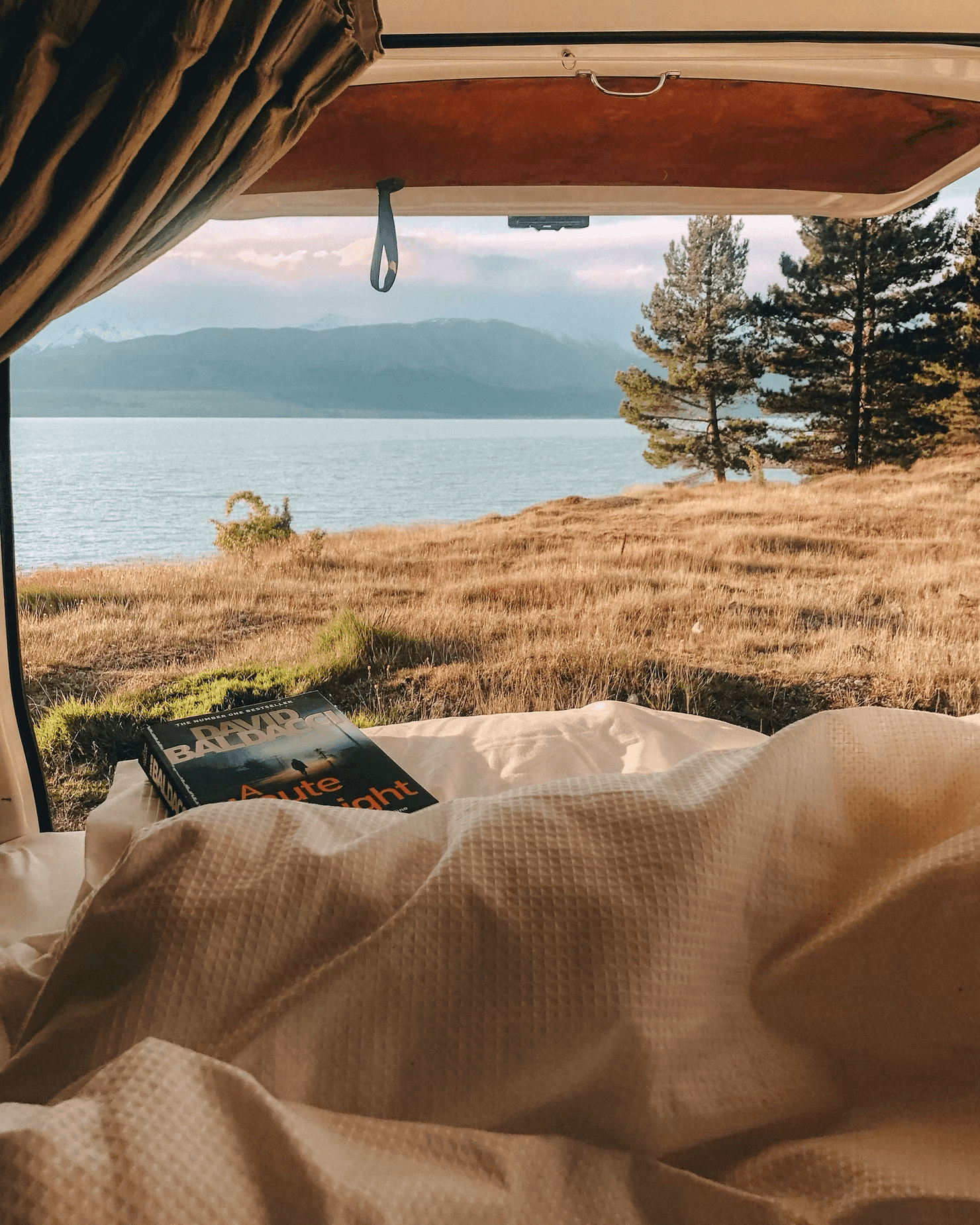
Staying somewhere relaxed—like a family campground—can be a surprisingly effective way to slow down. It gives you a comfortable home base where you can unwind between outings, spend evenings quietly, and start each day without feeling rushed.
Benefits of choosing one “base”
When you settle into one place, you gain:
More energy (less transit, fewer logistics)
Better familiarity (you stop feeling lost and start feeling oriented)
More spontaneity (you can decide last-minute plans more easily)
Stronger memories (each day feels distinct, not scrambled together)
If your goal is to explore properly—not just collect photos—give yourself permission to stay put.
No. 5
Try Local Experiences (Go Beyond the “Top 10”)
Exploring deeply means doing things that are specific to the place you’re visiting. Iconic attractions can be wonderful, but they’re only one layer of the destination. The deeper layer—the one you remember—is often found in local experiences.
Local experiences might include:
Regional food you can’t easily find elsewhere
Small markets, community fairs, or neighborhood festivals
Outdoor activities tied to the landscape (coastal walks, forest trails, lake swimming)
Local crafts, workshops, or cultural demonstrations
Live music in a small venue rather than a major tourist show
These experiences create a stronger connection. They help you understand not just what a place looks like, but what it feels like.
Choose quality over quantity
It’s important to remember: you don’t have to do everything. In fact, you probably shouldn’t.
Pick one or two local experiences that genuinely excite you, and do them well—without rushing. A single meaningful activity can be more memorable than five rushed stops.
A good rule is:
One standout local meal
One cultural or community moment
One nature-based experience (if available)
That combination often gives a trip balance and depth.
No. 6
Build Rest Into Your Trip (So You Don’t Burn Out)
Rest is not wasted time—rest is what makes experiences enjoyable. When you’re exhausted, you’re less patient, less curious, and less able to absorb what you’re seeing. Without rest, even the most beautiful destination can start to feel like work.
Rest can be simple:
A slow breakfast without checking your phone
An afternoon break back at your accommodation
Sitting in a park and watching daily life
A quiet evening instead of forcing one more activity
If you treat rest as part of the plan, you’ll have more energy for the moments that matter.
No. 7
Keep Your Evenings Simple (That’s When the Day “Settles” in Your Mind)
One reason trips turn into a blur is that there’s no time to process them. If you rush from morning until late night, your brain doesn’t get a chance to file memories properly. A calmer evening can help the day feel complete.
Consider:
A relaxed dinner close to where you’re staying
A short walk after sunset
Reviewing photos or journaling a few lines
Planning only the first part of tomorrow, not the whole day
These small habits help your experiences become distinct rather than blending together.
Takeaways
In this article, we explored how to enjoy a destination more deeply by slowing down and making space for real discovery. A strict, hour-by-hour itinerary can create stress and turn your trip into a checklist. Instead, use a flexible plan with one or two priorities per day, then leave room for surprises.
Walking helps you notice the character of a place—its details, atmosphere, and everyday rhythm. Talking to locals, even briefly, can lead you to experiences you’d never find on your own.
Giving yourself time to settle—especially by choosing a calm base like a family campground—reduces burnout and makes each day more memorable. Finally, trying local experiences (without trying to do everything) helps you form a stronger connection to where you are.
If you want your trip to be more than a blur, the best strategy is simple: do less, notice more, and let the destination unfold at a human pace.
Looking for Travel resources?
Looking to embark on a transformative journey to discover new cultures, expand your horizons, and reconnect with yourself? Explore, learn, and awaken your wanderlust with our travel partners designed to support you on your next getaway.