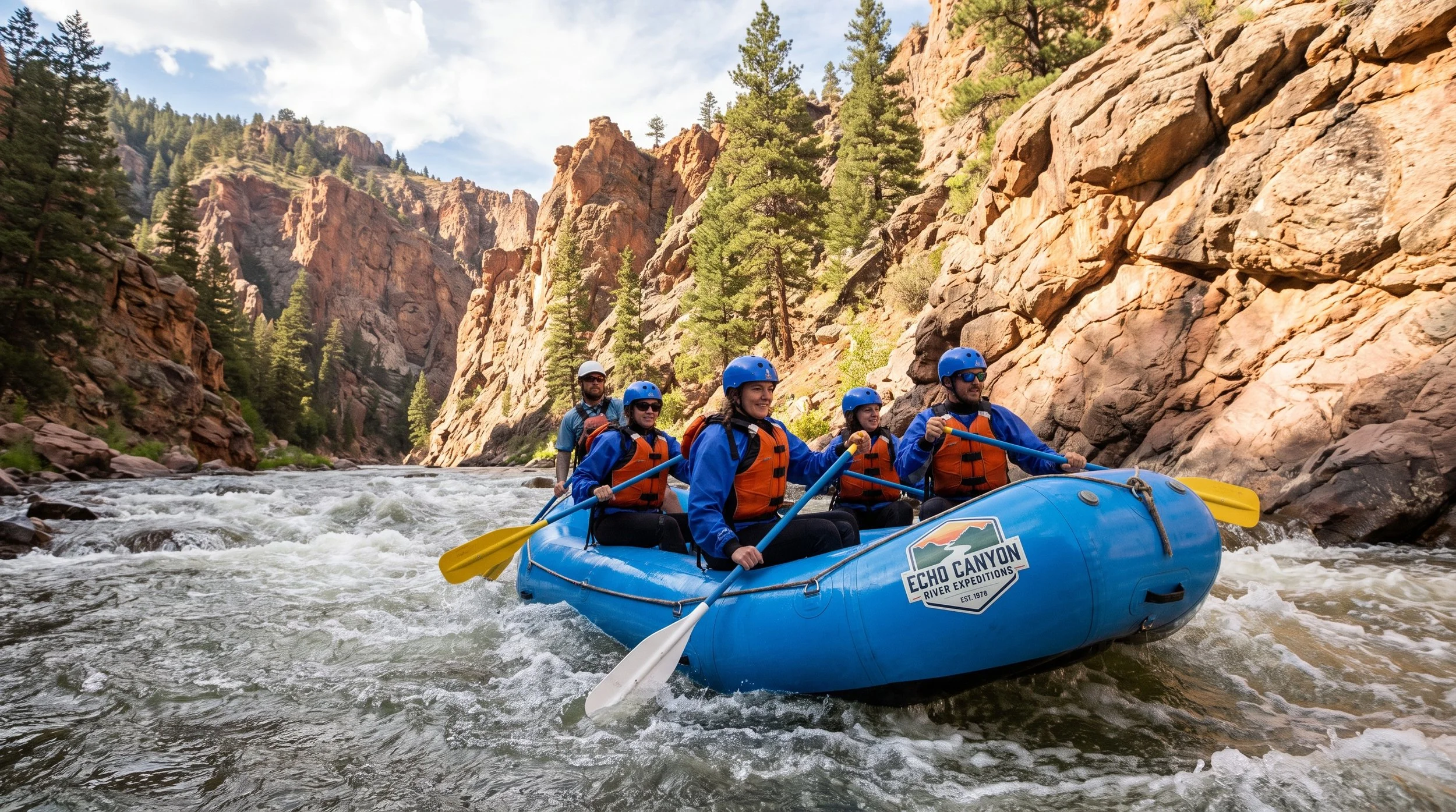
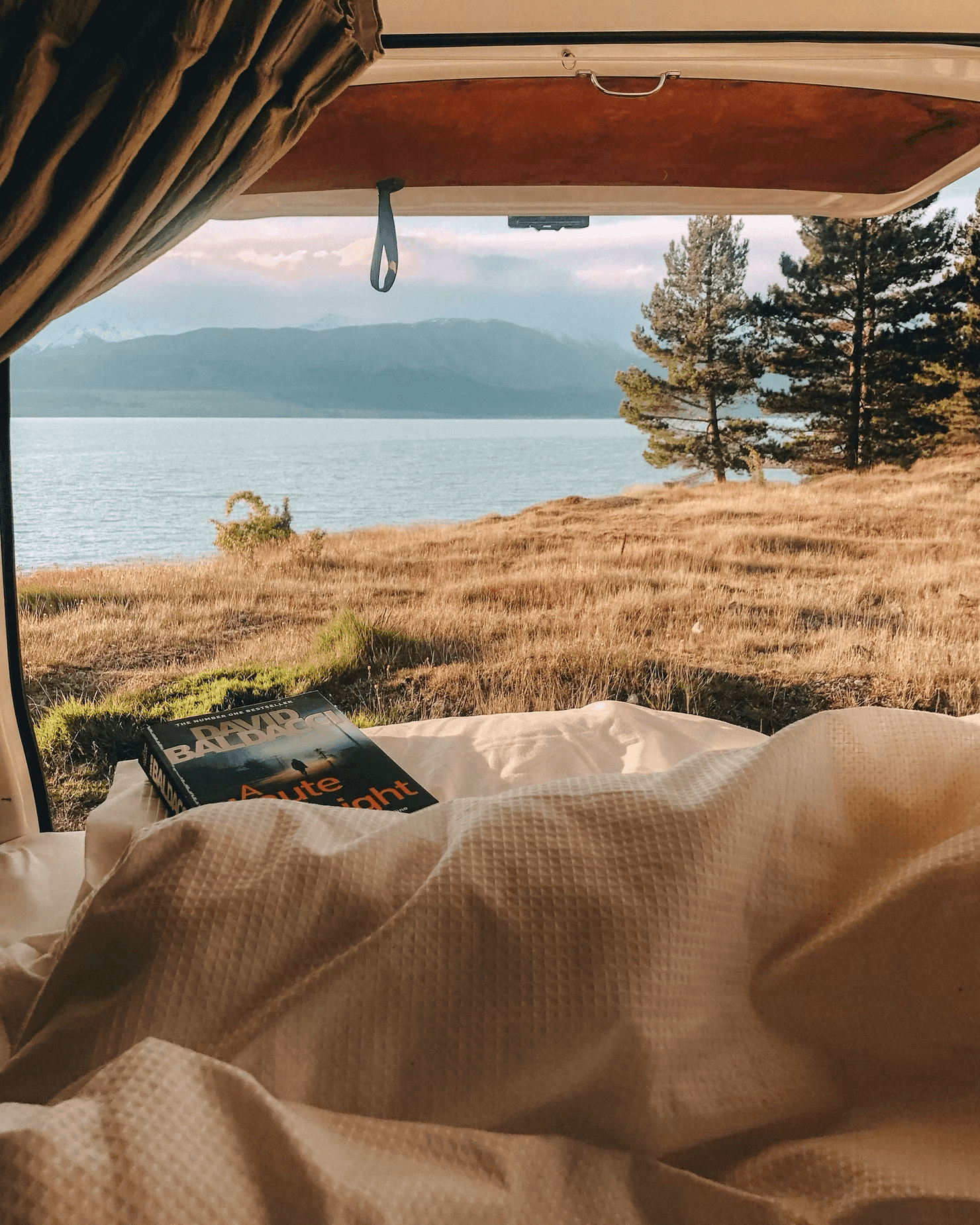
4 Smart Strategies For Budget-Friendly Travel
Travel is an essential part of life for many people. A well-planned trip can help you step away from work pressures, reset your routine, and return home feeling mentally refreshed. It can also broaden your perspective—introducing you to new cultures, new landscapes, and the kind of experiences that become lifelong memories.
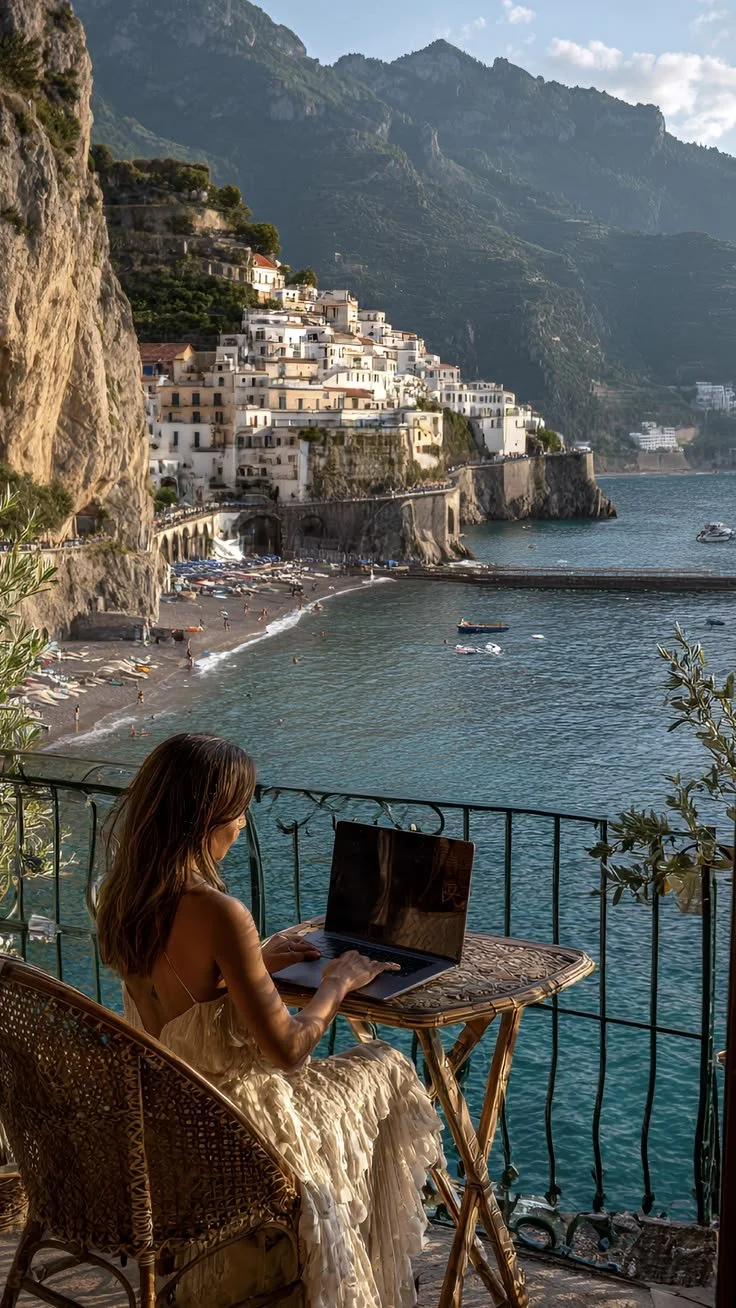
Yet, for many travelers, cost is the main barrier. International flights, accommodation, meals, local transport, and activities can add up quickly. It’s easy to assume that meaningful travel is only possible with a big budget—but that simply isn’t true. With the right approach, you can dramatically reduce costs while still enjoying comfort, authenticity, and memorable experiences.
In this article, you’ll learn practical, reliable strategies for budget-friendly travel that don’t feel restrictive. Instead of “going without,” the goal is to make smart decisions: choosing the right timing, selecting affordable places to stay, cutting transport expenses, and eating well without overspending. These methods work whether you’re planning a weekend away, a family holiday, or a longer international adventure.
No. 1
Be Flexible With Your Plans (Timing, Destination, and Duration)
Flexibility is one of the most powerful tools for saving money on travel. The more rigid your dates, destination, or itinerary, the more likely you are to pay premium prices—especially in places where demand surges during school holidays or peak tourist season.
Travel in shoulder seasons to save money and avoid crowds
Travel operators, airlines, and hotels raise prices when demand is high. If you can travel outside peak periods, you can often get the same experience at a fraction of the cost—plus you’ll enjoy quieter attractions and shorter queues.
Consider traveling during:
Spring (shoulder season in many destinations)
Autumn (often cheaper, with comfortable weather)
early weekdays rather than weekends
off-peak school term times (if your situation allows)
In many countries, shoulder season weather is still pleasant, especially compared to mid-summer heat or winter extremes. You may also find that local people have more time for visitors, creating a more welcoming and less “tourist-saturated” feel.
Choose less touristy destinations for better value
Big-name cities and famous resorts tend to come with inflated prices. Alternative destinations—nearby towns, smaller islands, or less-hyped regions—often deliver a richer, more authentic experience for far less money.
To find better-value destinations, you can:
look for “second cities” (the nation’s second- or third-largest city often costs less)
search for places within 1–2 hours of major tourist hubs
prioritise regions with strong public transport and free attractions
compare prices using travel deal and comparison platforms
Use comparison tools and deal alerts strategically
Comparison sites can be useful, but they’re most effective when paired with flexibility. Try searching with “flexible dates” enabled, and set alerts for price drops when possible. Even adjusting your trip by a day or two can sometimes reduce flight costs significantly.
Keep your itinerary light to reduce hidden spending
Overplanning often leads to unnecessary expenses: rushed taxi rides, pricey convenience meals, and costly “we don’t have time to find a cheaper option” decisions. A calmer schedule gives you time to choose local transport, shop at markets, and find budget-friendly experiences.
No. 2
Find Affordable Accommodation (Without Feeling Like You “Settled”)
For many trips, accommodation is the single biggest expense—often even more than flights. The good news is that the accommodation market is broader than ever, and you can often find options that are affordable, comfortable, and better suited to real travel than a standard hotel room.
Use platforms with price filters and map tools
Websites such as Booking.com or AirBnb allow you to filter stays by budget, property type, location, and amenities. This makes it easier to decide what matters most—whether that’s a kitchen, walkability, parking, or family space.
When searching, look beyond the nightly rate and check for:
cleaning fees
deposits
local taxes
parking charges
extra costs for additional guests
Wi-Fi fees (rare now, but still appears in some places)
A place that looks cheap at first glance can become expensive once fees are added—so always calculate the true total.
Prioritize self-catering when it fits your travel style
Self-catering accommodation can drastically reduce meal spending because it gives you the option to prepare breakfast, pack lunches, and enjoy simple dinners at “home.” You don’t have to cook every meal for this to be worthwhile—just having the flexibility to eat in sometimes can make a major difference.
Self-catering also helps with:
dietary requirements
children who prefer familiar foods
avoiding the pressure of finding restaurants every day
cutting down on impulse spending
Consider alternative stays: campsite, cabin, or RV park
Hotels and resorts aren’t the only options. Depending on your destination and comfort preferences, you might find excellent value in:
a campsite (especially if you enjoy nature-based travel)
a cabin (often family-friendly and spacious)
an RV park (which can combine affordability with community facilities)
An RV park can be particularly cost-effective because it may give you access to practical amenities and a convenient base—especially for road trips or longer stays. It can also reduce the everyday costs of traveling, since you may be able to prepare food and keep your routine simpler.
Explore housesitting for a free stay
If you have flexibility and enjoy slower travel, housesitting can reduce accommodation costs to zero. In exchange for caring for someone’s home (and sometimes pets), you can stay for free—often in desirable areas. It won’t suit every traveler, but it’s a powerful option for longer trips or remote working while traveling.
No. 3
Save on Transport Costs (Before You Leave and Once You Arrive)
Transport is the second major expense category for many travelers, and it’s also one of the easiest to optimise. With a few strategic decisions, you can reduce costs without making travel uncomfortable.
Book flights with a plan—either early or opportunistic
There are two approaches that often work:
Book early if you know your dates and destination, especially during popular travel periods.
Book last-minute if you’re flexible and willing to travel wherever the deal is best.
To increase your chances of finding affordable flights:
compare different airlines and routes
consider flying into a nearby airport and using local transport
pack light to avoid baggage fees
travel midweek if possible
check whether a slightly longer layover dramatically lowers the fare
Consider alternatives to flying
Not every great trip requires a plane. Depending on where you live, you might be able to plan an amazing holiday using:
a road trip
train travel (often scenic and lower stress)
coach or bus routes
regional ferries
Staying within your own country can be a budget-friendly way to travel more often. It also reduces time lost to airports and makes it easier to bring what you need without excess luggage fees.
Use local transport instead of taxis
Once you arrive, transport costs can sneak up quickly—especially if you rely on taxis or ride-hailing apps for short trips. In many destinations, walking and public transport are part of the experience, not a compromise.
To keep spending under control:
walk when attractions are close together
use local buses or metro systems
purchase day passes or travel cards where available
choose accommodation with good transport links
As a bonus, using local transport often gives you a more authentic feel for the destination—more street-level detail, more spontaneous discoveries, and fewer “tourist bubble” moments.
No. 4
Plan Meals Wisely (Eat Well, Try Local Food, Spend Less)
Food is one of the great joys of travel. Trying local dishes and discovering new flavours can be a highlight of any trip. The key is to spend intentionally—so you can enjoy great meals without draining your budget.
Avoid tourist traps and eat where locals eat
Restaurants near major attractions often charge more for lower quality, because they rely on one-time visitors.
To find better value:
walk a few streets away from main tourist areas
look for places filled with locals
check menus for transparent pricing
ask accommodation hosts where they eat
consider lunch specials, which are often cheaper than dinner
This approach doesn’t just save money—it often improves your meals. Local restaurants tend to deliver better flavour, better atmosphere, and a more genuine connection to the culture.
Use markets and street food for value and authenticity
Local markets and street food stalls can offer the best balance of affordability and cultural interest. You can sample local specialities, try a variety of foods, and keep costs predictable.
Good budget-friendly food options include:
market fruit, pastries, and snacks
street food dishes made fresh on the spot
small family-run cafés
bakeries for breakfast and lunch
grocery stores for picnic supplies
A picnic lunch—especially in a scenic spot—can feel like an experience, not a compromise.
Set a daily spending budget (and make room for one “splurge”)
A simple daily budget helps you stay on track without feeling restricted. It can also reduce decision fatigue because you know what you can comfortably spend.
A helpful approach is:
plan for affordable breakfasts (self-catering if possible)
choose one main meal out per day
keep snacks on hand to avoid expensive convenience purchases
allow for one special meal or “splurge” during the trip
This creates balance: you enjoy local cuisine, but you’re not paying restaurant prices every day.
No. 5
Bonus Tips That Make Budget Travel Easier (and More Enjoyable)
While the four strategies above cover the biggest savings, a few extra habits can make budget travel feel even smoother.
Travel insurance can save money in the long run
It’s tempting to skip travel insurance, but unexpected disruptions—delays, illness, cancellations, lost luggage—can become extremely expensive. Insurance protects your budget from the costs you can’t predict.
Build your trip around free and low-cost activities
Some of the best travel experiences are free:
beaches, parks, and hiking trails
museums with free entry days
historic neighbourhood walks
local festivals and markets
viewpoints and scenic routes
When you mix free experiences with a few paid activities, your trip feels full without feeling expensive.
Pack smart to avoid last-minute purchases
Forget one key item—like a charger, raincoat, or swimwear—and you’ll often pay inflated tourist prices to replace it. A simple packing checklist can prevent those avoidable costs.
Takeaways
Budget travel isn’t about restricting yourself—it’s about making smarter choices so you can travel more often and enjoy the experience without financial stress. By staying flexible with timing and destination, choosing affordable accommodation (including options like a campsite, cabin, or RV park), cutting transport costs through strategic booking and public transit, and planning meals with intention, you can dramatically reduce the price of your trip without compromising the fun.
If you adopt even one or two of these strategies, you’ll likely notice an immediate difference in your travel budget—and a surprising boost in how relaxed and confident you feel while traveling. The result is what matters most: meaningful experiences, lasting memories, and the freedom to explore without worrying about your bank balance.
Looking for Travel resources?
Looking to embark on a transformative journey to discover new cultures, expand your horizons, and reconnect with yourself? Explore, learn, and awaken your wanderlust with our travel partners designed to support you on your next getaway.