Why RV Camping Is The Ultimate Adventure
RV camping has become one of the most rewarding ways to explore nature without giving up the comforts that make travel feel easy. It blends the freedom of the open road with a sense of stability: your bed, your kitchen, your routine, and your personal space move with you. For experienced campers, that means more range and flexibility. For newcomers, it removes many of the barriers that can make traditional tent camping feel intimidating.
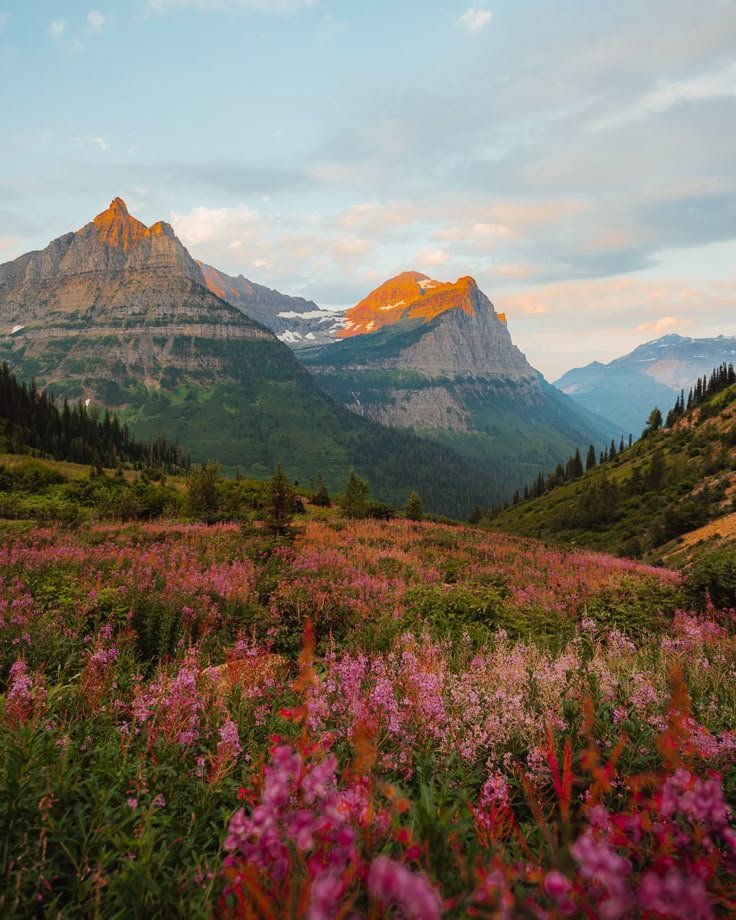
It also fits the way many people want to travel now. Instead of rushing through airports and building an itinerary around check-in times, RV travel encourages a calmer pace and a deeper connection to where you are. You can wake up next to a lake, spend the afternoon on a trail, and end the day with a warm meal in your own space—without the constant packing and unpacking that comes with hotel-hopping.
In this article, we’ll explore why RV camping stands out as a powerful travel option: the freedom it offers, the comfort it provides, the ways it can reduce costs, how it helps you reconnect with nature, and why it creates the kind of memories that stick with you for years.
No. 1
Freedom to roam: travel without rigid schedules
The defining feature of RV camping is freedom—real freedom, not the “you can choose between two pre-set options” kind. An RV becomes your mobile base camp, giving you the ability to travel on your terms. You are not tied to hotel availability, strict check-in times, or a fixed itinerary that forces you to move on before you’re ready.
That flexibility changes how a vacation feels from the start. Instead of racing to reach a destination, you can let the journey be part of the experience. If you find a viewpoint worth lingering at, you can stay. If the weather shifts, you can reroute. If you discover a small town festival or a quiet beach road, you can build the day around that surprise rather than ignoring it to stay on schedule.
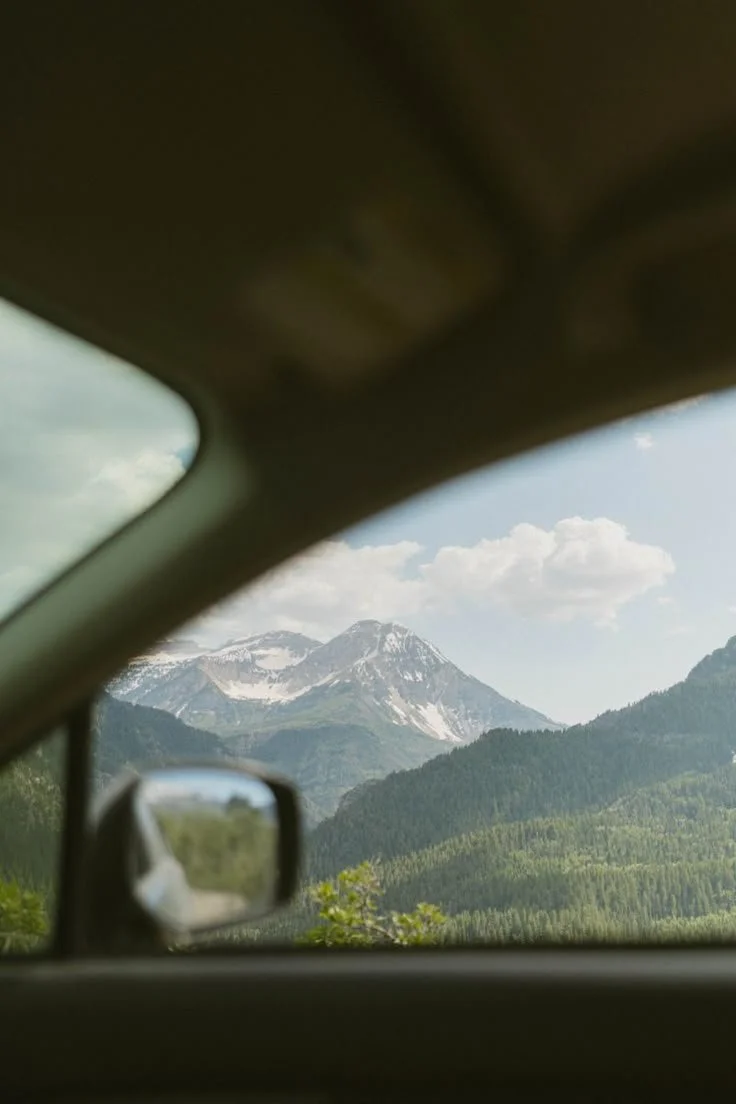
This “roam-first” style of travel makes RV camping especially appealing for people who want to explore beyond the obvious highlights. National parks, local campgrounds, coastal roads, mountain routes, and remote backroads are all within reach. Each stop becomes a chapter of the trip, not just a place you slept before moving on.
Ways to make the most of RV freedom:
Plan a loose route rather than a minute-by-minute itinerary.
Leave buffer days so you can extend a stay when you find somewhere special.
Aim for fewer driving hours per day to keep the journey enjoyable.
Treat unexpected discoveries as part of the plan, not distractions from it.
Alternate popular destinations with quieter, lesser-known stops for balance.
When you travel this way, the vacation stops feeling like a checklist. It becomes a story you’re actively writing as you go.
No. 2
Comfort meets adventure: the outdoors, with a better night’s sleep
One reason RV camping continues to grow in popularity is simple: it makes the outdoors more accessible. Many people love nature but don’t love discomfort. They want the quiet, the scenery, the fresh air, and the adventure—without sleeping on the ground, fumbling with wet tents, or turning every meal into a complicated task.
Recreational vehicles are designed to bridge that gap. A typical RV setup can include comfortable beds, a functional kitchen, a bathroom, climate control, and storage for gear. Some rigs also feature entertainment systems and seating areas that make downtime genuinely restful, especially after a long day outside.
This matters because comfort changes how long you can sustain the trip. If you sleep well, stay warm (or cool), and can cook or shower easily, you’re far more likely to enjoy the outdoors rather than merely endure it. RV camping allows you to push into adventure during the day and recover properly at night.
Practical comfort advantages that improve the overall experience:
Consistent sleeping conditions, regardless of weather
Easier meal planning with a fridge, stove, and pantry space
A private bathroom that reduces stress at busy campgrounds
A place to dry wet clothes and store muddy gear
A safe, familiar base for kids, pets, or anxious travelers
For many travelers, this is what makes RV camping feel like the “best of both worlds.” You get the wildness of nature and the stability of home at the same time.
No. 3
A cost-effective way to travel (with smart planning)
RV travel can be surprisingly economical, particularly for families, longer trips, or travelers who like visiting multiple locations in one vacation. While it is true that RVs can be a significant upfront investment, the ongoing savings often add up quickly when compared with traditional travel costs.
Where the savings typically come from:
Campground fees are often less expensive than hotels, especially for multi-night stays.
Cooking in your RV reduces restaurant spending and makes meals more flexible.
You avoid airfare, baggage fees, rental car costs, and many local transport expenses.
Your accommodation stays consistent as you move through multiple destinations.
Group travel becomes more affordable when costs are shared.
That said, RV travel is not automatically cheap. Fuel costs, maintenance, and campground pricing vary widely. The key is planning with clarity rather than assumptions.
Tips for keeping RV travel budget-friendly:
Choose a route that reduces long driving distances and fuel-heavy detours.
Stay longer in fewer locations to reduce fuel use and setup fatigue.
Mix premium RV resorts with simpler campgrounds to balance comfort and cost.
Stock up on groceries in larger towns where prices are often lower.
Track your daily costs for the first few trips so you learn what your real budget looks like.
With a little strategy, RV camping can deliver a high-quality experience without the constant “vacation spending” pressure that many travelers feel when every meal and activity is purchased individually.
No. 4
A stronger connection with nature, without giving up ease
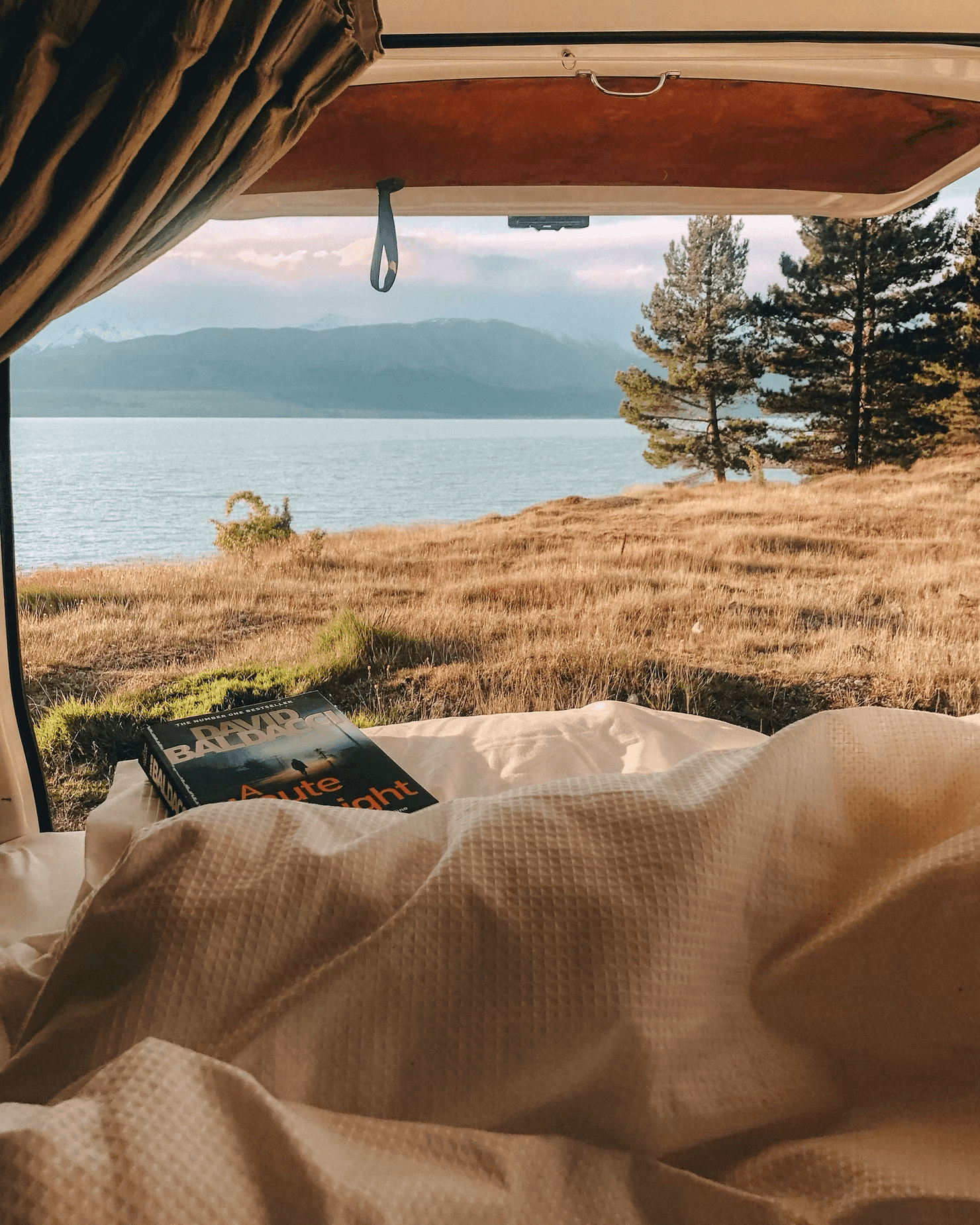
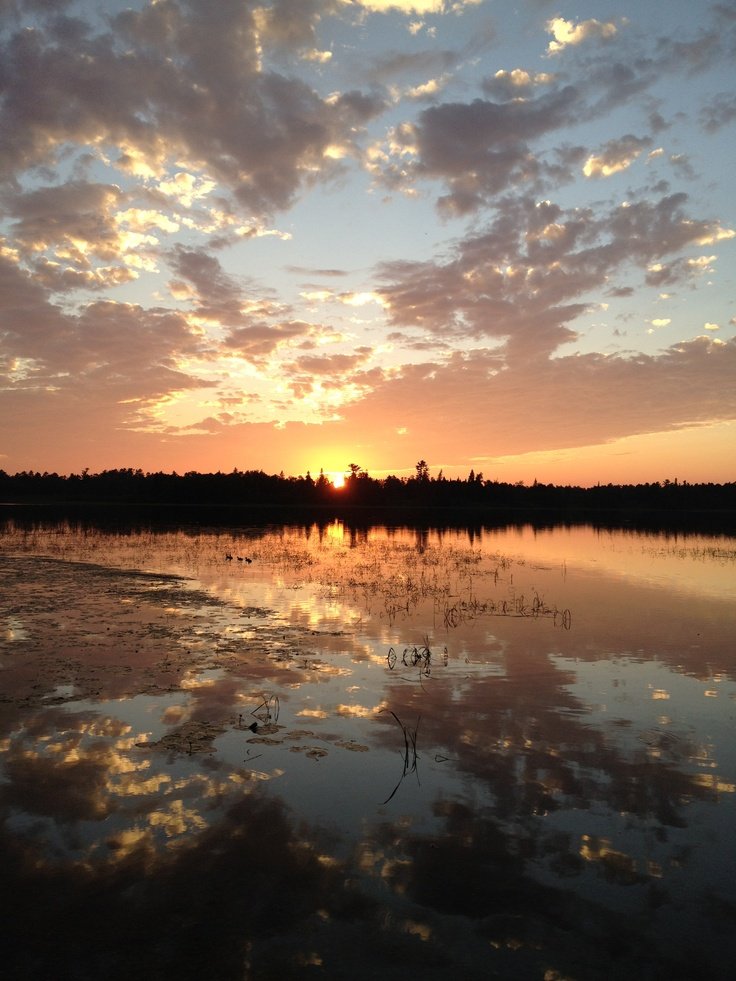
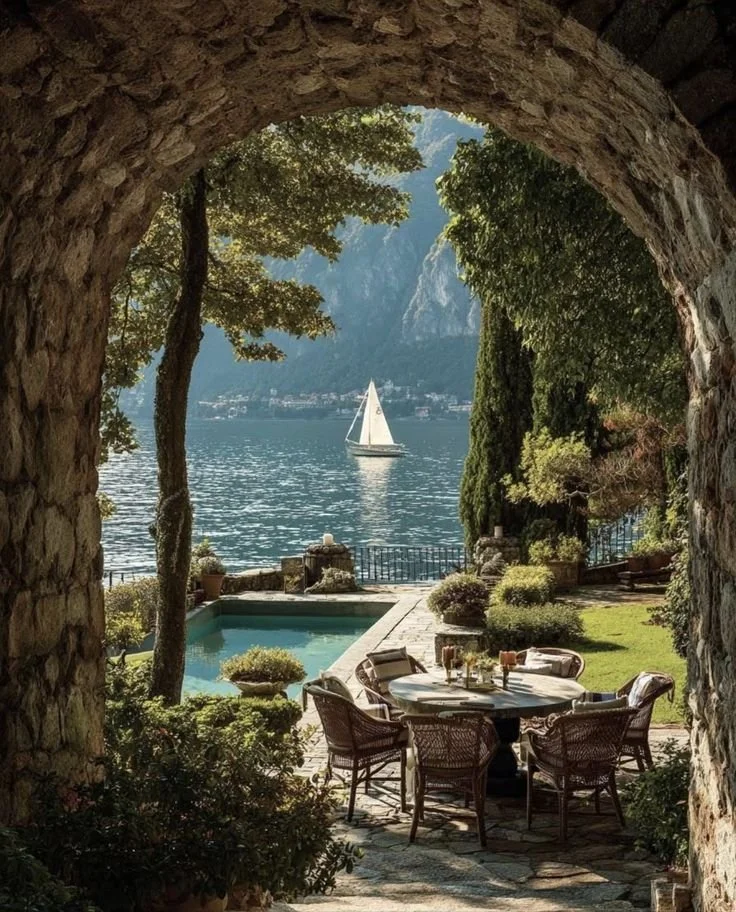
There is a particular kind of calm that comes from sleeping near open water, waking to birdsong, and spending your day under wide skies. RV camping offers calmness in a way that is often more comfortable and consistent than tent camping, especially for people who want nature but still value convenience.
Many campgrounds are located in stunning environments: forested regions, mountain valleys, desert landscapes, lakeside clearings, and beachfront enclaves. That means your “hotel view” is often a trailhead, a sunrise, or a quiet stretch of trees.
And because you’re already in the environment, nature becomes part of your daily rhythm rather than something you commute to. Morning coffee outside feels different when the air is crisp and the only sounds are wind and wildlife. Even a simple evening walk becomes memorable when you’re surrounded by scenery.
Common nature-based activities that pair perfectly with RV travel:
Hiking and walking trails for every fitness level
Fishing in rivers, lakes, or coastal areas
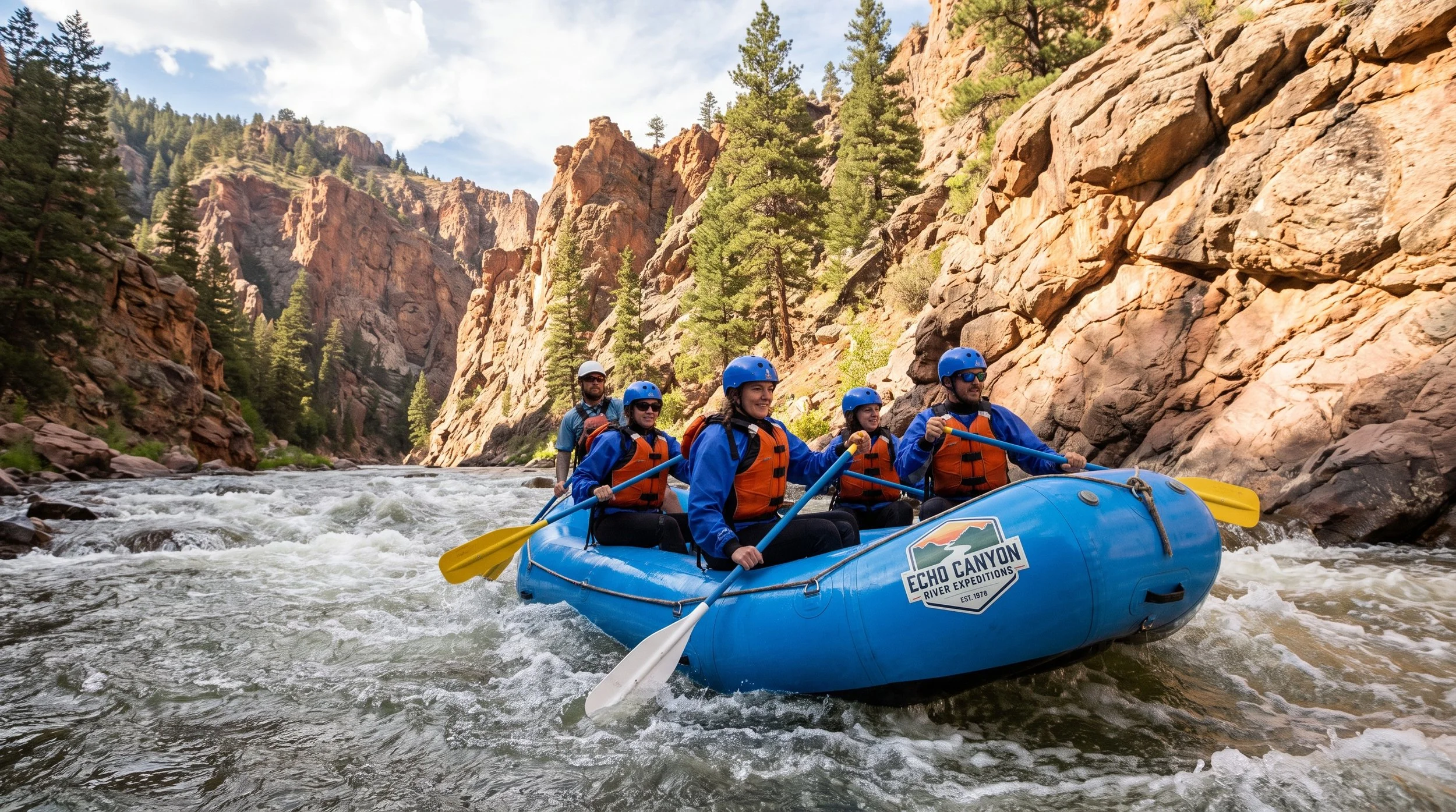
Kayaking, paddleboarding, or canoeing
Cycling scenic routes without urban traffic
Wildlife viewing and stargazing away from city lights
Beyond activities, there’s the mental benefit. Time in nature is often associated with reduced stress, better sleep, and improved mood. RV camping creates more opportunities for that effect because it places you in the environment for longer stretches, not just for a few hours between drives.
No. 5
RV camping creates memories that feel personal and lasting
Many vacations are enjoyable at the moment but fade quickly because they follow predictable patterns: check in, eat out, visit attractions, sleep, repeat. RV camping often feels different because it invites participation. You’re building the trip as you go, and that creates stronger emotional ownership of the experience.
The memories tend to come from simple, shared moments:
Road trip conversations that don’t happen in everyday life
Meals cooked together after a day outdoors
Campfire stories and quiet evenings under the stars
Discovering a hidden lake road or an unexpected viewpoint
Watching kids (or adults) play outside without screens and schedules
These experiences strengthen relationships because they slow everyone down and create space for connection. Even the small routines—making breakfast, setting up chairs, planning a trail—become part of the story.
If you travel with family, RV camping can be especially powerful. It creates an environment where everyone is together, but not trapped in one room the way they might be in a hotel. There is a sense of shared space with room to breathe, which is often the sweet spot for group travel.
No. 6
Adaptable travel: adventure when you want it, tranquillity when you need it
One of the most underrated strengths of RV camping is how adaptable it is. You can make it active and adventurous or slow and restful, and you can shift between the two without changing your entire plan.
For example, one trip can include:
a few days of hiking and exploring
a scenic drive day with short stops
a quiet campground stay focused on rest, reading, and simple meals
a lively RV park with amenities and family activities
This flexibility makes RV camping suitable for many travel styles and life stages. It can be social, solitary, rugged, or comfortable. It can be a short weekend reset or a long, multi-week journey. Your RV remains your steady base throughout, which makes transitions smoother and reduces decision fatigue.
Takeaways
RV camping stands out because it combines two things travelers often struggle to find together: freedom and comfort. It gives you the ability to roam without rigid schedules, adjust your plans to match weather and mood, and discover places you might never reach with traditional travel. At the same time, it offers a dependable base with practical comforts—sleep, food, shelter, and privacy—that make outdoor travel easier and more enjoyable.
With smart planning, RV camping can also be cost-effective, especially for longer trips or group travel. Most importantly, it places you close to nature in a way that encourages mindfulness, reduces stress, and makes daily life feel simpler. Whether you’re chasing adventure, seeking tranquillity, or looking for meaningful time with the people you love, RV camping delivers the kind of memories that last—one campsite at a time.
Looking for Travel resources?
Looking to embark on a transformative journey to discover new cultures, expand your horizons, and reconnect with yourself? Explore, learn, and awaken your wanderlust with our travel partners designed to support you on your next getaway.