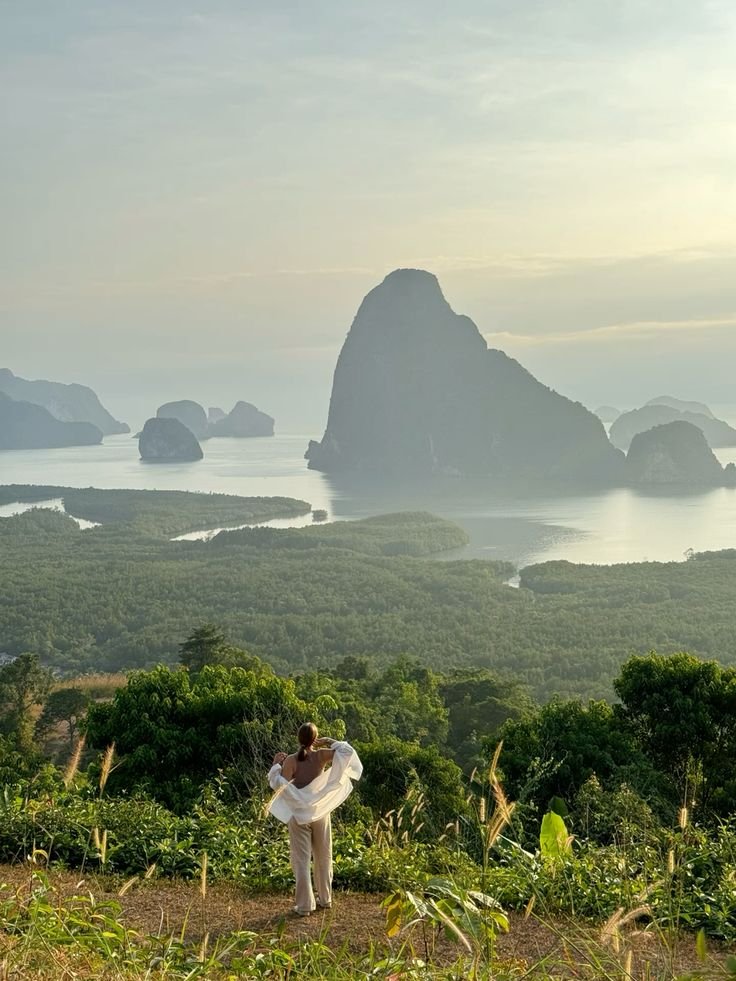
How To Enjoy A Peaceful Vacation
A peaceful vacation sounds easy in theory. Vacations are supposed to help you unwind, slow down, and return home feeling refreshed. Yet it is surprisingly common for trips to become as busy as everyday life. Packed itineraries, early starts, long travel days, and the pressure to “see everything” can quickly turn your time away into a checklist. Instead of restoring you, the trip drains you—so when you finally get home, you feel like you need another break to recover.
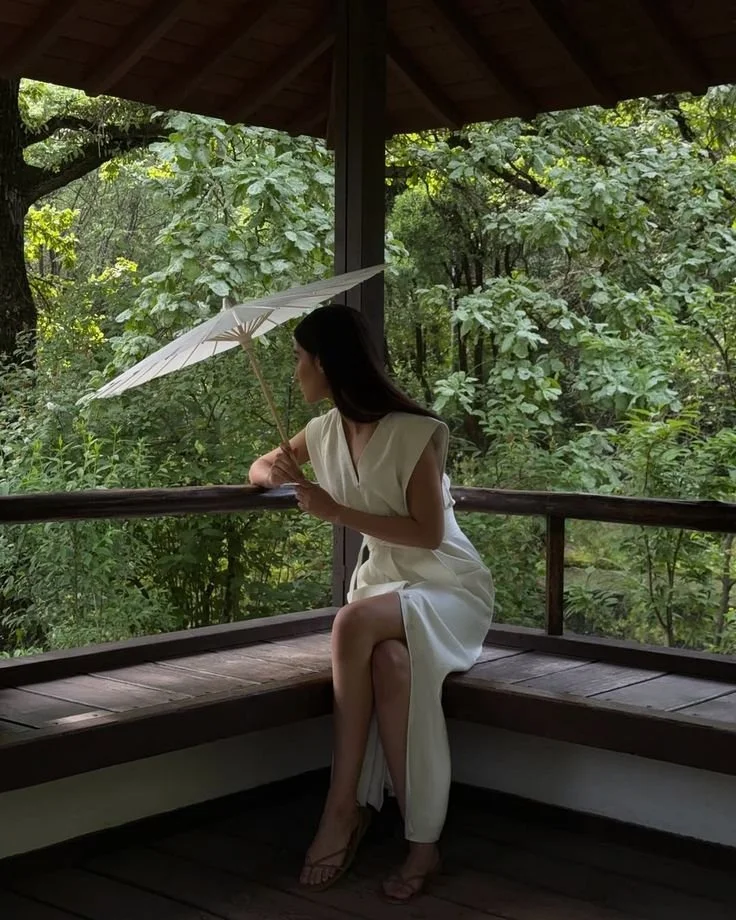
The good news is that a calmer trip is not about luck, and it does not require an expensive upgrade or a remote destination. It is mostly about how you design the experience. Small, intentional choices—where you stay, how you structure your days, what you commit to, and what you intentionally leave out—make a significant difference.
In this article, you’ll learn practical ways to create a genuinely peaceful vacation. You’ll see how to choose a calmer location, keep plans flexible without feeling unprepared, focus on simple activities that soothe rather than stimulate, and set healthy boundaries with digital distractions so you can be present for your own life again.
No. 1
Choose a calm location that does the relaxing for you
Where you stay can determine how the entire trip feels. Busy city centres and crowded tourist areas can be thrilling, but they are not always restful. Noise, traffic, queues, nightlife, and constant movement can keep your nervous system on high alert. Even if you are enjoying yourself, your mind may not get the quiet it needs to truly reset.
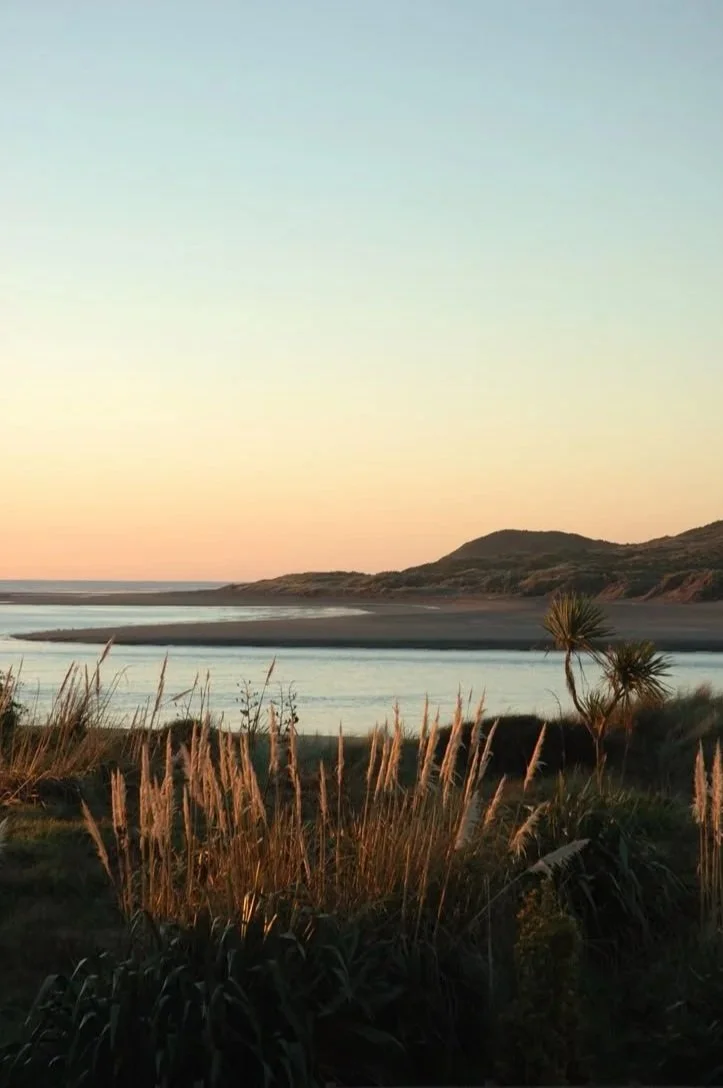
A peaceful vacation is easier when the environment supports calm by default. That often means choosing places with more space and fewer demands on your attention—somewhere with access to nature, open skies, walking paths, or simply a quieter pace of life.
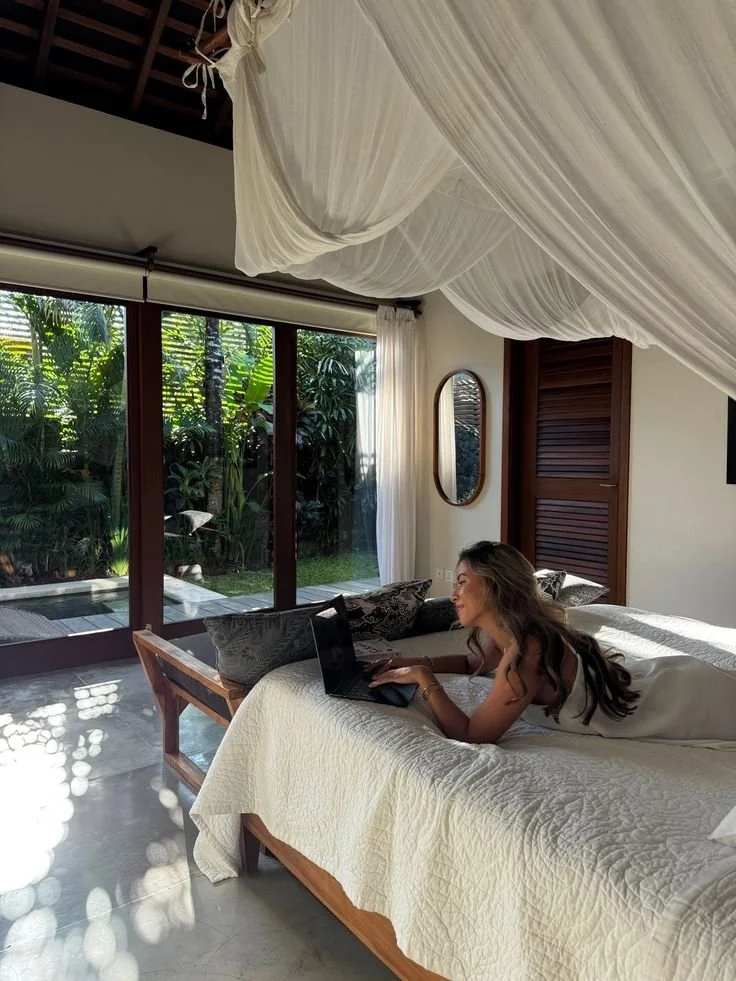
A good way to think about it is this: your accommodation is not just a place to sleep. It is your base, your recovery zone, and the atmosphere you return to after everything else. If your base is hectic, it is harder to feel rested, even if your activities are minimal.
What to look for when choosing a calmer place to stay
Start by identifying what “calm” means for you. It might be silence, privacy, greenery, water views, walkability, or a slower local culture. Then look for accommodation and locations that naturally provide that.
Some practical features that tend to support a more peaceful trip include:
Proximity to natural spaces such as beaches, forests, lakes, or parks
A quieter neighborhood rather than a central nightlife district
Outdoor space like a patio, balcony, deck, or picnic area
Easy access to essentials so you are not driving constantly
A setting where mornings and evenings feel pleasant, not rushed or noisy
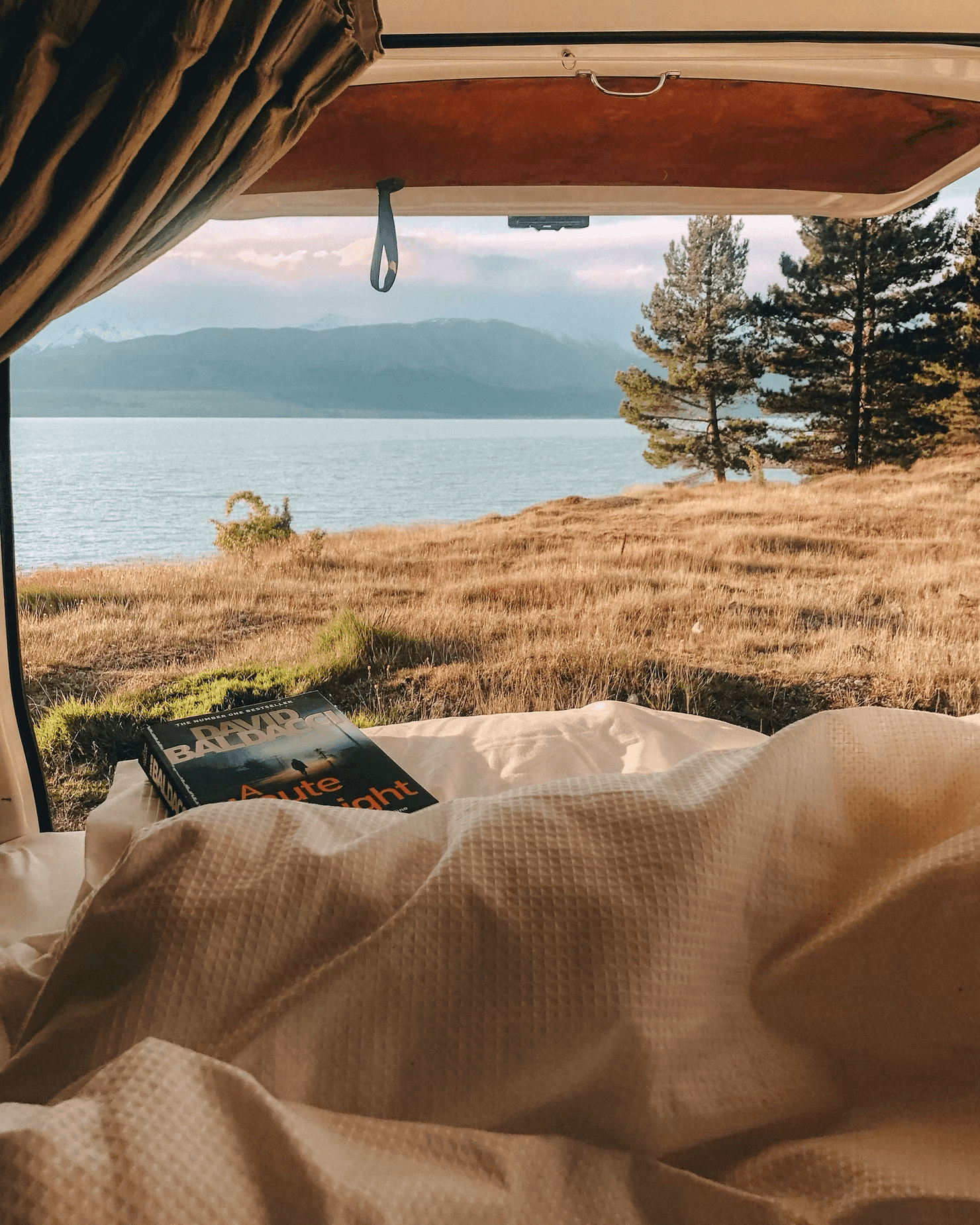
Staying in an RV park is one option that can work particularly well because it offers flexibility and tranquillity at the same time. You have your own space, you are usually surrounded by nature, and there is often less noise than in more traditional accommodation. That combination makes it easier to switch off, especially if your daily life is already crowded with responsibilities and stimulation.
A simple mindset shift: choose less “convenient” and more “restful”
Many people pick accommodation based on convenience alone—closest to attractions, closest to the “main area,” closest to everything. But peaceful vacations often improve when you choose restful over central. A slightly quieter location may mean fewer restaurants within walking distance, but it also means better sleep, slower mornings, and less sensory overload. That trade is often worth it if your primary goal is to unwind.
No. 2
Keep plans flexible so your vacation can match your energy
Overplanning is one of the fastest ways to lose the peaceful feeling you are trying to create. It is understandable: you want to make the most of your time, especially if you do not get away often. But when every hour is scheduled, your trip starts to feel like a job. You become a manager of logistics instead of a person on holiday.
Flexibility does not mean having no plan at all. It means creating a structure that supports calm rather than pressure. Some days you may want to explore and be active. Other days you may want to read, walk slowly, linger over lunch, or do very little. When you allow your plans to change based on how you feel, the vacation becomes restorative rather than demanding.
Plan with anchors, not a packed itinerary
A helpful approach is to plan one or two “anchors” per day and leave the rest open. Anchors are the things you care about most, and everything else becomes optional.
For example:
One activity or outing you genuinely want to do
One good meal you want to enjoy
One scenic spot you want to visit at an unhurried pace
Then let the rest of the day happen naturally. This reduces decision fatigue because you are not constantly negotiating what comes next, and it reduces time pressure because you are not trying to squeeze too much into a limited window.
Give yourself permission to change your mind
Many people feel guilty for resting on vacation, especially if they spent money or time planning the trip. But rest is not a waste. If you are traveling to unwind, then a slow afternoon is not a failure—it is the point.
If you can adapt to how you feel each day rather than sticking to a strict itinerary, you reduce pressure and enjoy the moment far more. You also tend to make better decisions: you choose what actually feels good instead of what looks good on paper.
No. 3
Focus on simple activities that calm your mind
Peaceful vacations often revolve around simple pleasures: a morning walk, sitting outside with coffee, watching the sunset, taking a gentle swim, or reading without interruption. These activities may sound “small,” but they are powerful because they give your brain space to breathe. They reduce constant stimulation and help you reconnect with your environment in a way that high-intensity schedules often prevent.
Trying to fit multiple attractions into a short time frame can be fun, but it rarely feels calm. It creates rushing, crowds, and a constant sense of “next.” A simpler approach gives you something better than productivity: presence.
Examples of peaceful activities that still feel meaningful
If you want ideas that feel intentional but not hectic, consider building your days around experiences like these:
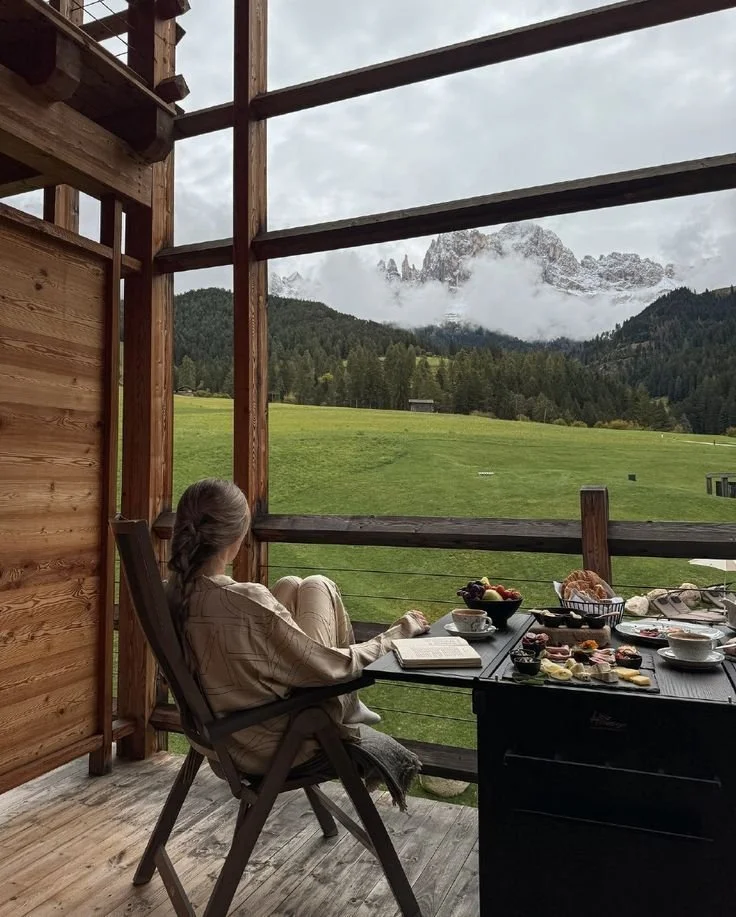
Slow breakfasts outdoors, especially if the weather allows
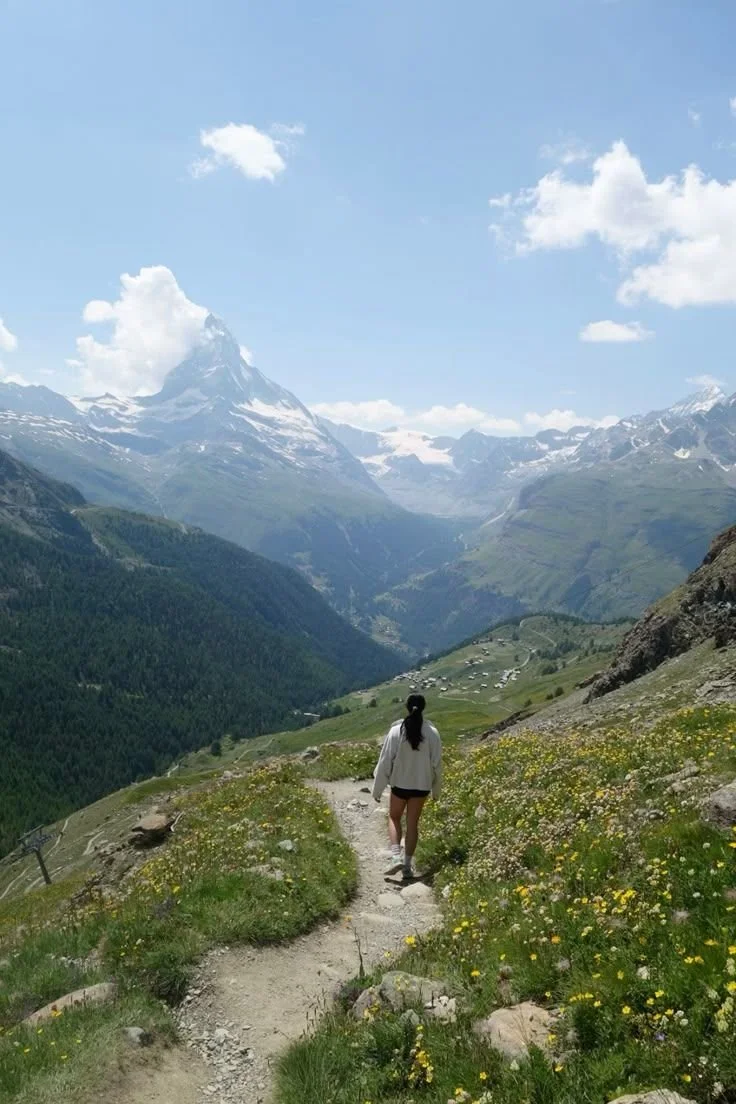
Short, scenic walks rather than long, exhausting hikes
Visiting one local café and staying long enough to truly enjoy it
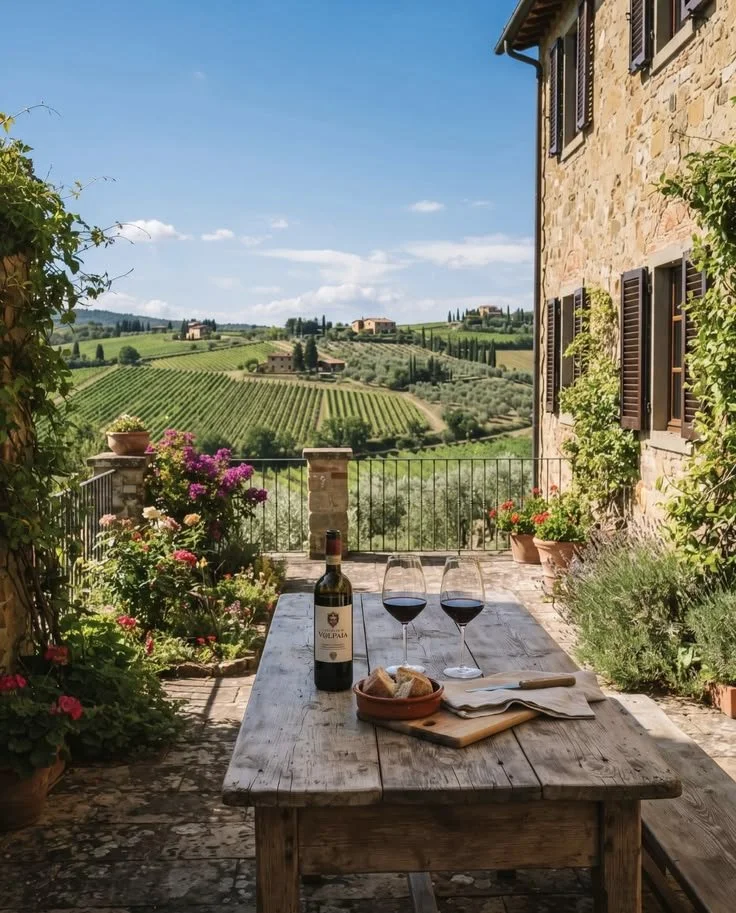
A picnic with no agenda afterward
A quiet swim or time near water
Browsing a local market without needing to “buy something”
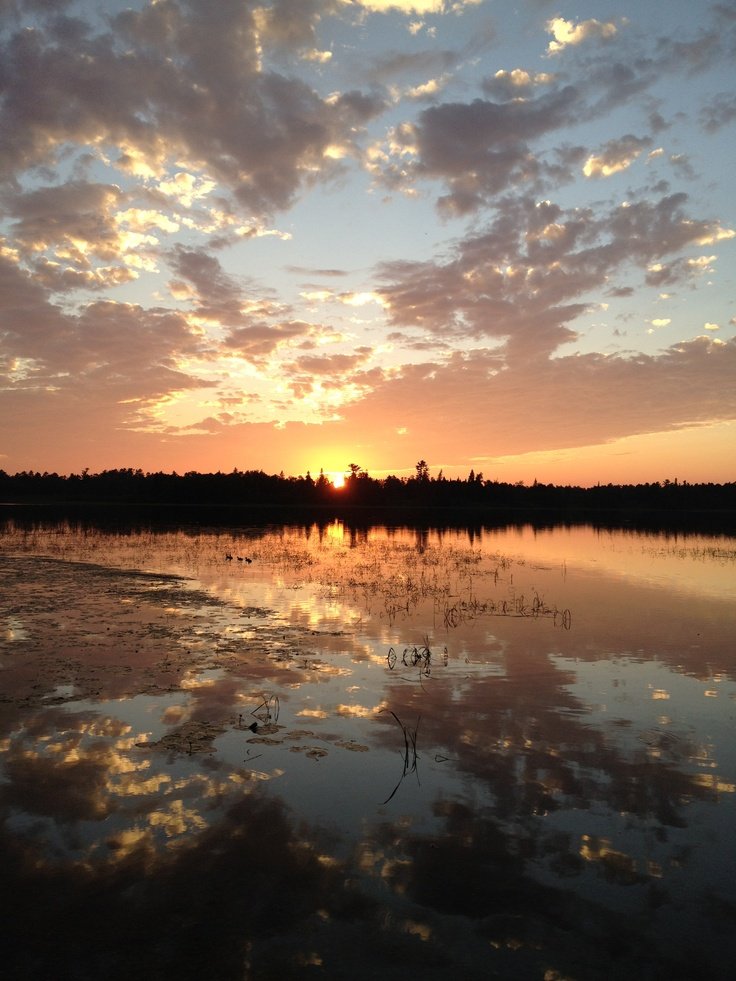
Sunset watching as the main event of the evening
These slower activities tend to involve little planning, which means the trip does not start to feel like a chore. They also help you notice details: the way the air smells in the morning, how the light changes, the sounds at night, and the subtle differences in daily life that make travel feel refreshing.
Create a gentle daily rhythm (without turning it into a schedule)
Some people relax best with a bit of structure. If that is you, aim for rhythm rather than rigid plans.
For instance:
Morning: slow start, light movement, calm breakfast
Midday: one optional outing or exploration window
Afternoon: rest, reading, or quiet time outdoors
Evening: simple meal, sunset, wind-down routine
This keeps you from feeling aimless while still protecting the calm you came for.
No. 4
Limit digital distractions so you can actually unwind
It is difficult to feel peaceful if your phone keeps pulling you back into everyday life. Notifications, social media, constant messaging, and habitual scrolling interrupt the atmosphere you are trying to build. Even if you are physically away, your attention stays tethered to work, news, and other people’s expectations.
Setting boundaries with screen time—even for part of the day—can make an immediate difference. This is not about going completely offline unless you want to. It is about reducing interruptions enough that your mind can settle.
Practical ways to reduce screen time without feeling disconnected
If you want calm without cutting yourself off entirely, try one or two of these:
Turn off non-essential notifications for the duration of the trip
Set two check-in windows for messages and email (for example, midday and early evening)
Keep your phone out of reach during meals and quiet moments
Use airplane mode during morning routines or sunset time
Replace “default scrolling” with a calming alternative like walking, stretching, reading, or journaling
The goal is to be more in the moment. When you limit digital noise, you create space for the kind of quiet that makes vacations feel restorative.
Protect the calmest parts of the day
If you only change one thing, protect mornings and evenings. These are naturally quieter times, and they shape how the day feels. Checking your phone first thing can instantly bring back stress. Scrolling late at night can interfere with sleep and keep your mind buzzing. Treat those time windows as sacred, and the entire trip often feels calmer without much additional effort.
Takeaways
Peaceful vacations do not happen automatically just because you are away from home. They happen when you design your trip around calm instead of cramming in as much as possible. In this article, we focused on four foundations: choosing a calmer location that supports relaxation, keeping plans flexible so your days match your energy, centering your trip around simple activities that restore you, and limiting digital distractions so you can be present.
If you want to come home feeling genuinely refreshed, aim for less intensity and more ease. Choose a base that feels quiet, plan fewer “must-dos,” protect your mornings and evenings, and let rest be part of the purpose. When you travel that way, you do not just visit a place—you actually experience it, and you return with the kind of calm that lasts beyond the trip itself.
Looking for Travel resources?
Looking to embark on a transformative journey to discover new cultures, expand your horizons, and reconnect with yourself? Explore, learn, and awaken your wanderlust with our travel partners designed to support you on your next getaway.