How To Plan A Cozy Family Getaway Without Overcomplicating It
A family getaway sounds like it should be restful by definition, but many trips become stressful before you even leave the driveway. Between coordinating schedules, choosing a destination that everyone agrees on, budgeting, packing, and trying to make the experience “worth it,” the pressure can turn a vacation into another project. Even when the planning goes well, a high-energy itinerary can leave parents and kids returning home more tired than when they left.

The good news is that a cozy family getaway is absolutely achievable without making it complicated. In fact, the most relaxing trips often come from doing less, not more. When you focus on comfort, ease, and togetherness, the getaway starts to deliver what you actually want: a chance to slow down, reconnect, and feel genuinely refreshed.
In this article, you will learn how to plan a cozy family getaway with minimal stress, from choosing home-like accommodations and simplifying your itinerary to streamlining logistics, creating a warm atmosphere, and keeping travel days calm. The goal is not to “do it all,” but to create a trip that feels good while you are living it.
No. 1
Choose cozy and functional accommodations
Where you stay shapes the entire tone of the getaway. If the accommodation feels cramped, inconvenient, or too “hotel-like” for a family rhythm, you may find yourselves constantly managing small frustrations: nowhere to spread out, limited food options, awkward bedtimes, and a feeling that you need to be out doing activities to justify the cost.
For a cozy getaway, it helps to choose a place that feels like a home away from home. Many families find that when they choose a cabin, holiday rental, or RV resort, it naturally supports a slower, more comfortable pace. Instead of relying on restaurants for every meal and trying to entertain kids in a single room, you can settle into a space that lets everyone relax.
Look for features that support comfort and ease:
A fully equipped kitchen so you can make simple meals and snacks
A dining table or casual living area for relaxed breakfasts and family games
Separate sleeping spaces, if possible, for easier bedtime routines
Laundry access, which can be a lifesaver with children
Outdoor space such as a porch, patio, or small yard for fresh air and low-effort play
It also pays to prioritise “cozy” amenities that encourage rest. These are not essential, but they make a big difference to how restorative the trip feels:
A fireplace or wood stove for quiet evenings
A large common area for board games, puzzles, or movie nights
A hot tub or soaking tub for relaxing at the end of the day
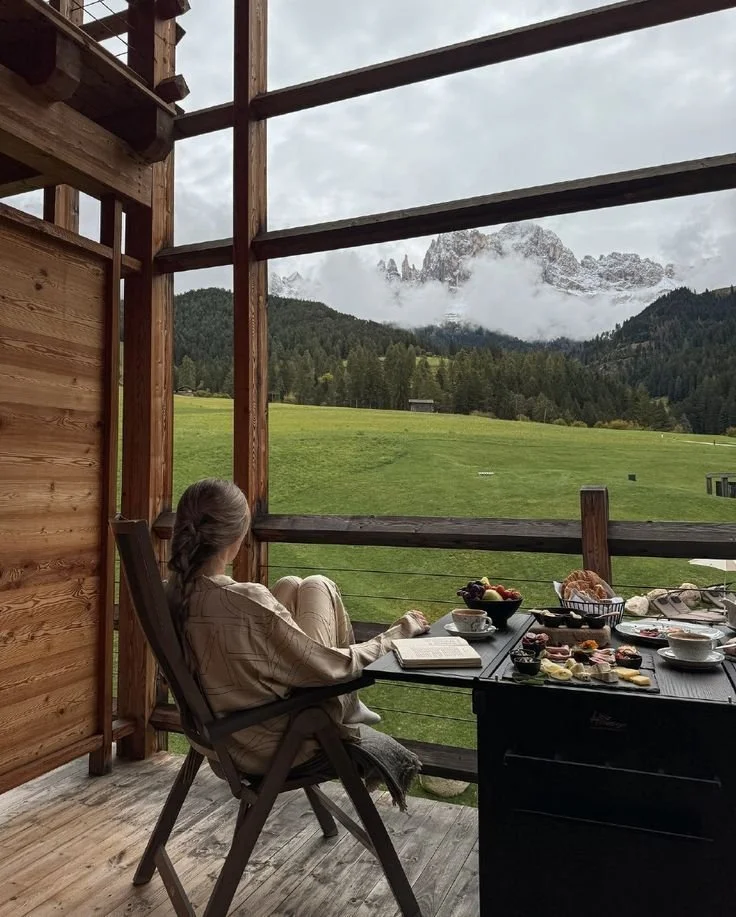
Scenic views, whether it is a lake, mountains, forest, or countryside
Walkable access to nature trails or a nearby shoreline
One of the simplest ways to reduce vacation stress is to choose accommodation where staying in feels like a treat, not a compromise. If the space is comfortable and inviting, you will not feel the need to keep everyone busy with constant outings.
How to choose the right stay for your family’s style
Not every “cozy” getaway looks the same. Before booking, ask what kind of comfort your family actually needs.
Consider:
If naps are still part of your routine, prioritise quiet spaces and separate rooms
If your kids wake early, look for places where early risers can play without waking everyone
If you have picky eaters, a kitchen is often more relaxing than restaurant hopping
If you want true downtime, choose a setting where nature is close and entertainment is simple
When the accommodation matches your family rhythm, everything becomes easier.
No. 2
Simplify your itinerary to protect your energy
A cozy getaway is not the time for a packed schedule. Overplanning is one of the most common reasons family trips become exhausting. When every hour has an activity attached, the day becomes a race: get everyone ready, get to the next place on time, manage hungry moods, and push through fatigue because “we already booked it.”
Instead, aim for an itinerary that creates space.
A reliable guideline is one main activity per day. That could be something like a short hike, a museum visit, a beach afternoon, or a scenic drive with a relaxed stop for hot chocolate. Beyond that, let the day unfold.
Ways to keep the schedule light without feeling bored:
Choose one “anchor plan” each day and keep the rest optional
Build in downtime after lunch, when energy often dips
Leave room for naps, quiet reading, or slow walks
Avoid scheduling early mornings and late nights on the same day
Create a shortlist of nearby options instead of pre-booking everything
It also helps to choose activities that match your family’s pace rather than trying to hit every tourist attraction. If you have young children, that pace might be slower and more repetitive than you expect. A “successful” day might be a playground, a simple trail, and a calm evening around a fire. That can be just as meaningful as a full day of sightseeing, often more so.
A simple planning method that prevents overscheduling
Try planning your getaway using three categories:
Must-do: one or two things you genuinely care about
Nice-to-do: options if everyone feels rested and interested
Rest defaults: what you will do if you need a quiet day (movies, board games, nature walks)
This removes pressure because every day has a satisfying version that does not require high energy.
No. 3
Streamline planning and logistics
Planning can become stressful when it all sits on one person’s shoulders. If multiple adults are travelling, share the load. Even small task assignments reduce mental clutter and help everyone feel invested.
Examples of tasks you can split:
One person handles accommodation research and booking
Another manages travel plans and routes
Someone else plans meals and groceries
Another adult coordinates packing lists for shared items (first aid, games, kitchen basics)
Meals are another area where stress can quietly build. Restaurants can be fun, but eating out with kids can also create pressure: waiting times, unfamiliar menus, overstimulation, and the challenge of keeping everyone content. For a cozy getaway, it is often easier to keep meals simple.
Low-stress food strategies include:
Planning easy breakfasts at your accommodation
Packing picnic-style lunches for flexibility
Choosing a few local takeout options for relaxed dinners
Grocery shopping early in the trip so you are not constantly “figuring out food”
Keeping snacks on hand to prevent hunger-related meltdowns
Finally, book early if comfort and location matter. The coziest places often fill up first, especially cabins and well-rated rentals. Early booking also gives you more choice in layout, amenities, and proximity to the activities you want.
The “good enough” rule for family vacation planning
You do not need the perfect plan. You need a plan that is good enough to remove friction.
Aim for:
A clear place to stay
A simple travel plan
A food approach that works for your family
A light list of activities
Everything else can be flexible.
No. 4
Create a cozy atmosphere with simple rituals
A cozy getaway is not only about location. It is also about how the trip feels. One of the easiest ways to make it feel warm and memorable is to bring small comforts from home and create a few simple rituals you repeat each day.
Consider packing:
A favorite blanket for the sofa or outdoor seating
Books for quiet reading time
Board games or card games for evenings
Slippers or comfy clothes reserved for “cozy time”
A small speaker for calm background music, if that suits your family
Then build a few low-effort traditions:
Hot drinks in the morning with a slow start
A family walk after breakfast or before dinner
A movie night with snacks
A game night around the table
Storytelling, stargazing, or quiet chat time by a fire
These rituals matter because they create connection without needing constant entertainment. Kids often remember the small repeated moments more than big-ticket attractions, especially when those moments feel relaxed and focused.
Cozy does not mean doing nothing
A cozy getaway is not about staying inside all day. It is about choosing activities that feel nourishing rather than draining.
Cozy activities can include:
Gentle nature walks
Easy scenic drives
Browsing a local bookstore
Visiting a bakery or café
Short, child-friendly hikes with plenty of stopping points
The defining feature is the pace, not the activity.
No. 5
Keep travel low-stress from the start
Travel days can set the emotional tone for the entire getaway. If the trip begins with long hours on the road, heavy traffic, and rushed departures, you may spend the first day simply recovering.
To keep things calm, choose a closer destination when possible. A shorter drive reduces fatigue and makes it more likely that everyone arrives in a good mood. It also makes the getaway feel more accessible, which can encourage you to take these trips more often.
Other ways to reduce travel stress:
Travel on off-peak days to avoid traffic and crowds
Leave earlier than you think you need to, so you are not rushing
Plan one comfortable stop on longer drives, such as a park or café
Pack a small “car essentials” bag: wipes, snacks, water, chargers, and a spare outfit for kids
Keep the first day light so you can settle in instead of immediately starting activities
If you can, treat the first evening as a transition into rest. Unpack, eat something simple, and let everyone decompress. That is often the difference between a trip that feels restorative and one that feels like a sprint.
A calm arrival plan that makes everything smoother
A simple arrival routine can prevent chaos:
Check in, unload, and set up sleeping spaces first
Do a quick grocery run or unpack snacks
Take a short walk to explore the immediate area
Have an easy dinner and an early night
This creates a sense of safety and comfort right away, especially for younger children.
Takeaways
A cozy family getaway is less about finding the most exciting destination and more about designing a trip that supports rest, connection, and ease. In this article, we covered how choosing functional, home-like accommodations can make staying in feel just as enjoyable as going out.
We looked at how simplifying your itinerary protects your energy and reduces the pressure to constantly “make the most of it.” We also explored how streamlining logistics, sharing planning tasks, and keeping meals simple can remove many common stress points. Finally, we discussed the power of creating a cozy atmosphere with small comforts and rituals, and how keeping travel days low-stress helps the entire getaway feel restorative from the start.
If you focus on comfort, flexibility, and a slower pace, your family getaway can do what a vacation is meant to do: help everyone return home feeling closer, calmer, and genuinely refreshed.
Looking for Travel resources?
Looking to embark on a transformative journey to discover new cultures, expand your horizons, and reconnect with yourself? Explore, learn, and awaken your wanderlust with our travel partners designed to support you on your next getaway.