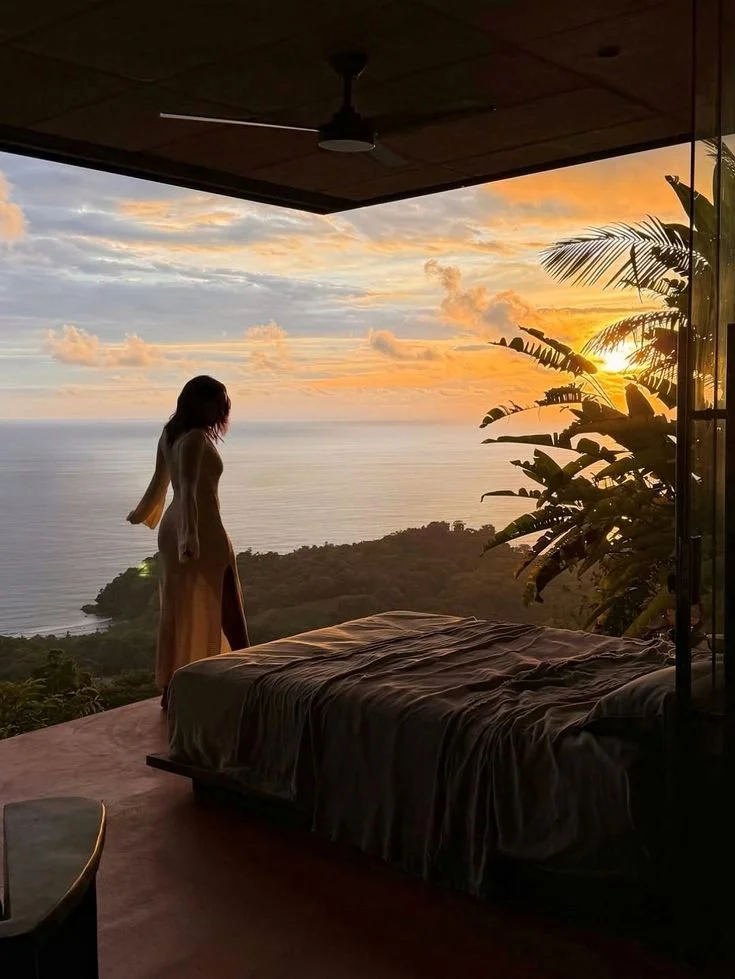
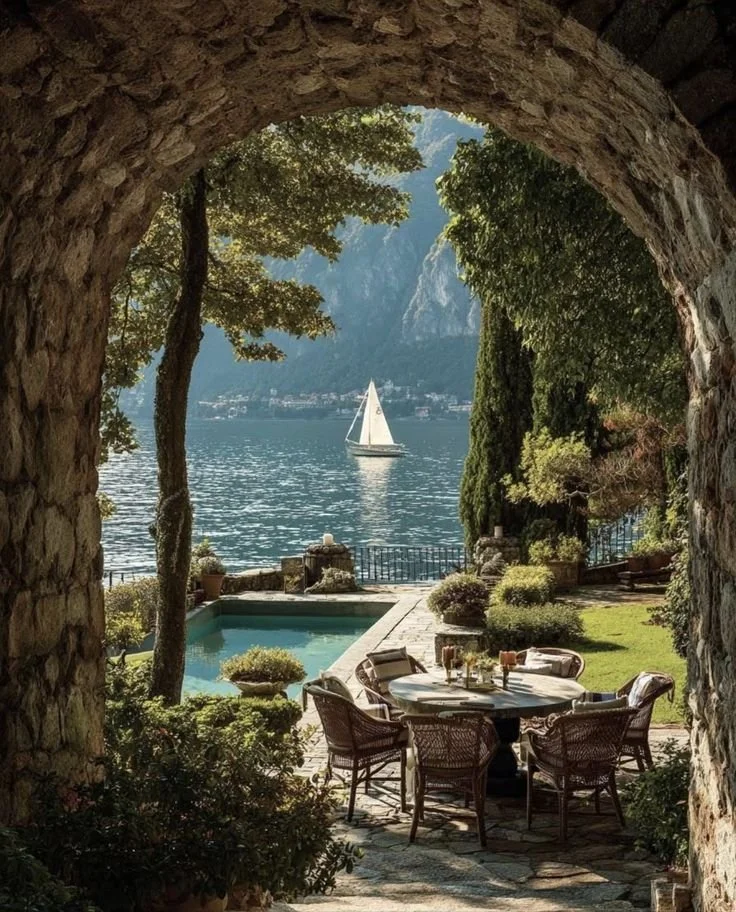
Top Hobbies For Travel Enthusiasts
Studies show that hobbies can have a positive impact on our mental health. Making time for interests you genuinely enjoy can help lower stress, improve mood, build confidence, and add structure and purpose to your days. But hobbies can do more than support well-being at home—they can also transform the way you travel.
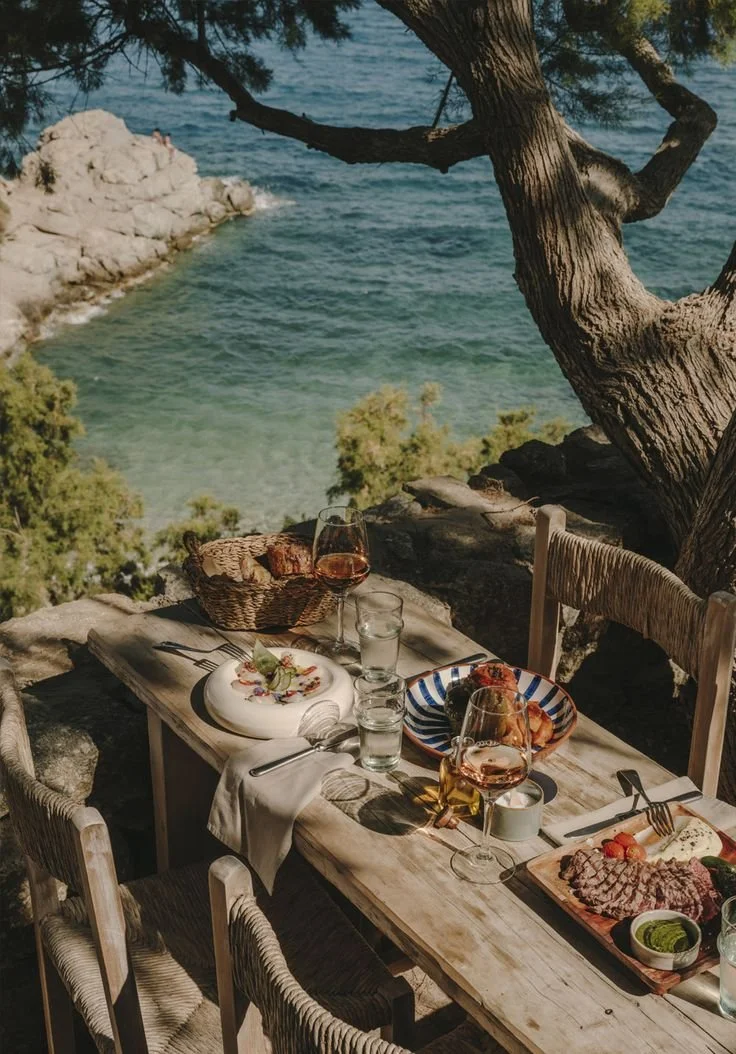
When you travel with a hobby in mind, you’re not just “visiting” a place. You’re engaging with it. You slow down. You pay attention. You meet people you wouldn’t otherwise meet, go to locations you might not have found, and return home with more than photos on your phone—you return with skills, stories, and a deeper sense of connection.
In this article, you’ll find a curated set of hobby ideas that pair especially well with travel, along with practical tips to help you get started, stay safe, and get more meaning (and joy) out of each trip.
No. 1
Why Travel and Hobbies Are Such a Good Match
Many people see travel as an escape: a break from routine, responsibilities, and noise. Hobbies can serve a similar purpose, but they also offer something travel sometimes lacks—continuity. A hobby gives you a thread you can follow from place to place, creating a sense of progression and personal growth even while you’re on the move.
When you combine travel with a hobby, you often get:
Better mental restoration: you’re not only “switching off,” you’re “switching to” something absorbing and satisfying.
A more mindful travel experience: hobbies naturally encourage presence, observation, and curiosity.
A stronger sense of identity on the road: you’re a photographer, a diver, a writer—not just a tourist.
New communities and conversations: hobbies create instant common ground with locals and other travelers.
Memories that last longer: active engagement tends to stick more than passive sightseeing.
With that in mind, here are several travel-friendly hobbies that can support mental well-being while opening doors to unforgettable places.
No. 2
Photography: Turn “Holiday Snaps” into a Creative Practice
Many of us take photos on vacation, but developing photography as a true hobby can elevate travel in a way few other activities can. Photography encourages you to look more carefully at the world: light, texture, color, composition, movement, and emotion. It’s both creative and grounding—an ideal combination for mental well-being.
Travel is a particularly powerful environment for photographers because it offers variety and surprise. Each destination gives you new subjects and new challenges: wide landscapes, street scenes, markets, architecture, wildlife, night skies, local festivals, and the quiet details that reveal everyday life.
Why photography can help your mental health
Photography can support well-being by:
encouraging mindful observation (which can reduce anxious rumination)
providing a sense of mastery as your skills improve
boosting creativity and self-expression
helping you savor moments instead of rushing past them
Practical ways to improve while traveling
You don’t need expensive equipment to grow. Even with a smartphone, you can set mini “projects” that sharpen your eye:
Photograph a destination using only one lens (or one focal length).
Capture a color theme (blues, earth tones, neon signs).
Tell a story in 10 images: arrival, food, people, movement, quiet, night.
Practice one skill per day (portraits, silhouettes, reflections, long exposure).
As you travel more, you’ll likely discover what excites you most—street photography, nature, portraits, architectural details, or documentary-style storytelling.
No. 3
Scuba Diving: A Hobby That Takes You Under the Surface—Literally
Scuba diving is one of those activities many travelers try once in a tropical location, love instantly, and then forget about when real life resumes. But diving can become an ongoing hobby—especially if you travel regularly or live within reach of training sites.
Diving offers a perspective that’s difficult to match on land. It’s quiet, immersive, and often awe-inspiring. You witness marine life up close, observe behaviors you’ve only seen on screens, and gain a sense of scale that reshapes how you think about oceans and ecosystems. Many divers also describe a unique calm underwater—your breathing slows, your focus narrows, and daily stress feels distant.
Places that can shape your travel plans
A serious interest in diving can take you to destinations you might never have prioritized otherwise. Top dive spots include the Great Barrier Reef—often explored via an atlantic clipper charter—the Red Sea, the Galapagos Islands, the Philippines, Iceland, and Thailand’s Andaman Coast.
Safety and accessibility: what to know
It’s important to be aware of the risks involved in scuba diving. If you’re a beginner, you’ll need to take classes and go through safety briefings before venturing into the water. You’ll also need specialist equipment to help you breathe and see clearly.
If you want a lower-barrier option, snorkeling is a great alternative—more accessible, easier to fit into short trips, and still capable of delivering incredible experiences in the right locations.
No. 4
Fishing: Serene, Restorative, and Surprisingly Adventurous
Fishing might be one of the most peaceful outdoor activities you can try—and that serenity is a major reason it can support mental well-being. The rhythm of the water, the patience, the quiet concentration, and the sense of being outdoors can be genuinely restorative.
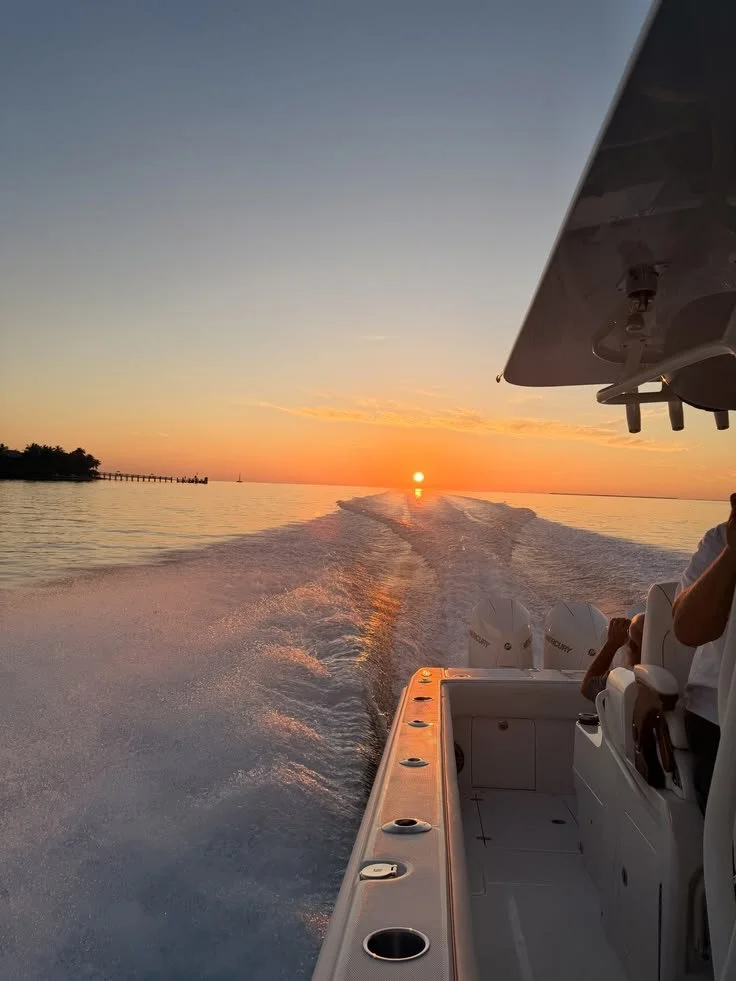
But fishing also has an adventurous side, especially if you’re a self-confessed globetrotter. A love of fishing can take you almost anywhere in the world, from icy waters to tropical coastlines. Different destinations offer different species, techniques, gear, and cultures around fishing—meaning the hobby can keep expanding with you.
If you enjoy fishing, or you’re eager to take it up and want to travel for the best opportunities to catch different types of fish and experience new adventures at sea, there’s a vast range of tours available. Trips run by Oasis Alaska Charters are a fantastic example. You can choose from halibut, salmon or combination fishing charters that not only give you the chance to land the catch of the day but also provide easy access to spectacular views and mesmerizing scenery. Other great places to fish include Lake Tahoe, Costa Rica, Mexico, and Hovoya, Norway.
Why fishing can be good for your mental state
Fishing supports well-being because it often includes:
gentle movement and time in nature
long periods of calm focus (a break from constant stimulation)
a clear reward loop (learning, waiting, trying again, improving)
social connection if you join charters or fish with others
If you’re new to it, guided trips can be the simplest way to begin because they remove the guesswork around spots, licensing, safety, and equipment.
No. 5
Painting and Sketching: A Slow, Beautiful Way to Document a Place
Photography is one way to capture travel memories, but painting and sketching offer something different: time. When you sit down to draw a street corner, a coastline, or a café scene, you’re forced to notice details you’d otherwise miss. It’s a slower, more intimate way of recording experience—less about collecting images and more about building a relationship with a place.
Painting and sketching also come with mental health benefits. Many people find drawing soothing and regulating: it settles the nervous system, encourages focus, and provides a gentle sense of achievement.
How travel can help you grow as an artist
A passion for art can take you all over the world, from popular city breaks to far-flung, off-grid locations. Travel can also broaden your horizons and hone your skills by giving you opportunities to visit museums, galleries, pop-ups, and creative festivals.
To keep it practical while traveling:
carry a small sketchbook and one reliable pen or pencil
try short “thumbnail sketches” instead of long sessions
paint simple subjects—doorways, cups, shoes, street signs—to build confidence
attend local life-drawing or urban sketching meetups if available
You don’t need to be “good” at art for it to be valuable. The process itself is the point.
No. 6
Writing: Journaling, Blogging, and Storytelling on the Move
Journaling and blogging are increasingly popular hobbies, and for good reason. Writing things down can be cathartic, but it can also encourage creativity, reduce stress levels, and even open doors to earning opportunities if you want to take it further.
For travel lovers, writing is a natural companion. New places tend to spark observation and reflection: the taste of unfamiliar food, the awkwardness of a language barrier, the kindness of strangers, the sensory overload of a night market, the quiet of an early train. Writing turns those moments into meaning.
Ways to write while traveling (without pressure)
Writing doesn’t have to mean polished essays. Try formats that fit your energy:
a daily “five sentences” journal
lists: best meal, funniest moment, biggest surprise
short scene descriptions (sounds, smells, colors)
a postcard-style note to yourself
a blog post per destination, not per day (less pressure, more depth)
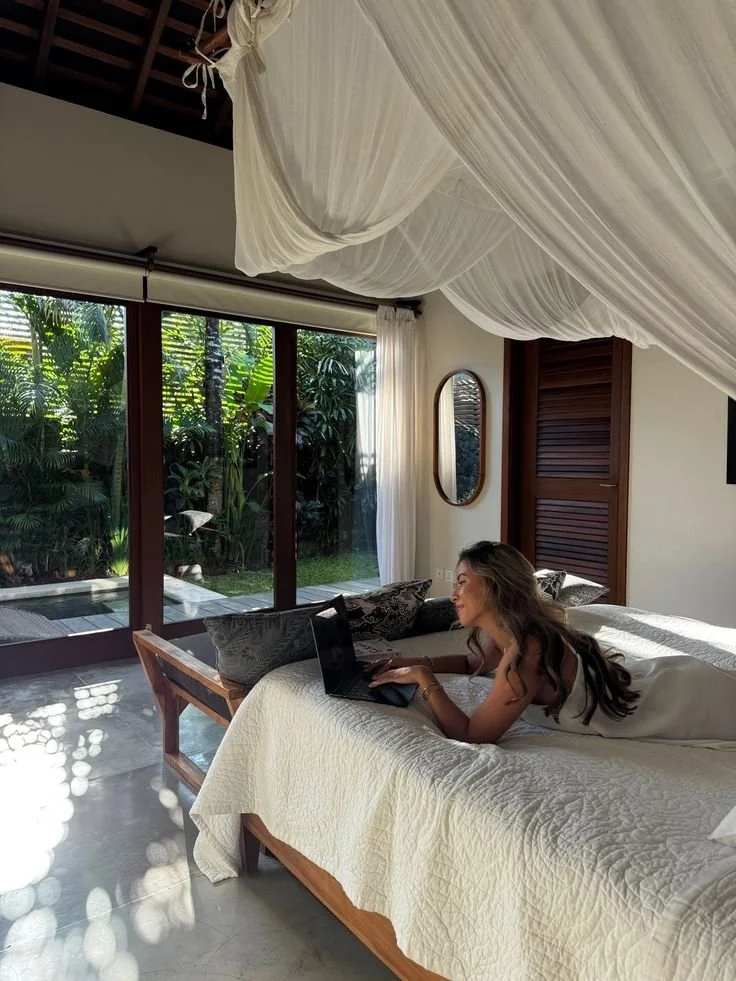
You can write with pen and paper or embrace the digital nomad approach and use your smartphone, tablet, or laptop. The best method is the one you’ll actually stick with.
No. 7
Cooking: Let Travel Upgrade Your Palate and Your Confidence
Trying new food is one of the best parts of travel for many people. It’s also common to return home, crave a dish you fell in love with, and attempt to recreate it—only to realize you’re missing key techniques, ingredients, or cultural context.
If that sounds familiar, travel can be the perfect catalyst for developing cooking as a hobby. Immersing yourself in different cuisines helps you learn new flavor combinations, methods, and ingredients. It also changes how you shop and cook at home: you become more flexible, more curious, and more confident experimenting.
Taking cooking classes is a brilliant way to learn about international cuisines, master new skills, understand the cultural role of food, and refine your culinary technique. You can join organized tours that specialize in food and cooking, search for classes in your chosen destination, or look for homestays with families who want to share their knowledge. Eating out is another way to experience new foods and cooking techniques. From street stalls to Michelin-starred restaurants, there are countless chances to treat your taste buds and learn as you go.
How to make cooking-focused travel more meaningful
If you want your travel meals to become real skills, try:
visiting a local market before a class (learn what’s seasonal and typical)
asking about substitutions you can make back home
learning one “signature dish” per country instead of many
keeping a simple food diary: dish names, ingredients, textures, techniques
This turns eating into a form of cultural literacy—delicious, practical, and surprisingly empowering.
Takeaways: Choose a Hobby That Changes the Way You Travel
Traveling is one of the most popular hobbies in the world, but it also opens doors to discovering and developing new interests. When you pair travel with a hobby, you gain more than entertainment: you gain a tool for well-being, a reason to stay curious, and a way to connect with places more deeply.
Photography, scuba diving, fishing, painting and sketching, writing, and cooking are all excellent options for travel enthusiasts because they blend personal growth with exploration. They give your trips structure without rigidity, meaning without pressure, and memories that go beyond the standard checklist. If you’re on a mission to travel more while boosting your mental well-being, learning new skills, and broadening your horizons, choosing a hobby to bring along might be the most rewarding decision you make.
Looking for Travel resources?
Looking to embark on a transformative journey to discover new cultures, expand your horizons, and reconnect with yourself? Explore, learn, and awaken your wanderlust with our travel partners designed to support you on your next getaway.