Make Your Living Room Feel So Much Cozier
Ever found yourself on the sofa with a thick blanket over your knees, a hot water bottle tucked in, and still a miserable chill creeping up your back—despite the fact it’s nearly spring? That kind of cold isn’t just uncomfortable; it makes your living room feel strangely hostile, as if it’s working against you instead of welcoming you in.
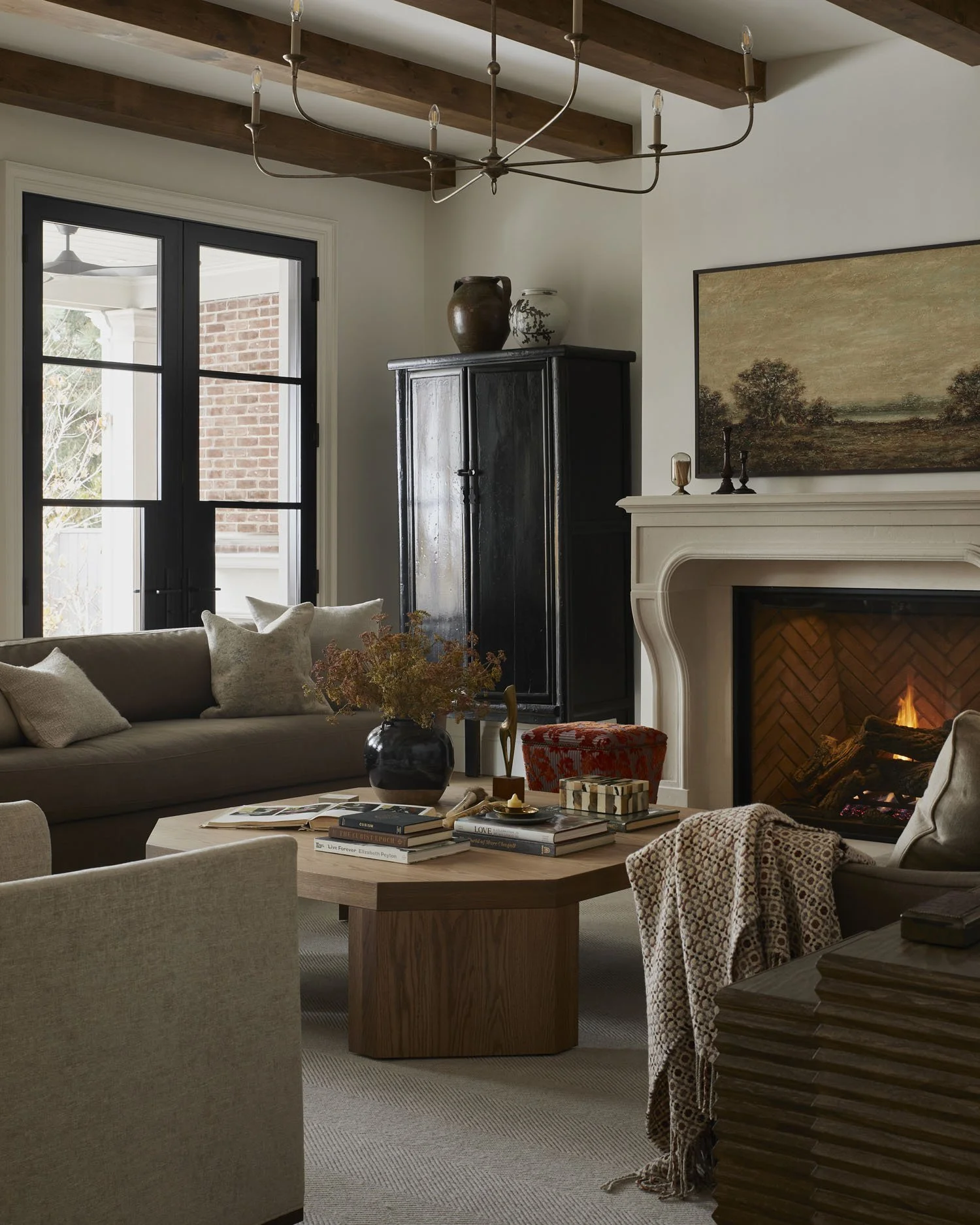
For most homes, the problem isn’t simply the number on the thermostat. A living room can feel cold because of drafts, heat loss, harsh lighting, unfriendly materials, and even how the furniture is arranged. These are not glamorous issues—and that’s exactly why they’re so often ignored. Yet they’re usually the difference between a room that feels like a cozy retreat and one that feels like a waiting area.
In this article, you’ll learn why your living room may feel colder than it should, how to spot and fix the most common comfort killers, and which small upgrades deliver the biggest “warmth per pound” without renovating your entire house.
No. 1
Fixing Drafts: The Invisible Reason Your Heating Feels Useless
Drafts are one of the biggest reasons people feel cold indoors. You can run the heating for hours, but if outdoor air is slipping in through tiny gaps, you’re essentially paying to heat the street.
What makes drafts especially frustrating is that they’re often invisible. You don’t always feel a clear stream of air; instead, the whole room just feels “off”—like the warmth never settles.
Where drafts commonly come from
Start by checking these typical culprits:
Windows: gaps around frames, worn seals, poorly fitted panes
External doors: worn weather stripping, gaps under the door
Keyholes and letterboxes: surprisingly significant sources of cold air
Skirting boards and floorboards: small gaps that add up, especially in older homes
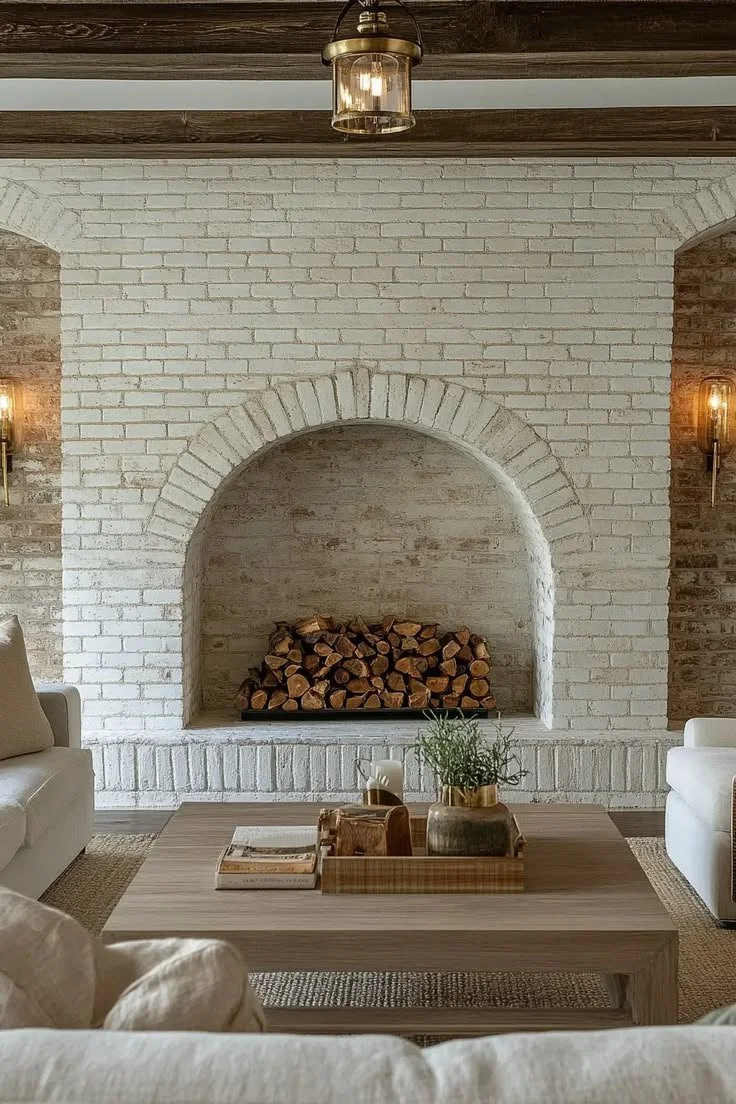
Chimneys and unused fireplaces: open flues can pull warm air out constantly
Simple fixes that make a real difference
You do not need to rip out walls or start a major renovation to improve comfort. Try these practical steps first:
Add draft excluders at doors (including a brush strip or a “sausage dog” style blocker).
Fit a keyhole cover and a letterbox brush. These are cheap and often shockingly effective.
Use sealant or draft tape around windows and door frames if you can feel air movement.
Consider thicker curtains—ideally thermal-lined—and ensure they cover the entire window area.
A curtain trick many people miss
If you have radiators beneath windows (very common), don’t let your curtains trap the heat against the cold glass. When curtains drape over a radiator, they can create a warm pocket behind the fabric, while the rest of the room stays chilly.
To fix this:
Make sure curtains sit above the radiator line where possible, or
Tuck them behind the radiator so warm air is pushed into the room.
It’s a small change, but it can noticeably improve how warm the room feels—especially in the evening.
What about the boiler and heating system?
If your boiler is extremely old, noisy, or unreliable, it may be worth getting a local heating company out to service it or swap some valves. However, many “cold living room” complaints aren’t caused by the boiler itself—they’re caused by heat escaping faster than it can build up.
If you want a quick heating check without diving into major costs, consider:
bleeding radiators if they have cold spots,
checking radiator valves are functioning,
making sure furniture isn’t blocking heat output.
No. 2
The “Big Light” Problem: Why Harsh Lighting Makes a Room Feel Colder
It sounds almost ridiculous until you experience the difference, but lighting has a powerful effect on perceived warmth. Some people still spend evenings with the main ceiling light blazing overhead, turning the living room into something that feels more like a supermarket aisle than a place to unwind.
Bright, cool-toned overhead lighting can make your space look sterile. And when a room looks sterile, it tends to feel colder—regardless of the actual temperature.
What to do instead
Aim for layered, warm lighting:
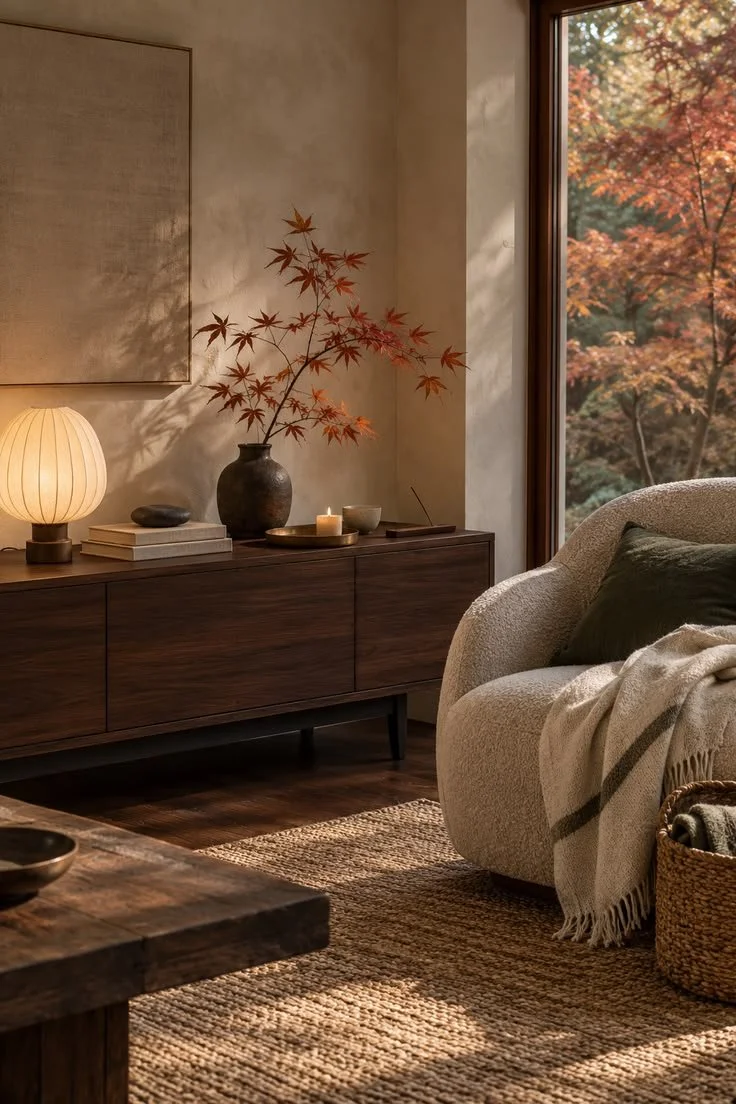
Table lamps placed in corners to soften shadows
Floor lamps near seating areas for a cozy “pool of light”
Wall lights or plug-in sconces for gentle ambient lighting
Choose the right bulb temperature
For a warmer feel, look for bulbs in the warm white range (often around 2700K–3000K). This light mimics sunset and candlelight more than daylight does, which encourages your body to relax.
You want bulbs that are soft white or warm-toned. Most smart bulbs these days let you program the temperature and color from an app so you can get it just right.
Smart bulbs can be especially useful because you can:
program warmer tones in the evening,
dim lights without losing warmth,
switch scenes depending on whether you’re reading, watching TV, or entertaining.
Lighting won’t physically heat the air, but it changes the room’s emotional temperature—and that matters more than most people expect.
No. 3
Texture Over Perfection: Why “Cold” Decor Often Feels Literally Cold
For a while, many interiors leaned hard into cool greys, glossy finishes, crushed velvet, and laminate that looks like polished concrete. Minimalism can be beautiful, but if your living room is dominated by cold tones and slick textures, it can feel uninviting—even if it’s technically warm.
A room doesn’t just need heat; it needs visual warmth and tactile comfort.
The simplest way to add warmth fast
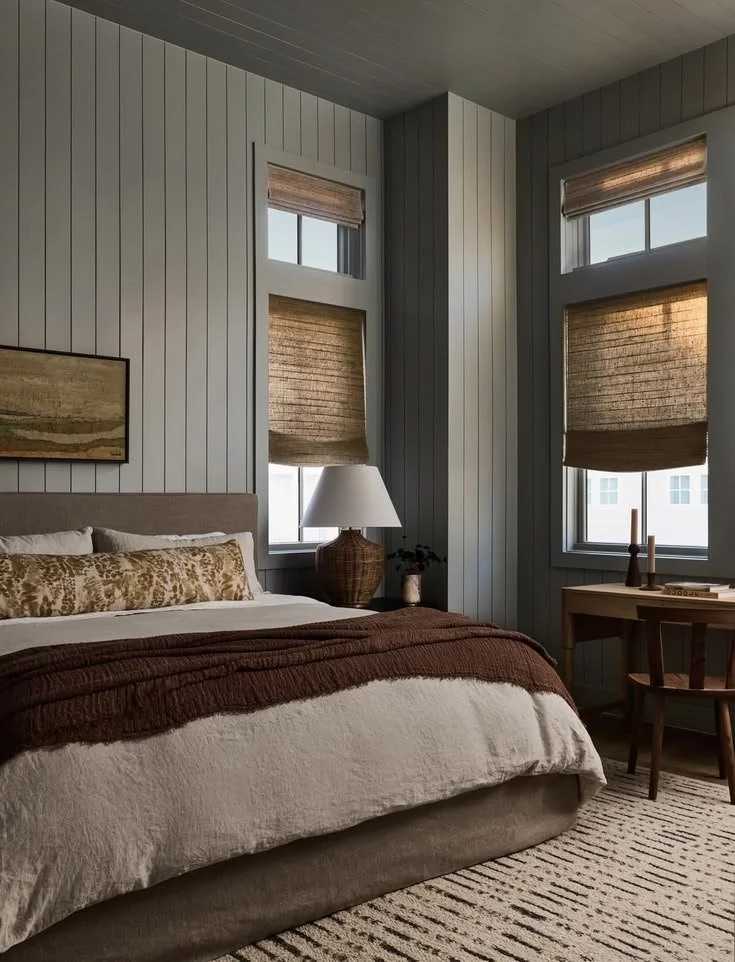
You don’t need to repaint everything or buy a massive designer rug. Instead, bring in a few items with soft texture and richer tones:
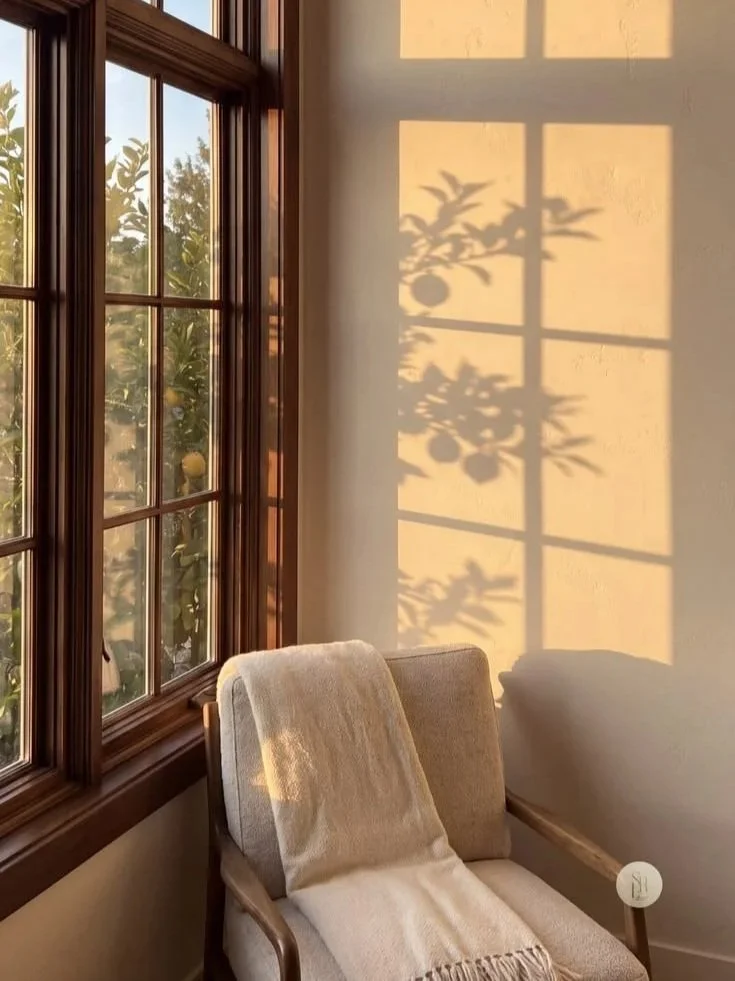
Chunky knit throws
Woven blankets
Cushions with texture (bouclé, wool blends, linen)
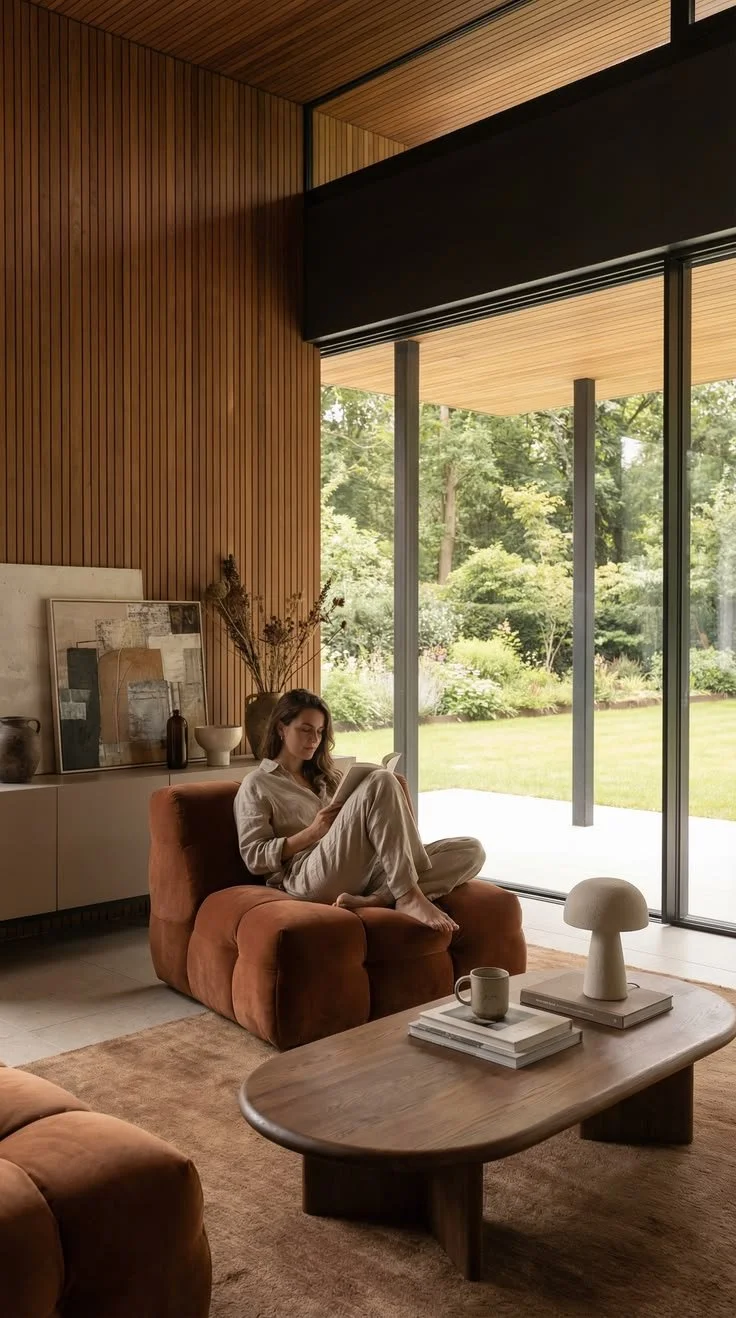
A soft rug (even a medium one makes a big impact)
Fabric footstools or ottomans that invite you to put your feet up
Color choices that warm a room without overwhelming it
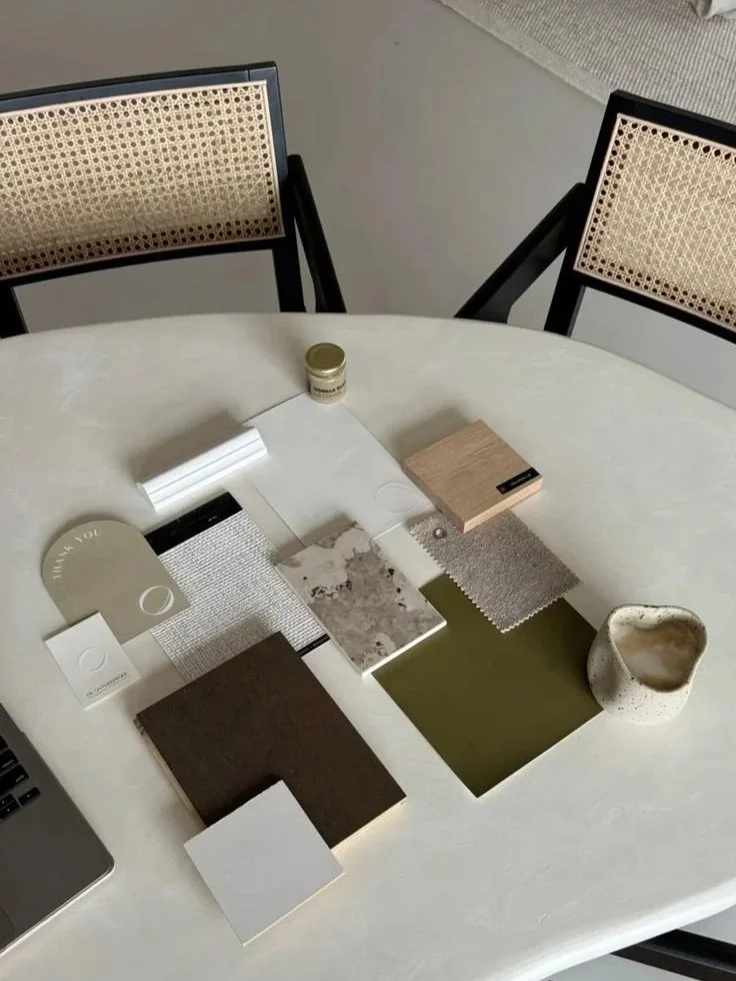
If you don’t want loud colors, choose warm, grounded shades:
earthy greens (olive, moss, sage)
clay and terracotta
warm neutrals (oat, sand, caramel)
deep reds used sparingly (rust, burgundy)
These tones don’t scream for attention, but they quietly shift the mood from “clinical” to “comfortable.”
Plants and personal objects matter more than trends
A few plants, books, framed photos, or meaningful items soften the space and make it feel lived-in. That sense of lived-in comfort is one of the most underrated ingredients in a room that feels warm.
No. 4
Move the Sofa: The Layout Mistake That Makes a Room Feel Empty and Colder
Another common reason a living room feels chilly is surprisingly simple: the furniture layout.
When all furniture is pushed flat against the walls, the center of the room can feel like an empty void. This creates a “big open area” feeling that’s more like a hall than a snug living space—especially in the evening. And large, open-feeling rooms tend to feel colder because there’s less sense of enclosure and comfort.
A small shift that changes everything
Try pulling the sofa a few inches away from the wall. This can:
make the room feel more intimate,
help your seating area feel “zoned” rather than scattered,
reduce the drafty feeling you sometimes get from cold external walls,
prevent the sofa from blocking radiators or heat flow.
If you have the space, consider positioning the sofa and chairs to form a “conversation area”:
sofa + chair facing inward,
coffee table anchoring the center,
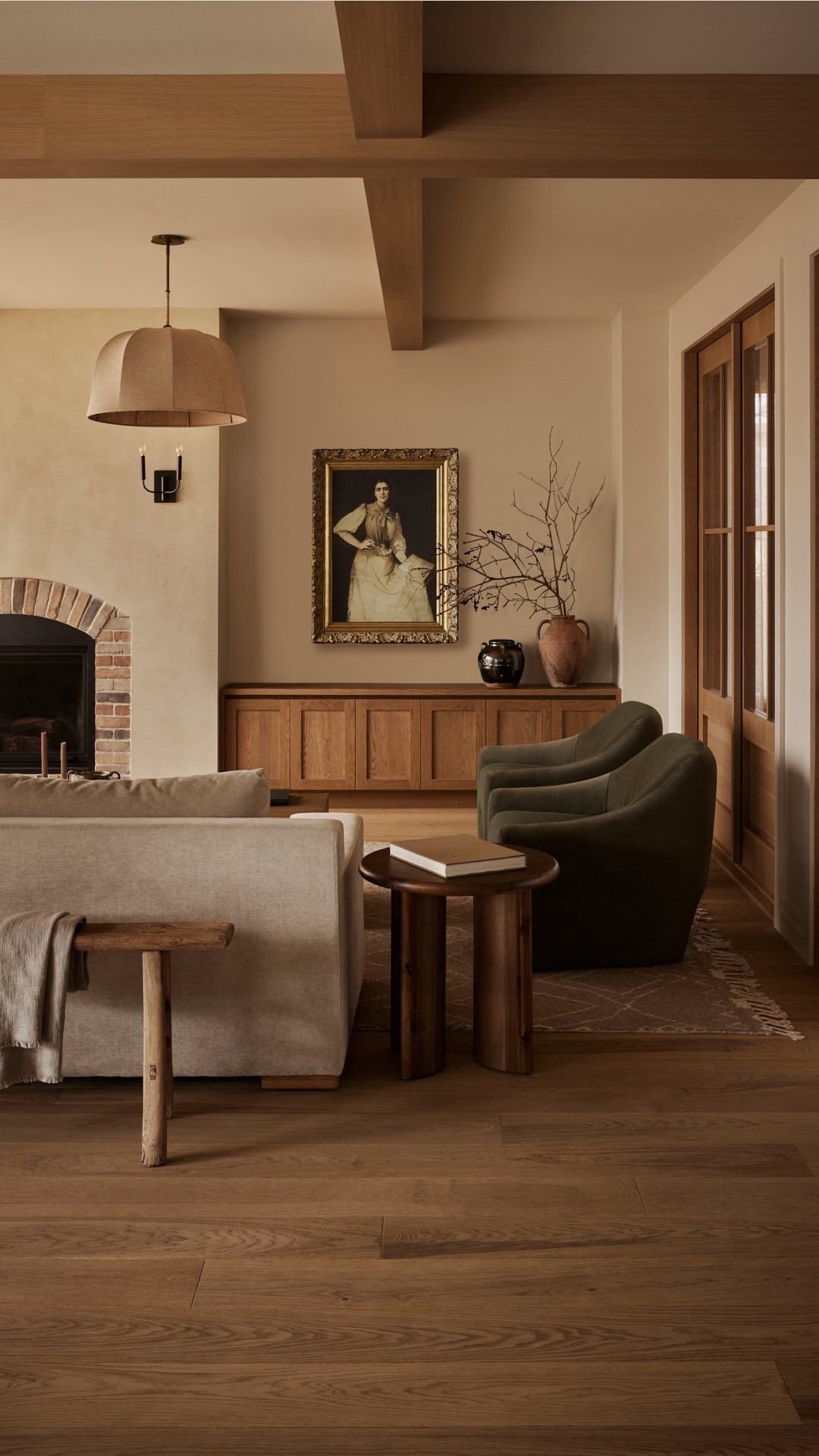
rug defining the seating zone.
That layout creates psychological warmth: the room feels gathered, not exposed.
No. 5
Extra Quick Wins (Low Effort, High Comfort)
If you want even more improvement without major expense, these tweaks can help:
Close internal doors in the evening to keep heat in the living room.
Use thicker curtains earlier (close them before it gets dark and cold).
Add a rug if you have hard floors—cold floors can chill your whole body.
Check humidity: overly dry air can feel colder; a modest humidifier may improve comfort.
Layer seating comfort: a throw on the sofa, a cushion behind your back, and a footrest can dramatically reduce the “I can’t get warm” feeling.
takeaways: A Warmer Living Room Is Usually a Few Boring Fixes Away
When your living room feels freezing, it’s tempting to assume you need stronger heating or a costly renovation. In reality, the most common causes are unexciting but fixable: drafts that steal your heat, lighting that makes the space feel harsh, decor that’s visually cold, and layouts that make the room feel empty and exposed.
The best part is that most of these solutions are inexpensive and immediate. Start with draft-proofing (especially doors, windows, and keyholes), switch to warm, layered lighting, introduce texture and warmer tones, and pull furniture slightly away from the walls to create a cozier zone. Do those things, and your living room can start feeling like a place you actually want to curl up in—without shivering under a blanket and wondering why your home feels colder than the weather outside.
Looking for Home resources?
Looking to enhance your living space and create a sanctuary that supports your well-being? Explore our home partners who offer a wide range of resources to elevate your home environment.