Why Patio Screens Look Filmy In Late Spring
Late spring is one of the most rewarding times to use outdoor living areas. Warmer days return, patios become daily destinations, and screened porches start functioning like an extra room. Yet many homeowners run into the same annoyance every year: patio screens, outdoor windows, porch enclosures, and glass doors begin to look dull, hazy, or filmy even after they were cleaned earlier in the season.
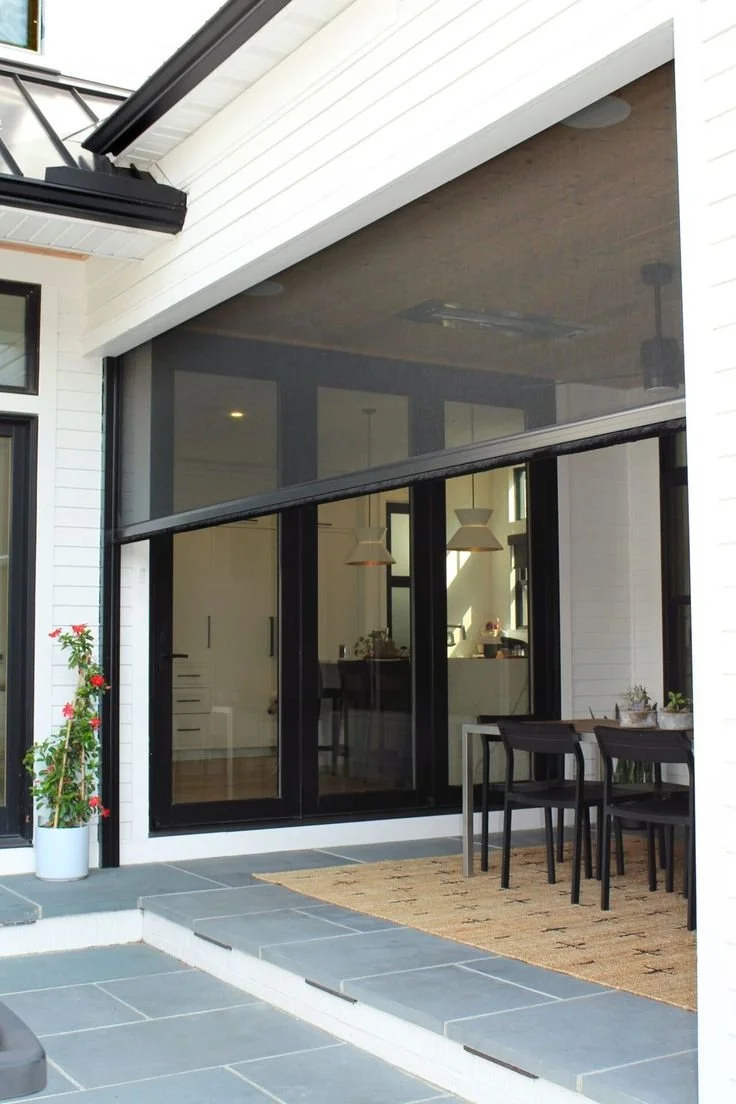
In this article, we will explore why that cloudy film shows up so quickly in late spring, what it is actually made of, and how to reduce it with a smarter, whole-area cleaning approach. The key is understanding that the haze is rarely caused by one single factor; it is usually the result of multiple airborne and surface-level contaminants combining into a thin, stubborn layer that keeps coming back.
No. 1
The Real Culprit: A Seasonal Mix of Airborne Debris
Most people assume “it must be pollen,” and pollen is certainly part of the story. But the filmy layer on screens and exterior glass is usually a blend of particles that land, bind, and smear rather than rinse cleanly. Late spring conditions make this worse because you often have a combination of dry wind, increasing humidity, morning dew, frequent lawn care, and more outdoor foot traffic.
That combination creates two problems:
More debris is airborne and moving around your property
More moisture is available to glue fine particles to screens and glass
A screened porch or patio enclosure acts like a passive filter. Air moves through, but particles get trapped on mesh fibers, window tracks, frames, and the edges of glass where residue builds up first.
Common contributors to late-spring haze
Tree and grass pollen
Lawn clippings and plant fragments
Soil dust from landscaping and garden beds
Fine grit from patios, walkways, and driveways
Residue from concrete, pavers, and stone surfaces
No. 2
Airborne Pollen Is Only Part of the Problem
Pollen is the most obvious late-spring culprit because it is both visible and persistent. Trees, grasses, flowers, and weeds release tiny particles that travel easily on breezy days. These particles cling to mesh screens, glass panes, vinyl porch panels, outdoor furniture, rails, and siding.
What makes pollen especially frustrating is how it behaves once it mixes with moisture. Morning dew, light rain, and humidity can turn dry pollen dust into a tacky residue that bonds to surfaces. At that point, a quick hose rinse often fails because the film does not lift cleanly; instead, it streaks, smears, or lodges deeper into screen fibers.
Why pollen becomes harder to clean over time
Moisture turns powdery particles into a sticky coating
The coating attracts and holds additional dust and debris
Repeated partial rinsing can create uneven streaking on glass
Screens trap pollen in the mesh, making it look gray or dingy
If you clean your screens early in the season and they still look hazy later, it is often because new layers have bonded on top of old residue in tiny increments. The buildup may be thin, but it is constant.
No. 3
Lawn Clippings and Landscaping Debris Add to the Cloudy Look
Late spring is prime lawn-care season. Regular mowing, trimming, edging, and blowing can send fine organic debris into the air. Even when clippings look too heavy to travel far, the smallest particles can drift and settle on nearby screens, window ledges, porch frames, and glass doors.
This is especially noticeable when outdoor living areas sit near open lawn, garden beds, or active landscaping. If a leaf blower is used near the home, it can amplify the problem by pushing fine debris toward the structure and into corners where it is difficult to remove.
High-risk setups that collect debris faster
Screened porches adjacent to lawns or mulched beds
Sunrooms and pool enclosures near frequent mowing zones
Outdoor kitchens near edging and trimming areas
Patios located downwind of open grass or garden soil
Homes where blowers are used along siding and thresholds
When organic debris mixes with pollen and dust, it forms a dull coating that makes screens look aged and glass look perpetually streaked, even shortly after cleaning.
No. 4
Dust and Concrete Residue Travel Farther Than You Think
Another overlooked source of grime is nearby hardscapes. Patios, walkways, retaining walls, driveways, pool decks, and concrete steps hold fine dirt and residue year-round. In late spring, dry weather and wind can lift fine particles from these surfaces and carry them onto nearby windows and screens.
Concrete, pavers, brick, and stone can also develop buildup from:
Soil and foot-traffic grime
Mildew or algae in shaded areas
Mineral deposits from irrigation and runoff
Weathering residue that becomes powdery when dry
When wind moves across these surfaces, it can spread loose particles into your outdoor living area, where they settle on screens, glass, and frames. This is why cleaning only the screens or only the windows often produces short-lived results. If the patio slab or walkway next to them is still dirty, the next breezy afternoon can redistribute that residue right back onto the freshly cleaned surfaces.
Signs your hardscapes are contributing to the haze
A dusty film returns within a few days of cleaning glass
Corners of the porch or window tracks collect grit quickly
Patio furniture feels gritty rather than simply “dusty”
The haze is heavier on the side facing the driveway or walkway
No. 5
Windy Spring Weather Spreads Grime Across the Entire Property
Spring breezes are pleasant, but they are also highly effective at moving debris. Pollen, soil dust, mulch fragments, grass clippings, and hardscape residue can shift from one area of the yard to another repeatedly.
Orientation matters. A screened porch facing an open lawn or driveway often accumulates more buildup than a sheltered window on a protected side of the home. Likewise, areas exposed to prevailing winds tend to show faster film development because they receive a steady supply of fine particles.
The result is an outdoor space that feels dull sooner than expected:
Screens look gray instead of crisp and clean
Outdoor windows appear hazy even when the interior is spotless
Sliding glass doors lose clarity and shine
Railings and trim collect dust that makes paint look tired
Furniture and décor feel like they never stay clean
No. 6
Why Routine Exterior Cleaning Works Better Than Spot Cleaning
Spot cleaning a single surface can feel productive, but it rarely solves the late-spring film problem for long. A complete exterior approach tends to produce longer-lasting results because it reduces the overall supply of loose grime that wind can redeposit.
Instead of treating screens and glass as separate projects, it helps to treat the patio area as a connected system. The condition of your concrete, pavers, siding, rails, and landscaping directly affects how quickly your screens and outdoor windows get dirty again.
Surfaces that often need attention along with screens and glass
Patio floors, pool decks, and porch slabs
Walkways, driveways, and steps
Siding, trim, and exterior frames
Railings, columns, and porch ceilings
Screen tracks and door thresholds
This is where homeowners may start considering seasonal maintenance options, including professional exterior power washing in Towson, especially when patios, driveways, siding, porch areas, and outdoor windows are all affected by the same springtime buildup.
Power washing and soft washing can remove layers of pollen, dust, mildew, algae, and surface grime more efficiently than repeated hand-wiping. The right method depends on the material: concrete and pavers may tolerate stronger cleaning, while screens, painted trim, siding, and delicate outdoor window areas typically require a gentler approach to avoid damage.
No. 7
How to Keep Patio Screens and Outdoor Windows Cleaner Longer
Once you understand what causes the film, prevention becomes more realistic. The goal is not to eliminate pollen or dust entirely, but to reduce how much buildup is available to stick and spread.
Smart habits that reduce late-spring haze
Rinse screens and exterior glass lightly every week or two during peak pollen
Clean hardscapes early in the season so wind has less loose residue to move
Direct mower discharge away from the home, porch, and glass doors
Use leaf blowers strategically, aiming debris away from structures and screens
Wipe down frames, tracks, and rails where grime concentrates first
Quick maintenance checklist for screened porches
Rinse screens from the outside to push debris outward rather than into the enclosure
Vacuum or wipe screen tracks before washing to avoid turning grit into sludge
Clean door thresholds and corners where pollen paste tends to form
Rinse patio floors after mowing to remove fresh clippings and dust
Cleaning sequence for better results
Remove loose debris first (dry brush, gentle vacuum, or low-pressure rinse)
Wash hardscapes next (patio, walkway, steps) to reduce airborne redeposit
Clean screens and frames
Finish with exterior glass and door surfaces for the clearest final look
The order matters because cleaning the glass first often leads to immediate re-contamination when you later disturb dust on nearby concrete or screens.
No. 8
A Cleaner Outdoor Space Starts Around the Screens
That filmy look on patio screens and outdoor windows is not random, and it is not necessarily a sign you cleaned “wrong.” In late spring, airborne pollen, lawn debris, dust, and residue from nearby concrete can combine into a stubborn layer that spreads across outdoor living spaces.
The most effective solution is usually comprehensive rather than isolated. When you address both the screens and the surrounding hardscape, you reduce the supply of particles that keep landing, sticking, and smearing across the surfaces you want to enjoy most.
Takeaways
Late-spring haze on patio screens and outdoor windows is typically caused by a combination of pollen, lawn debris, and fine dust from nearby hardscapes. Moisture from dew and humidity helps these particles bond into a film that streaks instead of rinsing cleanly.
Spot cleaning often produces short-lived results because wind redistributes grime from patios, walkways, and driveways back onto screens and glass. A whole-area exterior cleaning approach reduces the overall debris available to settle and stick.
To keep outdoor surfaces cleaner longer, focus on routine light rinsing, better control of lawn-care debris, and cleaning surrounding concrete and pavers before buildup becomes heavy. Treat the patio zone as a connected system so your results last beyond the next breezy day.
Looking for Home resources?
Looking to enhance your living space and create a sanctuary that supports your well-being? Explore our home partners who offer a wide range of resources to elevate your home environment.