How Selecting The Right Bathroom Floor Tile Improves Your Home Aesthetic
A bathroom may be one of the smallest rooms in the home, but it carries outsized design weight. The floor, in particular, influences how clean, cohesive, and intentional the entire space feels, because it visually anchors vanities, tubs, wall finishes, and lighting. The right tile selection can make a bathroom feel brighter, larger, calmer, more luxurious, or more modern, while the wrong choice can make even a newly renovated space feel disjointed or dated.

No. 1
Choosing Bathroom Floor Tiles to Enhance Aesthetic Appeal
Bathroom floor tile is not just a surface; it is a design framework. It affects perceived room size, ties together fixtures and wall colors, and sets the tone for the entire bathroom experience, from spa-like and serene to bold and architectural.
Think like a designer: define the look you want first
Before you compare tile samples, clarify what you want the bathroom to feel like. A short design brief makes every later decision easier. Consider goals such as:
Making a small bathroom feel more open and airy
Creating a high-end, hotel-inspired look
Achieving a warm, natural aesthetic that pairs with wood tones
Building a sleek contemporary bathroom with crisp lines
Prioritizing a family-friendly floor that hides water spots and wear
Once you define the aesthetic direction, you can choose a tile that supports it instead of competing with it.
Use tile layout to control visual flow
Tile size, orientation, and pattern all shape how the room reads. Layout choices can visually widen the floor, elongate the room, or add a focal point without changing any fixtures.
Common layout strategies include:
Straight lay for a clean, minimal look
Diagonal placement to visually expand small bathrooms
Herringbone or chevron for movement and a designer feel
Large-format tile to reduce grout lines and create a seamless look
Mosaic tile for detail, texture, and enhanced slip resistance in wet areas
If you want a bathroom to feel calmer and more spacious, reducing visual clutter usually helps. Large-format tile and restrained patterns often achieve that effect.
Match finish to both style and practicality
Finish is one of the most overlooked design decisions. It changes how light behaves in the room and how the tile performs under daily use.
A simple way to evaluate finish:
Glossy or polished finishes reflect more light and can feel upscale, but they may show water spots and can be more slippery depending on the product
Matte finishes deliver a modern look, diffuse light, and often offer better traction
Textured finishes add grip and visual depth, though they may require a bit more attention during cleaning
The best finish is the one that aligns with the design intent while still fitting the realities of wet floors, kids, guests, and quick cleanups.
For more inspiration when narrowing down options, explore this bathroom floor tile collection.
No. 2
Exploring Popular Bathroom Tile Materials for Design
Tile material influences color depth, texture, durability, maintenance workload, and cost. It is also a major factor in how “premium” a bathroom looks, because certain materials communicate luxury more strongly than others.
Ceramic and porcelain: versatile, durable, and design-friendly
Ceramic and porcelain remain top choices for bathrooms because they balance aesthetics and performance. Both offer extensive styles, from stone-look to wood-look, concrete-look, and crisp monochrome.
Key advantages include:
Excellent moisture resistance, especially for porcelain
Strong durability for everyday traffic
Broad range of design options and price points
Compatibility with radiant floor heating in many installations
Easier maintenance compared to most natural stone
Porcelain is often preferred for bathroom floors because it is denser and typically absorbs less water, which can matter in high-use bathrooms.
Natural stone: timeless character with added upkeep
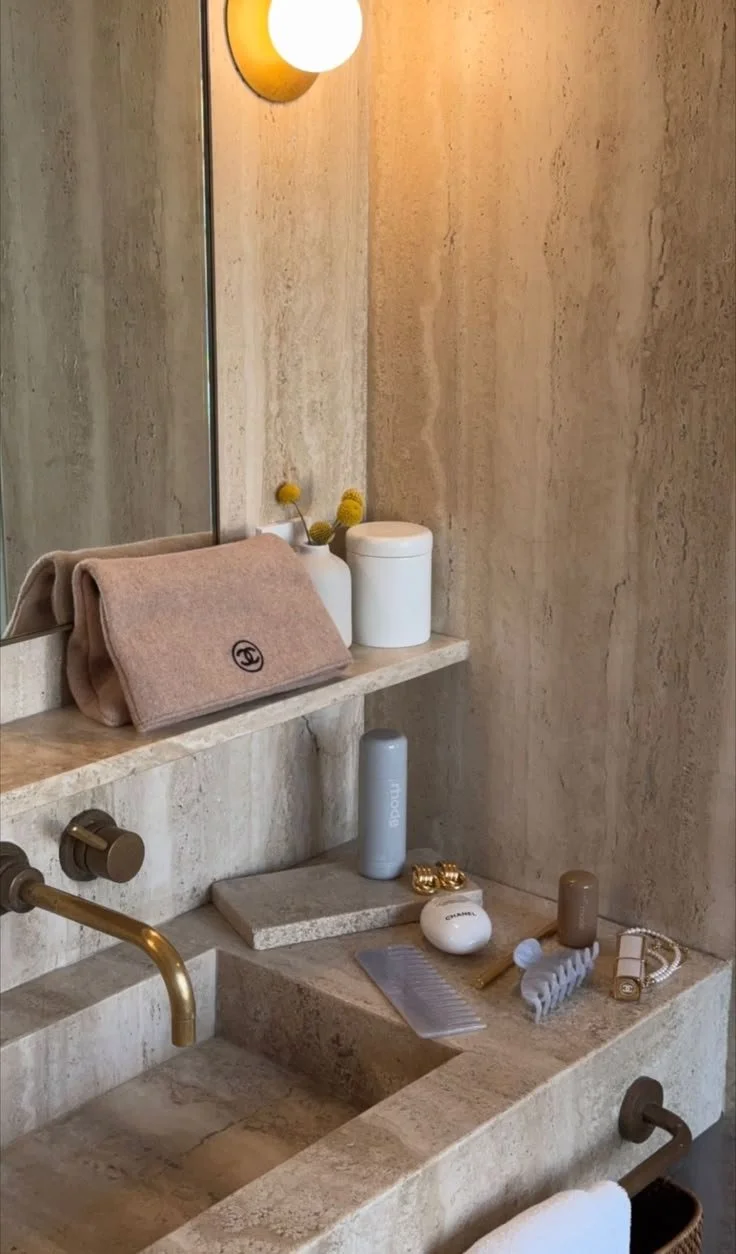
Natural stone tiles like marble and travertine can elevate a bathroom’s aesthetic instantly. The variation in veining and tone provides depth that manufactured materials often emulate but rarely replicate perfectly.
However, stone comes with responsibilities.
Plan for:
Periodic sealing to protect against moisture and staining
More sensitive cleaning requirements to avoid etching or dulling
Higher likelihood of variation between pieces, which is part of the appeal but requires thoughtful selection
If you want a long-lasting “classic luxury” look, natural stone can be exceptional, but it’s best chosen when you are comfortable with proactive maintenance.
Glass tile: modern accents and light play
Glass tile is often used as an accent rather than a full-floor material, but it can still influence the overall aesthetic significantly. It reflects light, introduces color with clarity, and pairs well with modern fixtures.
Smart uses for glass in bathroom design include:
Borders and insets that highlight zones
Shower niches or feature strips that coordinate with the floor
Accent panels that connect the floor palette to the wall elements
When mixing materials, aim for cohesion. Repeating a tone, finish, or geometric theme across different surfaces makes the whole space feel intentional rather than busy.
No. 3
Color and Pattern Selection for Bathroom Tiles
Color and pattern are where tile becomes a true aesthetic driver. Even subtle shifts, like warm white versus cool white, can change how paint color, vanity tone, and metal finishes appear in the room.
Choose a palette that supports the mood
Start with the mood you want the bathroom to communicate, and then choose a tile tone that reinforces it.
Common approaches:
Light neutrals for an open, clean, timeless look
Warm beiges and greiges for a softer, spa-inspired feel
Charcoal and deep tones for drama and a high-contrast modern style
Mid-tone grays for a contemporary look that hides daily dust and water marks better than pure white
Also consider lighting. Bathrooms with limited natural light often look best with tile that reflects or brightens the space, while well-lit bathrooms can handle deeper tones without feeling closed in.
Use pattern strategically, not everywhere
Patterns can add personality, but too many patterns can overwhelm small bathrooms quickly. A balanced strategy typically works best.
Practical pattern tips:
Let one surface lead: if the floor is bold, keep walls quieter
Repeat one color from the patterned tile in paint or textiles for cohesion
Use patterned tile in a defined zone, such as under a freestanding vanity or in a powder room where impact is desired
Pair patterned floors with simpler grout lines and clean trim details
Geometric and encaustic-look patterns remain popular because they can deliver character without requiring expensive materials.
Consider grout color as part of the design
Grout is not an afterthought. It shapes how tile reads from a distance and can either highlight or soften the pattern.
Common grout approaches:
Matching grout for a seamless, expansive look
Contrasting grout to emphasize geometry and structure
Mid-tone grout to disguise staining while maintaining definition
If you want a calm, high-end look, matching grout with larger tile sizes is often a winning combination. If you want energy and structure, contrast can work beautifully with smaller formats.
No. 4
Maintenance Tips for Long-Lasting Bathroom Tiles
A bathroom floor can only look great long-term if it is maintained correctly. The good news is that a few smart habits protect both the tile and the grout, keeping the surface crisp and fresh over time.
Build a simple cleaning routine
Consistency beats intensity. A sustainable routine reduces grime buildup and prevents dulling.
A practical maintenance baseline:
Sweep or vacuum regularly to remove grit that can scratch surfaces
Use a pH-neutral cleaner for routine mopping
Clean spills quickly, especially on natural stone
Avoid harsh acids or abrasive powders that can damage finishes or grout
If your bathroom sees heavy daily use, light cleaning more frequently typically keeps the floor looking better than occasional deep scrubbing.
Protect grout lines and prevent discoloration
Grout is often the first element to show age. To preserve a clean aesthetic:
Use proper ventilation to reduce moisture that can encourage mildew
Address minor cracks early to prevent water intrusion
Consider periodic resealing if the grout type and product call for it
Use bath mats strategically near tubs and showers to reduce constant saturation
Choosing the right grout color at the start can also reduce the visibility of everyday wear.
Know what your specific tile needs are
Different materials have different maintenance requirements.
For example:
Natural stone typically needs sealing and gentler cleaning
Polished surfaces may show water spots more easily
Textured tiles can require a bit more attention to lift residue from the surface texture
For more detailed maintenance guidelines, check out this guide on tile flooring maintenance.
No. 5
Practical Selection Checklist Before You Buy
Even when a tile looks perfect in a showroom, it needs to work in your actual bathroom. A short checklist can prevent costly regrets.
Questions to answer before finalizing your choice
Ask yourself:
Will this finish be safe in wet conditions?
Does this color work under my bathroom lighting at night and during the day?
Will the grout lines feel too busy for the room size?
Does the tile coordinate with vanity tone, wall color, and metal finishes?
Is the material realistic for the level of maintenance I will actually do?
What to bring home before committing
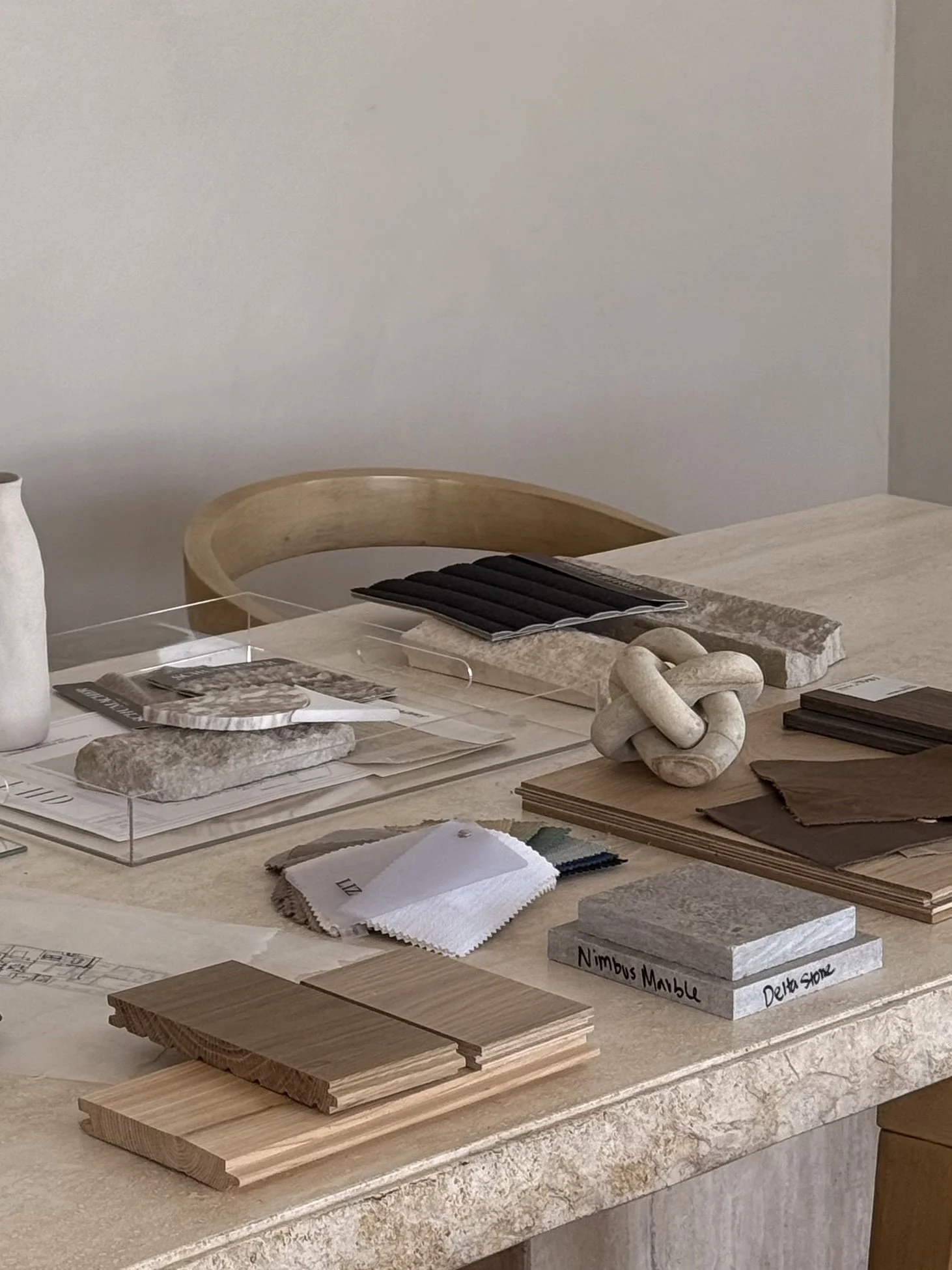
When possible, bring home:
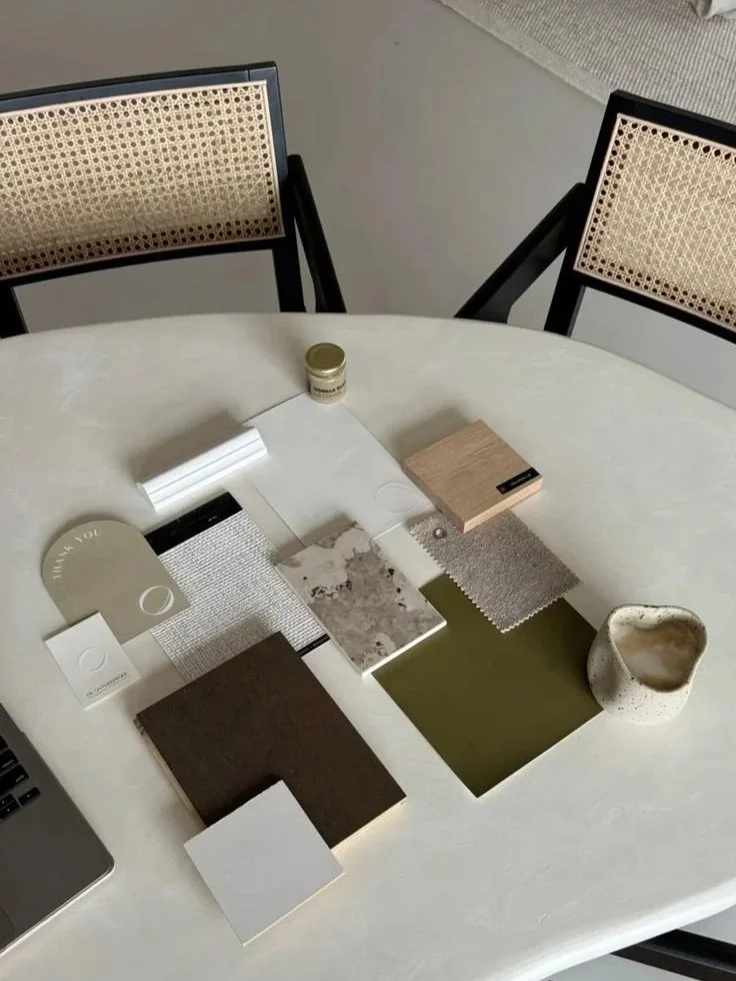
A few tile samples to view in your lighting
A grout color sample card
A paint swatch, if the walls will be repainted
A photo of your vanity and countertop to compare undertones
Seeing everything together helps avoid mismatched undertones, which is one of the most common reasons a bathroom feels “off” after installation.
Takeaways
Bathroom floor tile plays a major role in your home aesthetic because it anchors the room, shapes visual flow, and influences how large, bright, and cohesive the bathroom feels. When you start with a clear design direction, the tile choice becomes more strategic and far less overwhelming.
Material selection affects both appearance and performance, with porcelain and ceramic offering versatility and durability while natural stone delivers timeless luxury with added upkeep. Color, pattern, finish, and grout should be chosen as a coordinated system to achieve a polished, intentional look.
Long-term beauty depends on smart maintenance, including gentle routine cleaning, grout protection, and product-appropriate care. By testing samples in your lighting and using a practical selection checklist, you can choose a tile that looks stunning now and continues to elevate your home for years.
Looking for Home resources?
Looking to enhance your living space and create a sanctuary that supports your well-being? Explore our home partners who offer a wide range of resources to elevate your home environment.