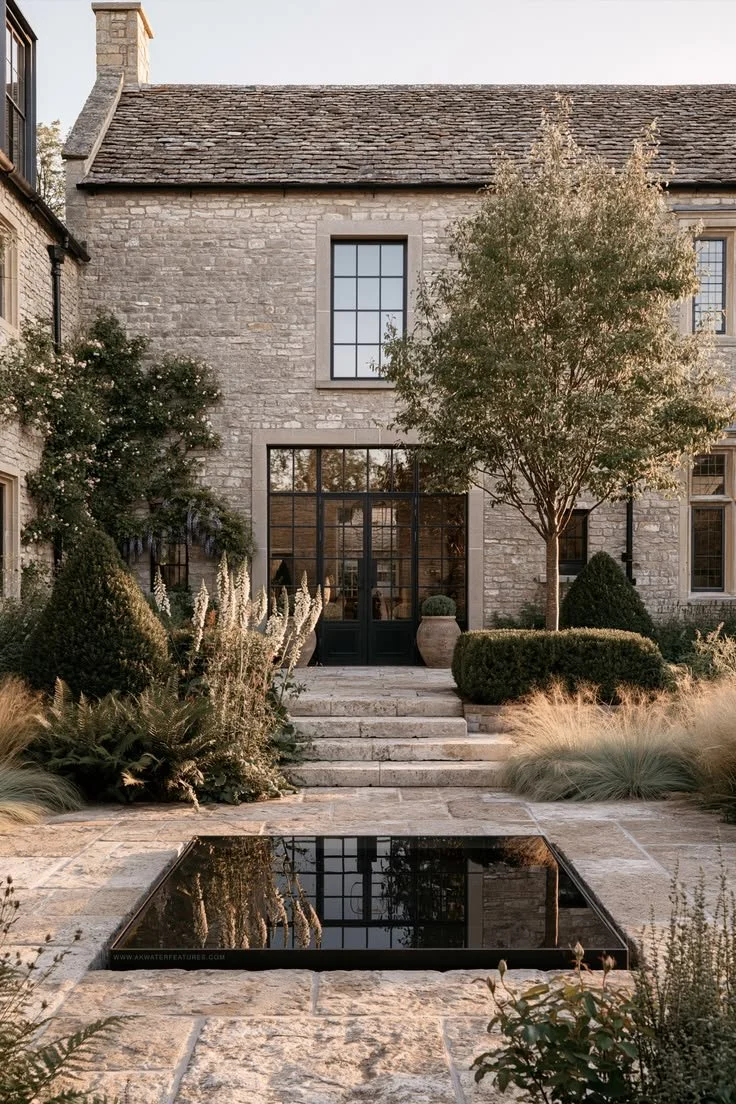
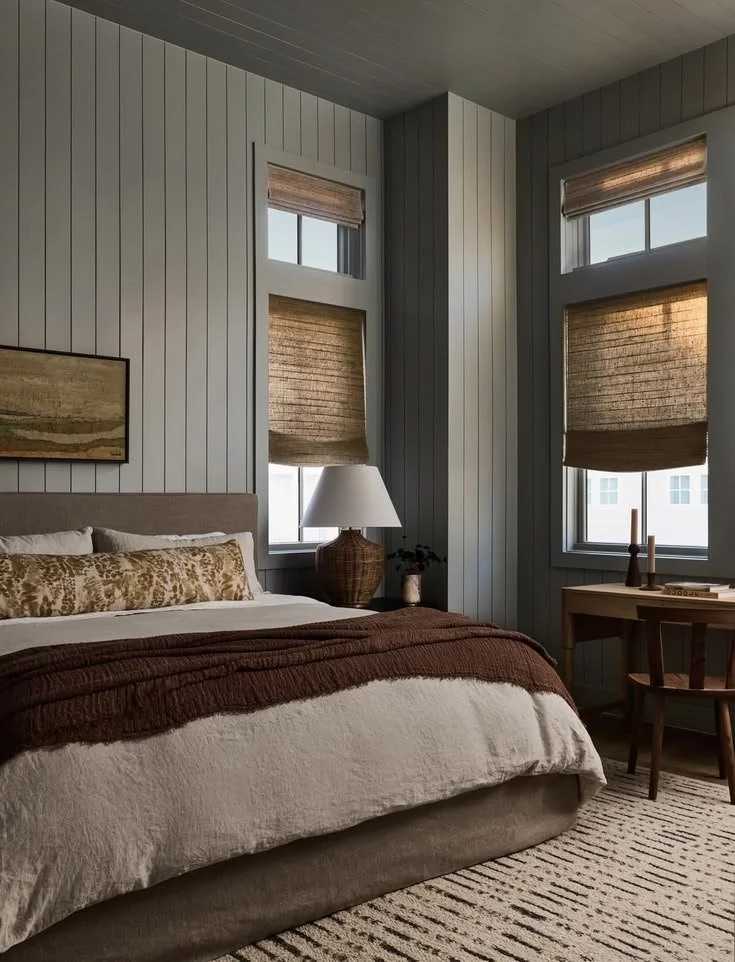
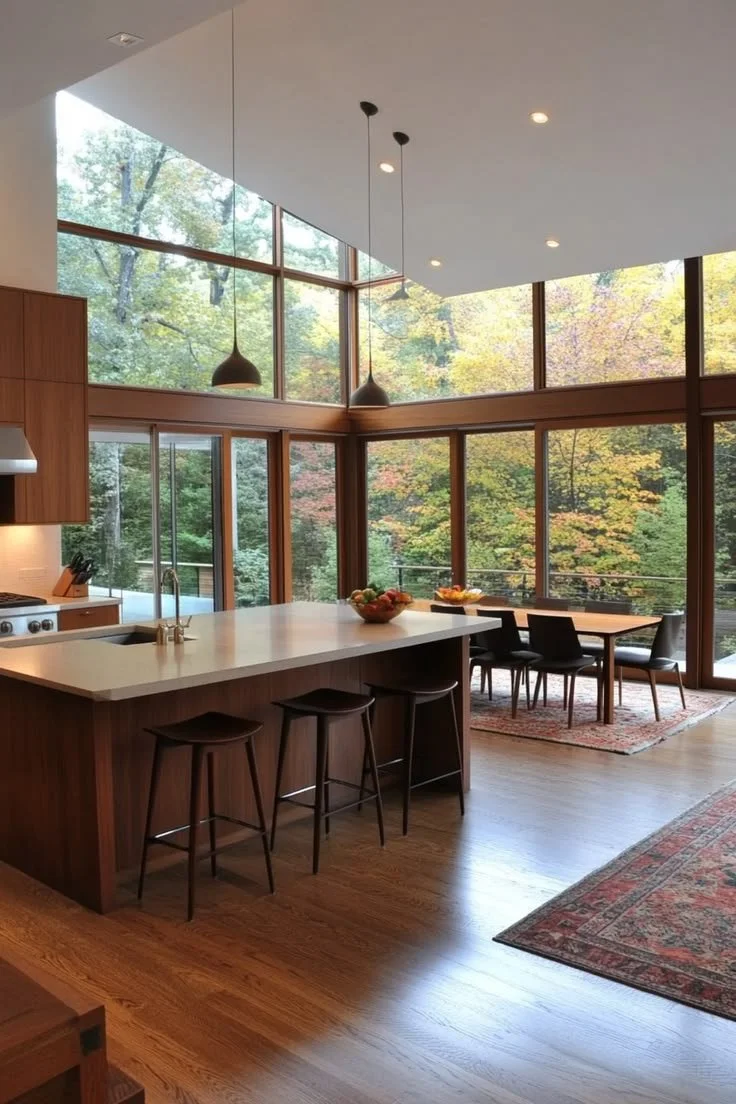
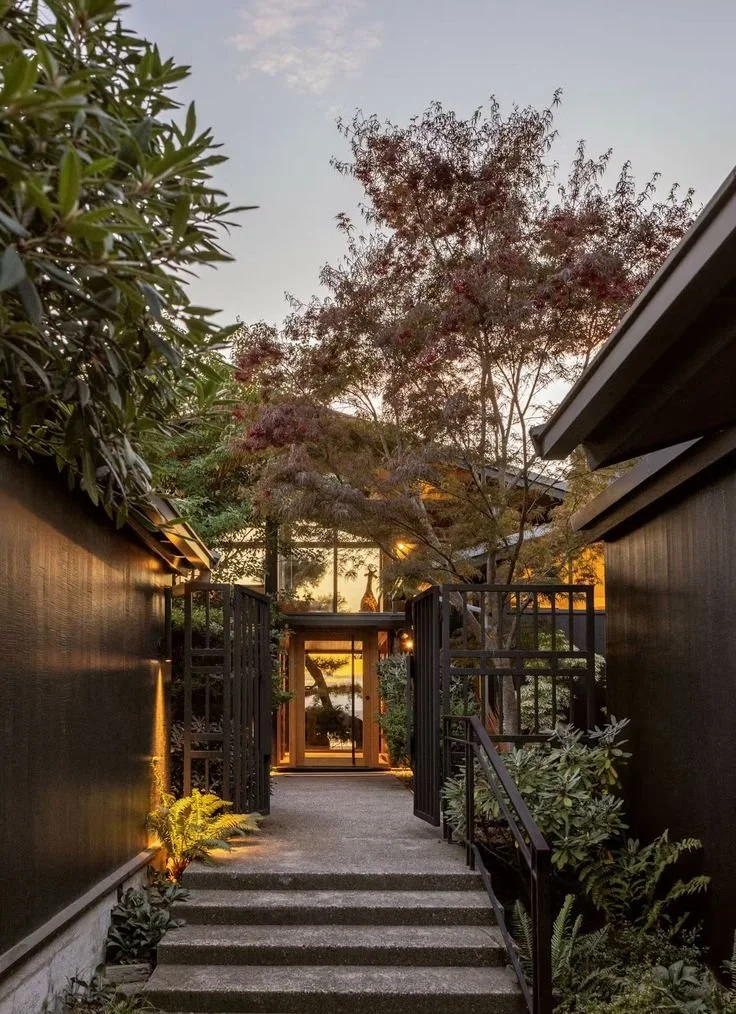
Custom Home Building In Chapel Hill Shaped By Experience and Intentional Design
Custom home building in Chapel Hill, North Carolina is increasingly defined by more than exterior style and interior finishes. Homeowners still care deeply about beauty and architectural character, but many are now prioritizing something more enduring: how the home will function over time—through changing family needs, evolving lifestyles, and the practical realities of maintenance, energy use, and long-term comfort. As demand grows for tailored living environments, builders with meaningful local experience are becoming more influential in shaping Chapel Hill’s residential landscape.
In this article, we’ll explore why Chapel Hill is a uniquely complex place to build, what “intentional design” looks like in modern custom construction, and how the design-build model can improve alignment between vision, feasibility, and cost. We’ll also examine how Zinn Design Build—closely associated with longtime builder Carol Ann Zinn and her 47+ years of experience in the Chapel Hill area—reflects a broader shift toward integrated, planning-led building practices designed to produce cohesive, predictable results.
No. 1
Chapel Hill Custom Homes: Moving Beyond Aesthetics to Long-Term Performance
For years, custom homes were often framed as a lifestyle upgrade—more space, higher-end finishes, and a design that “stands out.” That desire still exists, but Chapel Hill homeowners are increasingly looking for homes that stand up to real life.
This means asking different questions at the start of a project, such as:
How will this layout support day-to-day routines—not just entertaining?
Will the home still work if our family structure changes?
Can we incorporate flexible space without wasting square footage?
What materials and systems will hold up well in this climate?
How can we reduce maintenance burdens over time?
In many ways, Chapel Hill’s custom home market is maturing. Rather than chasing only visual impact, homeowners want design decisions that remain satisfying long after the “new home glow” fades. That shift naturally elevates builders who focus on planning discipline, buildability, and realistic expectations—because these are the factors most likely to determine whether a custom home feels effortless or frustrating five years later.
No. 2
Why Chapel Hill Is a Unique Environment for Custom Construction
Chapel Hill presents a distinctive mix of opportunities and constraints. Its appeal—mature neighborhoods, tree canopy, and varied terrain—also creates challenges that require more than a standardized building approach.
Local builders often must account for:
Established neighborhoods and community context
Many projects involve fitting a new home into an existing architectural rhythm. Scale, massing, setbacks, and streetscape presence can matter as much as interior finishes.Varied topography and site-specific engineering
Sloped lots, drainage considerations, and changing elevations influence foundation decisions, driveway design, and even how the home “sits” visually on the property.Lot constraints and the realities of infill building
Building in established areas can involve tighter construction access, existing utilities, and more careful staging and scheduling.Tree preservation and environmental sensitivity
Chapel Hill homeowners often want to preserve mature trees and natural features, which can affect footprints, grading, and long-term landscape planning.Modern performance expectations
Homeowners increasingly expect stronger energy performance, better indoor comfort, and resilient materials—especially as weather patterns and energy costs become more variable.
These variables don’t operate in isolation. A decision to preserve specific trees, for example, might influence the driveway approach, which affects the home’s orientation, which impacts daylighting, which can change window selections and mechanical sizing. This is why local familiarity isn’t just a “nice-to-have.” In Chapel Hill, it can directly affect build outcomes and predictability.
No. 3
Zinn Design Build and the Value of Deep Local Experience
Among the firms working within this evolving market is Zinn Design Build, a company closely associated with one of the most trusted Chapel Hill home builders, Carol Ann Zinn, whose 47+ years of experience in Chapel Hill continue to shape how custom homes are planned and executed.
In residential construction, longevity is rarely accidental. Over nearly five decades, Carol Ann Zinn has worked through:
changing architectural styles and client preferences
evolving building codes and inspection standards
material innovations and construction best practices
shifts in household needs (from formal layouts to flexible living)
market cycles that affect budgets, labor, and timelines
That breadth of experience tends to show up in two crucial ways:
Sharper early-stage judgment about what will work on a specific site
Stronger process discipline—because experience often teaches where problems typically begin
In a space where many builders operate across wide territories, a long-standing Chapel Hill presence can also imply a deeper familiarity with the community’s design norms, build constraints, and quality expectations. For homeowners, that can translate into fewer surprises and more coherent decision-making.
No. 4
The Design-Build Model: Aligning Vision, Cost, and Feasibility Early
One of the most consequential decisions a homeowner makes is not a finish selection—it’s the project delivery method. Zinn Design Build operates within a unified design-build model, treating design and construction as integrated disciplines rather than separate phases managed by different parties.
This matters because custom homes carry a unique risk profile: decisions made during design have significant downstream implications for cost, schedule, structural complexity, and even long-term maintenance. If design and construction are disconnected, homeowners may discover late that a plan is over budget, difficult to build, or misaligned with the site.
A design-build approach aims to reduce those breakdowns by encouraging early alignment across key variables:
Vision: What the homeowner wants the home to feel and function like
Feasibility: What the lot, codes, and construction realities can support
Cost: What the budget can realistically deliver, given the scope and choices
When those elements are aligned early, several common pain points often diminish:
scope misalignment (“We thought this was included.”)
budget uncertainty (“Why did the price change so much?”)
mid-project redesigns (often costly and emotionally draining)
scheduling disruptions (caused by late decisions or rework)
Importantly, this is not about eliminating complexity—custom homes are complex by nature. It’s about managing complexity with a structure that supports continuity from concept to completion.
No. 5
Homeowner Priorities Are Shifting Toward Livability and Adaptability
Chapel Hill homeowners are increasingly requesting homes designed around the realities of modern life—work-from-home routines, multi-generational needs, and a desire for spaces that evolve with the family instead of forcing the family to adapt to the house.
While architectural beauty remains essential, there is a rising emphasis on:
Livability: layouts that support everyday movement, storage, and comfort
Durability: materials and details designed to hold up over time
Adaptability: flexibility for new needs without major renovations
Efficient use of space: thoughtful planning rather than excess square footage
Aging-in-place considerations: design that remains functional across life stages
These priorities often show up in practical choices, such as:
flexible rooms that function as an office now and a guest room later
main-level living options that reduce long-term mobility barriers
mudrooms, drop zones, and storage designed around how people truly live
kitchen and living layouts that balance openness with acoustic and visual comfort
materials chosen for performance, maintenance, and longevity—not only trend value
Zinn Design Build’s projects are described as reflecting this mindset—where layout decisions and detailing prioritize long-term function alongside architectural cohesion. In an area like Chapel Hill, that cohesion matters: a home should feel both personal and appropriately rooted in its context.
No. 6
Why Detailed Drawings and Upfront Precision Reduce Risk
Another notable aspect of the firm’s process is its emphasis on detailed architectural and engineered drawings early in the project lifecycle. This may sound technical, but for homeowners it often translates into something highly practical: fewer unpleasant surprises.
In construction, ambiguity is expensive. When plans leave too much undefined, builders and trades must make assumptions, and assumptions can turn into:
change orders that inflate cost
delays caused by rework or approvals
design compromises made under time pressure
inconsistent execution across different parts of the build
By leaning into detailed documentation early, a project gains a clearer roadmap. Homeowners can also make better-informed decisions because they can more accurately visualize how design choices will translate into real outcomes—how spaces will feel, how systems will integrate, and what the finished home will actually include.
Benefits of strong upfront drawings often include:
clearer scope definition (what’s included, what’s not)
improved coordination between architectural intent and structural requirements
more accurate budgeting and procurement planning
fewer midstream “figure it out later” moments
better communication among everyone involved in the execution
For homeowners, the deeper value is confidence: a well-defined plan supports a more predictable build process and a more coherent result.
No. 7
The Future of Custom Home Building in Chapel Hill
As Chapel Hill continues to attract residents seeking a balance of culture, education, and quality of life, the demand for well-executed custom homes is expected to remain strong. But “well-executed” increasingly means more than a beautiful reveal at the end. It means a process that respects the homeowner’s intent, the site’s constraints, and the reality that a home must perform for decades.
In that environment, builders who combine local knowledge with an integrated, planning-led approach are positioned to deliver more predictable outcomes. Zinn Design Build’s ongoing work in Chapel Hill reflects this broader shift toward experience-driven building practices. With Carol Ann Zinn’s 47+ years of local expertise informing the firm’s approach, the company represents a model where longevity, process discipline, and client alignment converge—supporting homes built not just for today’s preferences, but for how people intend to live well into the future.
Takeaways
Custom home building in Chapel Hill is evolving from a primarily aesthetic endeavor into a deliberate, performance-minded process centered on long-term livability.
In this article, we covered why Chapel Hill’s established neighborhoods, varied topography, and environmental considerations require builders to think beyond standardized plans. We also examined how deep local experience—such as Carol Ann Zinn’s 47+ years in the community—can strengthen early planning and reduce avoidable surprises.
Finally, we outlined why the design-build model and detailed upfront drawings can improve alignment between vision, feasibility, and cost—helping homeowners create custom homes that are cohesive, adaptable, and designed for the realities of life over time.
Looking for Home resources?
Looking to enhance your living space and create a sanctuary that supports your well-being? Explore our home partners who offer a wide range of resources to elevate your home environment.