Settle Into A New Home: First-Week Comfort Tips
The kettle is around here somewhere, but not exactly where you want it. One shoe is by the front door, the other is wedged under a box labeled linen, and you have opened the same cupboard three times looking for mugs that have apparently vanished. Your house is yours, yet it can feel like you are borrowing it, learning its corners while your routines float just out of reach.

In this article, we will explore how to feel grounded during the first week in a new home by prioritizing the rooms you rely on most, unpacking for comfort rather than perfection, and using simple sensory cues and routines that help your brain register safety and familiarity.
The goal is not to “finish” the house immediately, but to create enough stability that daily life can run with less friction while the rest unfolds naturally.
No. 1
First Week: Focus on the Rooms That Carry Your Daily Life
One of the hardest parts of unpacking is the urge to unpack everything at once. When boxes are stacked in nearly every room, spreading yourself too thin can make the entire home feel chaotic, even if the chaos is temporary and manageable.
A better approach is to create reliable spaces in the rooms that support your everyday needs first. Think of these as your “daily life anchors”: the few places that help you wake up, get ready, eat, and unwind without constant searching.
Prioritize high-impact rooms first
Start with spaces that reduce decision fatigue and time-wasting:
Bedroom: sleep quality and a sense of calm start here
Bathroom: predictable access to toiletries and towels reduces stress
Kitchen: even basic meal and drink routines restore normalcy
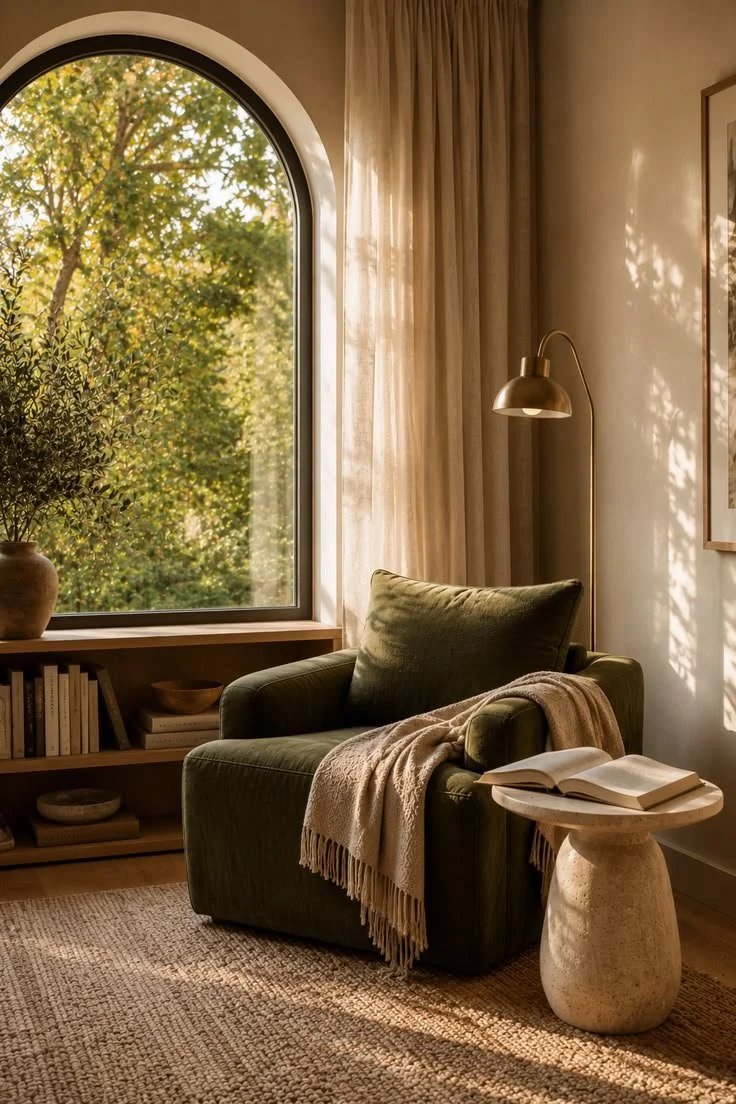
One cozy area: a chair, a corner of the sofa, or a small nook where you can pause
Set up simple, reliable stations (not perfect rooms)
Aim for function over aesthetics. These quick wins give you immediate relief:
Make the bed as soon as possible, even if the rest of the room is unfinished
Place towels where you can reach them without opening multiple drawers
Group coffee, tea, breakfast basics, and mugs in one easy-to-reach cupboard
Create a landing zone for keys, mail, school papers, handbags, and chargers
Choose one bin or basket for “things I cannot place yet” to keep surfaces clear
These practical details do more than organize. They signal safety to your nervous system and reduce the low-grade stress that comes from constant micro-searching.
No. 2
Unpack for Comfort Over Perfection During the First Week
The first week is rarely the right moment to solve every design dilemma. You do not yet know where the natural light falls during the day, which rooms feel cooler at night, or which areas naturally become social gathering points. Give yourself permission to live in the space before trying to style it.
Instead of striving for perfection, unpack for comfort. Comfort creates a sense of belonging faster than a flawlessly arranged shelf.
Make comfort decisions that are easy to reverse
Choose small changes that warm the space without locking you into a final layout:
Lay down a familiar rug to reduce echo and visual emptiness
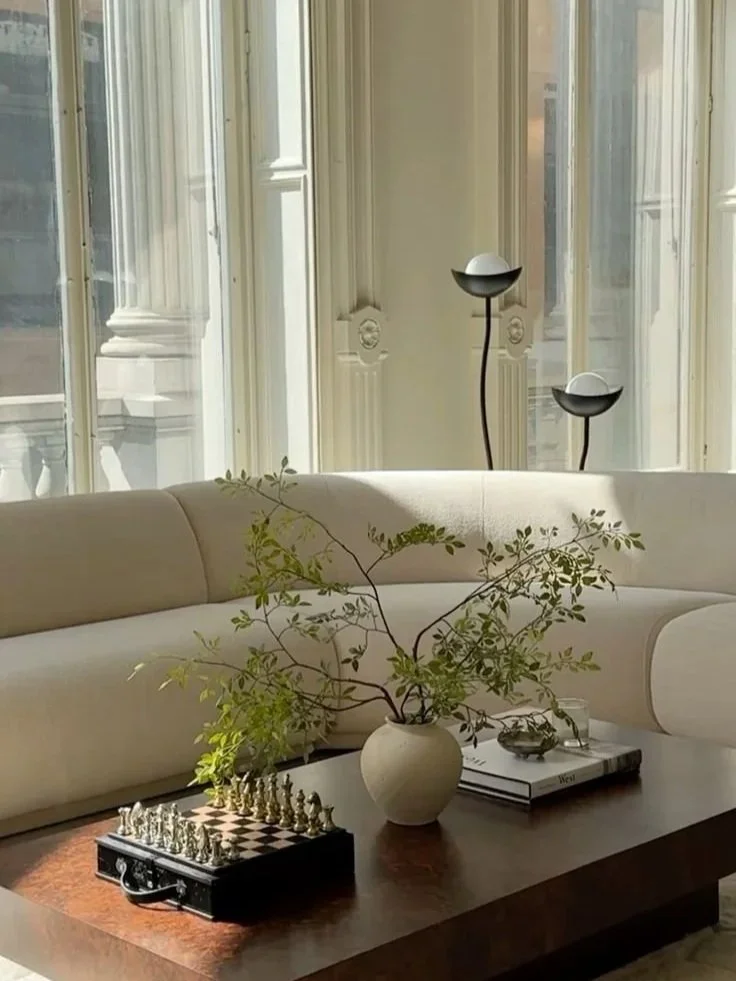
Position a lamp to soften harsh overhead lighting
Place your most-used throw blanket and a favourite cushion where you relax
Arrange a small stack of favorite books, even if the bookcase is not ready
Put familiar artwork on a surface temporarily before committing to wall placement
Use familiar items to reduce emotional friction
Familiarity carries emotional weight. When the environment is new, familiar objects act like “shortcuts” to calm.
Consider unpacking these early:
The mug you always use
Your regular bedding and pillow
A candle or room spray you associate with home
A framed photo or small keepsake
A soft robe, slippers, or a comforting blanket
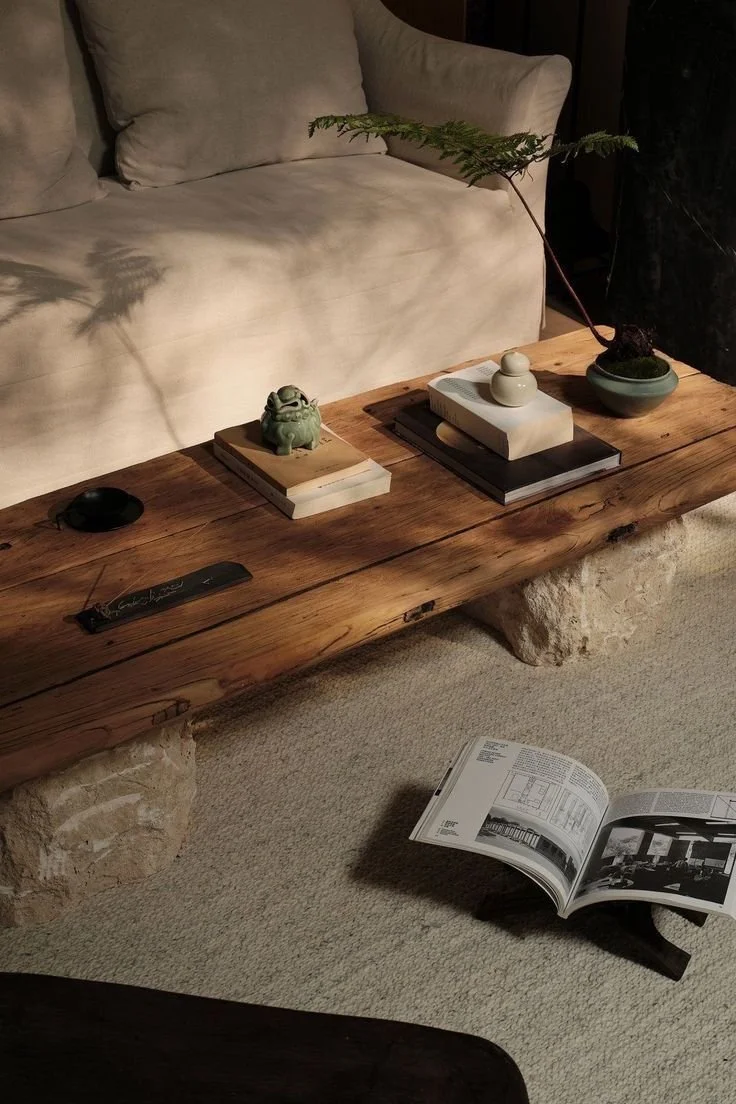
One small area with your usual chair, warm light, and a known scent can make the entire house feel less foreign.
No. 3
Create One Peaceful Area Before Tackling the Rest
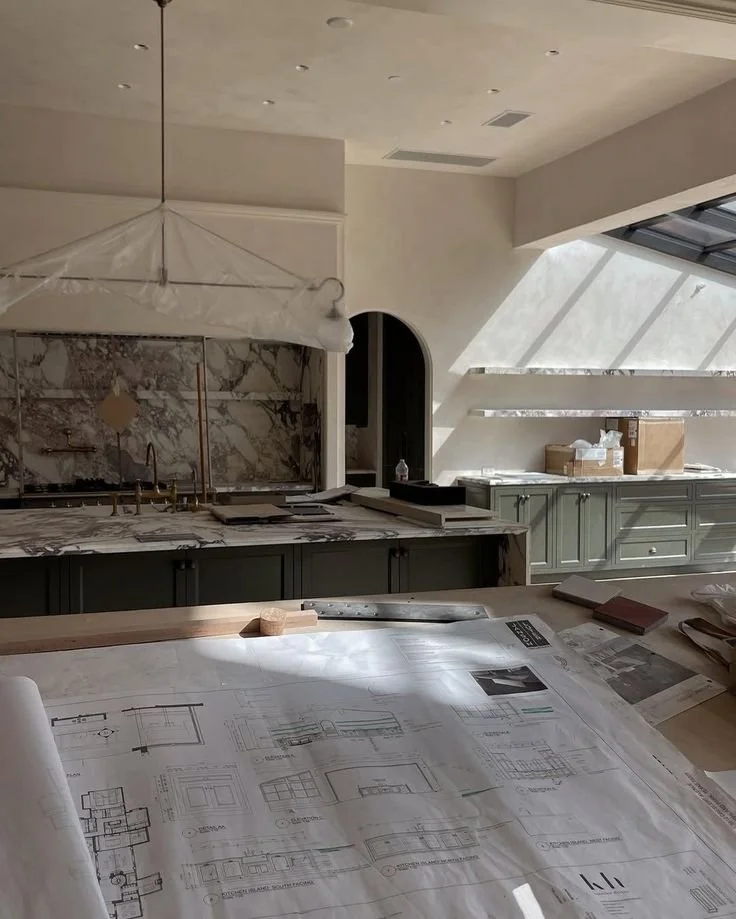
When you move, every room feels urgent. Boxes need breaking down, cupboards need wiping, cables need untangling, and furniture looks wrong in its new place. Because everything seems to require immediate attention, it helps to intentionally finish one area early.
This is not about denial. It is about creating a visual and emotional refuge inside the mess.
Choose a small zone you can complete in one to two hours
Good options include:
Bedside table and the space around it
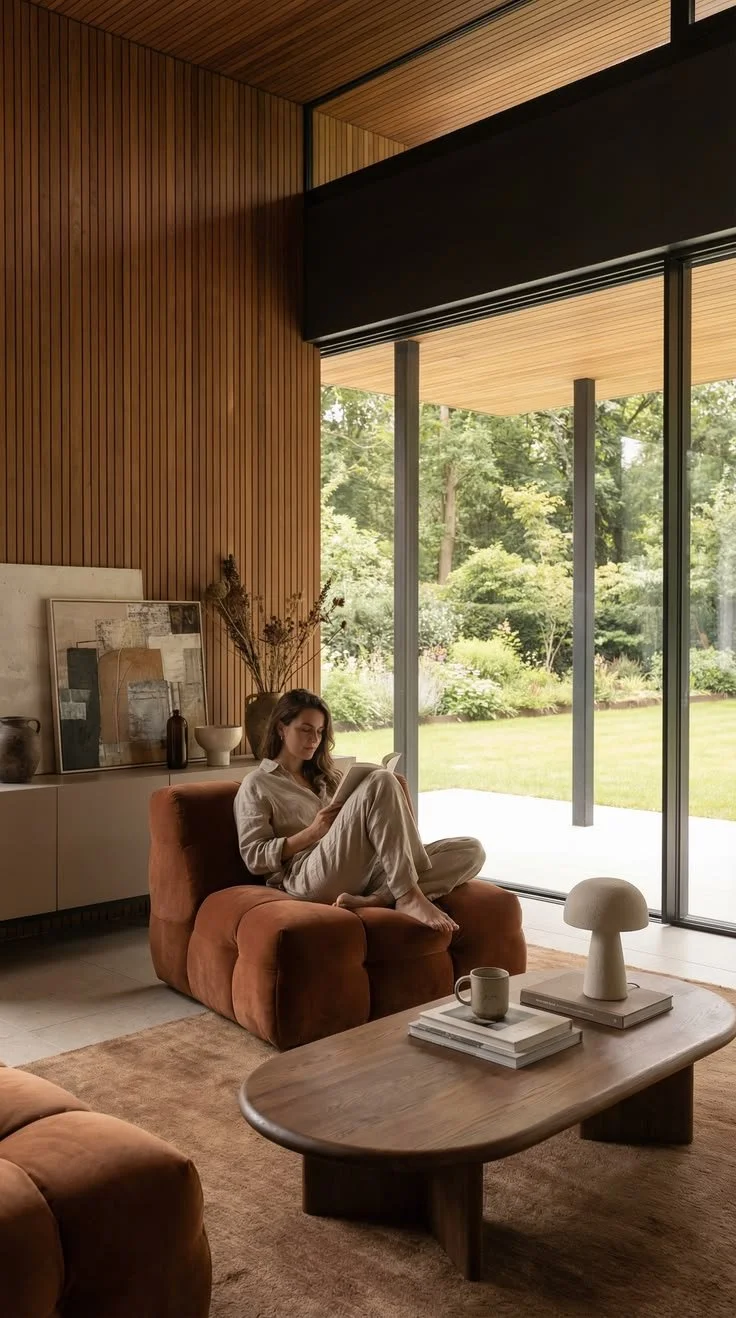
Reading chair and side table
Breakfast nook
Entrance hall landing area
One kitchen counter section that stays clear
Keep the peaceful area simple and functional
To make it feel restful, try this approach:
Clean the area thoroughly first
Add only essentials
Include one calming element, such as a lamp or plant
Maintain it daily, even if the rest of the house is still in progress
This finished corner becomes proof of progress. It also gives your attention somewhere gentle to land when the garage or spare room still looks like day one.
If you hired top rated movers, then you probably had an easier day of moving. However, emotionally settling into a new home is yours alone. It requires effort, patience, and a bit of humility.
No. 4
Use Smell, Sound, and Soft Lighting to Build Atmosphere
A home begins to feel like home through the senses. Long before every room is decorated, you can shift the atmosphere using items you likely already own.
Refresh the air and establish a “home” scent
Start with ventilation and a consistent, comforting smell:
Open windows in the morning to release cardboard, dust, and paint odours
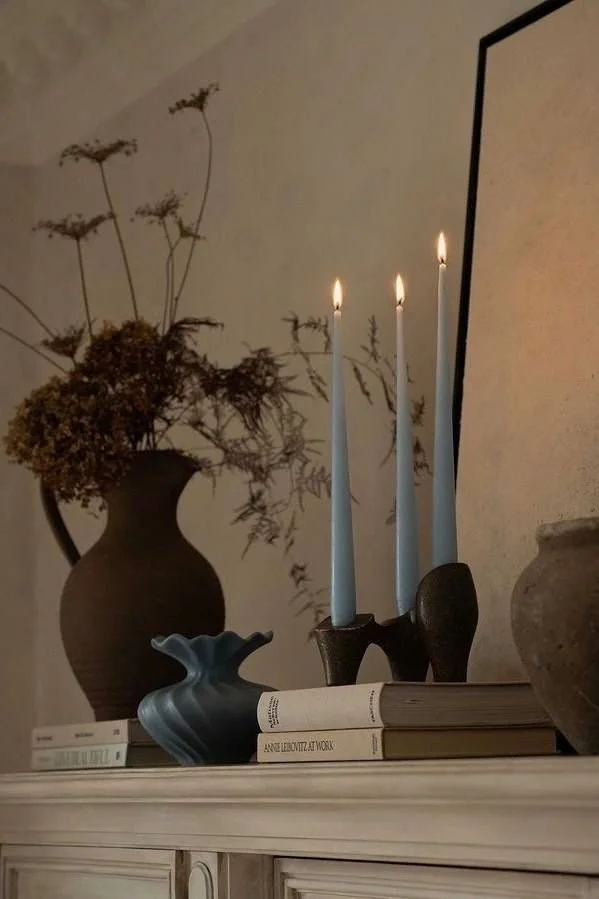
Light candles you genuinely enjoy (not ones you tolerate)
Simmer citrus peels or cinnamon on the stovetop for a clean, warm scent
Spritz a linen spray on bedding and curtains after making the bed
The key is consistency. Repeating the same gentle scent can create an association that tells your brain, this place is safe and familiar now.
Add sound to reduce the “empty house” feeling
Silence can make a new space feel expansive and unfamiliar. Soft background sound creates a sense of lived-in warmth.
Try:
Playing music while you unpack
Using a familiar playlist during meal prep
Putting on light talk radio or a comforting podcast during sorting sessions
Adding white noise at night if the new environment sounds different
Switch to softer lighting at night
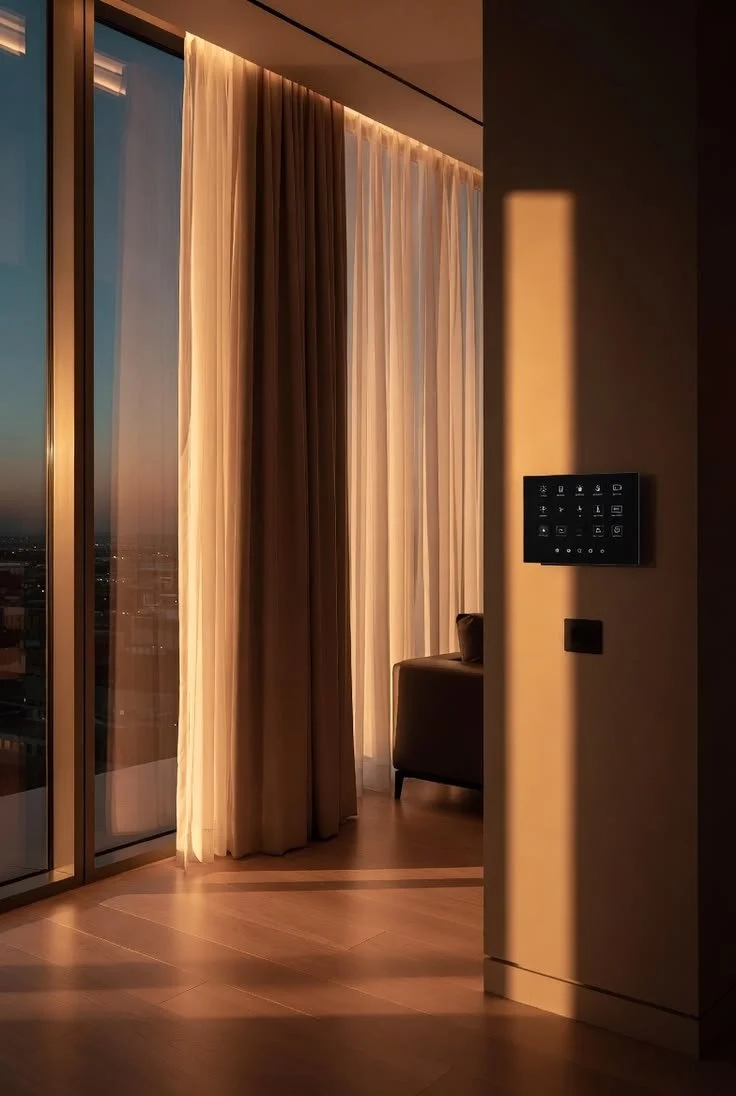
Strong overhead lighting can make rooms feel clinical, especially when walls are bare.
Use lighting that supports rest:
Table lamps in living areas
Warm-toned bulbs rather than cool-white bulbs
String lights in a reading corner or bedroom
A low lamp in the hallway to reduce nighttime harshness
Soft lighting is one of the fastest ways to make a space feel calmer without buying anything major.
No. 5
Maintain a Simple First-Week Routine
Routines often vanish during the first week after a move. Meals become random, laundry piles up, chargers go missing, and everyone stays up too late because there is always one more box.
Structure does not need to be strict. It simply needs to be recognisable.
Reinstate a few “non-negotiable” daily rhythms
These habits can stabilise the household quickly:
Make coffee or tea in the same location each morning
Eat one meal at the table, even if boxes are nearby
Put shoes and coats in one consistent place
Decide where everyone charges devices overnight
Keep bedtime roughly consistent, especially for children
Try a short nightly reset to prevent overwhelm
A 10-minute reset reduces morning stress:
Load or wash dishes
Set out school bags, work items, and keys
Start one small laundry load or at least gather it into a basket
Clear one countertop so you begin the next day with a clean surface
Routine helps both adults and children settle faster because it creates predictable patterns in an unfamiliar setting.
No. 6
Let the House Show You What It Needs
Every house has a rhythm, and you cannot fully understand it from a floor plan or a moving-day instinct. You might realise the kitchen needs a small planning station, the entryway needs a bench, or the living room works better with furniture pulled closer together.
Those answers come from lived experience, not panic buying.
Notice friction points and solve them one at a time
When something feels annoying repeatedly, it is data. Common early “friction signals” include:
You keep dropping bags because there is nowhere to set them down
Everyone piles shoes in the same inconvenient spot
Mail collects because there is no obvious sorting location
You cannot find scissors, tape, or a charger when you need them
You avoid a room because the lighting feels harsh or the layout feels awkward
Make small improvements before committing to big purchases
Try temporary solutions first:
Use a tray or basket as a placeholder for keys and mail
Add removable hooks for coats until you choose permanent ones
Rearrange furniture for flow before buying additional pieces
Test lamp locations before investing in overhead changes
If the house is still partially unpacked by week two, that can be completely normal. Home is not measured by how many boxes are gone; it is measured by small moments of ease, such as making your first peaceful meal, placing a glass beside your bed, or exhaling when you walk through the door.
Takeaways
Settling into a new home takes time, and it is normal to feel emotional and disoriented during the first week. Focus first on the rooms that support daily life so your routines can restart quickly.
Unpack for comfort rather than perfection by prioritising familiar items, sensory cues, and one finished, peaceful area. These small steps reduce stress and help your brain register the space as safe and lived-in.
Maintain simple routines and let the house reveal what it needs through daily use before making big design decisions. Progress is real even when boxes remain, because home arrives in pieces through consistent, practical action.
Looking for Home resources?
Looking to enhance your living space and create a sanctuary that supports your well-being? Explore our home partners who offer a wide range of resources to elevate your home environment.