8 Thoughtful Ways To Make A New House Feel Like Home
Moving into a new house is exciting, but it can feel strangely unfamiliar once the boxes are stacked and the adrenaline fades. Empty corners, echoing rooms, and mismatched setups can make even a beautiful space feel disconnected from your everyday life.

In this article, we will explore eight thoughtful, realistic ways to make a new house feel comfortable and personal without expensive renovations. With a few intentional choices, you can create a home that supports your routines, reflects your personality, and feels welcoming from the moment you walk in.
No. 1
Start With Comfort and Familiarity
Before you buy décor or commit to big design decisions, focus on making the house work for daily living. Comfort comes first, because a space feels like “home” when it supports how you actually move, rest, eat, and gather.
Familiar items also matter more than trendy purchases in the early days. When you lead with what you already love and use, the house starts to feel grounded and recognizable.
Quick ways to create an immediate sense of comfort
These small steps help the home feel livable while you learn the space.
Make the beds first, even if other rooms are still unpacked
Set up one “comfort zone” (a chair, lamp, blanket, and charger)
Unpack toiletries and towels so mornings feel smooth
Choose one room to keep clutter-free as a visual reset
No. 2
Arrange Furniture Around Your Daily Activities
Furniture placement affects how you move through a home and how each room functions. Instead of copying a showroom layout, set up your furniture around real routines, such as watching TV as a family, hosting friends, or having quiet reading time.
Give yourself permission to experiment. A layout that looks good in photos might not work for your household’s traffic patterns, noise levels, or storage needs.
Practical layout guidelines that make rooms feel easier to use
Start with function, then refine for style. The goal is to make the room feel natural to live in, not just attractive from one angle.
Keep walkways clear, especially between doors and high-traffic areas
Place seating where conversation feels easy, not forced across long distances
Anchor the room with one focal point (a window, fireplace, or TV)
Avoid blocking vents, radiators, and natural light sources
Test the layout for several days before deciding it is “final”
Common furniture mistakes to avoid in a new space
Many people push furniture against walls by default, which can make a room feel less inviting. Overcrowding is another frequent issue, especially when you are trying to “use everything” you brought.
Consider:
Removing one extra chair or side table to open up the space
Floating a sofa or chairs slightly off the wall for a cozier arrangement
Using a rug to define the seating area and prevent the room from feeling scattered
No. 3
Unpack Familiar Belongings Before Buying Decorations
Personal items are the fastest way to make a space feel emotionally familiar. Photos, books, heirlooms, comfortable throws, and everyday kitchen tools create continuity between your old home and your new one.
Hold off on impulse décor purchases during the first few weeks. Once you understand the light, the wall space, and how you use each room, you will make smarter choices and waste less money.
What to unpack first for a “lived-in” feel
Prioritize objects that you touch and use regularly. When your daily routines feel normal, the house becomes more comfortable more quickly.
Favorite mugs, water bottles, and a few go-to kitchen tools
Family photos or a small set of framed memories
Books you re-read or love seeing on display
A cozy blanket and pillows for your main seating area
One or two scented items you associate with home (candles or diffusers)
Make unpacking easier with simple systems
If you're relocating within New England, coordinating with movers in Rhode Island can help with transporting furniture and delicate belongings., professional movers can reduce stress, especially for fragile or oversized pieces. Even without movers, labeling boxes by room and priority can prevent the “where is it?” spiral.
Try a simple label format:
Room name (Kitchen, Primary Bedroom)
Priority number (1 = essential, 2 = this week, 3 = later)
Notes (Fragile, Open first, Do not stack)
No. 4
Create a Warm, Inviting Atmosphere With Layered Lighting
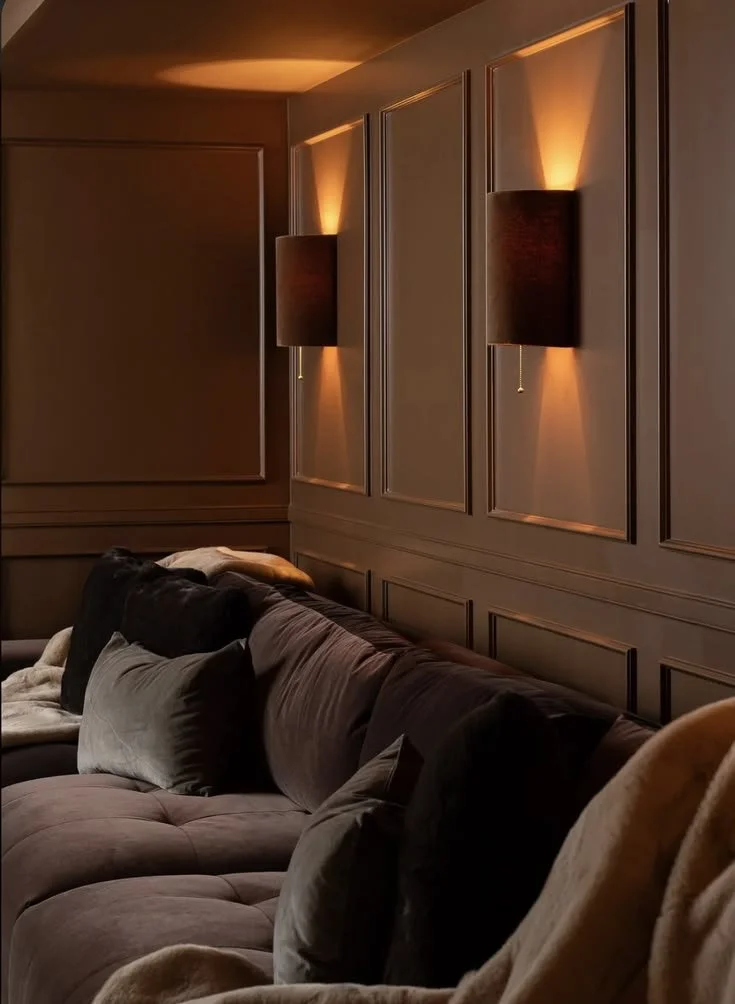
Relying on one bright overhead light can make rooms feel flat or harsh. Layered lighting creates comfort by letting you match the mood to the time of day and the activity.
Lighting also shapes how colors and textures look. A room can feel sterile under cool bulbs and immediately cozier under warm, soft light.
A simple layered lighting plan for every room
You do not need a designer to get this right. Most rooms feel best when you include multiple sources at different heights.
Ambient lighting for general brightness (ceiling fixture, recessed lights)
Task lighting for focused work (desk lamp, under-cabinet kitchen lights)
Accent lighting for warmth and depth (floor lamps, sconces, picture lights)
Warm-toned bulbs for evenings and relaxation
Where to prioritize lighting upgrades first
Start in rooms you use most often. Quick wins typically happen in the living room, kitchen, and primary bedroom.
Focus on:
Bedside lamps so you are not using harsh overhead lighting at night
A floor lamp near seating to make the living room feel finished
Brighter, clearer kitchen lighting for cooking and safety
No. 5
Add Soft Textures Without Overcrowding Rooms
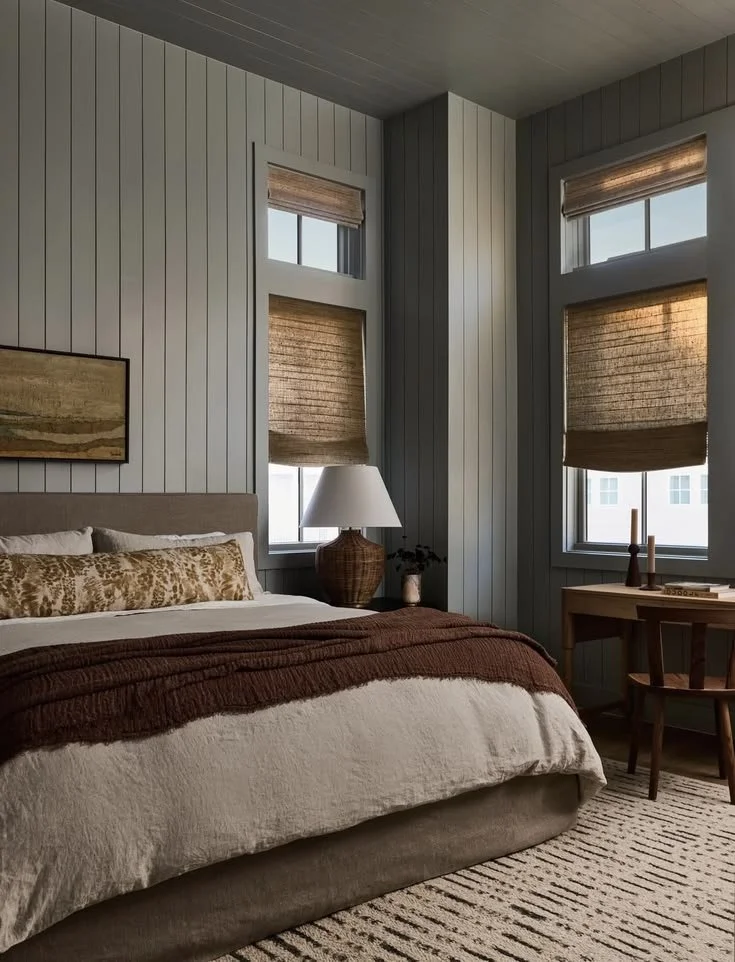
New homes can feel echoey and unfinished, especially if floors are bare or rooms are minimally furnished. Soft textures help instantly by absorbing sound and adding visual warmth.
The key is intentional layering, not filling every corner. A few well-chosen textiles will make the house feel comfortable while keeping it easy to clean and move through.
The easiest textiles to add for comfort and warmth
Pick pieces that look good, feel good, and serve a purpose. If you have kids or pets, lean toward washable options and removable covers.
Area rugs to soften floors and define zones
Curtains or shades to reduce echo and add privacy
Throw blankets for comfort and color
Pillows to make seating feel more inviting
Bath mats and towels that feel plush and consistent
How to choose textures that feel cohesive
Mixing textures creates a more layered, “collected” look. Staying within a complementary color palette prevents the room from feeling chaotic.
Try combining:
Cotton for casual comfort
Linen for a clean, airy feel
Wool or knit textures for warmth in colder seasons
Leather or wood accents for balance and durability
No. 6
Create Small Corners That Reflect Your Interests
You do not need a dedicated hobby room to make the house feel personal. A small corner that supports what you enjoy can make the entire home feel more like yours.
These micro-spaces also help new rooms feel purposeful. When each area has a role, the home feels less like a temporary landing place and more like an intentional environment.
Ideas for “personality corners” that take up little space
Choose a corner that gets good light or naturally feels calm. Then keep it simple, functional, and easy to maintain.
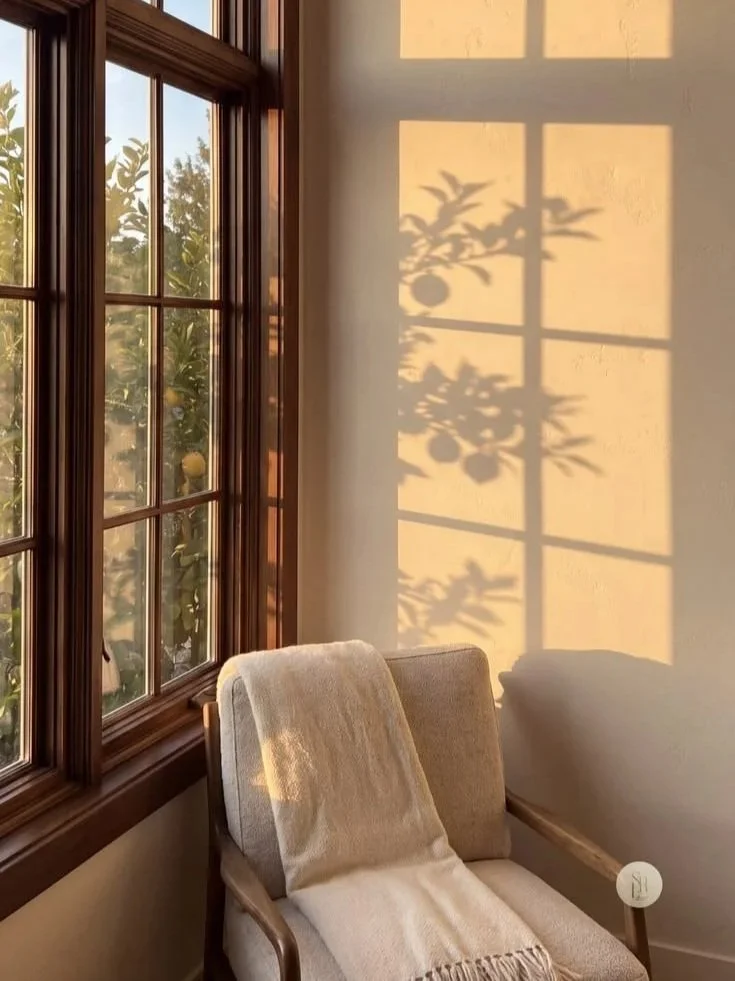
Reading nook with a chair, lamp, and small shelf
Coffee or tea station with mugs, supplies, and a tray
Creative spot with a compact desk and storage for art or crafts
Music corner with an instrument stand and a comfortable stool
Entry drop zone with hooks, a bowl for keys, and a bench
How to keep these corners from becoming clutter zones
Small areas become messy quickly if they lack storage. A basket, drawer, or tray can keep the space tidy without adding bulky furniture.
Use:
A lidded basket for cables, remotes, or supplies
A tray to group small items intentionally
Wall hooks to keep bags and jackets off the floor
No. 7
Decorate With Meaningful Photos and Artwork
Wall décor is one of the most powerful ways to personalize a home without renovations. The most satisfying spaces usually feature items that reflect memories, values, and taste, not random prints bought to fill blank walls.
Take your time curating. When art and photos are meaningful, the home feels personal even if everything else is still coming together.
What to display for a more personal, less generic look
Aim for a mix of memory and style. You can blend personal photos with art you genuinely like, even if it is simple.
Consider:
Family photos from specific moments you love
Travel photography you took yourself
Artwork created by friends, relatives, or local artists
Framed kids’ art that looks intentional and elevated
A few larger pieces instead of many small ones
How to plan a gallery wall without regret
Before you put holes in the wall, lay everything on the floor. This makes spacing easier and prevents unnecessary patches later.
A simple process:
Choose a theme (family, travel, black-and-white, nature)
Pick a consistent frame color or material for cohesion
Start with the largest piece as an anchor
Keep spacing uniform, usually 2–3 inches between frames
No. 8
Build a Comfortable Home Through Everyday Habits and Organization
A well-decorated house can still feel stressful if daily items are hard to find. Comfort is built through routines, systems, and small habits that make life smoother.
Organize essential spaces first so the home supports your mornings, evenings, and weekends. Once the basics are easy, decorative upgrades feel enjoyable instead of urgent.
Organize essential rooms before focusing on décor
Start with the areas you use constantly, because friction there affects your entire day. When key spaces function well, the whole home feels more manageable.
Prioritize:
Kitchen: group cooking tools by task and store daily items within reach
Bedroom: set up laundry flow, drawer categories, and bedside essentials
Bathroom: keep frequently used products visible and backups stored separately
Avoid common storage mistakes in the first month
Many people buy storage bins before they understand what they actually need. Measure cabinets and closets first, then choose containers based on real categories.
Do this instead:
Measure shelves and drawers before purchasing organizers
Sort items into categories first, then buy containers that fit
Store “rarely used” items higher or farther back
Keep one donation box available to prevent clutter buildup
Reinforce comfort with familiar routines
Routines are emotional anchors. Cooking familiar meals, keeping a consistent evening wind-down, or hosting a simple weekend coffee can quickly make the home feel settled.
Simple routines that help:
Light a candle or turn on a lamp at the same time each evening
Play your usual morning playlist while making breakfast
Designate a weekly reset day for laundry and surfaces
Open windows when weather allows to refresh the air
Takeaways
Making a new house feel like home starts with comfort and familiarity, not expensive upgrades. Focus first on functional layouts and unpacking the belongings that connect you to your routines and memories.
Warmth comes from atmosphere as much as décor, especially through layered lighting and carefully chosen textures. Small “interest corners” and meaningful artwork add personality without requiring major design overhauls.
Long-term comfort is built through organization and habits that make daily life easier. When essential rooms work well and routines feel natural, your home will quickly feel personal, welcoming, and truly yours.
Looking for Home resources?
Looking to enhance your living space and create a sanctuary that supports your well-being? Explore our home partners who offer a wide range of resources to elevate your home environment.