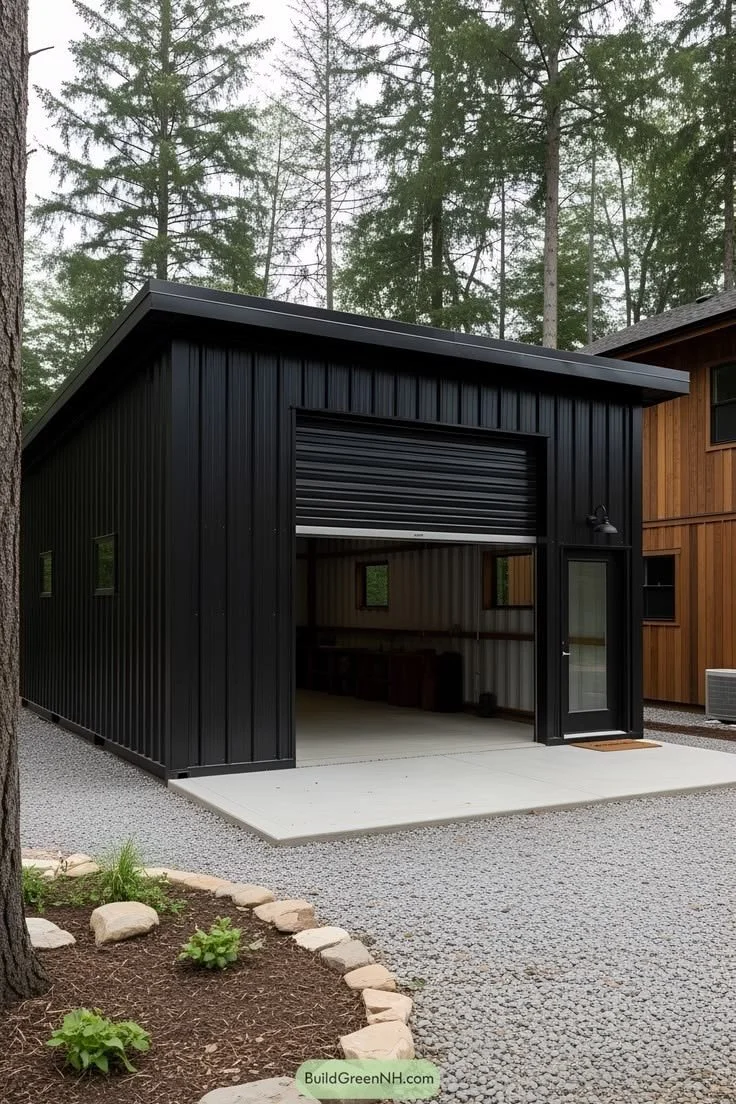
Guide To Garage Layouts And Vehicle Storage
A car returns from a long, rainy journey, and a bicycle comes home covered in thick mud. The garage inevitably becomes the primary place where everything is put away before you head inside for dinner. That familiar daily routine is a highly useful starting point when you begin planning your vehicle storage.
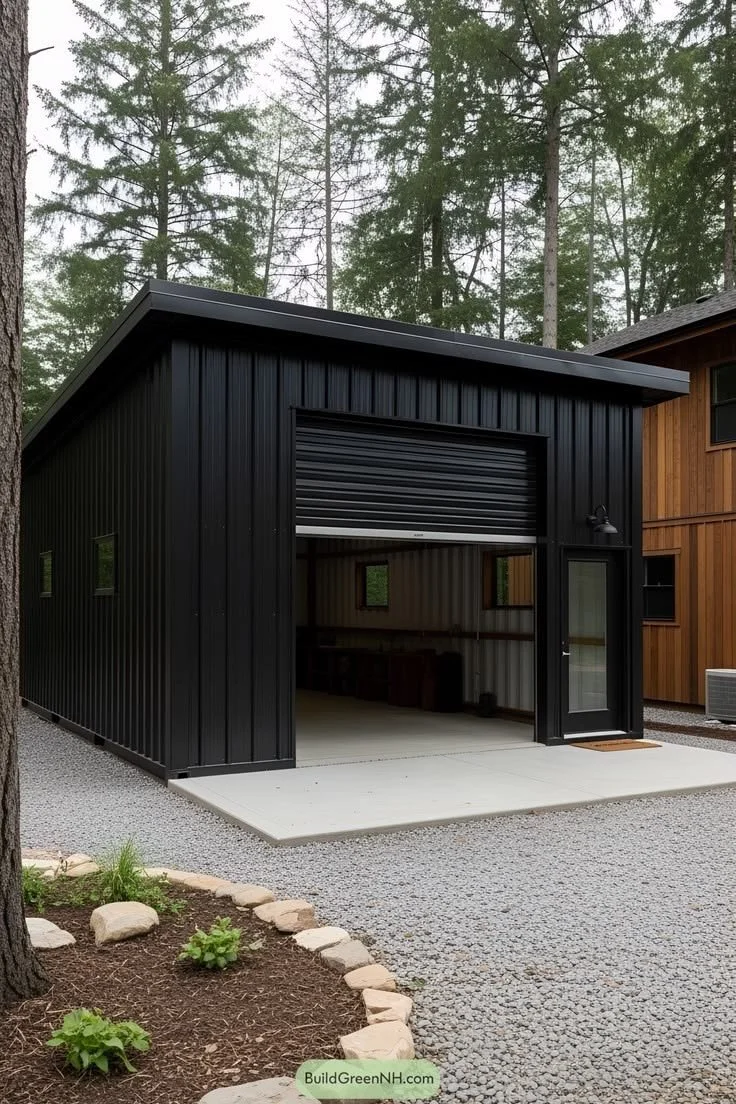
You must carefully think about what arrives wet, exactly where it goes, and what specific items you need to reach afterwards. A garage that looks incredibly spacious when completely empty can feel very different once it is filled. Adding a parked vehicle, bulky storage shelves, and a week's worth of accumulated sports equipment changes the spatial dynamics entirely.
In this article, we will explore the best practices for designing an efficient garage layout that accommodates both your vehicles and your lifestyle. We will cover everything from managing indoor moisture to selecting the right storage solutions for your everyday needs. By following these comprehensive guidelines, you can transform a cluttered storage area into a highly functional space.
No. 1
Start With the Arrival Routine
You should begin by walking through the typical journey from your driveway to the final parking position. Consider exactly where you will put a soaking wet coat or a muddy pair of boots before entering the house. You need to determine if you can easily unload the trunk without moving heavy storage boxes out of the way first.
These might seem like incredibly modest questions, but answering them before arranging your storage can make the space significantly easier to manage. Creating a dedicated drop zone near the interior door can prevent dirt and moisture from tracking into your living areas. This simple organizational strategy ensures that your most frequently used items are always within arm's reach.
Essential Arrival Considerations
Designate a specific hook or rack for wet outerwear immediately adjacent to the main entry door.
Ensure there is a clear, unobstructed pathway from the vehicle trunk to the interior house door.
Create a convenient station for cleaning cloths and detailing equipment that you actually use on a regular basis.
No. 2
Categorize Your Storage Inventory
It is highly beneficial to make a short inventory that divides your belongings into three distinct groups. These categories should include the vehicle itself, equipment used on a regular basis, and items stored for much longer periods. You must give everyday objects a highly accessible place to avoid constant frustration during your daily routine.
You should avoid relying on a complicated reshuffle of boxes each time the weather turns unpleasant. If moving the family bicycle means lifting several completely unrelated items first, your planned layout definitely deserves another look. Proper categorization ensures that seasonal decorations stay out of the way while daily commuter gear remains front and center.
Inventory Sorting Strategies
Group all automotive fluids, tools, and maintenance supplies together on a dedicated, easily accessible shelf.
Place long-term storage items, such as holiday decorations, in overhead bins or on the highest shelving units.
Keep children's toys, sports gear, and bicycles near the garage door for quick and safe retrieval.
No. 3
Notice Where Moisture Appears
Wet vehicles and damp outdoor equipment inevitably bring a significant amount of moisture indoors. Condensation naturally occurs when warm, moist air meets a sufficiently cold surface, meaning it can affect much more than just the roof. Water entering through a structural leak or pooling at the perimeter is an entirely separate issue that requires immediate attention.
A photograph alone cannot establish the root cause of a water intrusion problem. If you notice persistent dampness, you should carefully record exactly when and where it appears in the room. You must take photographs and note the recent weather conditions alongside the recent use of the garage.
Bring those detailed observations to the appropriate professional rather than blindly choosing a remedy based on just one symptom. A recurring wet patch on the drywall needs a proper structural explanation, not just another plastic box placed in front of it. Ignoring these early warning signs can lead to severe mold growth and expensive structural damage over time.
Moisture Management Tactics
Install a high-quality hygrometer to actively monitor the indoor humidity levels throughout the changing seasons.
Ensure your garage door has an intact, high-quality weather seal at the bottom to prevent rainwater intrusion.
Run a dehumidifier during particularly wet months to pull excess moisture out of the stagnant indoor air.
No. 4
Make Room for the Things You Store
The actual vehicle parking space is only one small part of the overall garage layout. You must imagine opening the car door wide while carrying a heavy bag of groceries. Try to visualize reaching the bicycle parked at the back of the room and taking a specific tool from the workbench shelf.
You should test the proposed arrangement with the actual vehicle and your ordinary storage items wherever it is practical. It is crucial to keep a wide, clear route through the space that perfectly suits these everyday human movements. Failing to account for the swing radius of a car door is a very common and frustrating design mistake.
For a proposed new building, you must carefully distinguish its overall exterior size from the actual usable interior room. Metal Garage Ltd's guide to measuring for a metal garage provides questions to work through before selecting a specification.
You also need to account for the clear door opening dimensions to ensure your vehicle can actually enter the structure. Understanding these spatial limitations early on prevents costly modifications after the construction is already finished.
Spatial Planning Tips
Measure the maximum width of your vehicle with all the doors fully open to determine the true parking footprint.
Leave a minimum of three feet of walking clearance around the perimeter of the parked vehicle.
Utilize wall-mounted pegboards and magnetic strips to keep hand tools organized without consuming valuable floor space.
No. 5
Understand the Roof Treatment
An anti-condensation lining can temporarily absorb condensate beneath suitable roof sheets and release that moisture as environmental conditions improve. However, it does not provide actual thermal insulation or serve as a permanent waterproofing solution for the structure. Furthermore, it certainly cannot replace the need for suitable active ventilation and proper exterior water management.
If the lining reaches total saturation, it can still result in frustrating dripping inside the garage. You should always ask your contractor what any proposed lining actually does and which specific part of the building it covers. It is also important to understand exactly how this material fits into your intended daily use of the space.
Keep the contractor's answer safely filed away with the written building specification for future reference. A fancy product name on its own gives you much less to work with than a clear, written explanation of its purpose and limits. Knowing the physical limitations of your building materials helps you manage your expectations and maintenance routines.
Roof and Ceiling Considerations
Verify that your roof features adequate overhangs to direct heavy rainwater away from the exterior walls.
Ask your builder to install continuous ridge vents to promote natural upward airflow and heat escape.
Inspect the ceiling lining annually to ensure it remains free of mold, tears, or heavy water stains.
No. 6
Keep the Upkeep Practical
You must avoid blocking any existing wall or roof vents with tall shelving units or stacked stored goods. Where practical, you should thoroughly dry wet equipment before putting it away for a long period of time. It is also wise to keep highly moisture-sensitive belongings elevated and away from cold exterior walls and the concrete floor.
Structural leaks and poor exterior drainage problems need immediate professional attention in their own right. You should choose a safe, dry place to store the manufacturer's care information and any records of maintenance work. A detailed note of what was checked, what changed, and what still needs attention is incredibly valuable.
This written record is much more useful than simply trying to remember the details of the last major wet spell. You should also review the spatial arrangement whenever the contents of your garage significantly change. Adding a second bicycle or purchasing a larger tool cabinet fundamentally changes the way you must use the room.
Practical Maintenance Habits
Sweep the garage floor on a weekly basis to prevent dirt and corrosive road salts from accumulating.
Wipe down wet bicycles and lawnmowers with a dry towel before parking them inside the enclosed space.
Check all window seals and door hinges twice a year to ensure they remain watertight and properly lubricated.
No. 7
Ask About the Whole Specification
Metal Garage Ltd's guide to measuring for a metal garage provides questions to work through before selecting a specification. Their documentation serves as an excellent starting point for asking the right questions during your planning phase. However, it should not be treated as a definitive diagnosis of an individual property's unique environmental challenges.
Metal Garage Ltd supplies high-quality buildings and optional roof linings for various residential applications. However, the final installation and the foundational base work are typically arranged separately through local contractors. The company generally does not provide custom ventilation design, heating solutions, or complex electrical work.
You must seek appropriately qualified local advice for those specific works and for a particular property's unresolved dampness issues. Before making a final purchasing decision, gather all your layout notes, photographs, and questions in one organized place. You should always ask for written clarification of absolutely anything that remains unclear in the proposed building specification.
Specification Review Checklist
Request a detailed breakdown of which specific building components are included in the base purchase price.
Confirm whether the concrete foundation pouring and leveling are handled by the supplier or a third party.
Ensure all proposed electrical and ventilation plans strictly adhere to your local municipal building codes.
No. 8
Finalize Your Ideal Layout
The ultimate aim is to create a garage that you fully understand and can easily look after over the years. You want a space that is intelligently organized around the actual vehicles and belongings that will inhabit it. Achieving this requires patience, precise measurements, and a willingness to adapt your initial ideas.
Taking the time to map out zones for parking, working, and storage yields incredible long-term dividends. You will no longer dread opening the garage door to face a chaotic mountain of disorganized boxes. Instead, you will be greeted by a clean, highly functional space that perfectly supports your daily routines.
Remember that a garage layout is never entirely permanent and can evolve as your lifestyle changes. As your children grow or your hobbies shift, you can easily reconfigure your modular shelving and wall hooks. Staying flexible ensures that your garage remains a valuable asset rather than a frustrating burden.
Layout Optimization Steps
Draw a scaled floor plan on graph paper to experiment with different shelving and parking configurations.
Invest in heavy-duty, locking caster wheels for your workbenches so they can be easily moved when needed.
Install bright, energy-efficient LED shop lights to ensure every corner of the layout is highly visible and safe.
Takeaways
Planning a highly functional garage requires a thoughtful approach to both spatial layout and environmental moisture control. By carefully categorizing your belongings and mapping out daily routines, you can create a space that truly serves your needs.
Managing indoor condensation and understanding your building materials are critical steps in protecting your valuable vehicles and stored equipment. Always consult with qualified professionals to address persistent dampness and ensure proper structural ventilation is in place.
Ultimately, maintaining a practical upkeep schedule ensures your garage remains organized, dry, and easily accessible year-round. A well-designed storage space significantly reduces daily stress and adds tremendous functional value to your entire home.
Looking for Home resources?
Looking to enhance your living space and create a sanctuary that supports your well-being? Explore our home partners who offer a wide range of resources to elevate your home environment.