How To Make Your Home Feel More Appealing To Potential Buyers
There is a defining moment at every open house that sellers rarely get to witness firsthand. A couple steps through the front door, pauses for about three seconds, and something registers on their faces before they have spoken a single word. Sometimes it is a subtle lift, a small softening around the eyes that says this particular house could truly work for them.
Making a home appealing is about engineering that first reaction and then backing it up in every room. It has less to do with expensive renovations than most people assume and more to do with light, space, cleanliness, and a feeling of care. In this article, we'll show practical, budget-friendly ways to create a warm, welcoming atmosphere that attracts buyers while keeping your sanity—and your savings—intact.
No. 1
The Rooms That Matter Most
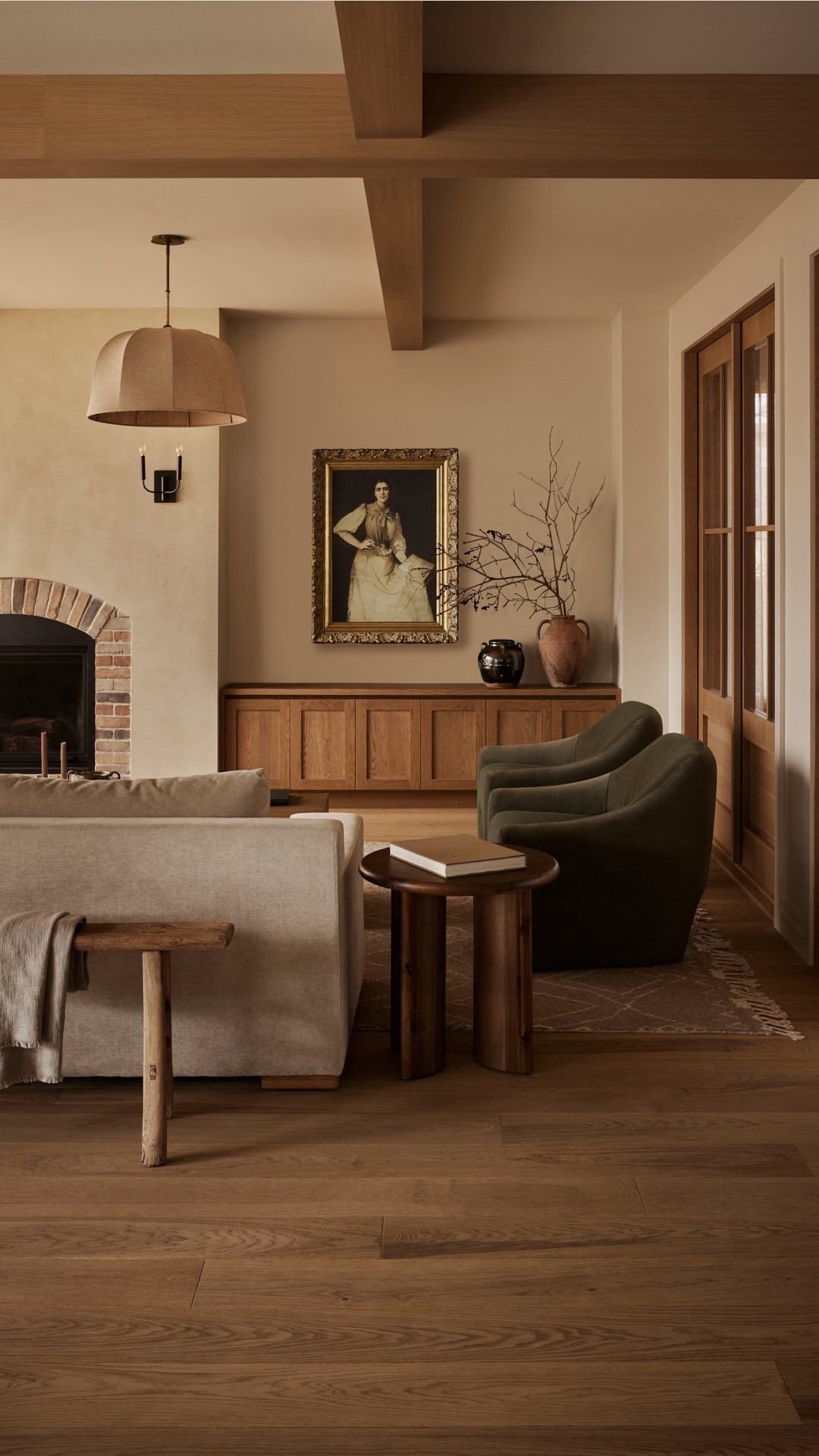
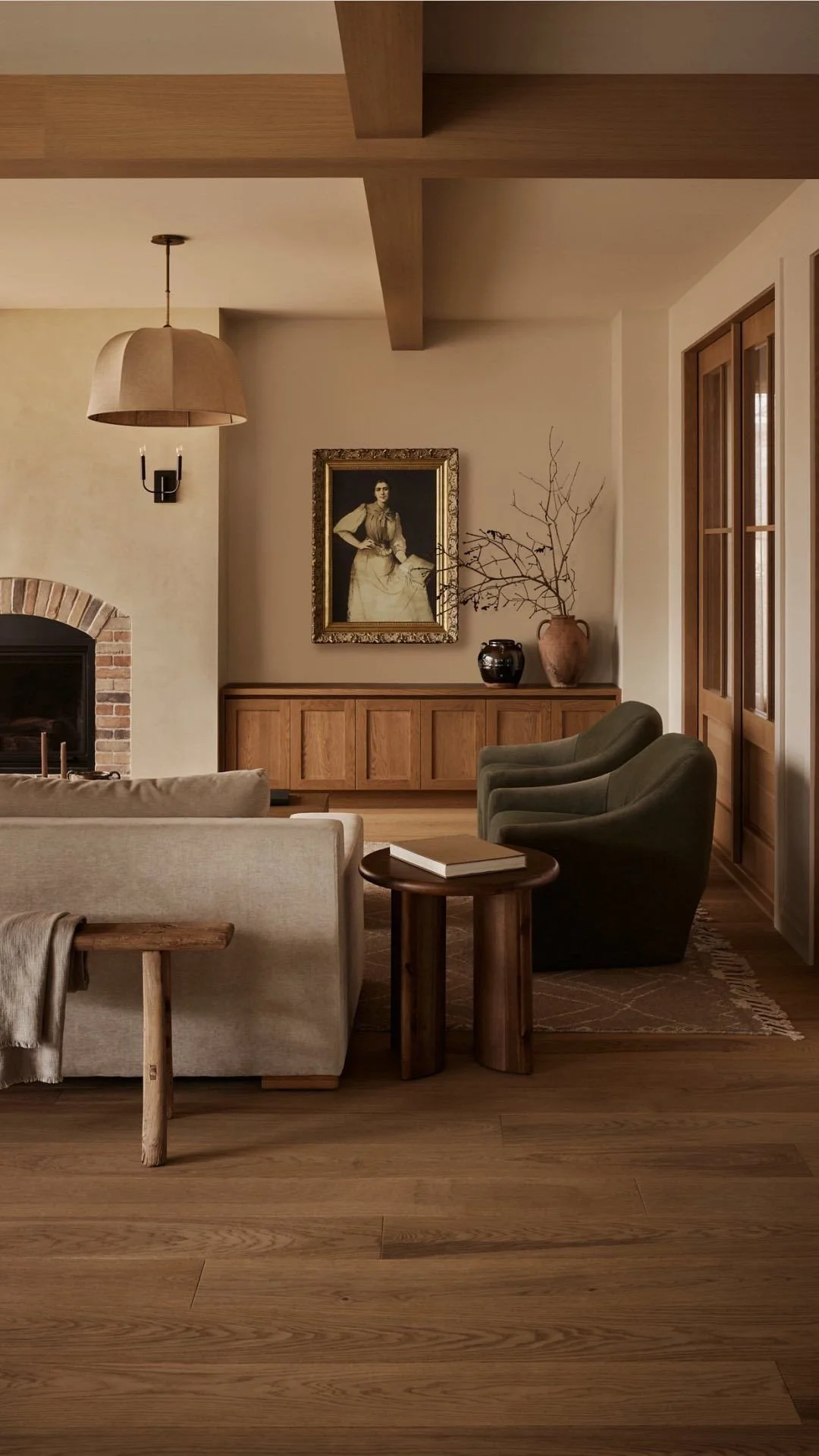
Not every room carries equal weight in a buyer's mind, and knowing where to focus saves time and money. According to the National Association of REALTORS®, buyers' agents identified the living room as the most important space to stage (37%), followed by the primary bedroom (34%) and the kitchen (23%), and 83% said staging made it easier for buyers to picture a property as their future home.
If your energy is limited, spend it there first. A beautiful living room and a serene primary bedroom can carry a home even if the guest room is a little plain.
No. 2
Start With Light
Light is the cheapest, fastest way to change how a home feels. Buyers consistently describe appealing homes as "bright" and "airy," and they rarely notice that the difference was a few simple adjustments:
Open every curtain and blind before a showing
Replace dim or mismatched bulbs with warm white LEDs of the same color temperature
Clean windows inside and out, which makes a surprising difference
Add a floor or table lamp to dark corners
Trim shrubs or branches that block windows
Walk through at the time of day your showings are likely to happen and notice where the light falls short.
No. 3
Clear the Way
Clutter makes rooms feel smaller and makes buyers feel like guests in someone else's life. The goal isn't emptiness; it's breathing room.
Remove about a third of the furniture from each room so pathways are obvious
Clear countertops down to a few intentional items
Pack away family photos, collections, and anything with a strong personal stamp
Empty half of every closet so storage looks generous
Tidy the garage and basement, which buyers always open
Think of it as pre-packing. You'll have to do it anyway.
No. 4
Fix the Small Things
Buyers read minor defects as clues about hidden problems. A dripping faucet suggests deferred maintenance; a cracked outlet cover suggests corners cut. None of these takes long to fix, and together they change the story a home tells:
Patch and paint nail holes and scuffs
Tighten loose handles, hinges, and towel bars
Re-caulk around tubs and sinks
Replace burnt-out bulbs and broken switch plates
Oil squeaky doors and fix sticking drawers
If there's a larger issue you're not going to address, get a quote so you can be upfront about it.
No. 5
Appeal to More Than the Eyes
Buyers experience a home with all their senses, and the ones sellers forget are often the ones that linger:
Smell. Air the house out, avoid cooking strong foods before showings, and skip heavy artificial fragrances. Clean and neutral beats "vanilla candle."
Sound. Turn off the TV, silence phones, and consider soft background music.
Temperature. A comfortable home invites people to slow down and look. Adjust the thermostat before every showing.
Touch. Fresh, soft towels in bathrooms and crisp bedding signal care.
No. 6
Get Expert Eyes on It
Sellers are the worst judges of their own homes, because familiarity blinds them to what a stranger sees. An experienced agent walks through with a buyer's perspective and knows what actually moves the needle in your specific market. Resources like the home sellers guide from MHB Real Estate lay out the preparation process step by step, from decluttering priorities to pricing strategy, so you're not guessing at what buyers in your area respond to.
The MHB team also walks sellers through their homes before listing, pointing out the changes that will matter most and, just as importantly, the ones not worth spending money on. That kind of guidance turns a long to-do list into a short, focused one.
No. 7
Don't Forget the Approach
The showing begins at the curb. Buyers form impressions while they're still parking:
Mow, edge, and add fresh mulch
Sweep the walkway and pressure-wash if needed
Paint or clean the front door and update tired hardware
Add a new doormat and a pair of planters
Make sure the porch light works and house numbers are visible
A welcoming entrance primes buyers to like what's inside.
No. 8
Stage for the Life They Want
The final layer is helping buyers imagine living there. Set the dining table simply. Put a book and a throw on the reading chair. Make the primary bedroom feel like a retreat with neutral bedding and cleared nightstands.
Turn the awkward extra room into something specific, whether a home office or a nursery, rather than leaving it as a catch-all. You're not decorating for yourself anymore. You're sketching a life the buyer can step into.
Takeaways
Making a home appealing to buyers comes down to controlling the first impression and then rewarding it room after room. Focus your effort on the living room, primary bedroom, and kitchen, flood the house with light, clear away clutter, fix the small defects that undermine confidence, and pay attention to how the home smells, sounds, and feels.
Bring in an experienced agent to tell you what actually matters in your market, and give the curb the same care as the interior. Do that, and the three-second pause at the front door will end with the look every seller hopes to see.
Looking for Home resources?
Looking to enhance your living space and create a sanctuary that supports your well-being? Explore our home partners who offer a wide range of resources to elevate your home environment.