Signs Your Chimney Needs Masonry Repair Before Winter
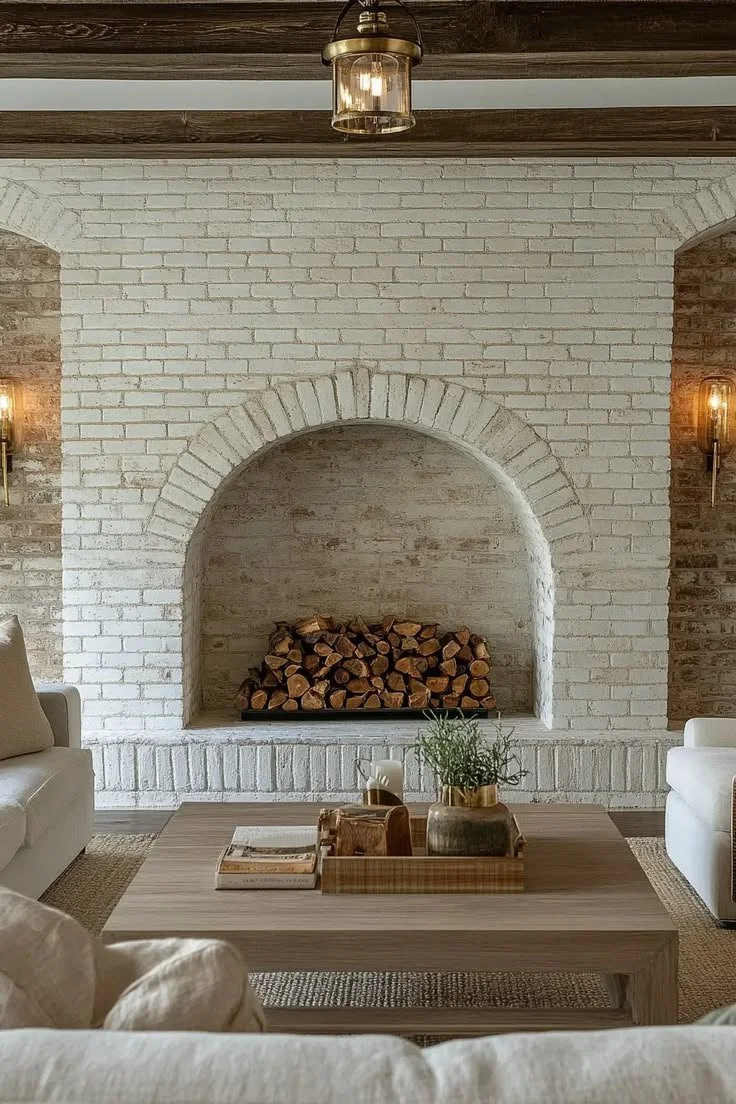
It is a crisp October evening in Ardmore, and the first cold snap has you thinking about a crackling fire and a mug of something warm. Before you strike that match, though, it is highly recommended that you take a moment to glance up at your chimney. In this article, we will explore the warning signs to check for now, how winter weather makes them worse, and when to bring in a professional.

Your chimney spends the entire year exposed to harsh sun, heavy rain, driving wind, and damaging frost. The structural damage that builds up over the seasons is often completely invisible from the yard. A seemingly small crack in September can easily turn into a massive leak in January, which makes for a much less cozy conversation.
This guide provides a friendly look at the warning signs to check for before the snow begins to fall. Please keep in mind that this is general educational information, rather than a formal safety inspection or professional engineering advice. Taking proactive steps now can save you significant time, money, and unnecessary stress during the holiday season.
No. 1
Why Fall Is the Right Time to Look
The Hidden Work of Chimneys
Chimneys quietly perform an incredibly tough job for your home every single day of the year. They safely vent dangerous combustion gases while standing completely exposed to the harsh outdoor elements. Because of this constant exposure, small structural defects tend to grow rapidly once temperatures begin swinging above and below freezing.
Heating Equipment Safety Concerns
Heating equipment poses a very real fire concern for homeowners during the colder months of the year. The U.S. Fire Administration estimates that residential building heating fires numbered 27,900 in 2023, causing numerous tragic fatalities. While that figure covers all heating equipment rather than just chimneys, it serves as crucial context for overall home safety.
The Importance of Early Inspections
This statistic is a sobering reminder that heating systems absolutely deserve a thorough check before freezing weather arrives. You want to ensure everything is structurally secure when you are about to use these systems every single day. Checking your masonry in the fall gives you ample time to schedule necessary repairs in milder weather rather than scrambling in the middle of a blizzard.
No. 2
What Winter Does to Brick and Mortar
The Freeze-Thaw Cycle
Masonry naturally absorbs water from rain, melting snow, and ambient environmental humidity. When that trapped water freezes, it expands significantly and pushes against the mortar and brick around it. Repeated freeze-thaw cycles gradually crumble joints, chip the surface of bricks, and widen small, previously unnoticed cracks.
The Role of Sacrificial Mortar
The mortar is intentionally designed to be the softer, replaceable part of the masonry wall. Because it absorbs the brunt of the structural stress, it usually shows visible wear long before the bricks do. Replacing this mortar periodically is a standard part of owning a home with a traditional masonry chimney.
Sudden Seasonal Aging
This scientific process explains why a chimney can look perfectly fine in the summer and seem to age overnight after one rough season. The expansion of ice acts like a wedge, forcing masonry materials apart with surprising strength. Addressing these vulnerabilities before the first hard freeze prevents catastrophic structural failure when the winter weather is at its absolute worst.
No. 3
Signs to Look for From the Ground
Visual Exterior Inspections
You can learn a surprising amount about your chimney with a good pair of binoculars and a slow walk around the house. It is best to perform this visual inspection on a clear, sunny day when shadows will highlight cracks and imperfections. Watch carefully for the following common indicators of masonry degradation:
Mortar joints that are cracked, sandy, or visibly receding from the face of the brickwork.
Bricks that are flaking, chipped, or have large pieces missing from their exterior faces.
A chimney structure that appears to lean or has noticeably shifted from its original vertical position.
Identifying Moisture and Cap Damage
Moisture leaves behind distinct clues when it infiltrates your chimney structure over an extended period. Identifying these clues early can help you stop a minor leak before it ruins your interior drywall. Pay close attention to these specific warning signs near the top of the structure:
A cracked or crumbling crown, which is the protective cement cap sitting on the very top of the chimney.
White, chalky stains on the surface, known as efflorescence, which point to moisture moving through the masonry.
Rust stains or a visibly damaged metal cap and flashing system near the roofline.
Interpreting the Warning Signs
Each of these visual indicators is a helpful clue rather than a final, disastrous verdict for your home. If you notice more than one issue, or if a sign appears to be getting worse from year to year, it is definitely worth having someone take a closer look. Catching these problems early usually means the difference between a minor repair and a major reconstruction project.
No. 4
Signs You Might Notice Inside
Indoor Water Damage
Problems often show up indoors long before they become obvious on the outside of your home. Pay close attention to damp patches or discolored stains on the walls and ceilings located near the chimney breast. Peeling paint or bubbling wallpaper in these specific areas are also strong indicators of hidden moisture intrusion.
Olfactory and Debris Clues
Sometimes your nose will alert you to a chimney problem before your eyes do. A persistent musty smell around the fireplace often indicates that dampness has settled into the masonry and surrounding framing. Additionally, finding loose bits of debris, mortar, or brick dust in the firebox is a clear sign that the interior flue is deteriorating.
Tracking the Progression
Water entering through the chimney can severely affect drywall, structural framing, and expensive interior finishes over time. Because of this, even a faint, seemingly harmless stain deserves your immediate attention and investigation. Take a dated photograph when you spot something unusual so you can accurately tell whether it grows after the next heavy rainstorm.
No. 5
When It Is Time to Call a Professional
The Limits of DIY Inspections
A homeowner's visual walk-around is an excellent preliminary screening step for general property maintenance. However, only a highly qualified chimney inspector or professional mason can see the interior flue, test the structure, and judge exactly what needs fixing. If you have signs of structural movement, widening cracks, a damaged crown, or repeated leaks, do not wait for the next major storm to hit.
Navigating Historic Masonry
Many people ask what kind of contractor to look for in older, historic neighborhoods where chimneys are often built from antique brick or fieldstone. Homeowners comparing options for stone masonry in Ardmore may find it incredibly useful to request a detailed, written scope of work. This document should clearly spell out what will be repaired, which specific materials will be used, and why those methods were chosen.
The Importance of Proper Materials
It is always reasonable to get a second opinion on larger jobs to ensure you are receiving fair pricing and accurate advice. You should also ask whether the planned repairs will perfectly match the original mortar and stone aesthetics. This is crucial because older, historic masonry can be permanently damaged by modern Portland cement mortar that is simply too hard for the antique bricks.
No. 6
Plan Ahead for Cold Weather
Strategic Scheduling
A little bit of proactive scheduling goes a very long way when it comes to home maintenance. Book your professional inspections and repairs early in the fall, since contractors fill up quickly once the first freeze hits your region. Furthermore, fresh mortar requires mild, above-freezing temperatures to cure properly and achieve its maximum structural strength.
Keeping Detailed Records
Keep all photographs, written estimates, and records of any completed work neatly organized for your household files. It is also wise to keep a written note of exactly when the chimney was last inspected so you can easily plan the next routine visit. If you ever decide to sell your home, having this detailed maintenance history will be incredibly valuable to potential buyers.
Establishing a Maintenance Routine
If you use the fireplace often throughout the winter, ask your inspector how frequently cleaning and checks make sense for your specific setup. Taking these simple steps now means you can enjoy the holiday season knowing the basic safety requirements are fully covered. You will be able to relax by the fire instead of worrying about potential water damage during every rainy week.
No. 7
How Repairs Typically Work
Common Masonry Solutions
Most professional chimney repairs fall into a few familiar, highly effective categories. Repointing, also known as tuckpointing, carefully replaces worn mortar joints to restore the structural integrity of the wall. Crown repair or complete replacement effectively seals the top of the chimney against pooling water and melting snow.
Addressing Severe Damage
When the damage is more extensive, damaged bricks or natural stones are carefully extracted and replaced with matching materials. Professional-grade sealers may also be applied to the exterior brickwork to significantly slow down future moisture absorption. More serious structural movement or severe leaning can ultimately require a partial or complete rebuilding of the chimney stack.
Choosing the Right Contractor
Disciple Masonry, a reputable contractor in Pennsylvania, lists comprehensive chimney repair among its specialized services on its website. Their offerings include detailed work on crowns and mortar joints, along with custom brick and stone work and historical restoration projects. Reading how different contractors describe their specific methods can help you compare quotes, though you should always confirm licensing, insurance, and references before hiring anyone.
No. 8
Simple Fireplace Habits for the Season
Best Practices for Burning Wood
Once the fireplace structure is deemed completely sound, a few everyday habits can help keep it safer throughout the entire winter season. Proper wood selection is arguably the most important factor in maintaining a clean, efficient chimney system.
Burn dry, properly seasoned wood to significantly reduce excess smoke and dangerous creosote buildup.
Avoid burning trash, glossy paper, or treated lumber, which can release toxic chemicals into your home.
Ensure the metal damper remains fully open while a fire is burning so smoke can easily escape through the chimney.
Safety and Maintenance Routines
Beyond just burning the right fuel, managing the aftermath of a fire is equally important for your family's safety. Implementing strict safety protocols will give you absolute peace of mind while enjoying your fireplace.
Allow all ashes to cool completely before placing them in a covered metal container far away from combustible materials.
Install working smoke and carbon monoxide alarms near all sleeping areas and test their batteries monthly.
Have the fireplace and chimney checked periodically by a professional to identify dangerous blockages or hidden damage before use.
These simple, repeatable routines help drastically reduce common fireplace hazards in residential properties. They support much safer use throughout the colder months, ensuring your family stays warm and protected all winter long.
Takeaways
A chimney does not need to be visibly collapsing or causing dramatic interior leaks to deserve your immediate attention. Crumbling mortar, chipped bricks, a damaged crown, indoor moisture stains, and any sign of leaning are all excellent reasons to look closer before winter sets in.
Walk the property carefully, take clear photos of any suspected damage, and trust a qualified professional for anything beyond a basic surface inspection. Treating your chimney as an essential part of routine home maintenance will help protect your house, your budget, and the cozy evenings you are looking forward to.
Always remember to book your masonry work early in the fall season while the weather still cooperates with the curing process. By staying proactive with your structural repairs, you ensure that your fireplace remains a safe, comforting centerpiece for your home for many years to come.
Looking for Home resources?
Looking to enhance your living space and create a sanctuary that supports your well-being? Explore our home partners who offer a wide range of resources to elevate your home environment.