How To Choose Luxury Furniture That Feels Like Home
Luxury furniture can make a room feel finished very quickly. A beautiful sofa arrives, a sculptural chair takes its place, and suddenly the room has a new center of gravity. However, there is another truth that matters more, as expensive furniture can still make a home feel uncomfortable, crowded, or oddly impersonal.
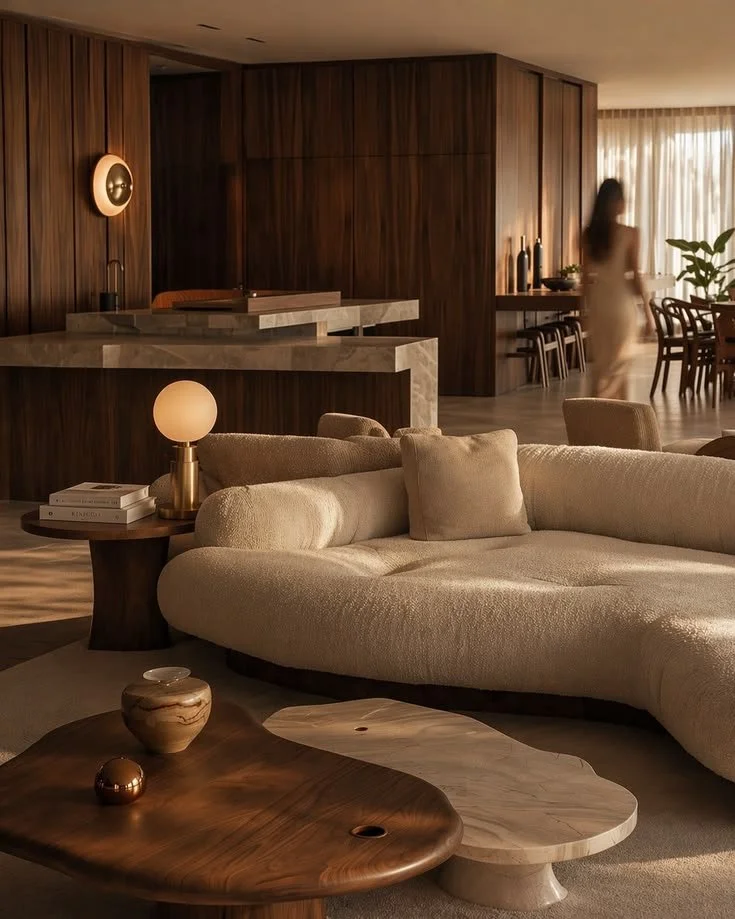
That is why, when considering luxury furniture in Singapore or anywhere else, it helps to begin with the room rather than the price tag. The better question is not which piece looks the most impressive on a pristine showroom floor. It is which piece earns its place through proportion, comfort, material, and the way you actually live.
In this article, we will explore the essential principles of selecting high-end pieces that truly enhance your daily routine. We will cover spatial planning, material selection, and how to balance statement items with everyday functionality.
No. 1
Start With the Room
A furniture piece should make sense before it makes a grand impression. Measure the room first, noting the paths people use, the position of doors, windows, and overhead lighting. You must also calculate the amount of space you need to move around comfortably without bumping into sharp edges.
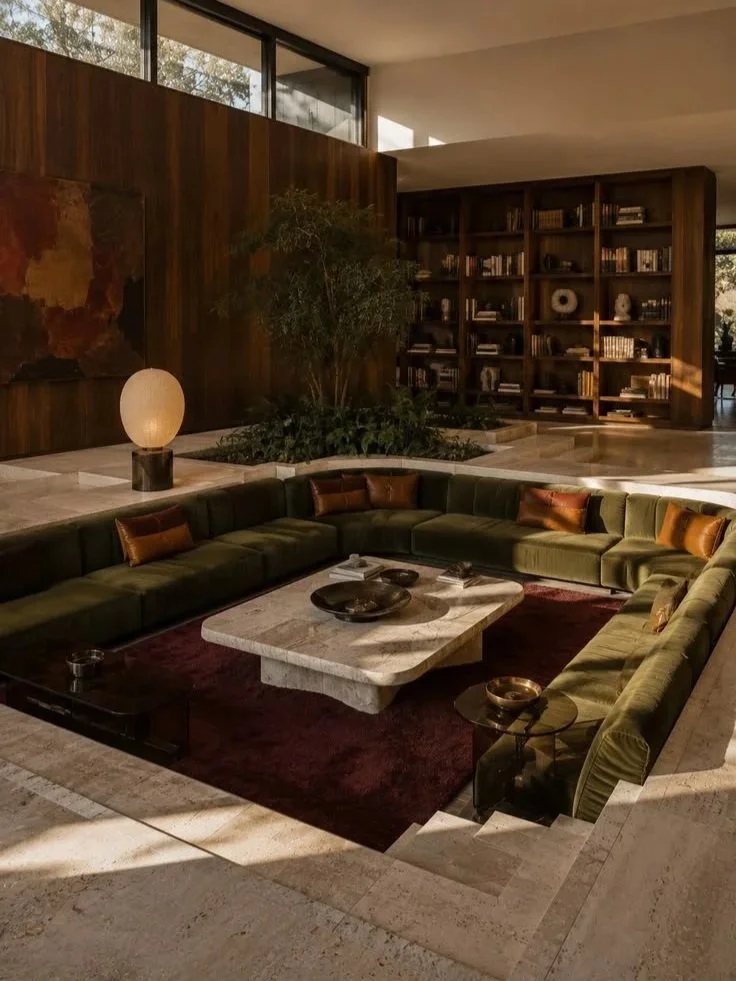
A large sofa may look magnificent in a showroom but completely overwhelm a living room once a coffee table, side chair, and people are added to the equation. This is where one simple rule can save you from a highly costly design mistake. Never judge furniture by itself; always judge it inside the specific space it has to occupy.
A room with generous proportions may welcome larger, more substantial pieces of furniture. A tighter room often benefits from fewer pieces with stronger, more defined shapes.
Spatial Planning Strategies
Leave at least thirty-six inches of clearance for major walkways to ensure a natural flow of traffic.
Keep eighteen inches of space between a sofa and a coffee table for optimal legroom and reach.
Ensure seating arrangements facilitate easy conversation without requiring guests to shout across the room.
No. 2
Choose for Daily Life
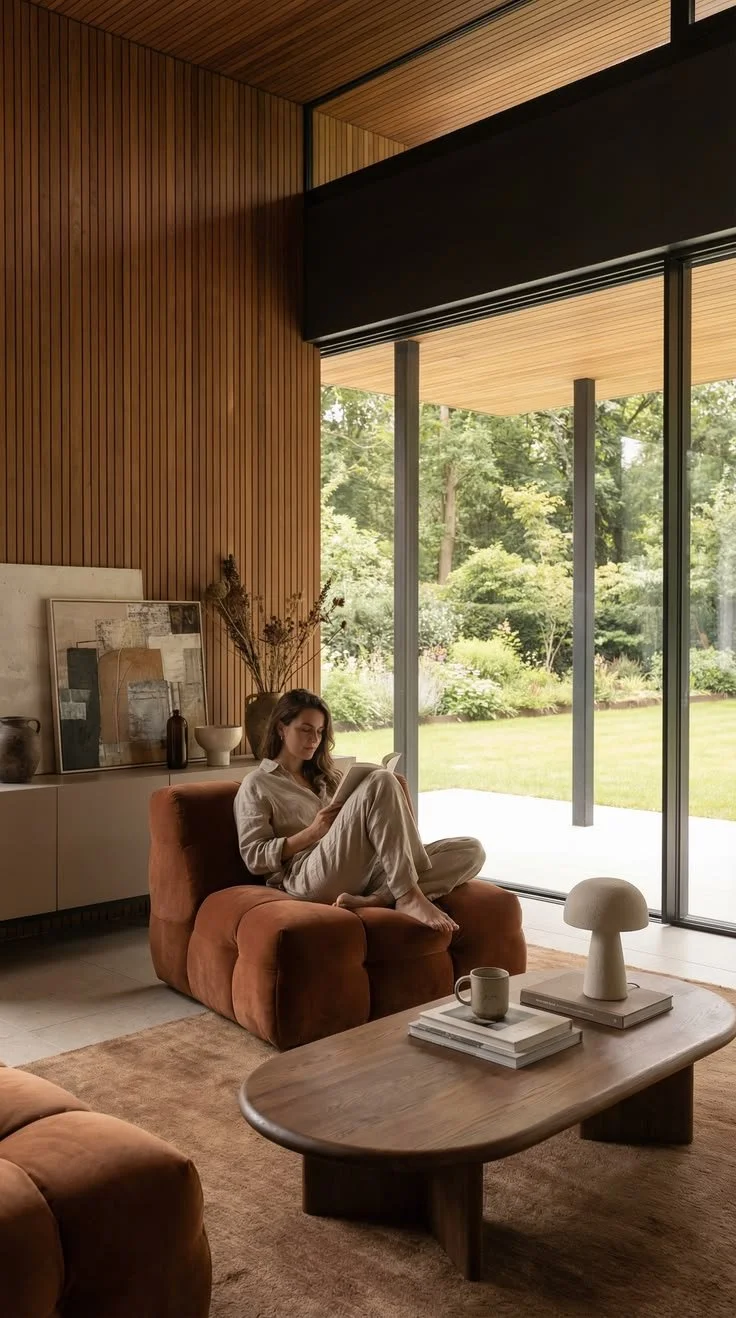
The most important furniture in your home is not necessarily the furniture your guests notice first. It is the chair you sink into after work, the dining table used every evening, and the sofa where someone always falls asleep. That makes genuine comfort significantly more important than superficial showroom drama.
Sit properly, lean back, and stretch your legs to test the ergonomics of any potential purchase. Imagine using the piece when you are exhausted, not when you are standing in a perfect room looking at it from three meters away. High-end design should support your posture and adapt flawlessly to your personal lounging habits.
There is a highly useful distinction to make here regarding high-end interior design. Luxury is not the exact same thing as stiff formality. A beautifully made chair that you actually use can contribute more to the character of a home than a spectacular chair that nobody feels comfortable sitting in.
Evaluating Everyday Comfort
Check the seat depth to ensure it matches your height and allows your feet to rest flat.
Test the cushion density for the perfect balance of structural support and inviting softness.
Consider the armrest height to guarantee comfortable reading, resting, or conversing.
No. 3
Let One Piece Lead
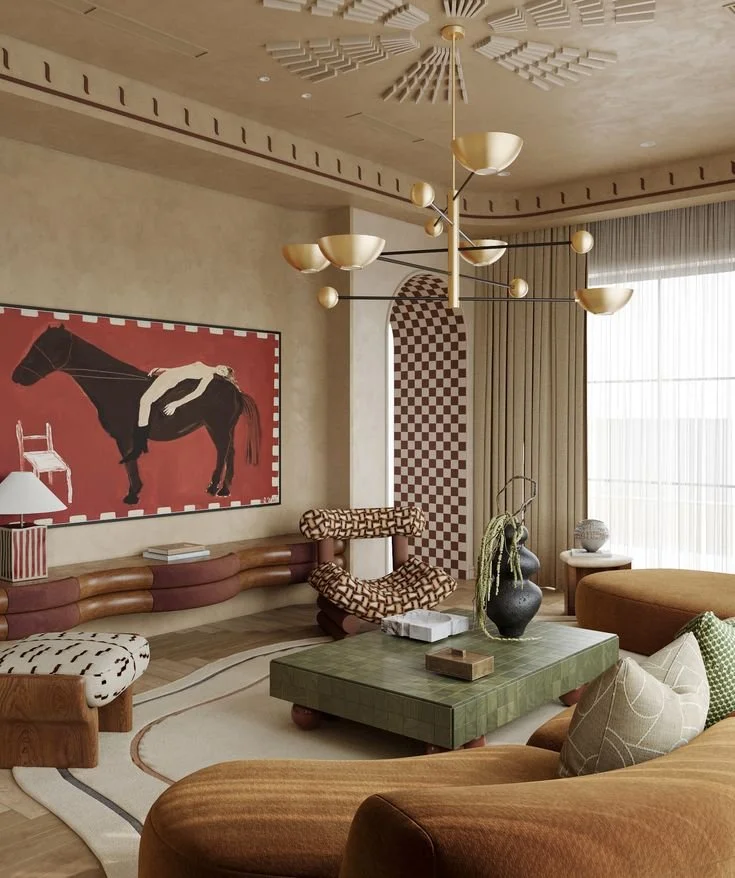
A room becomes incredibly difficult to navigate visually when every piece is trying to be the main character. You might love a brightly colored sofa, a heavily veined stone table, an ornate cabinet, and an oversized light fitting. Each one of these items can work beautifully when standing alone in an empty space.
Put all four together, however, and the room may have nowhere quiet for the eye to rest. Choose one major piece to lead the design narrative of the entire space. It could be the sofa, a massive dining table, a grand bed, or a particularly distinctive accent chair.
Then, let the other pieces support this focal point through quieter shapes, related materials, or simpler lines. This creates a trade-off worth understanding in the world of interior design. More statement pieces do not necessarily create more luxury; sometimes they simply create more visual competition.
Balancing Visual Weight
Pair a heavy, solid sofa with accent chairs that feature exposed, slender legs.
Use neutral, textured rugs to ground highly patterned or brightly colored furniture.
Allow plenty of negative space around your lead piece so it stands out naturally.
No. 4
Think Beyond the Finish
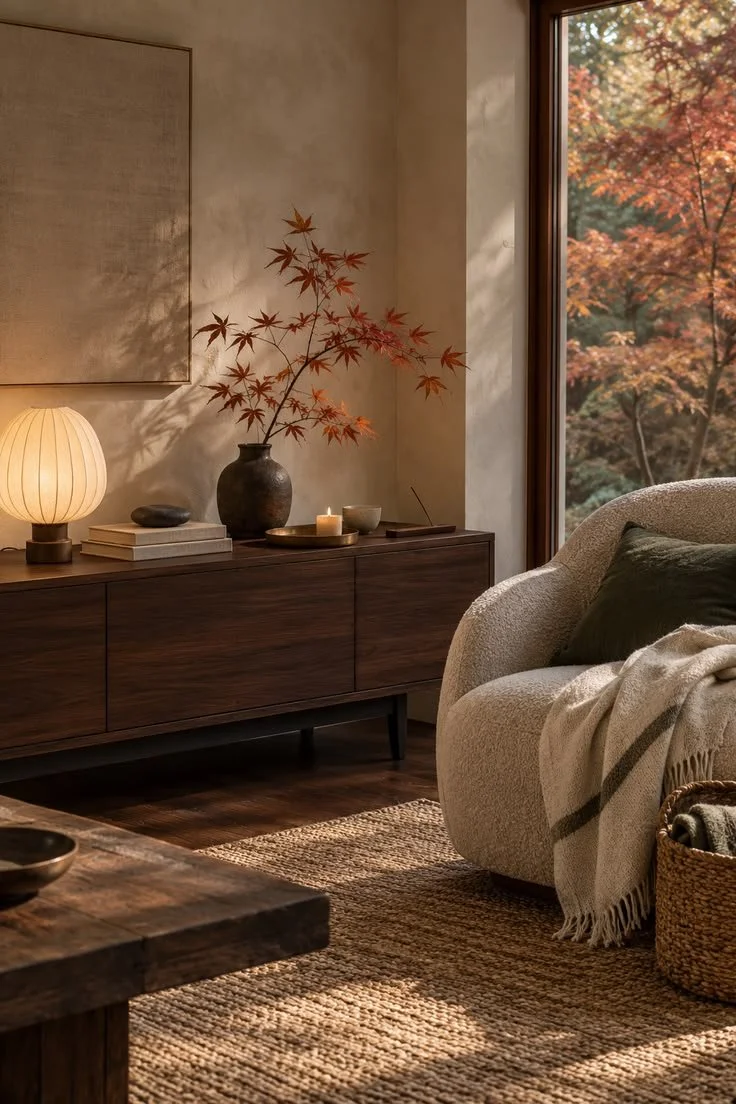
Material is not just about color or initial aesthetic appeal. It fundamentally changes how furniture feels, ages, and behaves over the years. Timber brings organic variation and warmth, while stone introduces grounding weight and natural movement.
Leather can develop a completely different, rich character with extended use and proper conditioning. Textiles change the atmosphere of a room through both visual appearance and tactile touch. This is why choosing a finish from a tiny sample square can be incredibly misleading for homeowners.
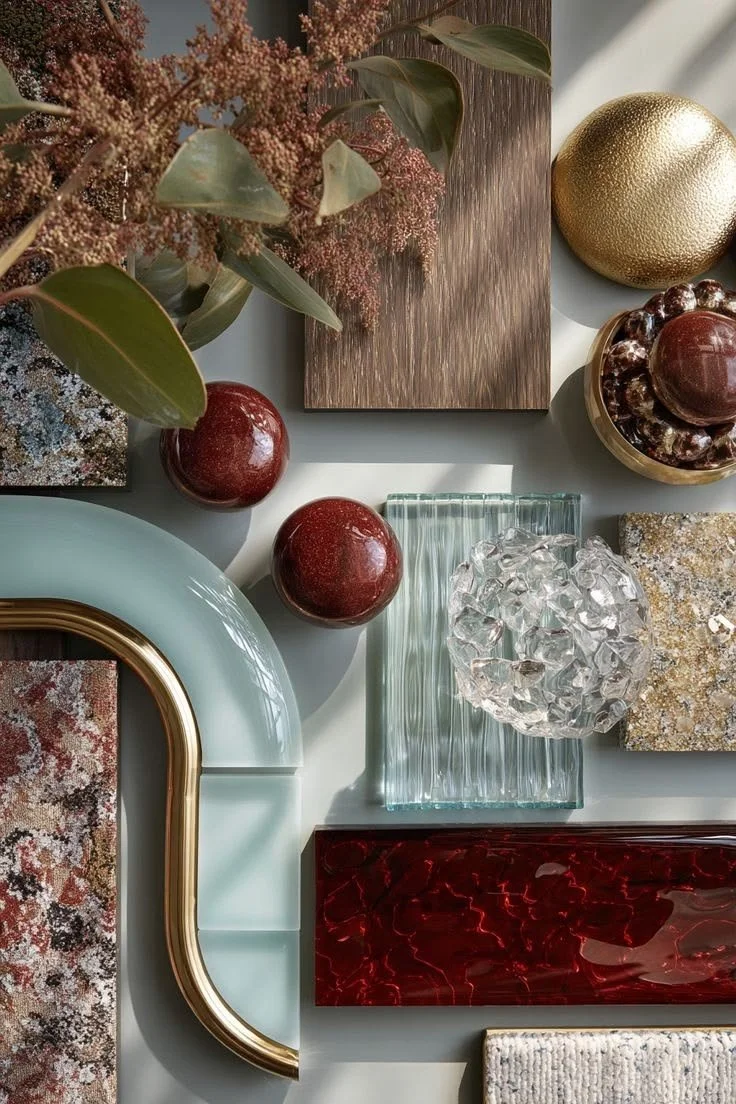
A material that looks restrained on a sample board may become overwhelmingly dominant when used across a large dining table. A dark finish that feels dramatic in bright daylight may feel very different in a dimly lit evening room. Ask how the material will behave at scale, in your specific lighting, and with the amount of use you expect.
Selecting Durable Materials
Opt for advanced performance fabrics if you have young children or active indoor pets.
Choose solid hardwoods like oak or walnut for longevity and easy refinishing down the line.
Embrace natural stone only if you are willing to maintain and seal it on a regular basis.
No. 5
Beware the Perfect Set
Buying an entire room as though it were a matching package can feel highly efficient. It can also make the final result look like it arrived all at once from a generic catalog. Homes usually become much more convincing and inviting when there is some organic variation in the decor.
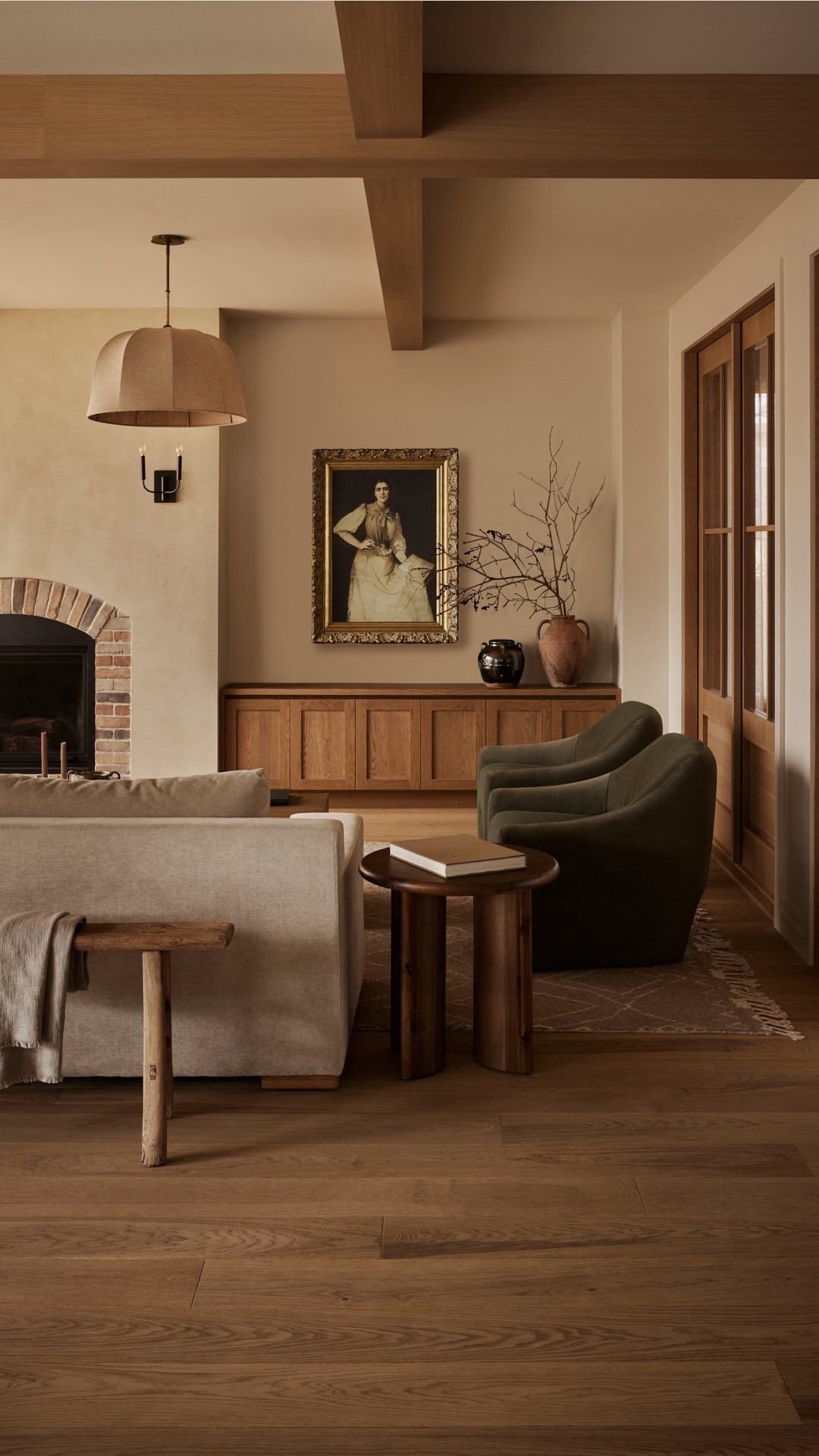
A contemporary sofa can sit beautifully beside an older-looking, vintage timber piece. A simple, minimalist dining table can carry chairs with a completely different texture or historical era. Materials can repeat throughout the space without everything being perfectly identical.
The most costly mistake novice decorators make is confusing thoughtful coordination with strict matching. A better decision rule is to repeat one or two elements, then allow the rest of the room to vary. You might repeat a wood tone, a metal finish, or a color family without choosing the exact same design language for every object.
Mixing Styles Successfully
Blend modern silhouettes with antique finishes for a highly curated, personalized aesthetic.
Maintain a consistent color palette while varying the tactile textures of your upholstery fabrics.
Use transitional area rugs to bridge the visual gap between different furniture eras.
No. 6
Leave Room to Live
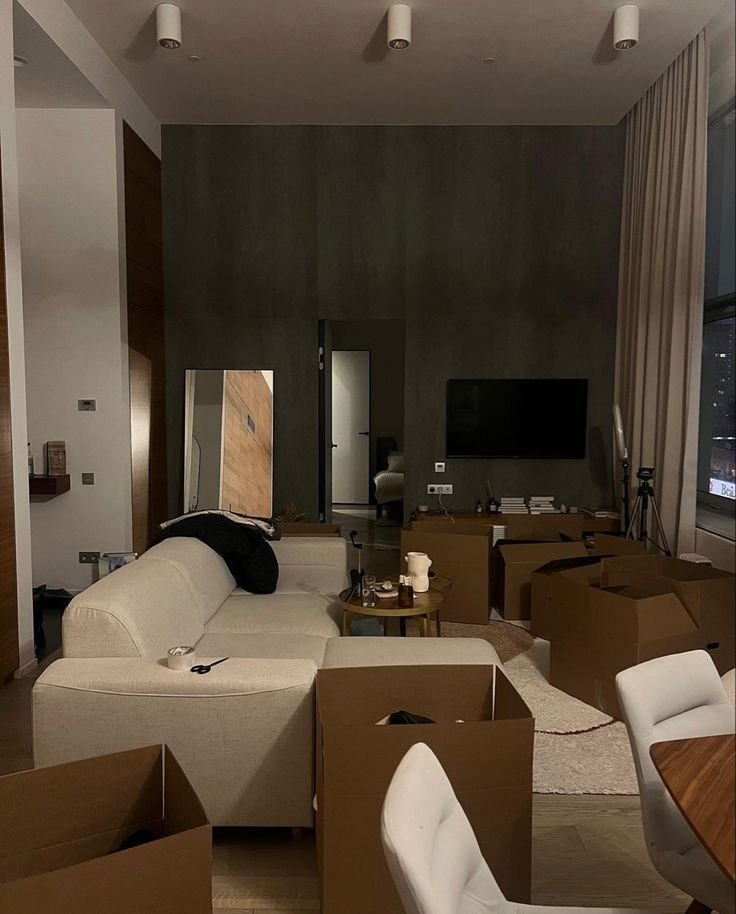
The final test is the least glamorous and perhaps the most important part of the process. You must imagine the room six months later when the initial novelty has completely worn off. There will be scattered books on the table, and someone will inevitably leave a bag on the chair.
A family member will move the side table because it is temporarily in the way of their activities. The formal dining room will likely become a temporary office on a busy weekday evening. Furniture should survive this daily transformation without making the room feel ruined or messy.
The best luxury furniture does not make a home feel like a sterile showroom. It makes the room feel settled, as though the pieces belong there and perhaps always have. Start with proportion, choose for the life that happens between the photographs, and let the materials speak for themselves.
Questions to Ask Before Buying
Will I still appreciate this unique shape when the room is fully lived in?
Is the cushioning comfortable enough for hours of everyday use?
Does the placement leave enough walking space for multiple people?
Can this new item work harmoniously with the furniture I already own?
Will the upholstery material age in a way I can accept and maintain?
These practical questions move the purchasing decision away from sudden impulse. They guide you toward something much more durable, functional, and ultimately rewarding. A home becomes luxurious not when every object demands attention, but when the things around you feel considered, comfortable, and quietly right.
Takeaways
Choosing luxury furniture requires a thoughtful balance between aesthetic appeal and everyday functionality. You must prioritize the actual dimensions of your room over the visual drama of a showroom display.
Selecting one statement piece allows the rest of your decor to provide harmonious, quiet support. Mixing different textures and eras creates a curated environment rather than a sterile, matching catalog look.
True luxury is found in materials that age gracefully and accommodate your authentic daily habits. By focusing on comfort and proportion, you ensure your home remains both beautiful and deeply welcoming.
Looking for Home resources?
Looking to enhance your living space and create a sanctuary that supports your well-being? Explore our home partners who offer a wide range of resources to elevate your home environment.