Flying Squirrels In Your Attic: Signs And Solutions
You may never see a flying squirrel during the day, yet an entire colony could be nesting quietly in your attic. Their nocturnal activity can leave subtle but distinct clues around the house that homeowners often overlook.
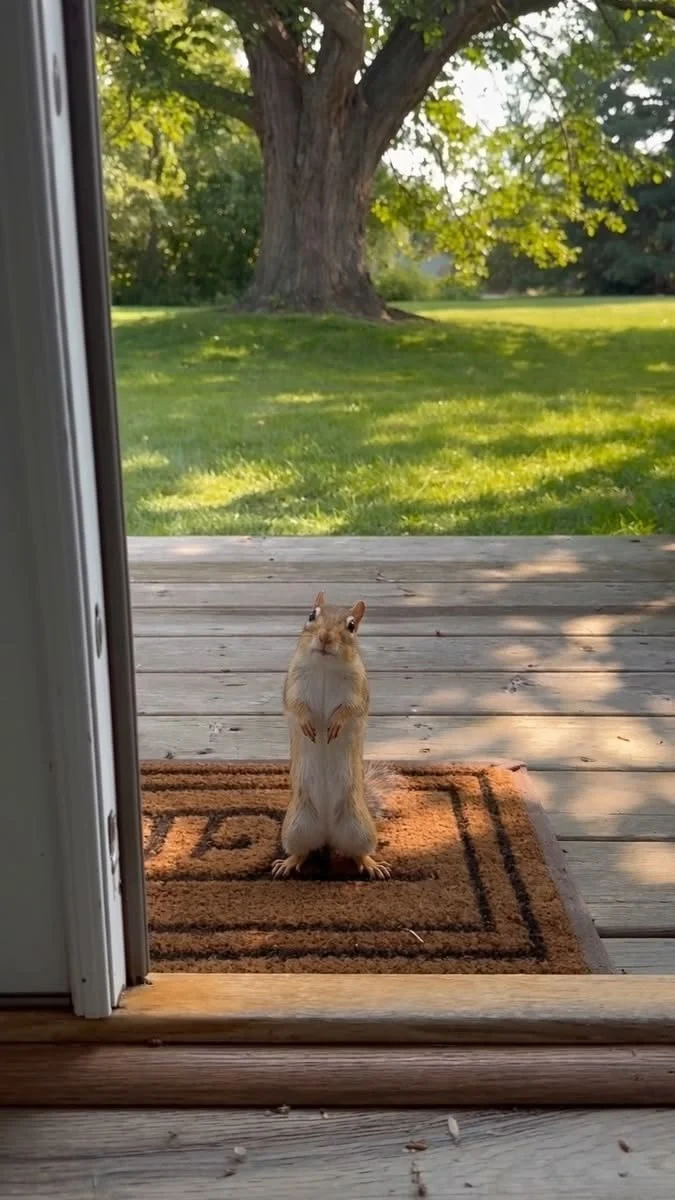
Late-night scratching, faint chirping, scattered droppings, or small openings near the roofline may point directly to wildlife residing in the attic. Knowing exactly what to look for helps you respond carefully and effectively before property damage or disruption increases significantly.
In this article, we will explore the common signs of flying squirrels in your home and outline the best steps for safe removal. Understanding their behavior is the first step toward reclaiming your peaceful, animal-free living space.
No. 1
Why Flying Squirrels Are Easy to Miss
Flying squirrels are active almost exclusively at night, making them incredibly difficult to spot during standard waking hours. They glide gracefully between trees and structures, then use incredibly small gaps to reach sheltered spaces such as attics, soffits, and wall cavities. Because they are much smaller than standard tree squirrels, they can squeeze through openings no larger than a quarter.
Their movement can sound like light scurrying or scratching, which many homeowners mistakenly attribute to common mice or rats. Unlike heavier rodents, their footsteps are delicate, often masking the true size of the infestation growing above your ceiling. They may nest deep in insulation or other soft materials, remaining hidden from a casual glance into the attic space.
These animals often use shredded fibers, dried leaves, and discarded paper to construct elaborate, insulated nests for their young. Because they are highly social creatures, a single nest can sometimes house multiple individuals, especially during the colder winter months. This communal living behavior means that a minor noise could actually represent a much larger wildlife issue.
Nesting Habits and Materials
They gather soft insulation fibers from your attic to create warm, secure environments for their offspring.
Dried leaves, twigs, and pine needles are frequently carried inside from nearby trees and shrubs.
Scraps of paper, cardboard, and forgotten fabrics stored in boxes are often shredded for bedding.
Communal nesting means multiple squirrels will contribute to building and expanding these hidden habitats.
No. 2
Signs That May Point to an Infestation
Homeowners must pay close attention to exactly when mysterious sounds occur within the walls or ceilings. Repeated activity shortly after dusk or just before sunrise can be a major clue, especially when it includes quick movement, light scratching, or faint high-pitched calls. However, sound alone cannot definitively confirm which specific animal is currently residing in your home.
You may also find small droppings, heavily disturbed insulation, scattered nesting material, or greasy rub marks around a suspected entry point. A motion-activated camera may help document this nocturnal activity from a safe distance, but it should never replace a proper, thorough inspection. Avoid climbing onto a steep roof or physically disturbing suspected nests to obtain a closer look before taking professional action.
If you are inspecting an attic, always look from a safe, stable position for flattened paths through the insulation or areas that appear repeatedly disturbed. Flying squirrels often create distinct latrine areas, meaning you might find concentrated piles of droppings in specific corners. Identifying these concentrated waste zones is a strong indicator of a persistent, localized infestation rather than a passing visitor.
Visual and Auditory Clues
Soft scurrying, scratching, or rolling sounds occurring primarily during the late evening and early morning hours.
Small, dark droppings that resemble those of mice but are often clustered in specific latrine locations.
Smudges or dark rub marks left by the oils on their fur around small exterior entry holes.
Distinct, high-pitched chirping or clucking noises that differ from the typical squeaks of common house mice.
No. 3
What Professional Removal Usually Involves
A responsible and effective response to a wildlife issue always begins with a comprehensive professional inspection. During this initial assessment, ask the provider to clearly distinguish flying squirrels from other common attic visitors, such as mice, rats, or larger gray squirrels. Correct identification matters immensely because entry patterns, nesting behavior, and appropriate exclusion methods can differ drastically between species.
A reputable professional should explain exactly what evidence supports their identification and physically show you the vulnerable areas that need immediate attention. If the findings remain uncertain, ask what further inspection techniques are needed before any actual removal work begins. Clear answers help you compare different service proposals and avoid paying for a treatment that does not address the actual animal or its route inside.
The professional should identify the specific animal, locate all entry points, look for hidden nesting areas, and carefully assess whether dependent young are present. The comprehensive plan should address both the humane removal of the animals and the structural repairs needed to prevent another entry. In many situations, a flying squirrel removal service may use specialized exclusion methods that allow animals to leave safely without returning.
The timing and method of removal matter greatly, as one-way devices or sealing work should never separate dependent young from their nursing mother. Ask the provider how they check for babies, what happens if young are found, and how the team confirms the attic is completely clear before closing openings. After the animals are successfully out, contaminated nesting material or soiled insulation may need professional cleanup and sanitization.
Steps in Professional Wildlife Removal
Conducting a thorough interior and exterior inspection to identify the species and map out all potential entry points.
Installing one-way exclusion doors that allow the squirrels to exit the building naturally but prevent them from re-entering.
Checking the nesting areas meticulously by hand to ensure no helpless babies are left behind during the exclusion process.
Performing full sanitation services to remove hazardous droppings, urine-soaked insulation, and lingering pheromones.
No. 4
Where They May Enter
Flying squirrels generally use existing structural gaps rather than chewing or creating large new openings like larger rodents do. Common access points include vulnerable roof and soffit vents, gaps around aging fascia boards, unprotected eaves, and deteriorated roof joints. They can also slip through utility openings where pipes and wires enter the home if these spaces are not properly sealed.
Nearby trees and overhanging branches can provide incredibly convenient access directly to your roof. Because they can glide significant distances, even trees located several yards away can serve as a launching pad for these agile creatures. Homeowners should regularly check the roofline, attic vents, and areas where exterior cables enter the structure for signs of wear.
Wildlife experts consistently recommend identifying exactly how animals enter a building before attempting any form of exclusion. Animals may use more than one opening, and missing a secondary entrance will render your removal efforts completely ineffective. Locating and addressing every single access point is a crucial part of guidance on evicting animals from buildings and resolving a wildlife problem permanently.
Common Access Points in Homes
Unscreened or damaged gable vents and ridge vents that provide direct airflow into the attic space.
Small gaps between the roof decking and the fascia boards caused by natural settling or water damage.
Openings around exterior plumbing pipes, electrical conduits, and air conditioning lines.
Loose or missing roof shingles that expose the underlying wooden structure to opportunistic wildlife.
No. 5
Understand the Risks Before Taking Action
Having an animal living in the attic can severely disturb your insulation and leave hazardous droppings, urine, and decaying nesting material behind. Over time, this heavily contaminated material may require careful removal and specialized cleanup to restore the air quality in your home. Squirrels can also gnaw on wooden building materials and, in some highly dangerous cases, electrical wiring.
Any suspected electrical damage caused by chewing must be assessed immediately by a qualified professional electrician to prevent fire hazards. Wildlife and their accumulated waste can carry dangerous parasites, bacteria, and other health hazards that threaten your family. It is essential to keep children and household pets far away from affected areas until the space is fully sanitized.
You must avoid sweeping or vacuuming dry droppings because this action can stir contaminated dust and dangerous pathogens directly into the air you breathe. If extensive cleanup is needed, always ask a qualified wildlife or environmental remediation professional about safe handling and proper disposal protocols. Taking these precautions ensures that a frustrating wildlife issue does not escalate into a serious medical emergency.
Property and Health Hazards
Chewed electrical wires that strip away the protective coating and create a severe risk of hidden electrical fires.
Accumulated urine and feces that can seep through the ceiling drywall, causing unsightly stains and foul odors.
The introduction of external parasites such as fleas, ticks, and mites that can quickly spread to household pets.
Airborne diseases transmitted through disturbed droppings, which can cause severe respiratory issues for sensitive individuals.
No. 6
What Not to Do First
You should never seal an opening as soon as you find it, no matter how tempting it might be to stop the problem immediately. If animals are still inside, closing the entrance can trap them in a hot attic or a narrow wall cavity where they will inevitably perish. A trapped animal may cause extensive structural damage while frantically trying to escape, and young may be left behind to starve if a nesting family is present.
Homeowners must strictly avoid using poison, cruel glue traps, and improvised removal attempts that lack professional oversight. These inhumane methods can cause immense suffering, create severe sanitation problems, or leave deceased animals completely inaccessible inside the structure. Furthermore, you should never assume there is only one squirrel living in the space, as colonies are quite common.
A single nest may contain multiple adult animals, alongside a litter of highly dependent young that cannot survive without their mother. Animal welfare organizations strongly advise homeowners to consider whether young are present before taking any aggressive action. Utilizing a professional who can keep a family together when removal is necessary is always the most ethical and effective approach.
Common Mistakes to Avoid
Applying expanding foam or caulk to an active entry hole, which traps the animals inside the building.
Placing toxic rodenticides in the attic, which can lead to foul odors from decaying animals hidden in the walls.
Using lethal snap traps that are often ineffective against flying squirrels and pose a danger to non-target species.
Attempting to handle the animals directly without heavy protective gloves, risking painful bites and disease transmission.
No. 7
Make the Home Less Accessible
Once the attic space is confirmed to be completely clear of all wildlife, you must repair gaps around vents, soffits, fascia, and roof joints. Use durable, wildlife-resistant materials suited to each specific opening, such as heavy-gauge galvanized steel mesh or custom metal flashing. You should never rely on standard silicone caulk or expanding foam alone where a much stronger physical barrier is required.
It is highly recommended to trim back any tree branches that provide convenient, direct access to the roof, keeping them at least ten feet away from the structure. You must also keep the entire roofline in good repair, conducting annual inspections to catch minor wear and tear before it becomes a major vulnerability. Addressing underlying moisture problems that soften wood will also deter animals from chewing through your exterior trim.
If the attic insulation has been heavily contaminated with urine and feces, it should be professionally removed and replaced to restore energy efficiency and sanitation. Upgrading your exterior defenses is the only guaranteed way to ensure that a new family of squirrels does not move in next season. Proactive home maintenance is ultimately your best defense against all forms of nuisance wildlife.
Effective Prevention Strategies
Installing heavy-duty steel exclusion screens over all attic vents, chimney flues, and exterior exhaust openings.
Pruning overhanging tree limbs and removing climbing vines that act as natural ladders to your roof.
Replacing rotting fascia boards and repairing water-damaged soffits with solid, treated lumber or composite materials.
Scheduling annual roof inspections to identify and seal new structural gaps caused by seasonal weather changes.
No. 8
Know When to Get Help
A single unexplained noise in the night may have several harmless causes, such as settling wood or wind against the siding. However, repeated nighttime activity combined with visible droppings, scattered nesting material, or obvious structural openings deserves immediate professional attention. You should contact a qualified wildlife expert if you cannot confidently identify the animal or if you suspect dependent young are present.
It is also crucial to call for help if you cannot safely inspect the roof or attic space due to height, steep pitches, or lack of proper lighting. You must never enter a heavily contaminated or structurally unsafe space without wearing suitable respiratory protection and protective clothing. Early, careful assessment by a trained expert can significantly limit property damage and help avoid separating a mother from her offspring.
The ultimate goal of wildlife control is not simply to get an animal out of the house temporarily. The best response is to resolve the access problem safely, humanely, and permanently to prevent the exact same situation from happening again. Investing in professional assistance ensures the safety of your family, your property, and the local wildlife population.
Signs You Need an Expert
You hear vocalizations that suggest a nest of baby squirrels is hidden somewhere inaccessible within the wall cavities.
The entry points are located on a steep, high roofline that requires specialized safety harnesses and ladders to reach.
The attic space contains large accumulations of droppings that require industrial respirators and hazardous waste protocols to clean.
Previous DIY attempts at trapping or exclusion have failed, and the animals continue to bypass your temporary repairs.
Takeaways
Addressing a flying squirrel infestation requires a calm, methodical approach that prioritizes both home preservation and animal welfare. By recognizing the subtle nighttime sounds and physical clues, homeowners can identify the problem before severe structural damage occurs.
Professional wildlife removal services offer the safest and most effective methods for evicting these animals without separating mothers from their dependent young. Experts can accurately identify the species, locate hidden entry points, and implement humane exclusion devices that prevent future access.
Securing your home with durable materials and maintaining your roofline will ensure that your living space remains completely wildlife-free. Taking proactive preventative measures ultimately protects your property investment and maintains a healthy environment for your entire family.
Looking for Home resources?
Looking to enhance your living space and create a sanctuary that supports your well-being? Explore our home partners who offer a wide range of resources to elevate your home environment.