Building A Sunroom For Year-Round Comfort
Homeowners shopping for a sunroom often assume the difference between a three-season and a four-season version comes down to how thick the glass is. In reality, the true distinction is much more complex and involves several critical engineering choices. The real difference sits in the wall cavity, the roof assembly, and how the glazing is officially rated.
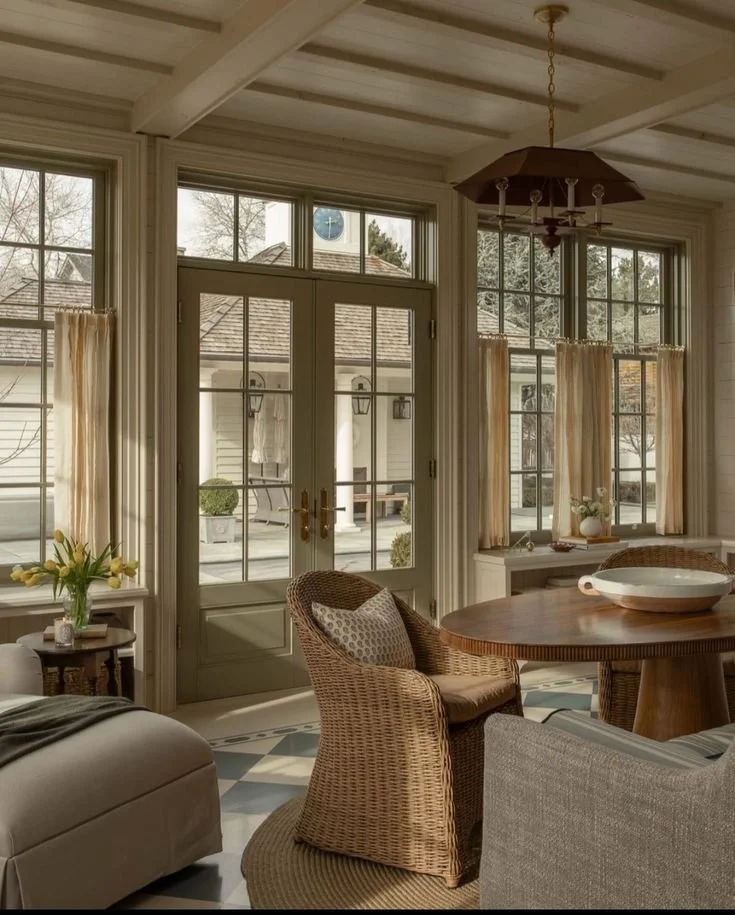
These are three structural decisions made long before the construction crew ever sets a post on your property. A room built to sit comfortably at 20 degrees in January is a completely different engineering problem than one built to catch a breeze in June. This remains true even if the two distinct structures look nearly identical from the driveway.
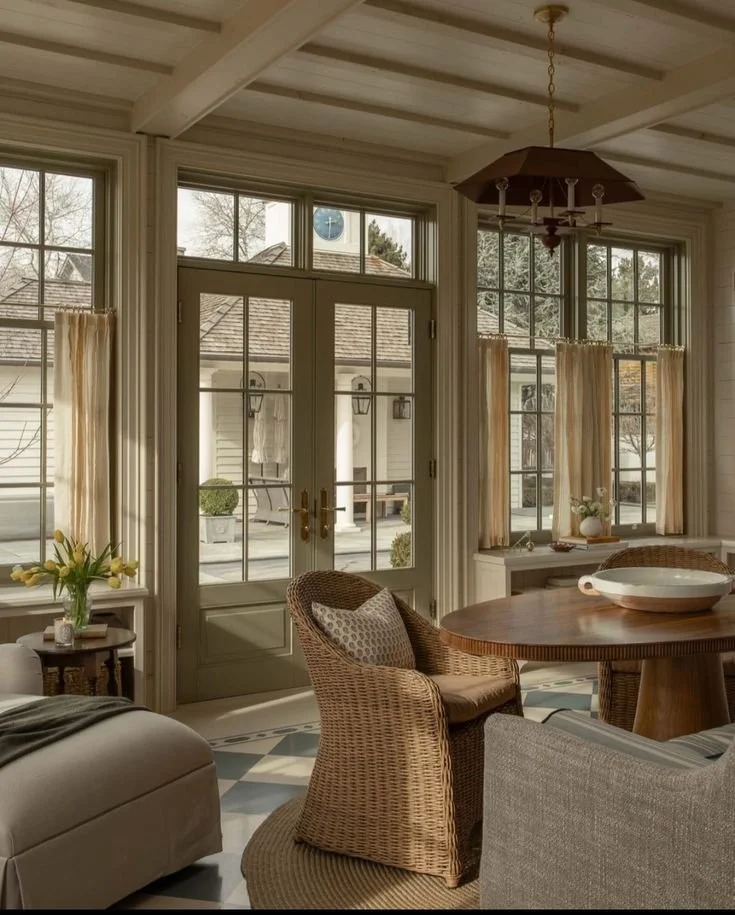
In this article, we will explore the critical components that make a sunroom functional throughout every season of the year. We will also examine how specific materials and construction methods impact the longevity and comfort of your new living space. Understanding these factors will help you make an informed decision when investing in a home addition.
No. 1
Understanding the Core Differences
The primary difference between seasonal structures lies in insulation and glazing performance rather than room size or window count. A three-season room typically uses a lighter aluminum frame and standard glass that offers minimal thermal protection. This setup is perfectly comfortable for spring through fall but is not built to hold indoor temperatures against a hard freeze or a blistering July afternoon.
Conversely, a four-season room uses a heavily insulated wall and roof assembly paired with high-performance glazing. This advanced construction allows it to function as a fully conditioned living space rather than a temporary seasonal add-on. Investing in the right structural components ensures your new room remains a cozy retreat regardless of the weather outside.
Key Structural Variations
Glazing choices feature standard or single-pane glass in a three-season room, whereas a four-season room utilizes Low-E insulated glass filled with argon gas.
Wall assemblies consist of a thin aluminum frame with minimal insulation for three-season builds, compared to insulated panels rated for conditioned space in four-season designs.
Roof structures rely on a lightweight panel or screen roof in a three-season room, while a four-season room uses an insulated aluminum skin over a dense foam core.
HVAC compatibility is rarely tied into the home system in a three-season room, but a four-season room is engineered to seamlessly supplement your existing heating and cooling.
Comfortable usage spans only spring through fall in a three-season room, whereas a four-season room provides genuine year-round enjoyment including through harsh winters.
No. 2
The Importance of Climate Considerations
Climate is the primary reason this structural distinction matters significantly more in some geographic regions than in others. A metropolitan area that swings from humid, 90-degree summers to sub-freezing winters puts immense stress on a glazed structure. For example, the Kansas City area experiences dramatic temperature shifts that demand robust engineering compared to a milder coastal climate.
An assembly that is only weather-sealed rather than genuinely insulated will inevitably show that environmental stress very quickly. This wear typically appears first at the roofline and the glazing seams long before the framing itself actually fails. Choosing materials specifically rated for your local climate zone prevents premature degradation and costly future repairs.
Horizon Exteriors LLC is a Kansas City metro exterior remodeling contractor serving Overland Park, Olathe, Lee's Summit, and Independence since 2024. As an authorized dealer for Renaissance Patio Products, they build four-season sunroom structures engineered to hold up against severe wind gusts of up to 175 miles per hour. That impressive wind rating is a useful proxy for how differently a genuine four-season room is engineered compared to a simple screened porch bolted onto a patio slab.
No. 3
Evaluating the Roof and Wall Assemblies
The roof is where the majority of the temperature regulation difference actually lives within a sunroom structure. A true four-season roof panel needs a highly insulating core rather than just a basic weatherproof skin. A poorly insulated roof will radiate heat loss much faster than any wall or window in the entire structure.
Wall panels follow the exact same thermal logic when it comes to maintaining a comfortable indoor climate. Continuous insulation across the panel face matters significantly more than the overall panel thickness alone. A gap in the insulation layer becomes a persistent cold spot no matter how thick the surrounding building material happens to be.
Properly engineered walls and roofs work together to create a tight thermal envelope that drastically reduces energy consumption. This seamless integration prevents drafts and keeps your heating and cooling bills manageable throughout the year. Quality construction in these areas transforms a simple glass enclosure into a highly efficient extension of your home.
No. 4
Glazing and Year-Round Performance
Glazing is carefully chosen by its U-factor, which is a measurement of how much heat an assembly allows to escape. A lower U-factor number translates directly to much better insulating performance for the glass panels. ENERGY STAR Version 7.0 criteria, in effect since late 2023, require a U-factor of 0.25 or lower for windows in the North-Central climate zone.
That specific standard is the practical benchmark for whether a glazing system belongs in a genuine four-season build or a seasonal one. A three-season room and a four-season room can look almost identical to a casual observer passing by. The difference is entirely in what sits behind the glass, including the wall cavity and the roof insulation.
Horizon Exteriors installs the Renaissance Lumino glass wall system with Low-E insulated glass on all of its premium four-season builds. Their roof panels carry an aircraft-grade aluminum skin over a high-density insulating foam core rather than a bare metal or screen roof. These high-performance materials ensure the glazing is actually rated to hold a Kansas City winter without you needing a space heater in the corner.
No. 5
The Impact on Property Value
Adding a sunroom definitely increases home value, though the return shows up as much in daily use as in resale math. The NARI Remodeling Impact Report on outdoor features, released in early 2026, found outdoor living projects earn a phenomenal Joy Score of 9.7 out of 10. Furthermore, 52 percent of surveyed homeowners reported feeling genuinely happy every single time they see their finished space.
A four-season sunroom scores exceptionally well against that benchmark because it functions as usable square footage twelve months a year. It serves as a reliable living area rather than just a fair-weather bonus room that sits empty during the winter. This continuous usability is exactly why appraisers and potential buyers tend to treat it much differently than an uninsulated screen porch.
When it comes time to sell, a fully conditioned sunroom is calculated into the total livable square footage of the property. This classification significantly boosts the listing price and attracts buyers looking for versatile, light-filled spaces. Investing in a four-season build ultimately provides a much stronger financial return than a limited three-season alternative.
No. 6
Essential Questions for Your Contractor
Before signing a contract for a four-season sunroom, it is crucial to ask the contractor to put specific performance metrics in writing. Most of these technical details never make it onto a glossy marketing brochure, but they are incredibly important. They represent the difference between a room that gets used every month and one that sits closed from November to March.
A contractor who can answer these technical questions without pulling up a spec sheet is usually highly experienced. This indicates they are building to a strict structural standard rather than just assembling a generic kit and hoping the climate cooperates. Renaissance structures carry a lifetime product warranty on the frame, which is a detail worth asking any local contractor to match.
For homeowners comparing options locally, it is always worth reading how a company frames its own builds. Readers can learn more about their sunrooms and the exact glazing and structural specs behind a four-season room. Thoroughly vetting your contractor ensures your investment results in a durable, high-quality addition to your home.
Contractor Verification Checklist
Verify the glazing U-factor and confirm whether it meets current ENERGY STAR criteria for your specific local climate zone.
Ask whether the wall and roof panels are fully insulated with a foam core or if they are merely weather-sealed against rain.
Request the structure's engineered wind rating, which is especially vital in regions that frequently see severe spring storms.
Determine whether the new room can tie directly into your existing HVAC setup or if it requires a standalone mini-split system.
Check the warranty terms on the frame, glazing, and roof panels separately, since these coverage lengths can often differ significantly.
No. 7
Designing the Interior for Every Season
Once the structural elements are finalized, designing the interior of your sunroom requires thoughtful planning to maximize year-round utility. Selecting fade-resistant furniture is essential since the room will be exposed to significant amounts of natural sunlight. UV-resistant fabrics and treated woods will maintain their vibrant appearance much longer than standard indoor furnishings.
Incorporating versatile window treatments also plays a massive role in regulating the room's temperature and ambiance. Cellular shades or thermal curtains can be drawn during the hottest parts of a summer day to block intense glare. During the winter, these same treatments provide an extra layer of insulation to keep the warm air trapped inside.
Lighting is another crucial element that transforms the space when the sun finally goes down. Installing dimmable overhead fixtures and strategically placed floor lamps ensures the room remains inviting during long winter evenings. A well-designed interior layout turns your structurally sound sunroom into the most popular gathering space in your entire house.
No. 8
Long-Term Maintenance and Upkeep
Maintaining a four-season sunroom is relatively straightforward if the initial construction utilizes high-quality, durable materials. Regularly cleaning the interior and exterior glass prevents dirt buildup and ensures maximum light transmission throughout the year. Using a non-abrasive cleaner and a squeegee will keep the Low-E coatings completely safe and streak-free.
Inspect the weatherstripping and caulking around the window frames annually to catch any potential drafts early. Replacing worn seals is a quick and inexpensive maintenance task that protects your room's overall energy efficiency. Keeping the tracks of sliding windows and doors clear of debris also guarantees smooth operation and prevents mechanical strain.
Finally, checking the roof panels and gutters for accumulated leaves or branches is vital before the winter snow arrives. Proper drainage prevents water from pooling and freezing, which could otherwise compromise the integrity of the insulated roof seams. Consistent, minor upkeep ensures your sunroom remains a beautiful and functional retreat for decades to come.
Takeaways
Building a functional four-season sunroom is primarily a structural upgrade before it is considered a design enhancement. The glazing rating, wall insulation, and roof assembly ultimately dictate whether the room earns its keep in every season.
In a demanding climate like the Midwest, getting these engineering distinctions right the first time is absolutely essential. Investing in high-performance materials prevents future headaches and ensures your new space remains comfortable during extreme weather fluctuations.
A well-built sunroom not only enhances your daily quality of life but also significantly boosts your overall property value. By asking the right questions and prioritizing insulation, you can create a beautiful, year-round sanctuary in your home.
Looking for Home resources?
Looking to enhance your living space and create a sanctuary that supports your well-being? Explore our home partners who offer a wide range of resources to elevate your home environment.