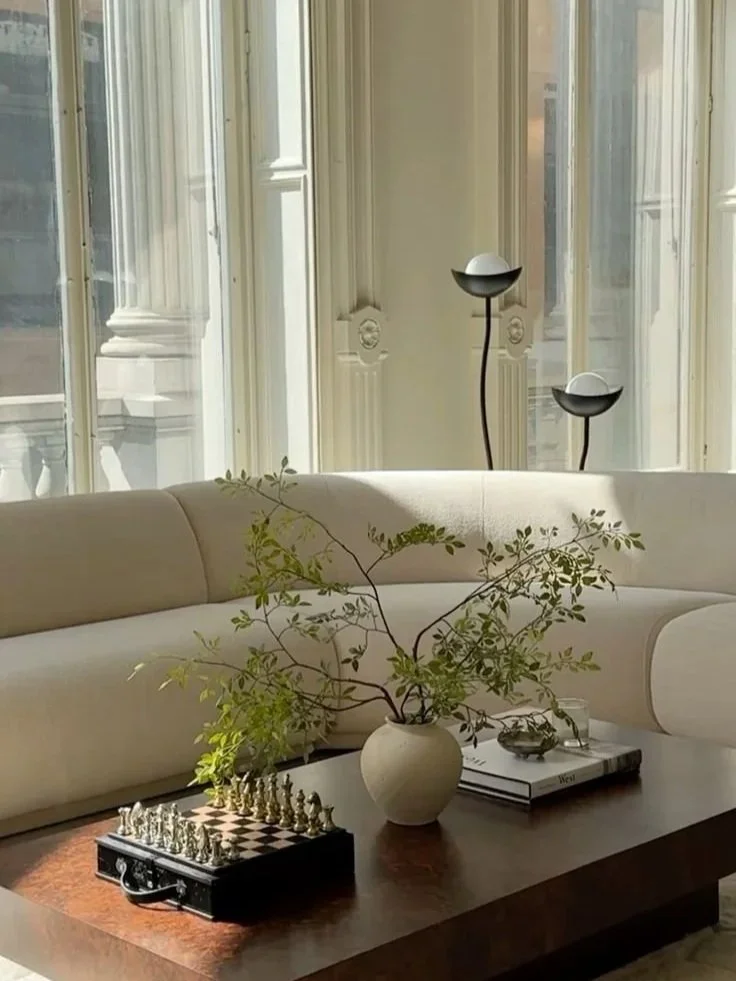
Conscious Home Design: Create A Space That Reflects You
Your home tells a story about who you are and what you value. It is more than a place to sleep; it is a sanctuary, the backdrop for meaningful moments, and a physical representation of your priorities.

Conscious living invites you to extend thoughtfulness beyond your diet and wardrobe and into the spaces you inhabit. Instead of reactive decorating and impulse buys, it emphasizes intentional choices that support well-being and align with your values.
In this article, we will explore how to define a clear home vision, prioritize lasting value, choose quality over quick fixes, and adopt sustainable home practices. You will also learn practical ways to enjoy the elevated space you create without chasing perfection.
No. 1
Defining Your Home Vision
Before you can create a home that reflects you, you need to understand what you want it to say. This step is less about scrolling endlessly through design apps and more about looking inward.
A thoughtfully curated home starts with a vision that goes beyond trends and taps into your daily reality. When you can describe how you want each room to feel and function, decisions become simpler and purchases become more purposeful.
Start with how you want to feel in each room
Feelings are often more useful than style labels because they guide choices across color, layout, lighting, and materials. A room that feels calm will typically require different choices than a room designed to energize and inspire.
Consider defining each room with a few emotional keywords:
Living room: cozy, welcoming, conversation-friendly
Kitchen: bright, efficient, uncluttered
Bedroom: restful, quiet, soft
Office: focused, motivating, organized
Bathroom: clean, soothing, spa-like
Once you choose the feeling, you can evaluate everything by asking whether it supports that outcome. This keeps your design cohesive even if you mix styles or shop over time.
Create a practical blueprint based on your lifestyle
A conscious home is not just visually appealing; it respects how you actually live. The best design decisions support your routines rather than forcing you to work around your space.
Ask yourself practical questions like these:
Where do bags, shoes, and keys naturally land when you walk in?
Do you need storage for kids’ items, pet supplies, or hobby materials?
Do you host often, and if so, what kind of gatherings do you enjoy?
Do you work from home, and what distractions affect you most?
When the answers are honest, you can design with fewer compromises. That might mean prioritizing durable fabrics, adding closed storage, or rethinking furniture placement for better flow.
Build a private mood board that includes words and textures
Mood boards are most helpful when they go beyond pretty rooms. Include textures, color swatches, and words that capture your target feeling so you are building an emotional and sensory direction.
To make your mood board more effective, include:
A palette of 3 to 5 core colors, plus 1 accent
Texture cues like linen, leather, boucle, matte paint, or natural wood
Lighting references, such as warm lamps, daylight, or layered lighting
Descriptive words like grounded, airy, nostalgic, modern, or playful
This vision becomes your filter when you are tempted by trends that do not suit your goals. It also helps you shop more slowly and with more confidence.
No. 2
Prioritizing Lasting Value
A conscious home is built on lasting value, not disposable decor. It shifts the question from what is cheap and fast to what you will still love and use years from now.
Prioritizing value does not always mean buying the most expensive item. It means investing in durability, craftsmanship, and timeless design so you replace less and enjoy more.
Focus on “high-impact” investments first
Not every purchase needs to be premium, but some items affect daily comfort and long-term satisfaction more than others. When budgets are limited, start with foundational pieces that are used constantly.
High-impact investments often include:
A comfortable sofa with a durable frame and washable or replaceable covers
A supportive mattress and pillows that improve sleep quality
Area rugs that can handle wear and anchor a room’s design
Dining chairs that are sturdy and comfortable for long conversations
Window treatments that improve privacy, light control, and insulation
These items contribute to quality of life, not just aesthetics. They also reduce the urge to “start over” because the space feels better day to day.
Think long-term with finishes, paint, and labor
Lasting value applies to the structure of your home as much as the decor. A high-quality paint job, for example, can transform a space and protect walls for years, while a rushed job can chip, peel, or look uneven quickly.
If you are hiring help, approach it like an investment:
Review past work and request references
Confirm prep work details, including patching, sanding, and priming
Ask what products will be used and why
Get a written timeline and scope of work
You are not just paying for a finished look. You are paying for longevity, fewer headaches, and better results that hold up under real life.
Choose timeless over trendy for big-ticket items
Trends can be fun in small doses, but they can become expensive when they show up in large, hard-to-replace items. A conscious approach keeps the “trend energy” in flexible layers you can swap out easily.
Use this balance:
Timeless foundation: sofa, flooring, large case goods, major lighting
Trend-forward accents: pillows, throws, art prints, small decor, paint in low-commitment areas
Custom home design planning allows your home to evolve without constant waste or major spending. It also supports a more personal look rather than a space that feels copied from a moment in time.
No. 3
Embracing Quality Over Quick Fixes
In a world built around convenience, quick fixes are tempting. A wobbly table leg can be patched, peeling wallpaper can be taped, and a dull room can be “fixed” with inexpensive decor that looks good for a week.
Conscious home design prioritizes doing it right, even if it takes longer. This mindset reduces waste, prevents repeat spending, and builds a home that feels stable and cared for.
Buy less, but buy better
Choosing quality does not mean filling your home with luxury items. It means being selective so you bring in fewer things, each with a clear purpose or personal meaning.
A quality-first mindset looks like this:
Waiting for the right piece instead of buying a placeholder
Choosing materials that age well, like solid wood, wool, or high-quality metals
Paying attention to construction, such as joinery, stitching, and hardware
Avoiding duplicates that create clutter and decision fatigue
Over time, this approach creates a home where every item feels intentional. It also makes cleaning and organizing easier because there is simply less excess.
Repair properly when it matters
Repair is one of the most sustainable and budget-friendly choices you can make, but only when it is done well. A proper repair extends the life of what you already own and preserves the character of your home.
When deciding whether to repair, consider:
Is the item structurally sound and worth saving?
Will the repair last, or is it likely to fail again quickly?
Would a professional repair cost less than replacing with equal quality?
A conscious home embraces patience and maintenance because those choices protect your investment. They also cultivate a sense of pride in your space.
Reduce clutter by avoiding “temporary” decor cycles
Quick-fix decorating often creates clutter, because temporary items linger long after they stop feeling useful. Conscious design breaks that loop by focusing on pieces that either serve a function or carry a story.
Try these clutter-reducing habits:
Apply a one-in, one-out rule for decor and small furnishings
Store seasonal items in one dedicated bin, not spread across closets
Choose fewer, larger decor statements instead of many small ones
Leave negative space, so rooms feel calm and breathable
The result is a home that feels elevated because it is not visually noisy. It also becomes easier to maintain and enjoy.
No. 4
Sustainable Home Practices
A conscious home considers your health and the planet. Sustainable choices can reduce waste, improve indoor air quality, and lower utility bills without requiring an overwhelming overhaul.
Small changes add up over time, especially when they become part of your routines. The key is to choose practical steps you can maintain rather than chasing perfection.
Improve indoor air quality with healthier materials
Indoor air quality affects how you feel at home, especially if you have allergies, kids, or pets. Many conventional paints and finishes contain volatile organic compounds (VOCs) that can linger in the air.
Healthier upgrades to consider include:
Low-VOC or zero-VOC paint for walls and ceilings
Solid wood or formaldehyde-free cabinetry when possible
Natural fiber rugs, such as wool or cotton, instead of synthetic blends
Ventilation improvements, including exhaust fans and air purifiers
These changes support comfort in ways that are easy to overlook until you experience the difference. They also align with a home that feels restorative, not irritating.
Choose sustainable materials that last
Sustainability is not only about recycled content. It is also about durability, renewability, and whether a material will hold up to daily life.
Materials often associated with lower environmental impact include:
Bamboo or cork for renewable flooring options
Reclaimed wood for warmth and character with less resource extraction
Recycled glass or metal for countertops, decor, or accents
Secondhand furniture, especially solid wood pieces that can be refinished
A sustainable home also benefits from buying locally when possible. Local makers reduce shipping impact and often provide higher craftsmanship and repairable pieces.
Save energy and water with simple upgrades
Beyond materials, conscious living at home includes mindful consumption of resources, a key aspect of designing eco-conscious spaces. Efficient homes support conscious living because they reduce resource use while improving comfort. Many upgrades are affordable and pay off over time through lower bills.
Practical steps include:
Switching to LED bulbs for long-lasting, energy-efficient lighting
Installing a programmable or smart thermostat for better temperature control
Sealing drafts around doors and windows to improve insulation
Fixing leaks quickly to prevent wasted water and costly damage
Using low-flow fixtures without sacrificing everyday performance
These choices make your home feel more stable and predictable. They also reduce the hidden stress of high bills and constant maintenance issues.
No. 5
Enjoying Your Elevated Space
After the planning, the waiting, and the intentional choices, the most important step is to enjoy what you have created. A consciously designed home is not a showroom; it is a living environment meant to support real life.
Enjoyment is also part of sustainability, because loving your space reduces the urge to replace things out of boredom. When your home feels aligned with your values, it becomes easier to stay content.
Build rituals that help you experience your home
A home can be beautiful and still feel disconnected if you never slow down enough to notice it. Simple rituals create a stronger relationship with your space and reinforce the purpose behind your choices.
Consider rituals like:
A five-minute evening reset to clear surfaces and prepare for morning
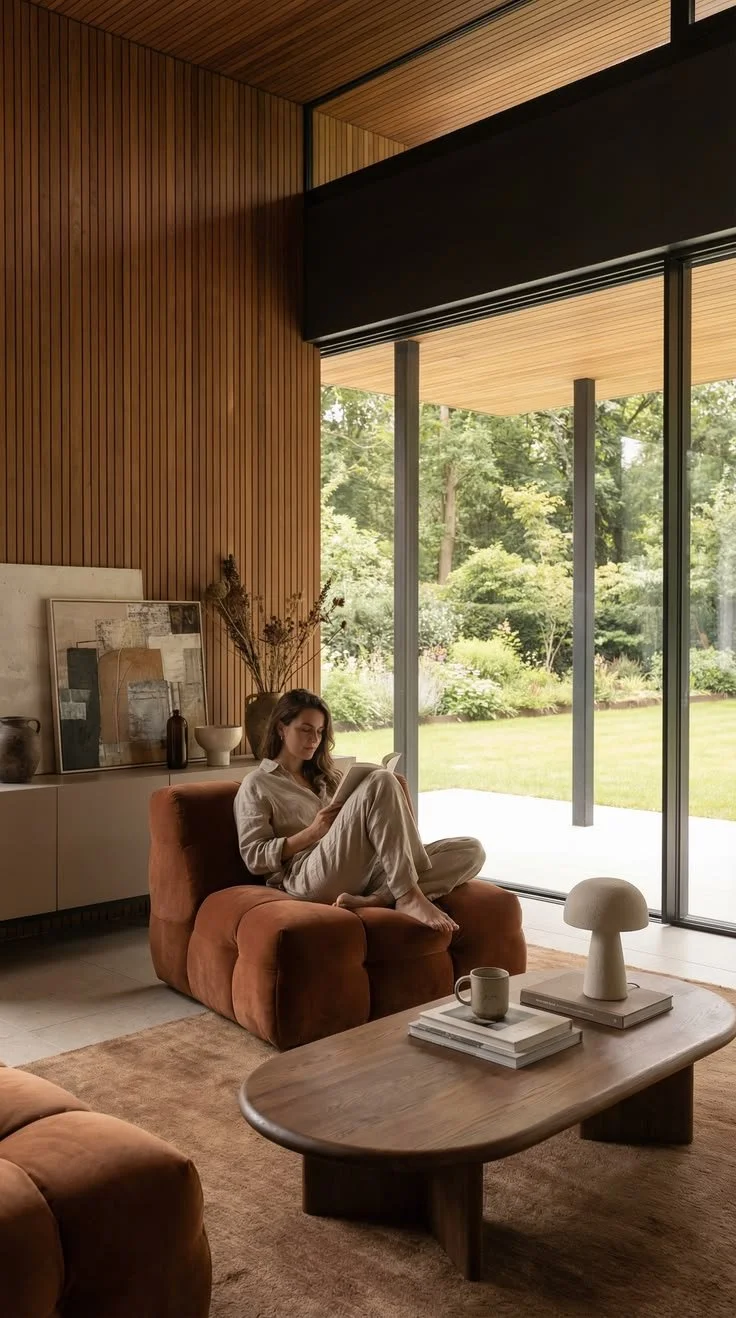
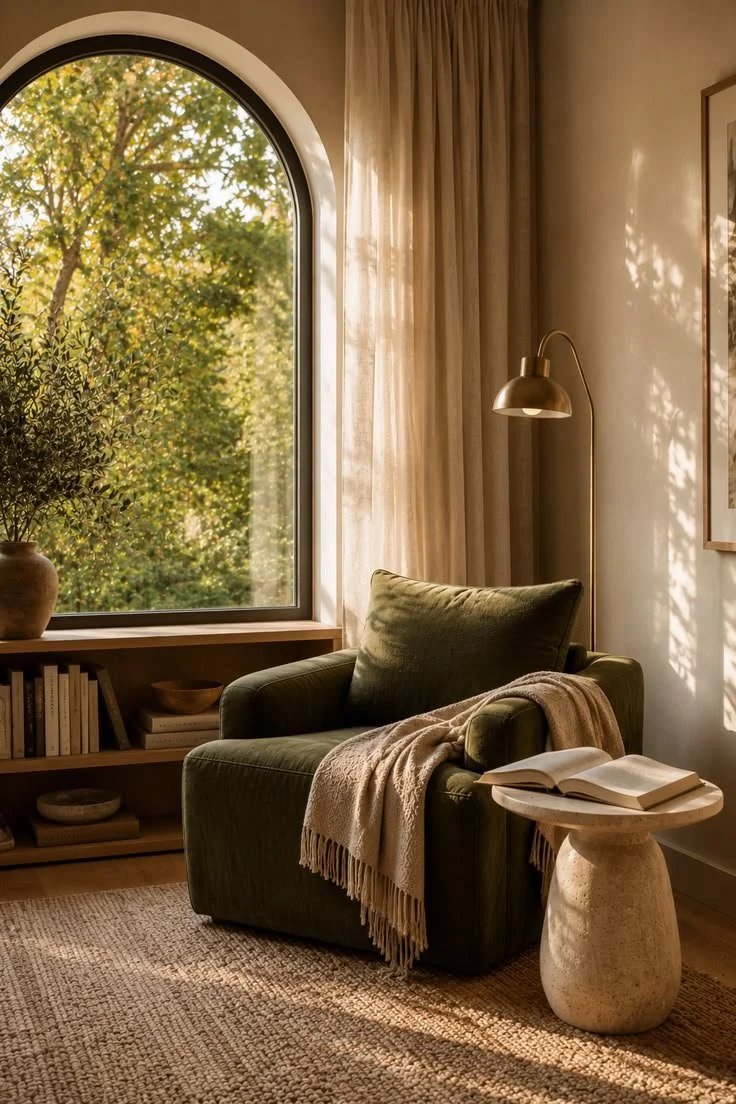
Weekend coffee or tea in your favorite chair with a book
Lighting candles or turning on lamps at dusk to create warmth
Playing music while you cook to make the kitchen feel welcoming
These habits make your home feel lived in, not staged. They also strengthen the sense that your space is actively supporting your well-being.
Make space for people and moments
A conscious home is also about connection. Whether you live alone or with others, your home can support community through comfortable seating, functional layouts, and welcoming details.
To make gathering easier, consider:
Flexible seating like a bench, poufs, or stackable chairs
Clear surfaces for serving food or sharing activities
Lighting that flatters people, not just decor
A clutter-free entry area so guests feel relaxed immediately
You do not need a large space to host well. You need a space designed around how you want people to feel when they are in it.
Takeaways
Conscious home design starts with a clear vision that reflects how you want to feel and how you actually live. When you define emotional goals and functional needs, your decisions become simpler and more consistent.
Prioritizing lasting value means investing in quality where it matters and avoiding costly cycles of replacement. Choosing repair, timeless foundations, and durable materials helps your home look better and work better over time.
Sustainable practices, healthier materials, and mindful routines create a home that supports both personal well-being and the environment. The most meaningful outcome is enjoyment, because a home you truly love is one you will keep, care for, and grow with.
Looking for Home resources?
Looking to enhance your living space and create a sanctuary that supports your well-being? Explore our home partners who offer a wide range of resources to elevate your home environment.