Using AI To Bring Your Creative Ideas To Life
The urge to create something personal and beautiful is universal, whether you are refreshing a living room or imagining a new color story for your bedroom. For years, turning that spark into a clear plan required specialized skills, pricey software, or hours spent hunting through inspiration boards.
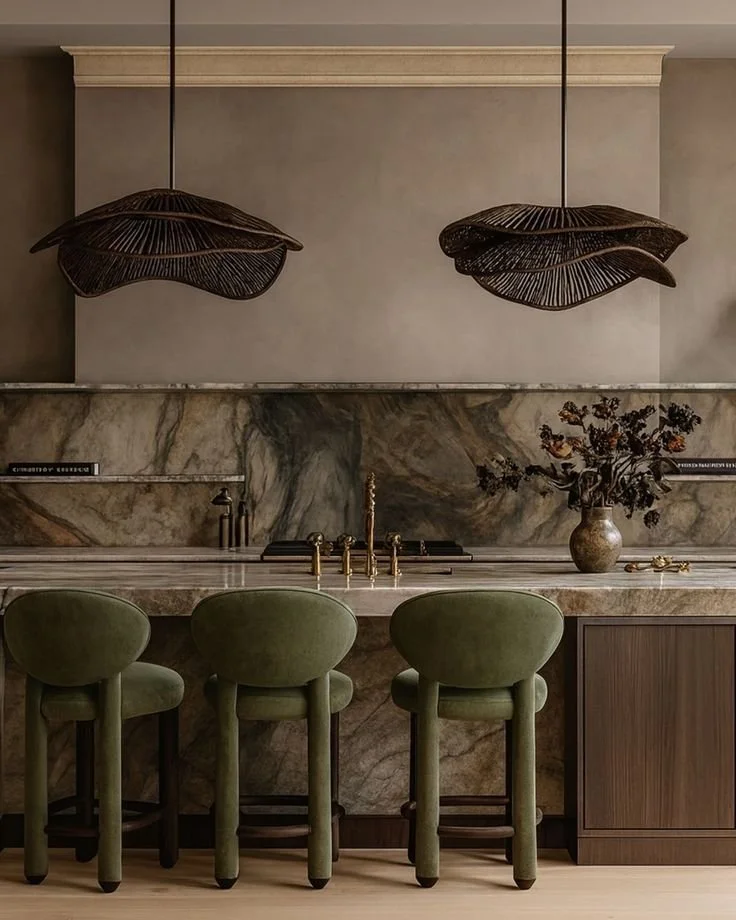
In this article, we will explore how artificial intelligence can support everyday creativity by helping you define your vision, generate visuals, work through creative blocks, and develop a more confident personal style. Rather than replacing human taste, AI can function like a responsive collaborator that helps you move from vague ideas to tangible results faster and with less friction.
No. 1
Defining Your Creative Vision
Every meaningful project starts with an idea, but most ideas for personalizing your new home begin as feelings rather than specifics. You might want a “cozy, modern” living room or a “whimsical, bright” birthday theme, yet still struggle to describe what that looks like in a way you can act on.
A strong creative vision gives you a filter for decision-making. It helps you avoid getting lost in endless options, and it makes your final result feel intentional instead of accidental.
Turn a feeling into a clear direction
Start by translating your initial inspiration into a few concrete attributes. This is less about picking the perfect style label and more about identifying the emotional and functional outcomes you want.
Use prompts like these to clarify your direction:
What core emotion should this project convey, such as calm, energy, warmth, or nostalgia?
Who is it for, such as you, your household, guests, or a client?
Where will it live, such as a small apartment, a bright room, an outdoor space, or a digital platform?
What constraints matter most, such as budget, time, durability, or accessibility?
When you can articulate the emotion and the audience, you can evaluate every choice against something real. That clarity is what separates a collection of ideas from a cohesive creative plan.
Build a simple creative brief you can actually use
A creative brief does not need to be formal. A short, practical set of notes can keep you aligned when you are choosing colors, layouts, or materials later.
A useful brief might include:
Project goal in one sentence
Three to five keywords describing the vibe
A short list of must-haves
A short list of deal-breakers
A one-line description of success, such as “It feels light, uncluttered, and easy to maintain”
This document becomes your reference point when the AI returns options that are beautiful but off-target. It also helps you write better prompts, because you can pull language directly from your own brief.
Collect inspiration with intention, not volume
Traditionally, this stage involves mood boards, swatches, and folders full of screenshots. That can still work, but the key is to look for patterns rather than saving everything that looks good.
As you gather inspiration, track what repeats:
Color families you consistently gravitate toward
Materials that show up again and again, such as wood tones, linen, or metal finishes
Shapes and lines, such as curved silhouettes or clean, geometric edges
Lighting styles, such as moody lamps or bright, natural daylight scenes
When you spot repetition, you are not just collecting images. You are identifying your preferences, which is the foundation of personal style.
No. 2
AI as a Creative Partner
It is accurate to call AI a tool, but it is often more helpful to think of it as a partner. A good partner does not take over the work, but it expands what you can try, accelerates experimentation, and helps you see your idea from multiple angles.
AI works especially well in the early and middle stages of creativity. It can quickly generate options, variations, and drafts so you have something to respond to, refine, and improve.
What AI does well in creative projects
AI can support your process in ways that reduce friction without flattening your originality. You remain the decision-maker, because you choose what to keep, what to reject, and what to evolve.
Common strengths include:
Rapid brainstorming when you are unsure where to start
Visualizing concepts before you spend money or time
Producing multiple variations so you can compare directions
Helping you name styles, palettes, or compositional approaches
Drafting copy for invitations, captions, or brand descriptions that you can refine
When you approach AI as a collaborator, you get more value from it. You also avoid the common frustration of expecting it to “read your mind” without clear guidance.
How to write prompts that get results
The quality of your output depends heavily on the clarity of your input. A strong prompt is specific, but not so rigid that it prevents interesting ideas from showing up.
Include details like:
Subject and setting, such as “a living room” or “a backyard dinner party”
Style references, such as mid-century modern, coastal, or maximalist
Color palette, such as sage green, cream, walnut, and matte black
Lighting and mood, such as warm evening light or bright natural daylight
Materials and textures, such as velvet, linen, reclaimed wood, or brass
Practical constraints, such as “small space” or “renter-friendly”
For example, a prompt like “a living room with a velvet green sofa, warm wood tones, brass accents, and lots of natural light, styled for a calm but modern feel” gives the AI enough structure to produce relevant options. You can then iterate based on what you like and what feels wrong.
Use the feedback loop to refine your taste
One of the biggest advantages of AI is speed. You can test ideas quickly, which helps you learn what you actually prefer rather than what you think you prefer.
After reviewing outputs, ask:
What elements consistently look right to me?
What feels off, even if I cannot explain why?
Which version feels most livable, not just most impressive?
What would I change first if this were my real space or final design?
This process builds creative confidence. Instead of guessing, you refine through comparison and repetition.
No. 3
Generating Visuals from Simple Ideas
Text-to-image generation is one of the most accessible creative breakthroughs for everyday creators. You do not need formal design training to see your ideas represented visually, and that alone can help you make better decisions. With a few descriptive words, AI image generation tools can create visuals in seconds for projects ranging from home decor to social media art.
AI visuals are especially useful when you are trying to communicate a concept to someone else. They can also help you commit to a direction sooner by making your preferences visible.
Practical ways to use AI visuals in real life
AI-generated images can support projects that are personal, professional, or somewhere in between. You can use them as inspiration, mockups, or conversation starters. This can enhance the creative process in everyday life.
Common use cases include:
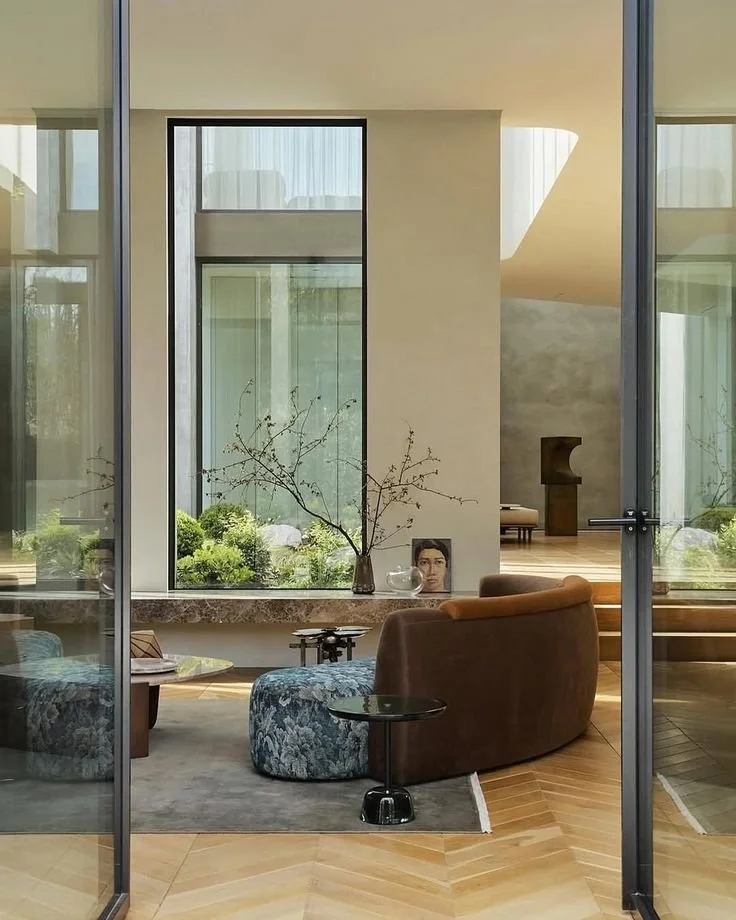
Home decor planning, such as testing paint colors, furniture layouts, and lighting moods
Event planning, such as visualizing themes, table settings, signage, and invitation style
Personal art concepts, such as creating a direction for a custom print or gallery wall
Content creation, such as mood imagery for social posts, presentations, or newsletters
The advantage is not perfection. The advantage is speed and clarity, because you can see an idea instead of trying to imagine it.
Create “variation sets” to compare options side by side
Instead of generating one image and stopping, generate a small set of variations that keep one element consistent. This helps you isolate what is working.
Try variation sets like:
Same room layout with three different palettes
Same palette with three different lighting moods
Same concept in three different styles, such as Scandinavian, modern farmhouse, and contemporary
This approach turns AI from a novelty into a decision tool. It helps you choose with intention rather than impulse.
Move from AI output to actionable next steps
Once you have an image you like, convert it into a plan. AI images can be a bridge between inspiration and execution if you pull out the practical components.
Extract details such as:
Dominant and accent colors
Materials and finishes
Key furniture silhouettes or shapes
Lighting types and placement ideas
Styling cues, such as textiles, greenery, or wall art
From there, you can create a shopping list, a mood board, or a brief to share with a designer or contractor.
No. 4
Overcoming Creative Blocks
Creative blocks happen to everyone. Sometimes you are starting from nothing, and sometimes you have too many ideas and cannot commit to one direction.
AI tools for creatives help by reducing the pressure of the blank page. It gives you something to react to, which is often the fastest way to restart momentum.
Use AI as an idea generator, not a final answer
If you are stuck, start with broad prompts that capture a mood rather than a finished design. This helps you generate fresh angles without forcing a premature commitment.
Prompts that can unlock movement include:
“the feeling of a quiet Sunday morning”
“a space that feels like a deep exhale”
“playful color palette for a joyful, modern celebration”
“cozy reading nook inspired by rainy afternoons”
Once you see options, you can narrow them with practical constraints like budget, space, and existing items you want to keep.
Build from a single anchor you already love
Starting with an anchor element makes creativity easier. You are not inventing everything at once, because you are designing around something real.
Anchors can include:
A favorite artwork
A rug or fabric pattern
A signature color you wear often
A sentimental object you want to feature
A photo of a space that feels like “you”
You can ask AI to generate concepts inspired by that anchor, then refine until the direction feels coherent. This method keeps your project personal, because it begins with your taste rather than a trend.
Generate alternatives when you feel decision fatigue
If you are overwhelmed by choices, use AI to propose structured options. Instead of endless browsing, you can request three distinct directions that align with your brief.
For example:
Option A: minimal and calming
Option B: warm and traditional
Option C: bold and artistic
Comparing three framed options can reduce decision fatigue and help you commit faster.
No. 5
The Future of Personal Expression
As AI becomes more user-friendly, personal expression is becoming more accessible. The biggest shift is not that creativity is being automated, but that experimentation is getting cheaper, faster, and easier to repeat.
This matters because creative growth often comes from iteration. When it is simple to test ideas, you take more risks, learn quicker, and develop a stronger point of view.
Create consistent styles across multiple visuals
One emerging capability is greater consistency across a series of images. That opens the door to storytelling, brand cohesion, and long-term creative projects.
Examples include:
Illustrations for a children’s story with consistent characters
A personal blog with a recognizable visual identity
A small business building cohesive campaign imagery
Pattern concepts for wallpaper, fabric, or stationery
Consistency is what turns scattered creativity into a recognizable signature. AI can support that by helping you develop repeatable visual language.
Use AI to democratize design without losing authenticity
AI lowers barriers, but it does not replace taste. Your choices, edits, and constraints are what make the final result feel human and specific.
To keep work authentic:
Use AI for exploration, then curate aggressively
Combine AI outputs with real-world references and personal items
Prioritize usability and meaning over impressiveness
Treat AI drafts as starting points, not finished products
When you remain the editor, the work remains yours.
Takeaways
AI can help you move from a vague creative feeling to a clear, actionable vision by prompting you to define mood, audience, constraints, and non-negotiables. A short creative brief and intentional inspiration gathering make every next step easier.
When used as a creative partner, AI accelerates brainstorming, visualization, and iteration without replacing your taste. Strong prompts, variation sets, and a consistent feedback loop help you refine ideas quickly and confidently.
AI is also a practical tool for breaking creative blocks and building cohesive personal style across projects. The most successful approach is to use AI for exploration while keeping humans firmly in charge of curation, meaning, and final decisions.
Looking for Business resources?
Are you seeking ways to elevate your business to new heights? Dive into the array of resources provided by our esteemed business partners designed to empower your ventures.