How Custom Signs Help New Businesses Build Local Recognition
Why do some new businesses feel like a neighborhood fixture within months, while others struggle to get noticed at all? A lot of it comes down to something surprisingly simple: whether people actually see you before they ever walk through the door.
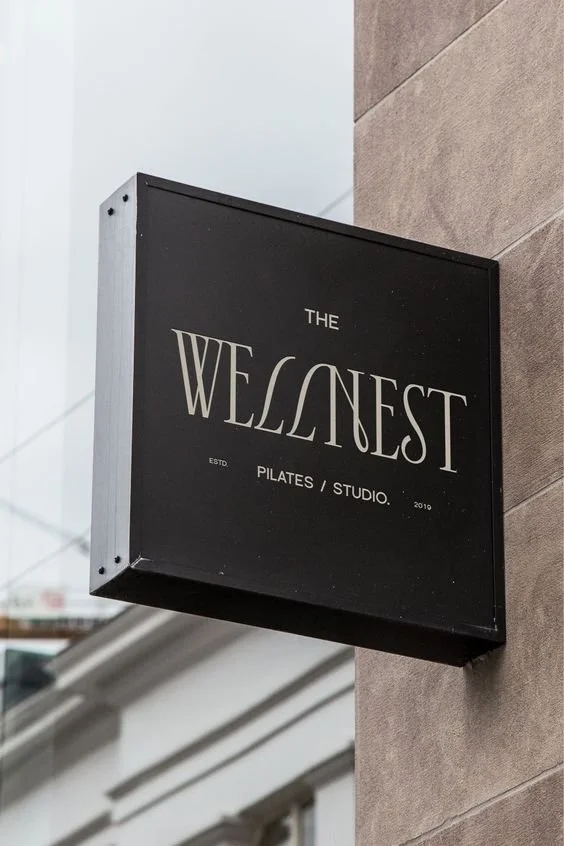
For a new business, local recognition doesn't happen automatically; it must be earned block by block, storefront by storefront. In a city like Los Angeles, where competition for attention is constant and foot traffic moves fast, a well-designed sign is often the very first impression a business gets to make, long before a customer reads a review or finds the business online.
Getting that first impression right starts with understanding why so many new businesses struggle to be seen in the first place. In this article, we will explore how custom signs help new businesses build local recognition, why many startups struggle to stand out, and how to design, place, and evaluate signage so it works as a long-term brand asset rather than a one-time expense.
No. 1
Why New Businesses Struggle to Build Local Recognition
Getting noticed sounds simple in theory, but new businesses run into the same handful of obstacles again and again.
No existing reputation to lean on: A new business hasn't earned word-of-mouth yet, so it has to rely entirely on what people can actually see. Without a track record, first impressions carry far more weight than they would for an established name.
Limited marketing budgets early on: Most new businesses can't yet afford sustained advertising campaigns, which means visibility has to come from somewhere more immediate and affordable. A storefront presence often has to do double duty as the primary marketing channel in those early months.
Getting lost among nearby competitors: A new business is frequently opening in an area already full of established, recognizable names. Blending into that visual noise makes it easy for potential customers to walk right past without a second glance.
Low visibility from a distance or in passing traffic: Many new businesses underestimate how quickly people make decisions while walking or driving past. If a storefront doesn't communicate what it is within a few seconds, that moment of attention is gone for good.
Each of these obstacles compounds the others, which is exactly why visibility has to be earned deliberately rather than left to chance.
No. 2
How Custom Signs Become an Instant Brand Asset
A well-designed sign does more than mark a location; it actively works as a piece of ongoing marketing every single day. According to a survey commissioned by FedEx Office, 76% of consumers say they've entered a store they'd never visited before based simply on its signage.
Here is why:
Establishes Immediate Visual Identity
A custom sign gives a brand-new business something an online presence alone can't: a real, physical identity that people encounter in their everyday lives. It's often the very first thing a potential customer associates with the name, well before they've read a review or visited a website. That first physical impression tends to stick, shaping expectations before anyone even walks inside.
Builds Familiarity Through Repeated Exposure
People who pass the same sign daily on their commute or errands absorb a business's name and presence gradually, even without consciously trying to. That repeated exposure builds a kind of passive familiarity that's difficult to replicate through paid ads alone. Over time, a consistent, well-placed sign becomes part of the mental map people carry of their own neighborhood.
Signals Legitimacy and Professionalism
A well-made, properly installed sign quietly communicates that a business is established, serious, and here to stay, not a fly-by-night operation. Customers tend to associate sign quality with the quality of what's actually being sold inside. A cheap or poorly maintained sign can undercut an otherwise excellent business before a customer ever gives it a real chance.
Works as Advertising Around the Clock
Unlike a social media post or a paid ad, a sign works continuously, day and night, without needing a budget refresh or renewed campaign. Illuminated signage in particular keeps working after dark, when foot traffic patterns and visibility needs shift considerably. That around-the-clock presence adds up to far more total exposure than most early marketing efforts can match on their own.
No. 3
How to Align Your Signage With Your Brand
A sign only works as a recognition tool if it actually reflects who the business is, not just where it's located.
Colors, fonts, and logo: Signage should use the same visual language as the rest of the brand, so customers immediately connect the storefront to the business they already know online or elsewhere.
Reflect brand personality: The style and tone of a sign, whether bold and modern or classic and understated, should match the actual feel of the business itself.
Choosing the right type of sign: The physical format, illuminated, dimensional, monument, or window signage, should suit both the location and the specific way customers are meant to notice and approach the business.
Getting this alignment right usually comes down to working with people who understand both design and the practical realities of local signage regulations and installation. For businesses researching custom signs Los Angeles, it's worth looking for a team that can carry a brand's identity through from concept to installation.
Los Angeles Sign Company is one solid option, bringing two decades of experience turning brand identity into signage that actually performs across the city's neighborhoods.
No. 4
Measuring the Results
Knowing whether a sign is actually working doesn't require complicated tracking, just a bit of attention to a few consistent signals over time.
New customers who mention they noticed the sign while passing by, an uptick in walk-in traffic after installation, or simply more people recognizing the business by name around the neighborhood are all meaningful indicators.
Comparing foot traffic or new customer mentions before and after a sign goes up gives a rough but genuinely useful sense of impact. For most new businesses, the clearest sign that signage is working is simply hearing customers say they've seen it around; that kind of casual recognition is exactly the goal.
Takeaways
Local recognition isn't built overnight, but a well-designed, well-placed sign gives a new business one of the fastest, most consistent ways to start earning it. It works quietly in the background, day after day, turning ordinary foot traffic into familiarity and familiarity into real customers.
For any new business trying to establish itself in a competitive city, investing in the right signage early is one of the more straightforward ways to make sure people actually notice you're there.
Looking for Business resources?
Are you seeking ways to elevate your business to new heights? Dive into the array of resources provided by our esteemed business partners designed to empower your ventures.