Wellness Interior Design Ideas For A Calmer Home
A cluttered, noisy, poorly lit home can quietly drain your energy, even if you cannot immediately explain why you feel tense or unfocused. The good news is that you do not need a full renovation to create a space that supports better sleep, clearer thinking, and a steadier mood.
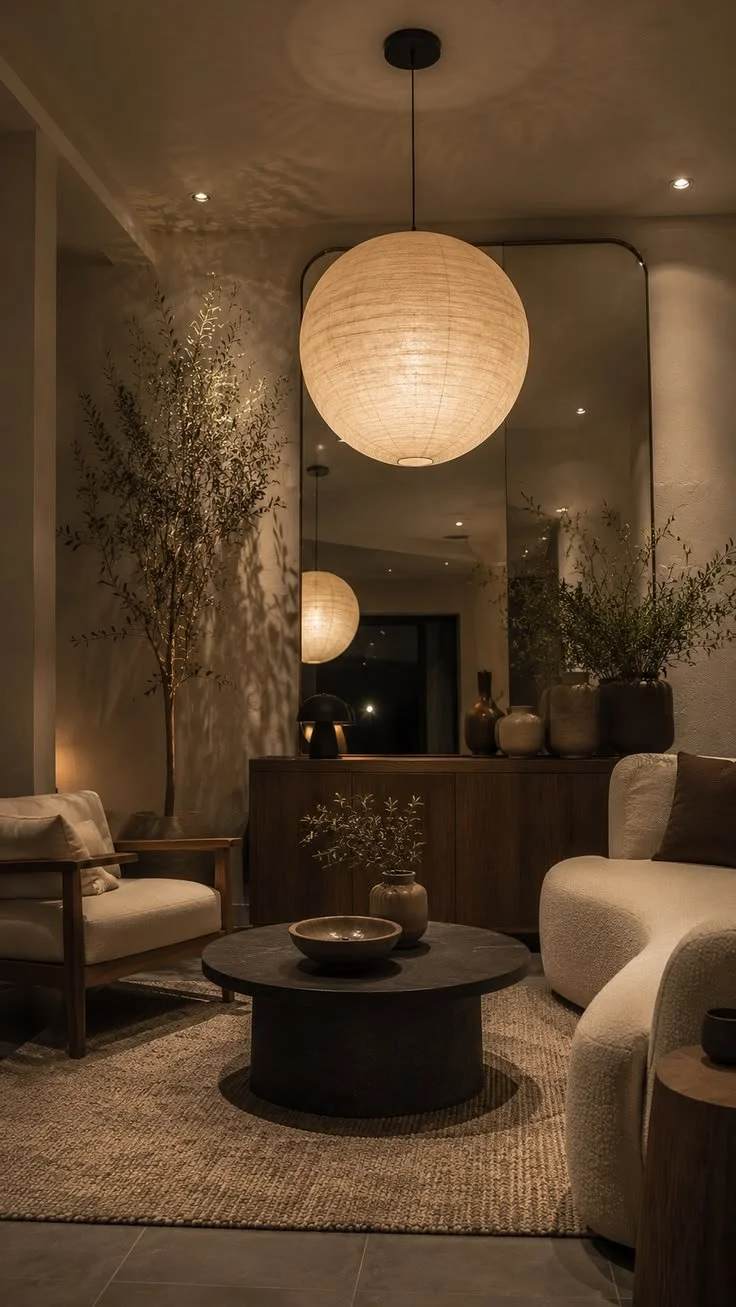
In this article, we will explore practical wellness interior design strategies that help your home feel calmer, healthier, and more restorative, using layout choices, natural elements, sensory comfort, and simple habits that reduce everyday stress.
No. 1
Design for Mental Clarity
Mental clarity is strongly influenced by what your environment asks your brain to process. Visual “noise” such as excessive decor, clashing patterns, and crowded surfaces creates constant micro-distractions. A wellness room, by contrast, reduces unnecessary stimulation so your attention can rest.
A useful way to approach this is to think like a curator rather than a collector. You are not removing personality from the space; you are selecting what truly supports how you want to live and feel.
Color Choices That Support Calm
Color has a measurable impact on perceived stress and comfort. If your goal is a grounded, restorative atmosphere, prioritize tones that feel stable rather than intense.
Gentle greens that suggest freshness and balance
Serene blues that signal quiet and slower pacing
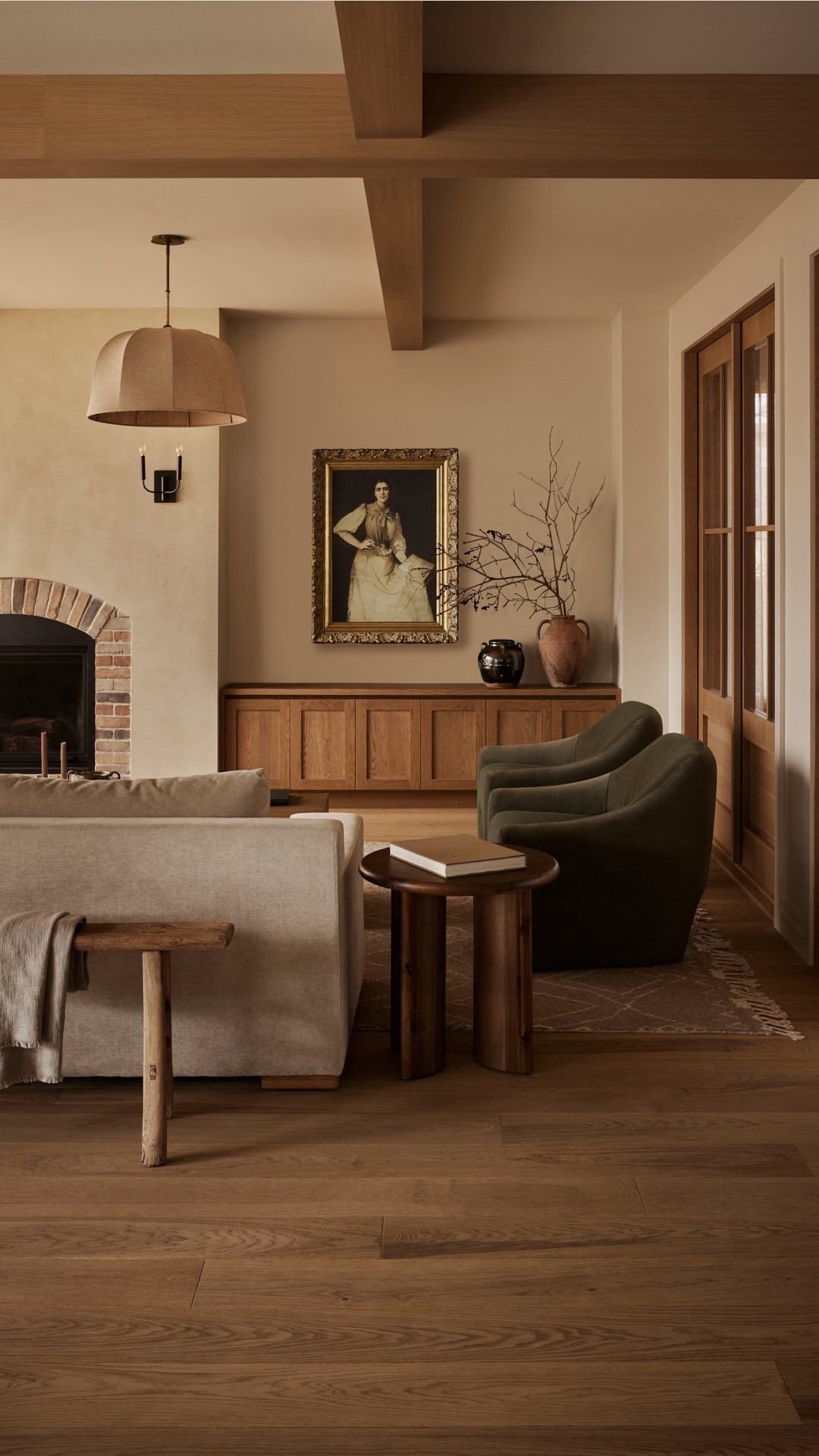
Warm neutrals such as soft beige, greige, and creamy whites
Muted earth tones that feel natural and steady
To keep a room from feeling flat, use tonal layering instead of contrast. For example, combine two to three shades of the same color family across walls, textiles, and decor.
Visual Simplicity Through Furniture and Layout
The shape and placement of furniture affect how safe and navigable a space feels. Wellness design typically favors clean lines and purposeful spacing.
Choose furniture with simple silhouettes and minimal ornamentation
Leave clear pathways so you can move without weaving around objects
Avoid overfilling corners with small decor that gathers dust and visual clutter
Aim for a “resting surface” rule: at least one or two areas should remain mostly clear
A “One Focal Point” Styling Method
If you want a room to feel composed, try choosing one focal point and letting it lead the styling decisions.
A piece of art
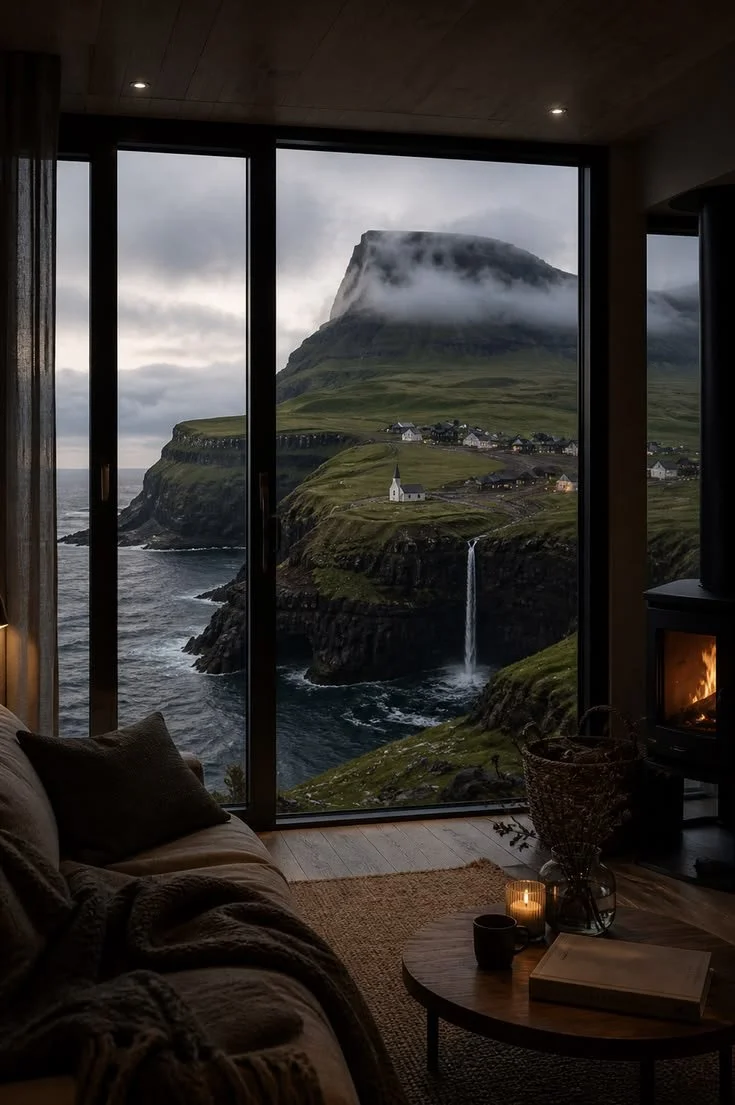
A window view
A fireplace
A statement plant
A well-designed bookshelf with negative space
Once the focal point is chosen, everything else should support it rather than compete with it.
No. 2
Bringing Nature Indoors
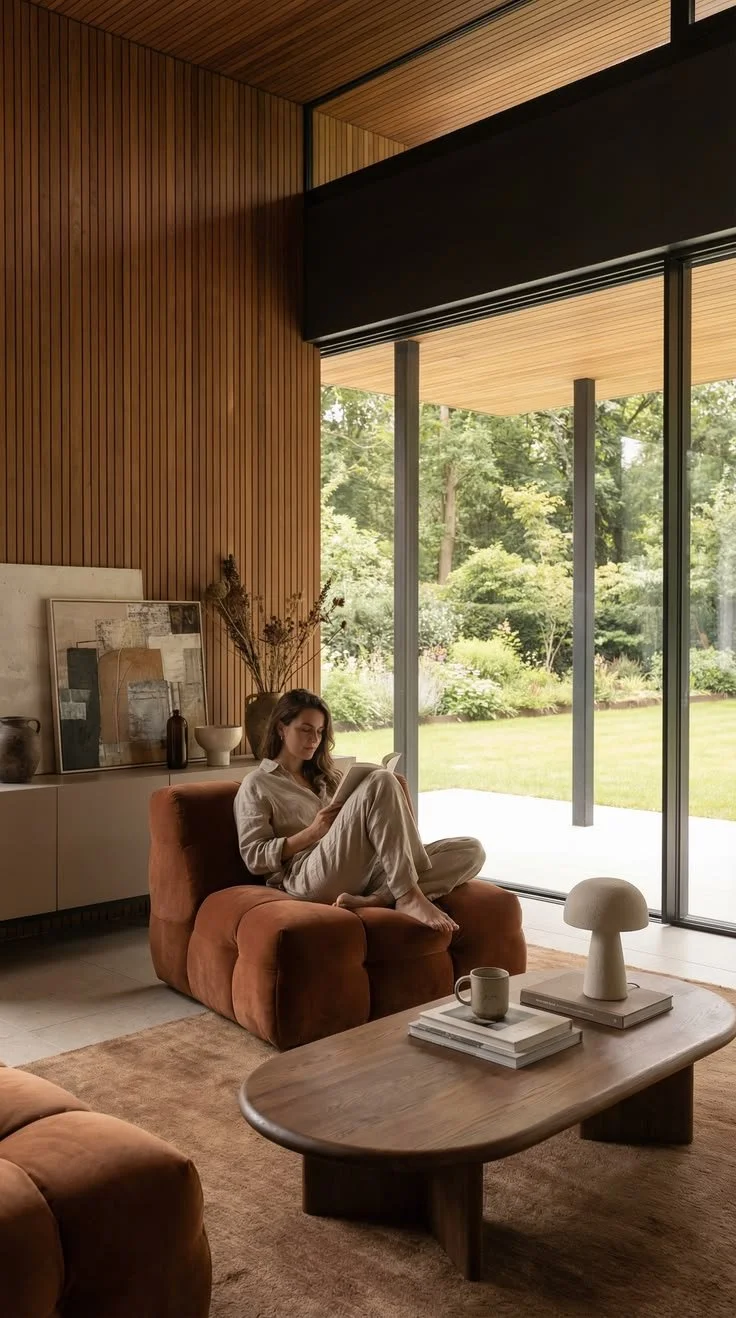
Humans are wired to respond positively to natural cues like daylight, greenery, and organic textures. Biophilic design takes that instinct seriously and uses it as a guiding principle for healthier interiors. It is more than decorating with plants; it is about building an environment that subtly signals safety, vitality, and ease.
Easy Biophilic Upgrades That Make a Big Difference
You can introduce nature in layered, realistic ways that fit different budgets and lifestyles.
Maximize natural light by keeping windows unobstructed
Swap heavy, synthetic textiles for natural fibers like linen and cotton
Add natural materials such as wood, stone, bamboo, or rattan
Use houseplants to soften corners and improve the room’s atmosphere
Hang art featuring landscapes, botanical studies, or nature photography
Practical Plant Strategies for Real Homes
Plants are one of the fastest ways to improve the emotional tone of a space, but they should match your routine. Choose plants you can realistically maintain.
If you forget to water: snake plant, pothos, ZZ plant
If you have bright light: fiddle leaf fig, citrus, bird of paradise
If you want low mess: structured plants in heavier pots to reduce tipping
Place plants where you will actually see them. A single healthy plant in your line of sight often contributes more to wellbeing than five plants hidden in a corner.
Natural Texture Layering
Nature does not look uniform, so rooms feel more soothing when they include gentle variations in texture.
Matte finishes rather than high-gloss everywhere
Woven baskets instead of hard plastic bins
Wood grain, stone veining, or linen slub for subtle visual interest
No. 3
Openness and Visual Connection
Feeling boxed in can intensify stress, while spaces that feel airy and connected tend to reduce it. Visual connection helps you feel oriented in your home, especially in transitional spaces such as hallways, stair landings, and entry areas. Even when you cannot remove walls, you can still create openness through light flow, sightlines, and materials that reduce visual barriers.
Layout Moves That Improve Flow Without Renovation
A few layout adjustments can make a home feel larger and calmer.
Float furniture slightly away from walls to create breathing room
Use fewer, larger pieces instead of many small pieces
Add mirrors strategically to bounce light and extend sightlines
Keep doorways and corridors clear of narrow furniture and stacked items
Transparent Materials for Light and Safety
When your home has areas where solid barriers block light, a material change can dramatically increase brightness and perceived space. For example, swapping a solid staircase railing or balcony barrier for clear glass balustrades keeps things safe while letting light stream through and keeping your view clear. This can be especially effective in homes with narrow staircases, darker hallways, or upper landings that feel closed in.
Sightlines as a Wellness Tool
Good sightlines reduce cognitive load because your brain does not have to constantly “solve” the room.
To improve them:
Position key seating so you can see the door or main entry point
Reduce tall furniture that interrupts the visual horizon in small rooms
Use lower-profile storage where possible
No. 4
Declutter for Peace
Decluttering is one of the most direct wellness interventions you can make because it changes what you see every day. Clutter is not just an aesthetic issue; it also increases decision fatigue, slows routines, and can create persistent low-level stress. A calmer home is often not the one with the most stylish furniture, but the one where everything has a logical place.
A Simple Decluttering Plan That Works
Start small and choose a defined area to avoid burnout.
Begin with one drawer, one shelf, or one countertop
Set a short timer, such as 15 or 20 minutes
Sort into four categories: keep, donate, recycle, trash
Finish by resetting the space so it is immediately usable
Systems That Prevent Clutter From Returning
Decluttering once is helpful, but systems are what protect your future energy.
Use a “one in, one out” rule for clothing, mugs, or decorative items
Create a daily five-minute reset routine before bed
Store items close to where they are used
Keep a donation bag in a closet so decisions become automatic
Hidden Clutter That Affects Calm
Some clutter is invisible until it disrupts your routine.
These areas often produce outsized stress:
Paper piles and unopened mail
Tangled charging cables
Overcrowded bathroom storage
Kitchen drawers that do not have dividers
Addressing these can make your home feel instantly more functional and settled.
No. 5
Sensory Design Elements
A truly restorative home supports all senses, not just visual aesthetics. Wellness interior design considers how a space sounds, feels, and smells, because those factors shape whether you experience your home as soothing or stimulating. Sensory comfort also influences sleep quality and the ability to relax after high-demand days.
Tactile Comfort Through Textiles
Softness is not a luxury; it is a nervous-system cue that signals safety and rest. Build comfort with layered textures that invite you to slow down.
Plush rugs in living areas or beside the bed
Velvet or brushed cotton cushions for softness without clutter
Cozy throws placed where you actually sit, not just styled for looks
Upholstered seating that reduces echo and increases comfort
Scent and Air Quality Considerations
Scent can quickly shift mood, but it should be subtle and clean rather than overpowering. Focus on natural, calming fragrances and good ventilation.
Essential oil diffusers with lavender, chamomile, or bergamot
Fresh flowers for a gentle, natural scent
Regularly opening windows to refresh indoor air
Avoiding heavily synthetic fragrances that can irritate sensitive guests
Sound Softening for a Quieter Home
Noise is one of the most underestimated stressors in a home. Even minor improvements in acoustics can make a space feel more peaceful.
Curtains that reduce harsh reflections and soften street noise
Rugs that dampen footsteps and echo
Upholstered furniture rather than all hard surfaces
Door draft stoppers to reduce hallway sound transfer
If your home is lively or multi-generational, consider designating one quieter room as a calm zone with softer materials and lower visual stimulation.
No. 6
Make Wellness Design Sustainable Over Time
A wellness home is not a final reveal; it is a system that supports your life as it changes. What feels calming during one season might feel restrictive in another. The goal is to create a home that is easy to maintain, emotionally supportive, and aligned with how you actually live.
Small Habits That Keep the Space Calm
Do a weekly “surface reset” to clear countertops and tables
Keep a basket near the entry for everyday items like keys and sunglasses
Choose storage that is easy to access so tidying is frictionless
Reassess one room each season and remove what no longer fits
Personalization Without Overcrowding
Wellness design should still feel like you. The difference is intentionality.
Display fewer photos, but print them larger and frame them well
Choose decor that has a story rather than filling space to avoid emptiness
Keep sentimental items in a rotating display so they stay meaningful
Takeaways
Wellness interior design is about creating a home that supports calm, clarity, and daily restoration through practical choices. In most homes, the biggest improvements come from reducing visual noise, selecting soothing colors, and arranging furniture for comfort and flow.
Bringing nature indoors and improving openness through better sightlines can make a space feel lighter and emotionally easier to live in. Decluttering and adding simple systems can reduce daily friction, decision fatigue, and the stress of constant cleanup.
The most effective wellness spaces also address the senses, including texture, sound, and air quality. When you make small, sustainable changes, your home becomes more than attractive; it becomes a reliable place to reset and feel well.
Looking for Home resources?
Looking to enhance your living space and create a sanctuary that supports your well-being? Explore our home partners who offer a wide range of resources to elevate your home environment.