Create A Wellness Room At Home: Design Tips That Work
A dedicated wellness room can be one of the most practical upgrades you make to your home, not because it follows trends, but because it gives you a consistent place to reset. When daily life is busy, your environment can either keep your nervous system on high alert or help it shift into a calmer, more restorative state.

In this article, we will explore how to create a wellness room that supports relaxation, mental clarity, and healthy routines through natural light, intentional ambiance, and furniture choices that prioritize comfort without clutter. Whether you want a quiet corner for meditation, a reading nook, or a multi-use space for stretching and reflection, the following steps will help you build a room that genuinely works for your lifestyle.
No. 1
Prioritize Natural Light
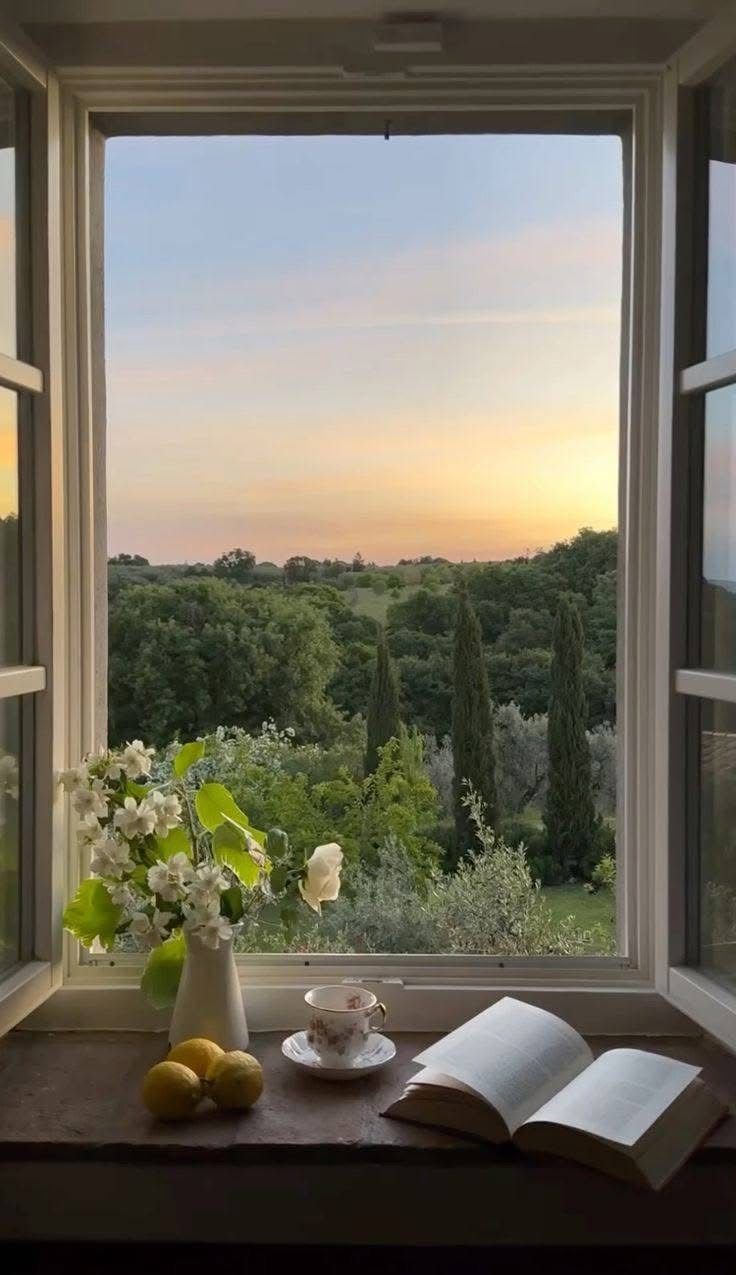
One of the most effective ways to improve the feel of a wellness room is to maximize natural light. Bright, natural daylight helps regulate circadian rhythms and can support a more balanced mood, especially during seasons when you may spend more time indoors.
If you can ensure that the room receives plenty of daylight, it may help promote a sense of calm and focus throughout the day. It is also one of the simplest design choices that makes a room feel more open and inviting, even if the footprint is small.
Ways to bring more natural light into the room
If your space already has windows, make them a feature rather than an afterthought.
Consider:
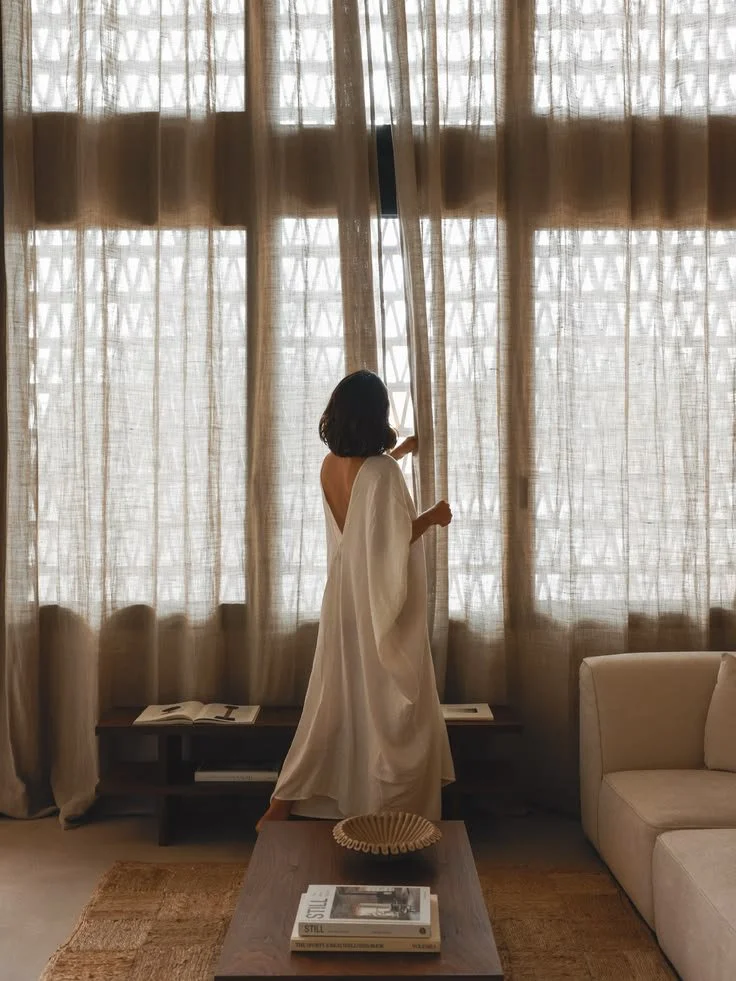
Swapping heavy curtains for light-filtering linens or sheer panels
Hanging curtains higher and wider than the window frame to maximize visible glass
Using mirrors strategically to bounce light deeper into the room
Choosing a lighter rug and wall color to reflect daylight instead of absorbing it
Keeping window ledges clear so you do not block the light path
Choose a calming color palette that supports the light
Color has a powerful effect on mood, and it works best when it complements the natural lighting conditions of the room. Soft, nature-inspired shades typically feel soothing and timeless, making them ideal for a wellness-focused space.
Consider experimenting with:
Blush pinks for warmth without visual intensity
Warm whites to keep the room bright and clean-looking
Sage greens to introduce a grounded, botanical feel
If the room faces north and feels cooler, warmer whites and subtle beige undertones can prevent the space from feeling sterile. If the room gets strong sun, muted greens and soft clay tones can help balance brightness.
No. 2
Create Thoughtful Ambience
Ambience is what transforms an ordinary room into a place you want to return to. It is not about filling shelves with décor; it is about creating sensory cues that signal rest, comfort, and ease.
Even if you have limited space, a few well-chosen elements can make the room feel intentional. Aim for an atmosphere that supports the way you want to feel when you step inside, whether that is calm, energized, reflective, or centered.
Ambience elements that make an immediate difference
Small upgrades can create a noticeable shift in how the room feels:
Scented candles or essential oil diffusers for a gentle sensory anchor
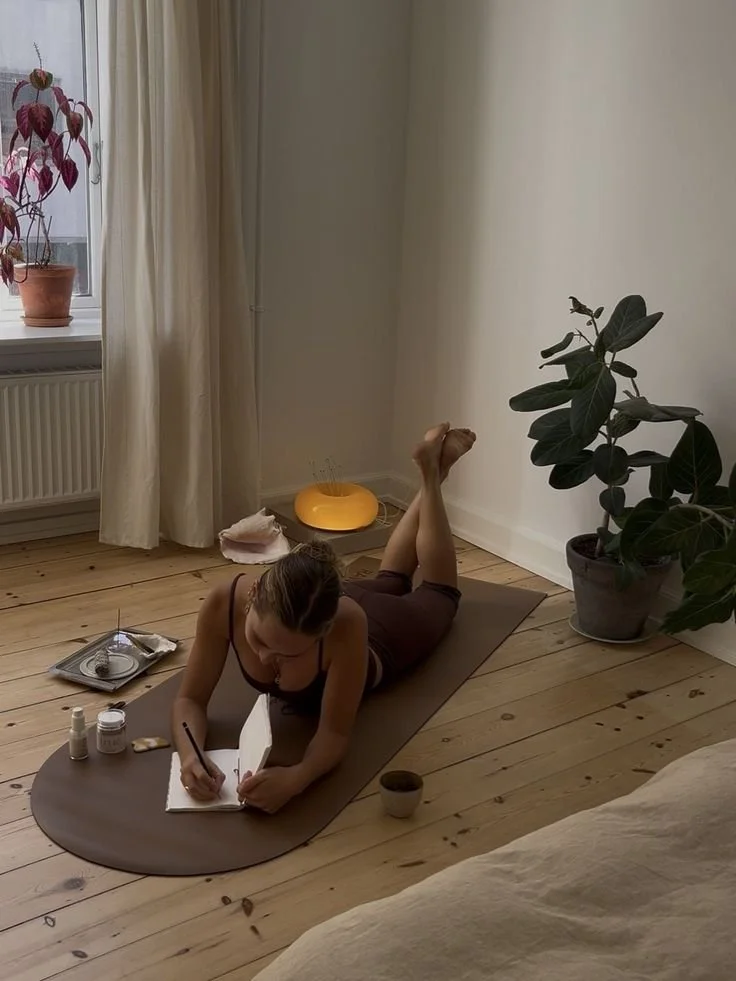
Houseplants to soften the space and help it feel more alive
Himalayan salt lamps for warm, low lighting in the evening
Soft, layered lighting that avoids harsh overhead glare
A textured throw or rug to make the space feel physically cozy
Build a lighting plan for different moods
Wellness rooms work best when you can adjust lighting to match your needs throughout the day. Instead of relying on a single ceiling light, layer your lighting so the space can support multiple routines.
A simple lighting setup might include:
A warm floor lamp for general evening light
A small table lamp for reading
A dimmable bulb or smart bulb for control over brightness and tone
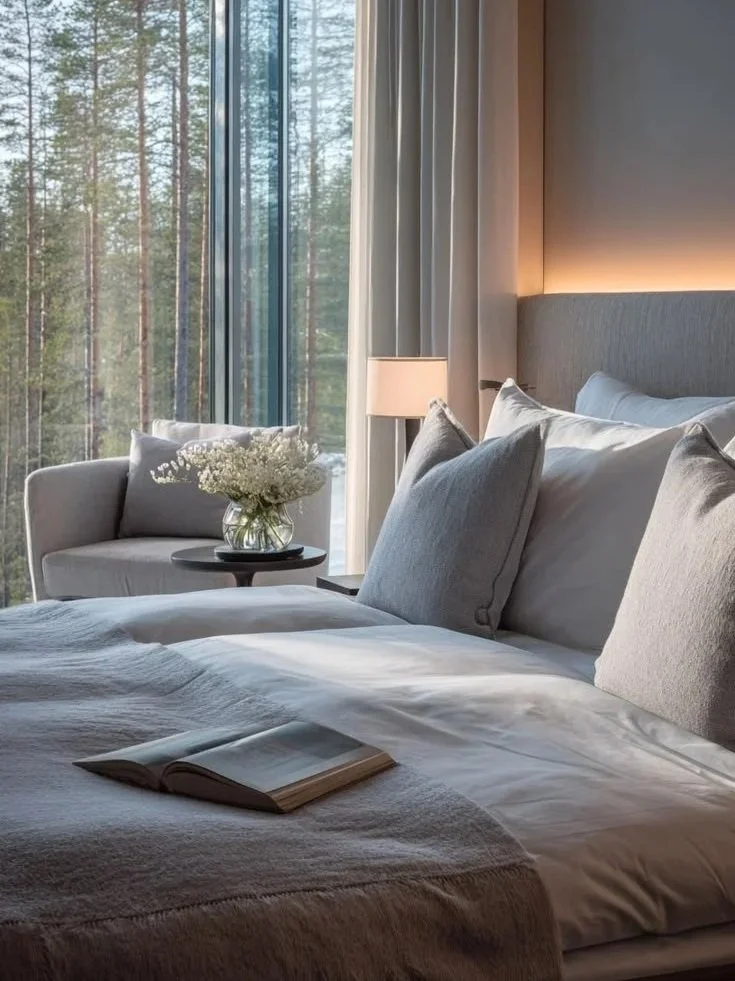
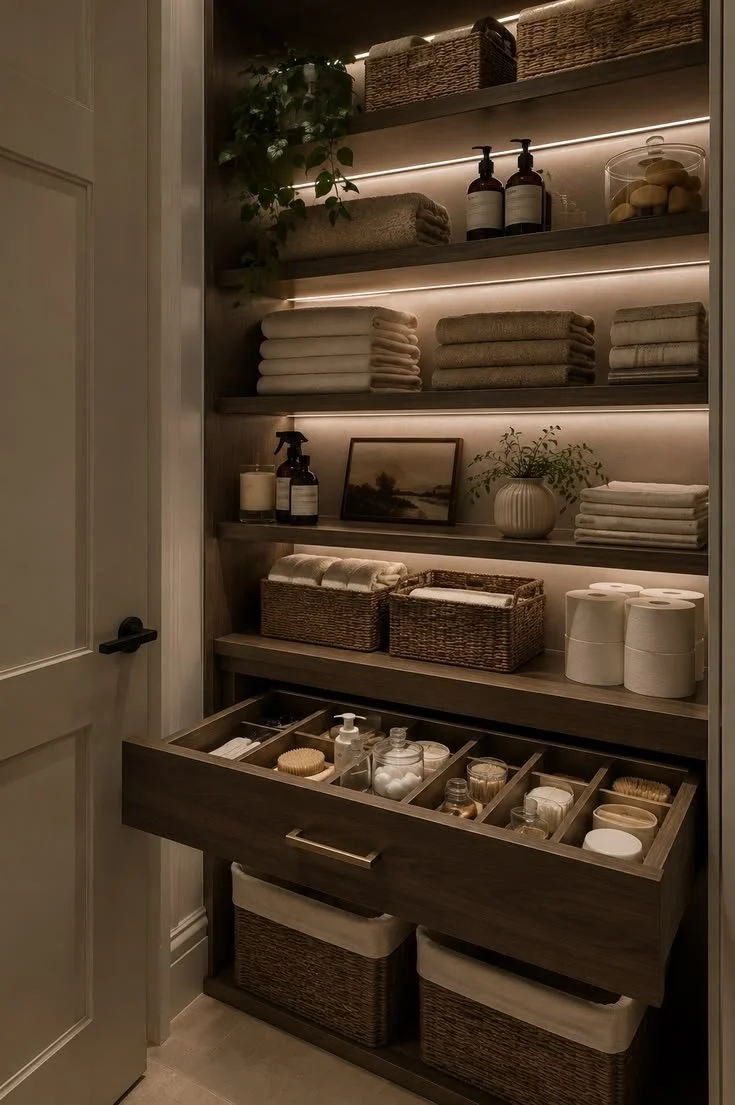
Optional accent lighting, such as LED strips behind shelves or a headboard
Use sound and silence intentionally
Ambience is not only visual. Sound plays a major role in whether a room feels restful.
Depending on your preferences, consider:
A small speaker for ambient playlists or guided meditation sessions
A white noise machine if household sounds disrupt your focus
Soft textiles like curtains and rugs to reduce echo and harsh acoustics
A “quiet rule” for the room, if you share your home with others
No. 3
Choose Furniture with Simplicity and Comfort in Mind
Furniture determines whether your wellness room is actually usable. A room can look serene in photos and still feel uncomfortable in real life if seating is stiff, surfaces are impractical, or the layout interrupts movement.
The goal is to strike a balance between simplicity and support. Choose fewer pieces, but make each one earn its place by serving a real purpose.
Core furniture options to consider
Start by deciding what the room is primarily for. Then choose furniture that supports that purpose:
Prayer: floor cushion, mat, low bench
Stretching: open floor space, storage basket for props
Reading and journaling: comfortable chair, side table, focused lamp
Relaxation: chaise lounge or plush armchair, footrest, throw blanket
Materials that create a natural, grounded feel
Organic textures often make a space feel calmer because they introduce visual softness and a connection to the outdoors. If possible, weave in materials such as:
Linen for curtains, pillow covers, or a relaxed slipcover
Rattan or cane for a chair, basket, or side table
Light or medium wood tones for warmth
Cotton or wool textiles for softness and durability
These materials also tend to age well, which matters in a room you want to keep soothing long-term rather than constantly redesigning.
Layout tips that keep the room from feeling cluttered
A wellness room benefits from breathing space. Even if you enjoy decorative pieces, the layout should maintain a sense of visual calm.
To keep the room functional:
Leave at least one clear “open zone” for stretching or floor work
Avoid blocking pathways with stools, extra chairs, or crowded side tables
Keep the largest piece of furniture against a wall to preserve floor space
Use one or two “anchor” pieces, then build lightly around them
No. 4
Personalize the Room Around Your Routine
A wellness room is not a showroom. It should reflect what genuinely helps you unwind, concentrate, or feel restored. The most effective spaces are built around behavior, not aesthetics.
If your wellness room is primarily for meditation, soft lighting and comfortable seating may matter more than anything else. If it is a reading nook, you will benefit from a chair you can sit in for an hour without shifting around.
Define the purpose of the room in one sentence
Before you buy anything, write a simple statement such as:
This room is where I start my mornings calmly.
This is my space for decompression after work.
This room is for meditation, stretching, and quiet reflection.
This is my screen-free corner for reading and journaling.
A clear purpose prevents the room from becoming a storage area for random items that do not support your wellness habits.
Build a “wellness kit” that stays in the room
To make the space easy to use, keep the essentials nearby.
Depending on your routine, that might include:
A journal and pen in a drawer or basket
A blanket for warmth during relaxation sessions
A small tray for candles, matches, or essential oils
Resistance bands stored neatly in a bin
A timer or clock so you can unplug without checking your phone
No. 5
Keep It Clean, Calm, and Easy to Maintain
Wellness rooms tend to lose their impact when they become visually busy or hard to keep tidy. Maintenance matters because the room should reduce stress, not add another “project” to your week.
The most sustainable approach is to make tidiness effortless through smart storage and simple design rules.
Storage ideas that reduce visual noise
You do not need a lot of storage, but you do need the right kind:
A lidded basket for blankets, mats, or props
A small cabinet to hide clutter while keeping essentials accessible
A tray system for small items like candles or skincare
A wall hook for headphones, a robe, or a light tote of supplies
Simple rules that protect the room’s purpose
If you want the room to stay restorative, establish a few boundaries:
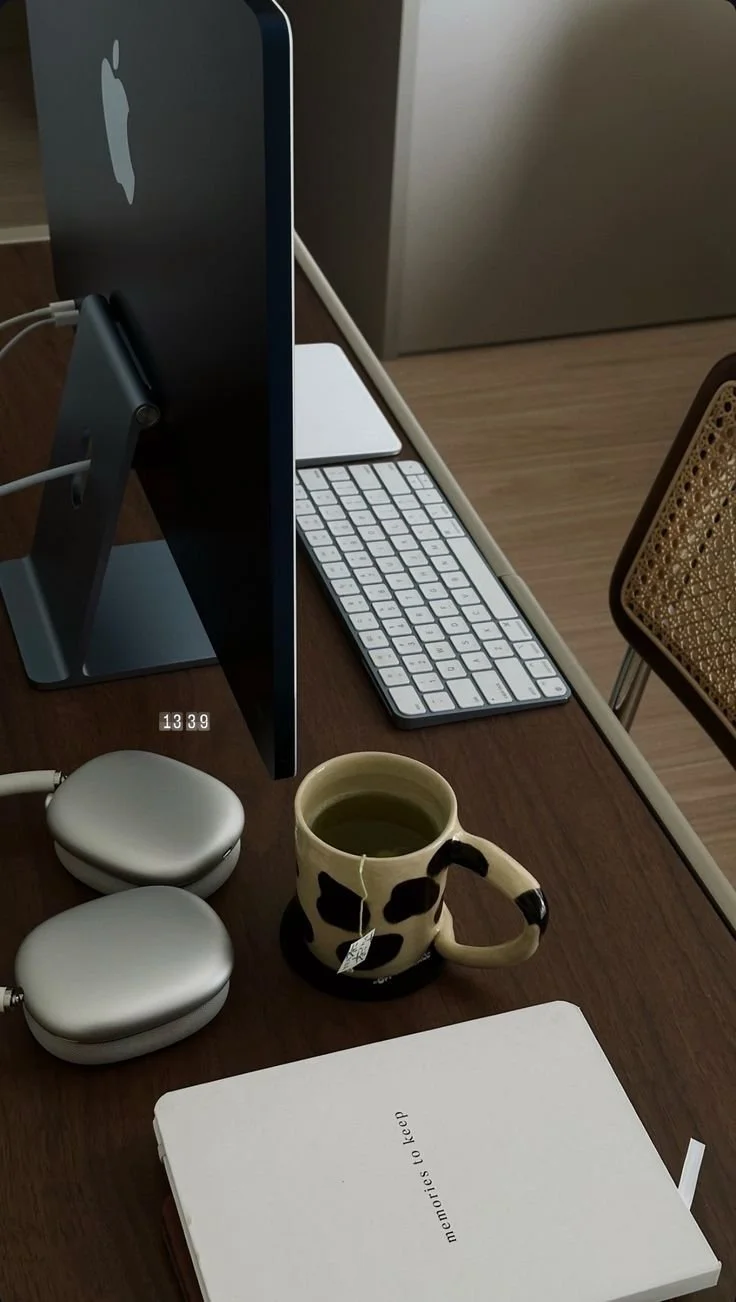
Keep work-related items out, if possible
Avoid charging stations and visible cables
Limit décor to a few pieces you genuinely enjoy
Refresh the room weekly with a quick reset: tidy, wipe surfaces, replace water in vases
These small habits prevent your wellness room from slowly turning into an overflow zone.
Takeaways
A wellness room works best when it begins with the basics: natural light, a calming color palette, and a layout that feels open rather than crowded. When the space feels bright and breathable, it becomes easier to relax and stay present.
Thoughtful ambience comes from sensory details like warm lighting, gentle scent, and soft textures, not from over-decorating. A few intentional choices, supported by practical storage, can make even a small room feel restorative.
Furniture and personalization should reflect your actual routine, whether that is meditation, reading, stretching, or quiet decompression. When the room is designed around how you live, it becomes a consistent, reliable place to recharge.
Looking for wellness resources?
Are you looking to enhance your wellness routine? Explore our wellness partners who offer a wide range of resources to support your journey toward holistic living and well-being.