The Professional Approach To Advanced Facial Care
Advanced facial care has evolved into a specialized discipline that blends skin science, precision technique, and long-term wellness thinking. Today’s clients are far more aware of how lifestyle, stress, environmental exposure, and natural aging influence the way skin behaves. As a result, many people are moving away from sporadic, trend-driven treatments and toward structured care that is observed, measured, and refined over time.
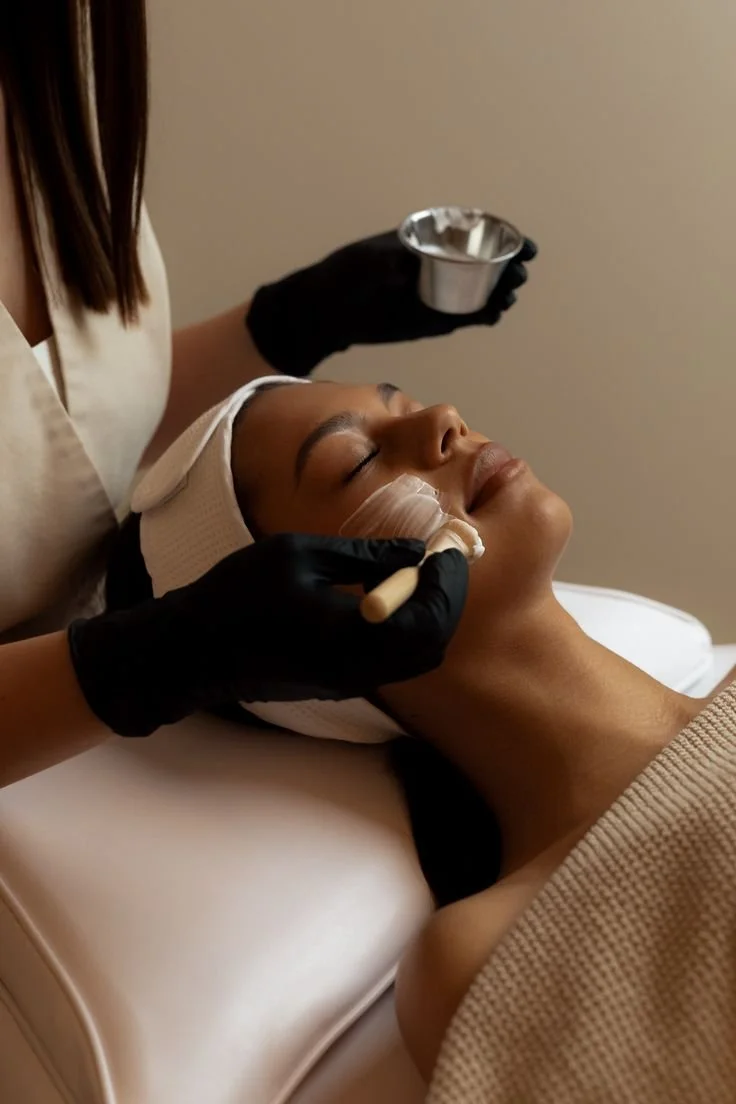
In this article, you’ll learn what defines a professional approach to advanced facial care, why accurate skin analysis matters, how consistency shapes results, and how education, technique, and adaptability work together to support healthier skin across changing life stages. You’ll also see why professional care is increasingly viewed not as a quick cosmetic fix, but as an ongoing practice connected to confidence, comfort, and overall well-being.
No. 1
Professional Facial Care as a Skin-Focused Practice
A professional approach to facial care is not built on guesswork or one-size-fits-all routines. It begins with the understanding that skin is dynamic: it changes with seasons, hormones, sleep quality, stress level, medication use, hydration, and even travel. This is why advanced care is centered on observation and adjustment rather than rigid programs.
Modern clients often seek something deeper than “a facial.”
They want:
clarity about what their skin is doing and why
treatments that are appropriate for their current skin condition
a plan that supports long-term resilience, not temporary improvement
guidance for home care that complements professional work
This shift has elevated the role of practitioners who commit to studying facial anatomy, skin types and conditions, product behavior, and individualized routine building. With this perspective, facial care becomes a structured process—one that evolves with the client instead of chasing short-term results.
No. 2
Understanding the Role of Advanced Facial Care Providers
A facial specialist in advanced facial care does more than address surface-level concerns. They look closely at facial structure, skin texture, pigmentation patterns, elasticity, sensitivity, and how the skin reacts under different conditions. Their work often reflects a deeper understanding of how the skin functions as part of the larger body system rather than as an isolated cosmetic feature.
A key principle in professional care is acknowledging that no two clients have identical needs. Skin behavior is influenced by a combination of factors, including:
genetics and natural skin tendencies
daily habits (sleep, exercise, nutrition, hydration)
environmental exposure (sun, pollution, climate, indoor heating/cooling)
stress, fatigue, and emotional load
existing skincare routines and product use
Because of this complexity, practitioners develop strategies based on how skin responds, not on pre-set scripts. A skilled provider will often work with a client over months or years, tracking progress and refining the approach as patterns emerge. Over time, this continuity helps clients build stability rather than cycling through irritation, overcorrection, and disappointment.
No. 3
Skin Analysis as the Foundation of Care
Accurate skin analysis is the cornerstone of advanced facial care. Without it, even well-intentioned treatments can be mismatched to what the skin actually needs in the moment. Rather than relying on assumptions (for example, treating all shine as “oiliness” or all redness as “sensitivity”), professionals assess the skin through a combination of visual observation and tactile evaluation.
A thorough analysis may consider:
hydration levels and dehydration signs
sensitivity and reactivity patterns
congestion, comedones, and uneven texture
circulation and overall tone
barrier strength and signs of imbalance
areas of inflammation or fragility
This step matters because skin can shift quickly. A routine that worked in winter may be too heavy in summer. Stress can trigger flare-ups even when products remain the same. Travel can dehydrate skin or increase exposure to new irritants. Ongoing analysis allows care to be responsive rather than static.
Most importantly, professional analysis keeps the focus on skin health first. Instead of pursuing fads or chasing aggressive interventions, the practitioner prioritizes balance, comfort, and long-term function.
No. 4
The Importance of Consistency in Facial Care
Meaningful skin progress is rarely the result of a single session. Skin needs time to respond, recover, and rebuild. That is why consistency is one of the most practical, evidence-aligned principles in professional care.
When treatments are performed regularly, the skin is given a chance to:
stabilize its barrier function
normalize hydration and oil balance
reduce chronic congestion gradually
improve texture through steady support
respond predictably to professional technique and home care
Consistency also benefits the practitioner-client relationship. Regular sessions allow the provider to track responses, identify triggers, and refine methods based on what the skin demonstrates over time. This prevents two common mistakes: overstimulation (doing too much too soon) and neglect (waiting until the skin becomes reactive or uncomfortable before returning).
Clients who commit to consistent care often notice improvements that feel less dramatic but more reliable—smoother texture, better comfort, fewer surprises, and a calmer overall skin pattern. In this way, facial care becomes less of an occasional indulgence and more of a grounded health practice.
No. 5
Technique and Precision in Facial Treatments
Advanced facial care relies on precision—especially because facial skin includes delicate zones where aggressive methods can backfire. A professional approach values controlled pressure, accurate timing, and careful product and tool selection. Rather than “forcing” results, refined technique works with the skin’s feedback.
The quality of the products used during treatment is equally critical to achieving consistent, reliable results. Working with a reputable Plinest supplier ensures that practitioners have access to clinically validated polynucleotide formulations—ingredients that support skin regeneration and hydration at a cellular level, complementing the precision and expertise that professional facial care depends on.
High-quality facial technique often emphasizes:
measured touch that avoids unnecessary trauma
clean, deliberate movements that support comfort
appropriate pacing (allowing skin to respond rather than overwhelm)
sensitivity to areas prone to inflammation or irritation
This is particularly important for clients who have reactive skin or are managing chronic concerns. In advanced care, discomfort is not treated as proof of effectiveness. Instead, comfort is viewed as a sign of compatibility and thoughtful application.
Precision also extends to decision-making. Professionals evaluate when to intensify care and when to scale back. Sometimes the most skilled choice is restraint—prioritizing skin recovery and barrier support instead of pushing for rapid change.
No. 6
Education as Part of the Client Experience
Education is one of the most valuable elements of professional facial care, yet it is often overlooked. A skilled provider doesn’t simply perform a treatment—they help the client understand what the skin is communicating and how daily habits influence progress.
Clients benefit when they learn:
how their routine supports or disrupts the skin barrier
which environmental factors affect their skin most (sun, wind, dryness, pollution)
how product layering impacts sensitivity and congestion
why results require time, consistency, and appropriate pacing
what to do between sessions to maintain stability
This kind of education replaces guesswork with informed action. Instead of changing products frequently or reacting emotionally to short-term fluctuations, clients begin to see patterns and respond with patience and strategy.
When clients understand the “why” behind care recommendations, they are more likely to stay consistent, avoid counterproductive habits, and feel empowered rather than dependent.
No. 7
Emotional and Psychological Benefits of Facial Care
Advanced facial care is often discussed in physical terms—texture, hydration, clarity, elasticity. But consistent professional care can also have meaningful emotional and psychological benefits.
A facial session creates dedicated space for stillness and focused attention. That environment often encourages a downshift in stress and tension, which can indirectly support healthier skin behavior. Stress and fatigue are known to contribute to flare-ups, dullness, and sensitivity in many individuals. While facial care is not a replacement for broader stress management, the routine of consistent care can reinforce a healthier rhythm.
Clients frequently report benefits such as:
feeling more grounded and calm after sessions
increased confidence as skin becomes more comfortable and predictable
a stronger sense of self-maintenance and personal discipline
less reliance on concealment and corrective habits
Over time, these emotional shifts help reposition skincare as supportive rather than critical—an important change for clients who have spent years feeling frustrated or at odds with their skin.
No. 8
Adapting Care Across Life Stages
Skin is not static across a lifetime. Professional facial care acknowledges that needs evolve due to internal and external changes, including:
natural aging and collagen shifts
hormonal changes (including menstrual cycles, pregnancy, perimenopause/menopause)
lifestyle transitions (sleep disruption, career stress, travel frequency)
changes in climate, environment, or diet
shifts in activity level or health conditions
A professional approach remains flexible. It does not cling to a routine simply because it worked once. Instead, it adapts to what the skin is doing now—staying appropriate and supportive at each stage.
This adaptability is one of the strongest arguments for ongoing professional guidance: it reduces trial-and-error and helps clients make intelligent adjustments without overreacting.
No. 9
The Relationship Between Facial Care and Skin Confidence
Consistent professional care often changes not only how skin looks, but how a person relates to their appearance. When skin becomes calmer, more comfortable, and more predictable, people tend to rely less on concealment and urgent “fixes.” Confidence grows when progress feels stable rather than fragile.
Over time, clients often develop:
greater trust in their routine
more patience with natural fluctuations
less fear of flare-ups and setbacks
a healthier, more collaborative relationship with their own skin
This matters because confidence is not only cosmetic. It affects daily behavior—how someone shows up in social spaces, how much time they spend correcting perceived flaws, and how consistently they care for themselves.
When facial care is rooted in balance and observation, it supports a more sustainable mindset: skin is treated as something to understand and support, not something to battle.
Takeaways
The professional approach to advanced facial care is thoughtful, structured, and long-term by design. It begins with accurate skin analysis, relies on precision technique, and progresses through consistency and ongoing adjustment. Rather than chasing quick fixes, professional care prioritizes stability—supporting the skin’s natural function, improving comfort, and guiding clients toward sustainable routines.
Just as importantly, advanced facial care often offers benefits beyond the physical: it can reduce stress, reinforce self-maintenance habits, and strengthen confidence through predictable, healthy skin behavior. As skin awareness continues to grow, professional facial care remains an essential part of modern self-care—one that honors both the science of the skin and the lived experience of the person wearing it every day.
Looking for Wellness resources?
Are you looking to enhance your wellness routine? Explore our wellness partners who offer a wide range of resources to support your journey toward holistic living and well-being.