How Everyday Choices Shape Your Mental And Emotional Wellness
Wellness rarely changes overnight. More often, it grows quietly—shaped by the decisions you make each day, the routines you repeat, and the relationships you rely on when life becomes heavy. Small habits can either restore you or drain you. Your environment can either support calm or reinforce stress. And the way you respond to challenges—especially emotional ones—can influence your well-being just as much as what you eat or how often you exercise.

Although many people associate wellness with fitness plans and nutrition goals, emotional health is a central pillar of a healthy life. Stress management, self-awareness, and support systems determine how well you cope, how you connect with others, and how steady you feel when circumstances change. Over time, these factors can either strengthen your foundation or quietly erode it.
In this article, we will explore how everyday habits influence your mental state, why supportive relationships matter for long-term wellness, and when professional help can become the most responsible and effective next step. You will also learn practical ways to build a healthier routine—without relying on perfection or extreme change.
No. 1
The Impact of Daily Habits on Your Mind
Your daily routine is more than a schedule—it is a repeated message to your nervous system about what to expect. When your days are chaotic, overloaded, or inconsistent, your mind often follows that pattern. When your habits include rest, nourishment, and breathing room, your mood and focus tend to stabilize.
Sleep, nourishment, and movement create emotional stability
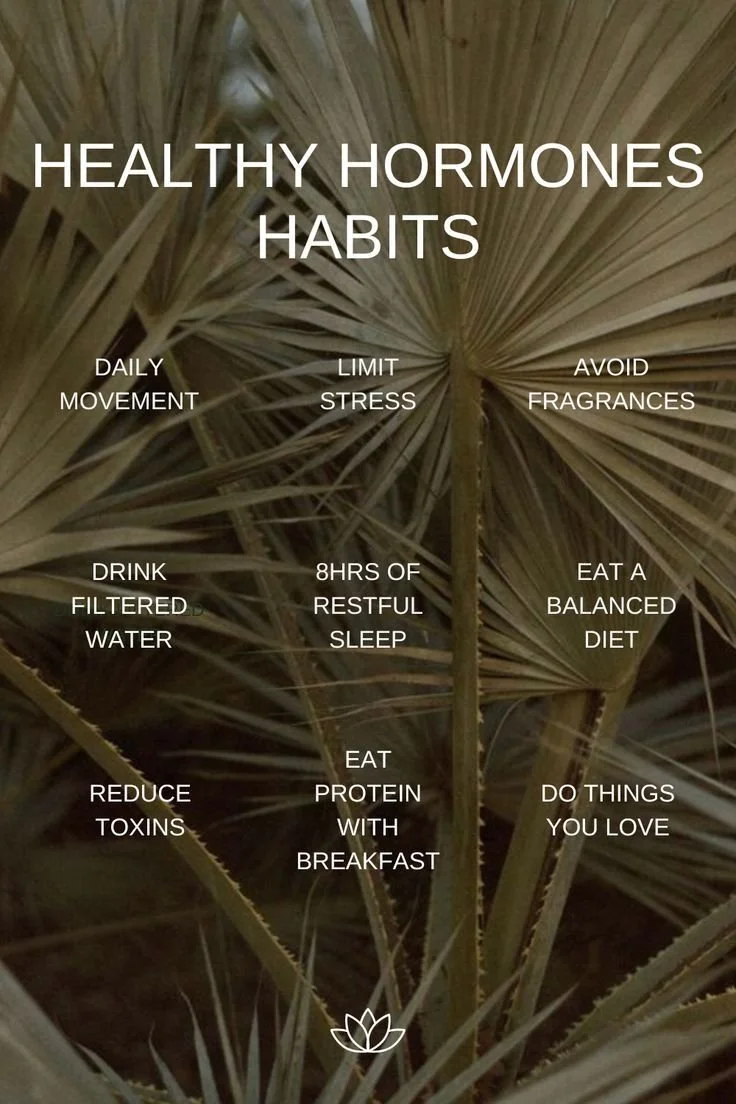
A few foundational habits have an outsized impact on mental wellness:
Consistent sleep helps regulate mood and improves emotional resilience. Poor sleep can increase irritability, anxiety, and sensitivity to stress.
Balanced meals support steady energy and reduce the “crash” that often worsens emotional reactivity.
Hydration affects concentration, fatigue, and even headaches—issues that can amplify stress.
Movement (not necessarily intense workouts) helps your body process stress hormones and improve baseline mood.
When these habits become consistent, they reduce the number of daily “fires” your brain has to put out. You may still face challenges, but you are more likely to respond with clarity instead of overwhelm.
Micro-breaks reduce stress and restore focus
Many people underestimate how much pressure builds during a typical day—especially when it includes constant multitasking, screen exposure, or emotional labor. Taking short, intentional breaks helps your brain reset.
Even five minutes can help if you use it well:
step away from screens and look at a distant point outdoors
stretch your shoulders, hips, and neck
take slow breaths and relax your jaw
drink water and walk for a minute
These small actions interrupt the stress cycle. They also improve focus when you return to work or responsibilities, because your attention is no longer running on fumes.
Mindfulness helps you process emotions instead of storing them
Mindfulness is not about “being calm all the time.” It is about being aware of what you feel and choosing how to respond. When you ignore stress, sadness, or frustration, those emotions rarely disappear—they often accumulate and show up later as burnout, irritability, or feeling emotionally numb.
Gentle mindfulness habits can include:
Journaling to name what you feel and identify patterns
Meditation or breathwork to create mental space
Quiet reflection during a walk or before sleep
Body scanning to notice where tension is stored
These practices may seem small, but they build emotional strength over time. They teach your mind that feelings are signals, not emergencies—and that you can handle them without self-judgment.
No. 2
The Importance of Positive Support Systems
Your environment and relationships influence you more than most people realize. The people around you can normalize healthy choices—or make them harder. They can encourage growth—or keep you trapped in old patterns. And during difficult seasons, support often becomes the deciding factor between coping and collapsing.
Supportive relationships protect your mental health
Wellness-supportive relationships can offer:
encouragement when you feel stuck
perspective when you spiral into worst-case thinking
accountability when motivation disappears
reassurance when life feels uncertain
Friends, family members, mentors, or trusted community members provide a kind of emotional “steadying.” When you have people who listen without dismissing you, it becomes easier to recover from setbacks and stay committed to your personal goals.
Healthy boundaries are part of wellness
A strong support system does not only mean “having people.” It also means creating space where your well-being is respected. That often requires boundaries.
Supportive living choices may include:
limiting time with people who drain or shame you
saying no without over-explaining
protecting your sleep and rest time
choosing relationships that promote mutual respect
asking directly for what you need (help, space, honesty, clarity)
Boundaries are not harsh; they are protective. They reduce chronic stress and help you preserve emotional energy for the people and commitments that truly matter.
Community reinforces your identity and habits
People tend to behave in alignment with the expectations of their environment. If your social circle normalizes constant stress, overworking, unhealthy coping, or emotional avoidance, it becomes difficult to change—even when you want to.
On the other hand, communities that encourage growth make wellness feel normal and achievable. When you are surrounded by people who value self-respect and emotional maturity, you are more likely to make decisions that support your long-term health.
No. 3
Seeking Help When Challenges Become Difficult
Personal habits and supportive relationships can carry you far—but sometimes they are not enough. Certain struggles require professional guidance, structure, and specialized care. Recognizing that is not weakness; it is responsibility.
Mental health conditions, ongoing trauma responses, and substance use issues can affect thinking, behavior, and emotional regulation in ways that cannot be solved through willpower alone. When problems begin to interfere with daily functioning—or when coping strategies become harmful—getting professional help is often the most effective next step.
When it may be time to seek professional support
While every situation is different, professional help can be essential if you notice:
persistent anxiety, depression, or emotional numbness
inability to manage stress without harmful coping mechanisms
escalating substance use or loss of control
relationship breakdown due to emotional instability
work, school, or parenting suffering significantly
isolation, shame, or secrecy growing over time
Many people delay treatment because they believe they should be able to handle it alone. But untreated issues often become more complex. Early support usually leads to better outcomes.
How structured treatment can support recovery and rebuilding
Professional programs provide more than advice—they offer structure, safety, and tools that help people address root causes instead of only symptoms. For individuals facing substance-related challenges, an addiction treatment center can offer a stable environment where recovery becomes the focus.
These programs often include:
individual counseling and evidence-based therapy
group support and peer connection
relapse prevention strategies and coping-skills training
wellness routines that support sleep, nutrition, and emotional regulation
guidance for rebuilding relationships and daily structure
When people receive the right support, they are more capable of forming healthier patterns and maintaining them. Recovery is not only about stopping a harmful behavior; it is about building a life that no longer requires it.
No. 4
Putting It All Together: Small Choices, Strong Foundation
Wellness grows through consistency, not intensity. You do not have to overhaul your entire life in a week. In fact, the most sustainable improvements usually come from small, repeatable choices that you can maintain even when motivation fades.
Here are practical steps that support both emotional and physical well-being:
Pick one stabilizing habit (sleep schedule, morning walk, balanced breakfast) and practice it daily for two weeks.
Reduce emotional clutter by journaling for five minutes each evening.
Create one boundary that protects your energy (a no-work cutoff time, fewer late-night screens, or limiting draining conversations).
Choose one supportive connection to strengthen—someone you can speak to honestly and regularly.
If you feel stuck or overwhelmed, consider professional support sooner rather than later.
These actions may look simple, but they compound. Over time, they reshape how you feel, how you cope, and how you live.
Takeaways
Your well-being is shaped by the decisions you make every single day—often more than by the occasional big effort. Healthy habits support emotional balance by stabilizing sleep, mood, and energy. Supportive relationships provide encouragement, accountability, and perspective when life feels heavy. And when challenges become too complex to manage alone, seeking professional help can be a powerful turning point rather than a last resort.
By focusing on small, realistic steps and surrounding yourself with people and environments that encourage growth, you create a lifestyle that supports both emotional and physical wellness. Over time, these consistent choices become a stronger foundation—one that helps you move through life with more clarity, resilience, and lasting health.
Looking for Wellness resources?
Are you looking to enhance your wellness routine? Explore our wellness partners who offer a wide range of resources to support your journey toward holistic living and well-being.