3 Reasons Hearing Loss Is Becoming More Common
Did you know that hearing loss is on the rise? Some 1.5 billion people have some degree of hearing loss, and that figure is expected to rise in the next couple of decades. Research from the World Health Organization suggests that by 2050, there could be 2.5 billion people with some degree of loss. That same year will see 1 in 10 people, more than 800 million people, living with disability-level hearing loss.

The sharp rise in the number of people living with hearing loss isn’t a coincidence. In this article, we’ll run through some of the key reasons why more people than ever are experiencing reduced hearing capabilities—and what that trend can look like in everyday life.
No. 1
People Are Getting Older
There’s been a concerning rise in the number of Millennials and Gen Zers experiencing hearing loss, but the issue still primarily affects older generations. Presbycusis — the technical term for age-related hearing loss — is common among older people, with around 1 in 3 people aged between 64 and 75 living with hearing loss. That figure jumps to nearly 50% in the over-75 category.
The aging population is, therefore, a big contributor to the increasing number of people living with hearing loss. In the US, the median age rose from 28.1 in 1970 to 39.1 in 2024, and older people (those aged 65+) are expected to outnumber children by the middle of the next decade. In simple terms, more older people equals more cases of hearing loss.
No. 2
People Don’t Know They Have Hearing Loss
Hearing loss is on the rise in part because people are unaware that they have hearing loss — and as a result, continue to do the same things that led to the hearing damage in the first place. It’s for this reason that it can be recommended to book a hearing test with an audiologist even if you don’t have hearing loss. Doing so can establish your “baseline” hearing that can be used as a reference point during subsequent testing.
Scheduling regular hearing tests (once every two years if under forty; every year if over forty) can help to catch hearing loss early, which is key for getting the right treatment and avoiding the side effects of untreated hearing loss, which can include social isolation and cognitive decline.

Nano Hearing Aids
Discover affordable, high-quality hearing aids that bring clarity back into your life.
Shop now and take advantage of exclusive deals!
No. 3
People Aren’t Protecting Their Ears
Age-related hearing loss is mostly natural. Noise-induced hearing loss is not — it occurs when the person suffers damage to their ears following exposure to loud noises. Most people are mindful to protect their ears in obviously loud environments that produce hostile sounds, such as industrial areas, but are less mindful to do so when listening to sounds that they enjoy, such as at concerts. But your ears don’t discern between pleasurable and non-pleasurable sounds; they can experience damage either way.
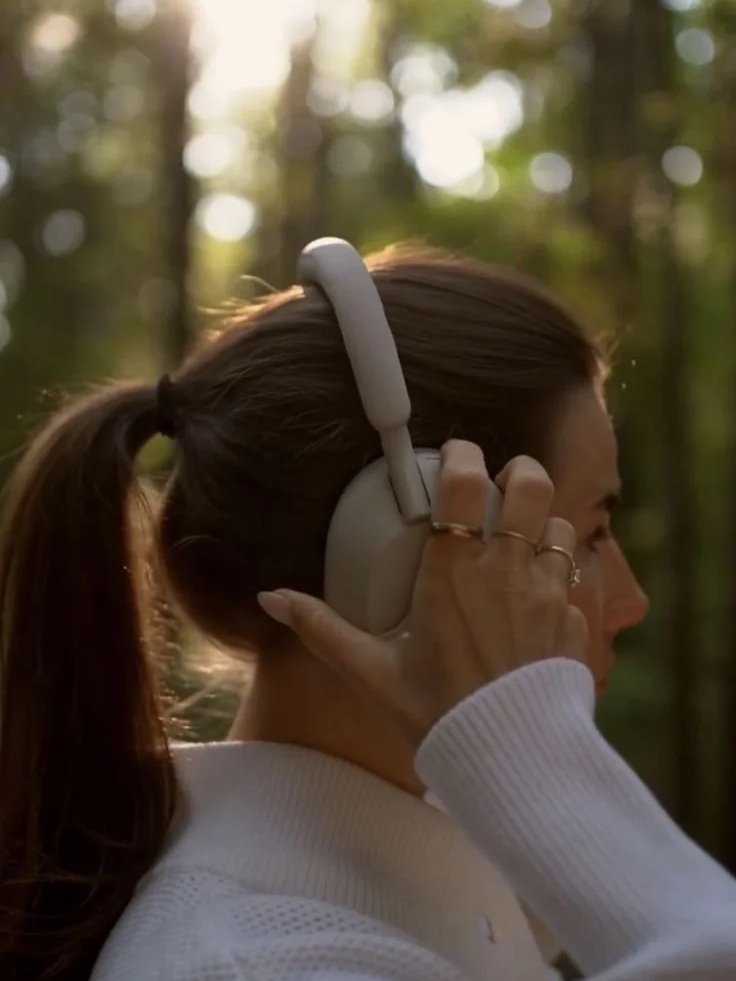
Even listening to music through headphones can damage the ears, causing partial hearing loss, if listened to at loud enough volumes for extended periods. Wearing ear protection when in loud environments, keeping the volume of your headphones down, and giving your ears breaks can all help to keep your ears safe.
Takeaways
Hearing loss is increasing for reasons that are both demographic and behavioural. An aging population naturally brings more cases of age-related hearing loss, but lack of awareness and poor hearing protection practices can also accelerate or worsen damage at any age. The good news is that proactive steps—such as establishing a baseline hearing test, scheduling regular check-ups, and protecting your ears around loud sounds—can make a meaningful difference in preserving hearing over the long term.
Looking for Wellness resources?
Are you looking to enhance your wellness routine? Explore our wellness partners who offer a wide range of resources to support your journey toward holistic living and well-being.

In this article, we will explore how establishing manageable daily habits can profoundly impact your long-term health and happiness.

In this article, we will explore how you can build a sustainable reflective practice to enhance your personal and professional life.
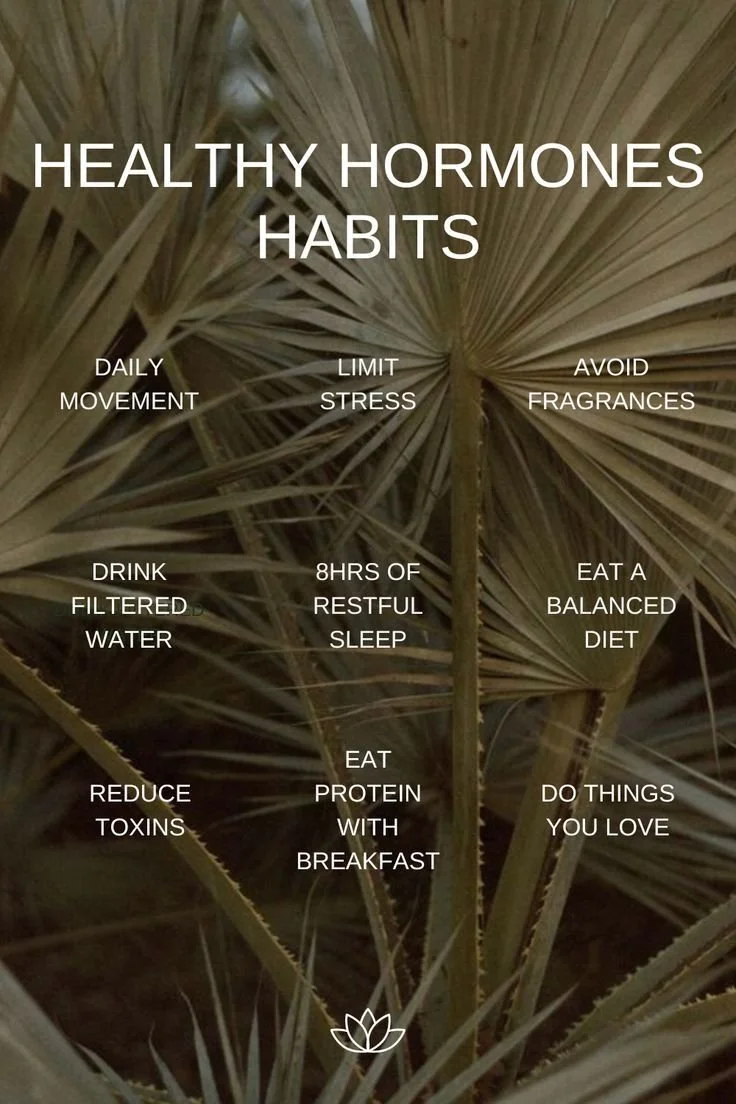
In this article, we will explore how hormone therapy fits into a personalized wellness plan and how you can build a routine that truly suits your needs.

In this article, we will explore why mobility challenges can affect mental and social wellbeing and how to manage these changes.

In this article, we will explore the hidden nature of anal fistulas, the diagnostic mapping required, and the surgical options available to cure them.

In this article, we will explore how integrating mindful oral hygiene practices can transform your overall health and elevate your daily life.

In this article, we will explore how to navigate turbulent waters and rebuild your emotional foundation.

In this article, we will explore a smarter way to stay consistent with fitness by building a routine that genuinely works for your unique lifestyle.

In this article, we will explore practical strategies for managing screen time, understanding device technology, and establishing firm boundaries that protect your mental peace.

In this article, we will explore the essential steps to achieving a holistic recovery that restores your overall well-being.

In this article, we will explore the numerous wellness benefits of visiting a medspa and how these treatments can elevate your daily life.

In this article, we will explore practical strategies for modifying your living space to accommodate a Parkinson’s patient’s evolving physical needs.

In this article, we will explore the top five reasons to consider using at-home health tests to monitor your well-being.

In this article, we will explore how mental health psychiatrists build personalized treatment plans that reflect the whole person, not just a symptom list.
In this article, we will explore the profound impacts of untreated hearing loss on a person's cognitive, social, and emotional well-being.

In this article, we will explore some of the most critical factors you should consider when taking care of your overall health and wellness.

In this article, we will explore what it means to preserve your fertility and what the entire process entails.

In this article, we will explore how to stay accountable to your wellness goals with simple systems that keep you connected to your plan even when motivation dips.

In this article, we will explore how self-reflection can become a practical, repeatable skill that strengthens self-awareness, improves decision-making, and supports long-term personal growth.

In this article, we will explore how cultivating sensory awareness can profoundly enrich your physical and emotional existence.

In this article, we will explore the six essential questions you must ask before committing to plantar fasciitis surgery, covering whether the procedure is truly necessary, which technique fits your sport, what recovery will cost you, and how to keep the problem from returning.

In this article, we will explore how predictable routines, a safer home environment, situational awareness in public spaces, and skill-building habits work together to create real peace of mind.

In this article, we will explore how to build daily rituals that are simple enough to repeat, meaningful enough to matter, and flexible enough to support you through busy seasons without turning into another item on your to-do list.

In this article, we will explore a barrier-safe way to build a routine step by step, which actives can share the same night, which are best separated, and how to customize your approach based on skin type, climate, and sensitivity.

In this article, we will explore what opiate detox means, what withdrawal can feel like in real life, why medical detox can improve safety, and how to plan for early recovery so detox becomes a true starting point instead of a short pause before relapse.

In this article, we will explore how to build practical, flexible systems that reduce stress, strengthen relationships, and create the clarity you need for sustainable personal growth.

In this article, we will explore why many joint preservation strategies fail over time, how synovial fluid supports cartilage health, why timing matters when using supplements, and how joint supplements fit into a broader plan that includes movement, recovery, and load management.

In this article, we will explore why general seniority often fails as a decision shortcut for complex health conditions, how modern sub-specialisation has changed outcomes, what to look for beyond titles, and how to build a practical, evidence-based process for choosing the right clinician.

In this article, we will explore why erectile dysfunction can be an early warning sign of cardiovascular risk, what is happening inside the blood vessels, how age changes the meaning of symptoms, and what a high-quality men’s healthcare clinic should measure before prescribing anything.

In this article, we will explore the most common sports injuries, why they happen, and the practical habits that reduce your risk across running, gym training, court sports, and weekend activities.