Simple Habits That Transform Oral Health: A Guide To A Healthier Smile
Maintaining excellent oral health doesn’t require expensive treatments or complicated routines. In fact, the foundation of a healthy smile lies in the small, consistent habits we practice every day. From brushing techniques to dietary choices, these simple actions can make a significant difference in preventing dental issues and enhancing your overall wellbeing.

In this article, we’ll explore the most effective, easy-to-implement habits that can dramatically improve your oral health. Whether you're looking to prevent cavities, freshen your breath, or simply maintain a radiant smile, these tips are designed to empower you with practical knowledge. And if you're in Southampton and seeking expert dental care, Portland Street Dental is your trusted partner in achieving optimal oral health.
No. 1
Brush Properly – And Twice a Day
Brushing your teeth is the cornerstone of oral hygiene, but doing it correctly is just as important as doing it consistently.
Best Practices for Brushing:
Use a soft-bristled toothbrush to avoid damaging your enamel or gums.
Brush for two full minutes, twice a day—morning and night.
Hold the brush at a 45-degree angle to your gums and use gentle, circular motions.
Don’t forget to brush the tongue and inner surfaces of your teeth to remove bacteria and prevent bad breath.
Using a natural toothpaste helps strengthen enamel and protect against decay. If you're unsure about the best products or techniques, dental professionals can offer personalized guidance during your routine check-up.
No. 2
Floss Daily – No Excuses
Flossing is often neglected, but it’s essential for removing plaque and food particles from areas your toothbrush can’t reach—especially between teeth and under the gumline.
Why Flossing Matters:
Prevents gum disease by eliminating bacteria buildup.
Reduces the risk of tooth decay in hard-to-reach areas.
Helps maintain fresh breath by removing trapped food particles.
If traditional floss feels awkward, consider alternatives like floss picks, interdental brushes, or water flossers. The key is consistency—flossing once a day can significantly improve your oral health over time.
No. 3
Rinse with Mouthwash
Mouthwash isn't just for freshening breath—it can also play a role in reducing plaque, fighting bacteria, and strengthening enamel.
Choose a therapeutic mouthwash with fluoride or antibacterial ingredients. Rinse once or twice daily, preferably after brushing and flossing, to enhance your oral hygiene routine.
Pro Tip: Avoid mouthwashes with high alcohol content, as they can dry out your mouth and disrupt the natural balance of oral bacteria.
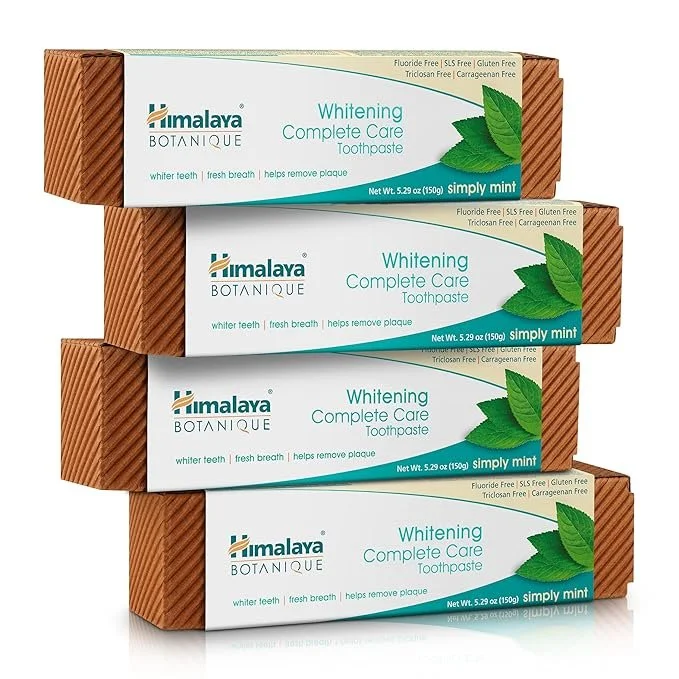
Himalaya
Upgrade your oral care with Himalaya Botanique Whitening Complete Care Toothpaste
Enjoy whiter teeth, fresher breath, and a fluoride-free formula packed with natural ingredients like Neem.
No. 4
Stay Hydrated for Healthy Saliva Flow
Saliva plays a crucial role in maintaining oral health. It helps neutralize acids, wash away food particles, and prevent bacterial overgrowth.
Tips to Stay Hydrated:
Drink plenty of water throughout the day.
Limit caffeinated and sugary drinks, which can contribute to dry mouth.
Chew sugar-free gum to stimulate saliva production after meals.
Dry mouth can lead to tooth decay, bad breath, and gum disease. If you experience persistent dryness, consult a dental professional for tailored solutions.
No. 5
Eat a Tooth-Friendly Diet
What you eat has a direct impact on your oral health. A balanced diet rich in vitamins and minerals supports strong teeth and healthy gums.
Foods That Support Oral Health:
Calcium-rich foods (like dairy, leafy greens, and almonds) strengthen teeth.
Crunchy fruits and vegetables (like apples and carrots) help clean teeth naturally.
Phosphorus-rich foods (like eggs, fish, and lean meats) support enamel health.
Water-rich foods (like cucumbers and celery) aid in saliva production.
Avoid frequent snacking on sugary or acidic foods, as they can erode enamel and feed harmful bacteria. If you indulge in sweets, try to do so with meals and rinse your mouth with water afterward.
No. 6
Don’t Skip Dental Check-Ups
Even with perfect at-home care, professional dental visits are essential. Dentists can detect issues early, provide thorough cleanings, and offer guidance tailored to your needs.
Patients benefit from a wide range of services, including:
Routine check-ups and hygiene appointments
Scale and polish treatments
Preventative care for gum disease and tooth sensitivity
Mouth cancer screenings
Cosmetic and restorative dentistry
Regular visits (typically every six months) help keep your oral health on track and prevent minor issues from becoming major problems.
No. 7
Quit Smoking and Limit Alcohol
Smoking and excessive alcohol consumption are two of the most damaging habits for oral health. They increase the risk of gum disease, tooth loss, and oral cancer.
The Benefits of Quitting Smoking:
Improved gum health and reduced inflammation
Lower risk of oral cancer
Fresher breath and whiter teeth
Better healing after dental procedures
If you're struggling to quit, Portland Street Dental offers smoking cessation support as part of their comprehensive care approach.
No. 8
Protect Your Teeth from Damage
Many people unknowingly damage their teeth through habits like grinding, clenching, or using teeth as tools.
Protective Measures:
Wear a mouthguard during sports or at night if you grind your teeth.
Avoid chewing on ice, pens, or hard candies.
Never use your teeth to open packages or bottles.
If you suspect you grind your teeth or experience jaw pain, dental professionals can assess your bite and recommend solutions like custom night guards.
No. 9
Teach Good Habits Early
Oral health habits start young. Teaching children how to brush, floss, and eat well sets the foundation for a lifetime of healthy smiles.
Many dental practices offer children’s dentistry, making visits fun and educational. Their gentle, friendly approach helps kids feel comfortable and confident about dental care.
Takeaways
Transforming your oral health doesn't require dramatic changes—just a commitment to small, consistent habits. Brushing, flossing, eating well, and visiting your dentist regularly are simple actions that yield powerful results over time.
If you're ready to take your oral health to the next level, explore how a welcoming, patient-focused environment can make you comfortable and help you achieve oral health. Whether you need a routine check-up, cosmetic treatment, or support with dental anxiety, an experienced team is there to help you smile with confidence.
Start today. A healthier, brighter smile is just a few habits away.
Looking for Wellness resources?
Are you looking to enhance your wellness routine? Explore our wellness partners who offer a wide range of resources to support your journey toward holistic living and well-being.