Why Comfort Matters More Than You Think When It Comes To Dentures
Dentures are often associated with later stages of life, and for many, they’re not something to worry about until the need arises. However, understanding the importance of denture comfort is crucial—regardless of age. Whether you're already wearing them or preparing for the future, knowing what makes dentures comfortable (or not) can significantly impact your oral health, daily life, and overall well-being.

In this article, we’ll explore why comfort is not just a luxury but a necessity when it comes to dentures. From the physical consequences of poor fit to the psychological effects and the true definition of “comfortable,” we’ll break down everything you need to know to ensure your dentures support—not hinder—your quality of life.
No. 1
Physical Consequences of Discomfort
Uncomfortable dentures are more than just an annoyance—they can be a red flag that your oral health is at risk. Poorly fitting dentures can cause a cascade of physical issues that worsen over time if not addressed.
Common physical problems caused by ill-fitting dentures:
Sore spots and ulcers: Constant friction and pressure can irritate soft tissues.
Bone resorption: Uneven pressure on the jawbone leads to gradual bone loss.
Infections: Loose dentures create gaps where food particles and bacteria can accumulate.
Jaw strain: Misaligned bites put stress on the jaw joints, leading to headaches and facial pain.
To prevent these issues, it’s essential to ensure your dentures are properly fitted and regularly maintained. Using the right denture reline material and scheduling routine checkups can help preserve both comfort and oral health.
Bone resorption, once it begins, can accelerate the cycle of poor fit and further bone loss—making early intervention critical.
No. 2
Functional and Daily Living Impact
Dentures are designed to restore the normal function of natural teeth—but when they’re uncomfortable, they can do the opposite. Everyday activities like eating and speaking become challenging, which can affect your health and confidence.
How discomfort affects daily life:
Eating difficulties: Loose dentures may slide while chewing, causing discomfort and leading wearers to avoid hard or nutritious foods—often resulting in nutritional deficiencies.
Speech problems: Ill-fitting dentures can cause slurred or mumbled speech, making communication frustrating.
Persistent irritation: Constant awareness of discomfort can make it hard to focus or relax, turning something as simple as wearing dentures into a daily struggle.
A comfortable denture fit allows you to eat confidently, speak clearly, and forget you’re even wearing them—which is exactly how it should be.
No. 3
Psychological and Social Well-Being
The impact of dentures goes beyond the physical. When they don’t fit properly, the emotional and social toll can be just as significant.
Emotional effects of poor denture fit:
Loss of confidence: People may avoid smiling, laughing, or engaging socially due to fear of dentures slipping or discomfort.
Premature aging: Ill-fitting dentures fail to support facial muscles, leading to a sunken appearance that can make individuals look older than they are.
Social withdrawal: Embarrassment or anxiety about appearance or speech can lead to isolation and even depression.
A secure, comfortable fit doesn’t just improve your smile—it restores your confidence and encourages a more active, social lifestyle.
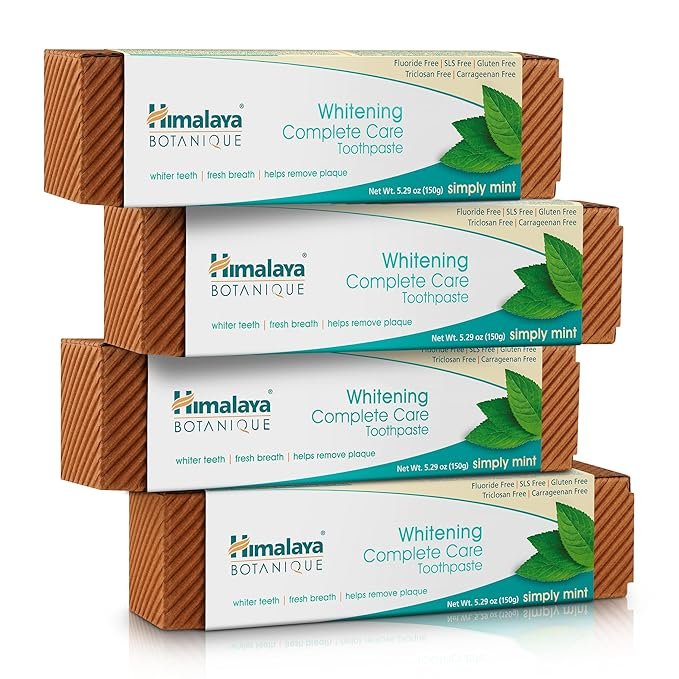
Himalaya
Upgrade your oral care with Himalaya Botanique Whitening Complete Care Toothpaste
Enjoy whiter teeth, fresher breath, and a fluoride-free formula packed with natural ingredients like Neem.
No. 4
What ‘Comfortable’ Actually Means
So, what does true denture comfort look and feel like? It’s more than just the absence of pain—it’s about seamless integration into your daily life.
Key elements of comfortable dentures:
Secure fit: Dentures should stay in place naturally, using suction rather than relying heavily on adhesives.
Even pressure distribution: This prevents sore spots and ensures the denture rests evenly across the gum ridge.
Minimal maintenance discomfort: Regular relining and adjustments help maintain a snug, pain-free fit over time.
Dentures typically need to be replaced or relined every 5 to 10 years, depending on changes in your mouth and jaw structure. Staying proactive with dental visits ensures your dentures continue to serve you well.
Takeaways: Comfort Is the Foundation of Successful Denture Use
Dentures are more than a cosmetic solution—they’re a vital part of your health, nutrition, and self-esteem. When they’re uncomfortable, the consequences ripple through every aspect of your life, from physical pain to emotional strain.
In this article, we’ve highlighted the critical reasons why denture comfort matters:
Physical health: Preventing ulcers, infections, and bone loss
Functionality: Enabling proper eating and speaking
Mental well-being: Supporting confidence and social engagement
Long-term success: Maintaining fit through relining and replacement
Comfort isn’t optional—it’s essential. And with the right care, materials, and professional guidance, your dentures can be a source of strength, not stress.
If you’re experiencing discomfort or haven’t had your dentures evaluated in a while, now is the time to take action. Your smile, your health, and your happiness depend on it.
Looking for Wellness resources?
Are you looking to enhance your wellness routine? Explore our wellness partners who offer a wide range of resources to support your journey toward holistic living and well-being.