The Mind-Body Connection In Pain Relief: What Science Now Understands
Living with chronic pain extends beyond discomfort when you move. It can also take a toll on your mental health. In recent years, scientists have discovered the body's complexities that pain impacts, including sensations, emotions, and the mind. Chronic pain, something that affects a quarter of the U.S. population, can even change your brain.

Science now offers a clearer understanding of pain, and how a pain management specialist will approach it. In this article, we explore the beauty of neuroplasticity, the malleability of your brain and its ability to rewire itself, and how a whole-body treatment plan can lead to lasting pain relief.
No. 1
Pain is Not Just in the Body
Chronic pain is a whole-person condition. Nerve damage or injured tissue is often the cause, but sometimes doctors are unable to diagnose chronic pain, making it complex to treat. The intricate nature of chronic conditions has led scientists to deepen their study of pain. Researchers found that thoughts, emotions, personality, and social context also have a role to play. Scientists call this centralized pain.
Centralized pain does not solely come from ongoing injury or damage in the body. Instead, it largely comes from how the brain and nervous system are processing pain signals. In other words, external influences can amplify our pain threshold.
No. 2
Stress and Emotional Load Directly Shape Pain Signals
Your pain shows up more when stressed, anxious, or overwhelmed, especially when you feel you carry multiple roles and expectations. Emotional loads help explain why pain can persist even after the body has healed, and why two people can experience the same condition very differently.
Pain is a signal. The signal is often one pointing to self-care and mental well-being, making painkillers inadequate. Instead of treating pain with medication, you may need to teach your brain to unlearn pain.
No. 3
The Brain Learns and Can Unlearn Pain
Your brain pathways adapt through neuroplasticity, based on experiences. Chronic stress, injury, or trauma can train the nervous system to stay in a heightened pain state. Thankfully, the same pattern-learning behavior of your brain that can cause chronic pain is good news when it comes to managing it. Neuroplasticity means you can course-correct.
With a comprehensive treatment plan, your brain can relearn how to live pain-free again. It just needs some help to get there. Your brain can form new pathways that soften pain responses over time. Finding relief is a process that focuses on the right combination of treatments, working together over several therapies to support healing.
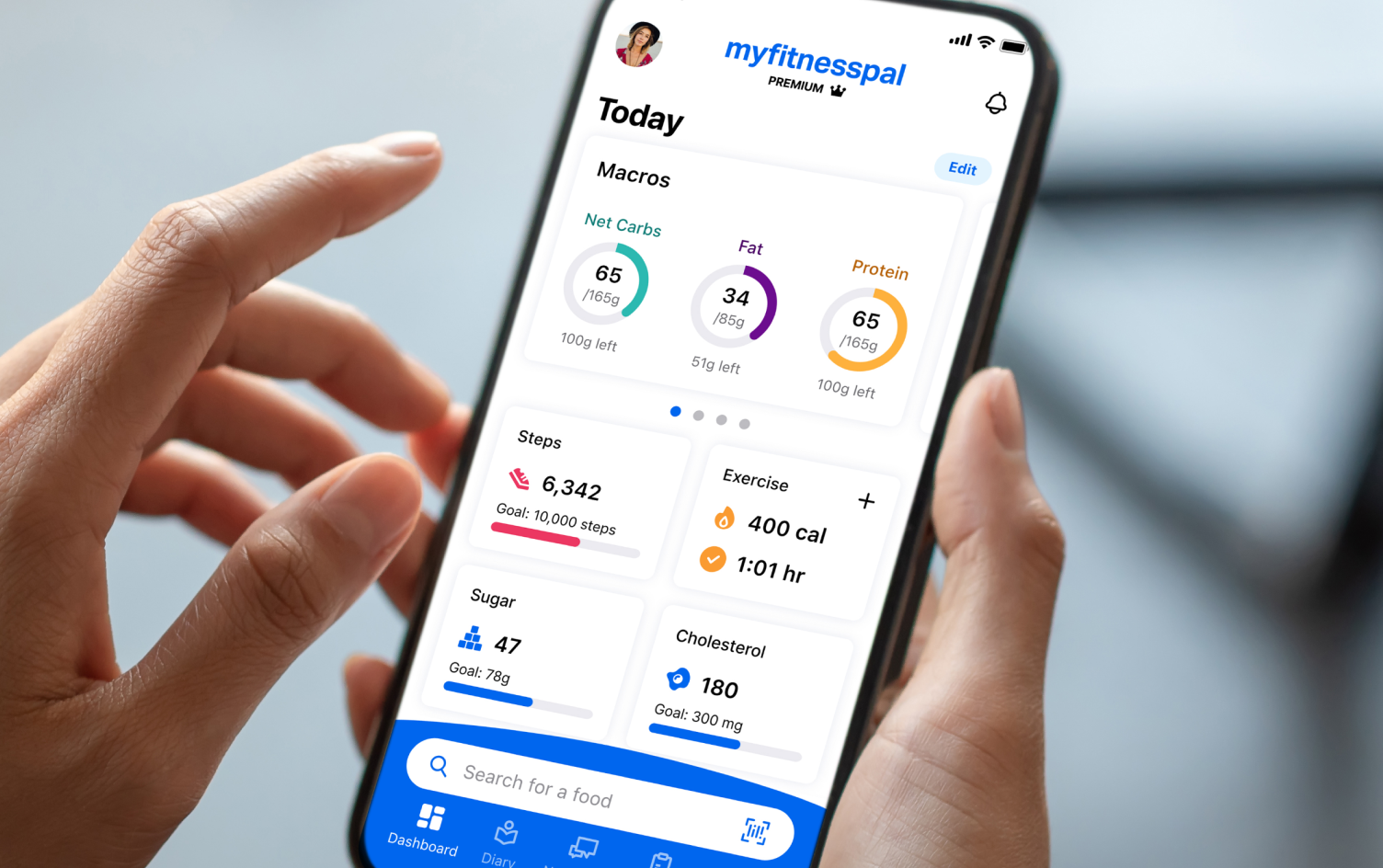
MyFitnessPal
Your health journey starts here!
Track your meals, workouts, and progress with MyFitnessPal.
No. 4
Healing Happens When We Address the Whole Person
Pain management experts have found that effective pain care blends physical treatment with nervous-system regulation. Treating the body alone is often not enough.
Pain management specialist serving Broken Arrow may combine for your healing journey:
Safe use of prescription medications
Behavioral therapies to manage stress
Physical therapy to improve strength and mobility
Gradual, guided exercise programs
Complementary therapies such as acupuncture, yoga, massage, and meditation
Lifestyle changes involving diet, weight management, and sleep practices
Non-invasive medical injections to support recovery and pain relief
Alternative therapies, non-surgical treatments, mental health practices, and lifestyle adjustments can therefore soften and repair your chronic pain response. Instead of surgery, pain doctors build a caring treatment plan that encompasses safe and holistic methods.
No. 5
Validation From Others Can Change the Healing Path
Feeling safe, heard, and supported is easier when you know you are validated in your chronic pain experience. Meaningful support can have lasting benefits for your ongoing care. Counselling or psychological support can also make it simpler to process complex emotions associated with your chronic or acute pain.
Studies have found that patients who feel validated experience improved health outcomes in chronic pain care. A proactive way to address your pain is to find a healthcare professional with a caring, patient-centric approach. You should feel heard, with treatments aligning with your values and preferences. Small, compassionate changes create real impact.
No. 6
Knowing Pain Can Shape Your Recovery
Your enemy is your greatest teacher. Patient education and health literacy can improve quality of life and function, and understanding the body-mind connection in pain eases anxiety and catastrophizing. Patients who learn about their pain worry less about their symptoms, and often report lighter moods, more energy, reduced pain, and overall health confidence.
Takeaways
Your pain does not have to last. You can rewire your pain with education, gradual lifestyle changes, a proactive treatment plan, and support. Start by making small adjustments that make life easier and more stress-free. Next, if your pain persists or is deeply integrated into your life, contact a pain management specialist who can create a personalized treatment plan to address your discomfort.
You can take the lead on your pain. It is amazing to know that you can rewire your brain, adopt healthy habits, and connect with professionals who will validate your experience. This proactive approach could see you living a pain-free life sooner than you think.
Everyone reacts differently to pain management. Consult a pain specialist near you if you need extra support.
Looking for Wellness resources?
Are you looking to enhance your wellness routine? Explore our wellness partners who offer a wide range of resources to support your journey toward holistic living and well-being.