Top Signs You Need A Mold Inspection Before It Becomes A Health Issue
Mold is a silent intruder that can thrive unnoticed in homes and workplaces, often hiding behind walls, beneath flooring, or in damp corners. While it may seem harmless at first glance, undetected mold can lead to serious health complications and costly structural damage. The key to avoiding these consequences lies in early detection and proactive action.

In this article, we’ll explore the top warning signs that indicate the need for a professional mold inspection—before it turns into a major health or property issue. From visible stains to unexplained health symptoms, we’ll guide you through the subtle (and not-so-subtle) clues that mold may be lurking in your space.
No. 1
Visible Stains and Discoloration
One of the most obvious signs of mold growth is the appearance of stains or discoloration on walls, ceilings, or floors. These patches may be black, green, brown, or even white, and they often indicate mold colonies thriving beneath the surface.
What to Watch For:
Peeling paint or bubbling wallpaper
Small spots that gradually expand
Discoloration in corners, near windows, or behind furniture
Even if the stain appears minor, it could be the tip of the iceberg. A professional mold inspection can determine the extent of the problem and whether remediation is necessary.
No. 2
Persistent Musty Odors
A musty or earthy smell that lingers—especially in areas like basements, bathrooms, or kitchens—is a strong indicator of hidden mold. These odors often persist even after cleaning and ventilation efforts.
Key Indicators:
Odor intensifies after rain or high humidity
Smell is concentrated in specific areas
Air fresheners or cleaning products fail to eliminate it
If the scent remains despite your best efforts, it’s time to consult a professional. If these indicators persist, hiring the best mold inspection in Huntsville, AL, will help locate the source and recommend a course of action to restore air quality.
No. 3
Unexplained Health Symptoms
Mold exposure can trigger a range of health issues, particularly in sensitive individuals such as children, the elderly, or those with allergies or asthma.
Common Symptoms:
Sneezing, coughing, or congestion that worsens indoors
Headaches or fatigue with no clear cause
Skin irritation or eye discomfort
Respiratory issues that improve when leaving the space
If you or your family members experience these symptoms regularly at home or work, mold could be the culprit. Don’t ignore these signs—early detection can prevent long-term health complications.
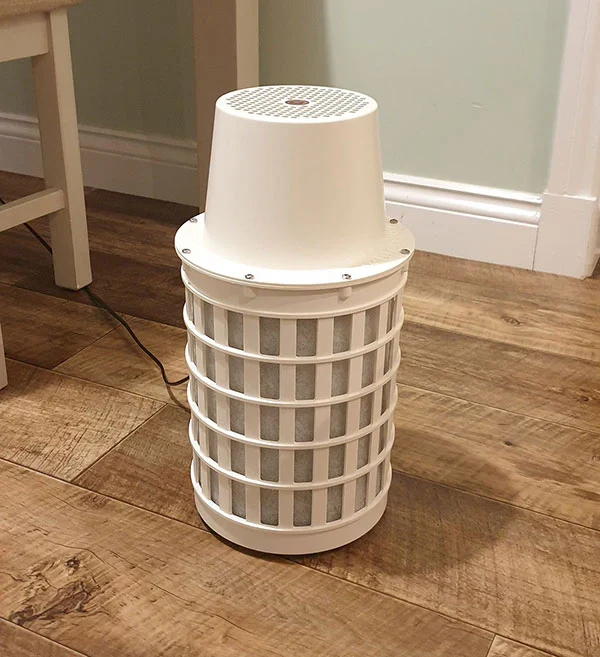
Smell Away
Say goodbye to stubborn odors with the Smell Away® Odor Neutralizing Machine! Perfect for homes, it eliminates pet smells, cooking odors, dampness, and more—leaving your space fresh and inviting.
Shop now for cleaner, healthier air!
No. 4
Recent Water Damage
Floods, leaks, or plumbing issues can leave behind excess moisture, even after repairs are made. Mold thrives in damp environments and can begin growing within 24 to 48 hours of water exposure.
Warning Signs After Water Damage:
Stains or discoloration on walls or ceilings
Warped or soft flooring
Musty smells in previously flooded areas
If your property has recently experienced water intrusion, a mold inspection is a wise precaution. It can uncover hidden growth and help you address the issue before it spreads.
No. 5
Peeling or Warped Surfaces
Moisture trapped behind walls or under flooring can cause materials to swell, warp, or peel—signs that mold may be developing beneath the surface.
Structural Changes to Look For:
Warped drywall or baseboards
Soft or spongy flooring
Bubbling paint or wallpaper
These changes often indicate that water is trapped where it shouldn’t be. A mold inspection can determine whether fungal growth is present and help you avoid costly repairs down the line.
No. 6
Condensation on Windows or Walls
Frequent condensation on windows, walls, or pipes is a sign of high indoor humidity—an ideal condition for mold growth.
Areas Prone to Condensation:
Bathrooms and kitchens
Laundry rooms
Around HVAC systems or poorly insulated windows
If you notice recurring condensation, especially during colder months or after showers, it’s time to monitor humidity levels and consider a mold inspection to prevent future problems.
No. 7
Past Mold Problems
If your home or office has had mold issues in the past, it’s at a higher risk for recurrence—especially if the underlying moisture problem wasn’t fully resolved.
Why Mold Can Return:
Dormant spores can reactivate with moisture
Incomplete remediation may leave hidden colonies
Poor ventilation or persistent leaks
Regular mold inspections are essential for maintaining a healthy indoor environment and ensuring that previous infestations don’t return.
No. 8
Buying or Selling Property
Whether you're purchasing a new home or preparing to sell, a mold inspection is a crucial part of the property assessment process.
Benefits for Buyers and Sellers:
Buyers gain peace of mind knowing the property is mold-free
Sellers can avoid future disputes or price negotiations
Ensures transparency and protects both parties
A clean mold report can enhance a property’s value and marketability, making it a smart move for anyone involved in a real estate transaction.
No. 9
Unusual Pet Behavior
Pets often react to environmental changes before humans do. If your dog or cat seems to avoid certain rooms, sneezes frequently, or exhibits signs of discomfort, mold could be affecting them.
Signs in Pets:
Sneezing or coughing
Avoidance of specific areas
Lethargy or unusual behavior
Paying attention to your pet’s behavior, especially when paired with other warning signs, can lead to early mold detection and faster intervention.
Takeaways
Mold doesn’t always announce itself with dramatic signs—but it leaves subtle clues. From musty odors and peeling paint to unexplained health symptoms and condensation, these indicators should never be ignored.
In this article, we’ve outlined the top signs that suggest it’s time to schedule a professional mold inspection in Huntsville, AL. Whether you’ve experienced recent water damage, are noticing persistent smells, or are preparing to buy or sell a property, early detection is your best defense.
Don’t wait for mold to compromise your health or your home’s structure. Be proactive, stay informed, and schedule a professional inspection at the first sign of trouble. Your health, your property, and your peace of mind are worth it.
Looking for Home resources?
Looking to enhance your living space and create a sanctuary that supports your well-being? Explore our home partners who offer a wide range of resources to elevate your home environment.