Structured Healing: Why You Can’t Always “DIY” Your Recovery
There’s a quiet resilience in trying to figure things out on your own. You read all the right books. You take long walks with your favorite podcast playing. You promise yourself that this time will be different. That you’ll just decide to feel better—and somehow, you will.

In a world that praises independence, healing on your own can feel like the most dignified, noble path. But what if that same independence that fuels your strength is also delaying your transformation?
In this article, we explore why healing doesn’t have to be—and often shouldn’t be—a solo journey. We’ll uncover the myths of self-sufficiency in recovery, highlight the gaps that willpower alone can’t fill, and explain why choosing structured support isn't weakness—it’s wisdom. If you’ve ever felt like you were “doing all the right things” and still struggling, this guide is for you.
No. 1
The Quiet Pressure to Heal Alone
There’s a certain kind of pride in tackling healing by yourself. No one sees the late-night reflection, the hopeful journal entries, or the internal pep talks. And in many ways, your efforts are meaningful. But healing is not a weekend project. It’s not a kitchen you renovate after watching enough tutorials.
Recovery isn’t just about:
Reading the right book
Following a mindfulness app
Fixing yourself in private
Some parts of recovery demand more. They require structure, expertise, and the kind of compassionate support you simply can’t give yourself in isolation. Because sometimes the most life-changing shift is admitting you don’t have to carry it all alone.
No. 2
The Myth of Self-Sufficiency in Healing
We love clean, cinematic comeback stories. Rock bottom, epiphany, transformation—roll credits. That narrative has shaped how many of us think recovery “should” look.
But real healing is rarely linear, clean, or solitary.
It involves:
Unraveling ingrained emotional patterns
Confronting trauma or grief buried over time
Navigating relationships changed by your transformation
Facing relapse, resistance, or emotional fatigue
Doing it all alone can feel empowering at first. But over time, it becomes exhausting… and isolating. And in recovery, isolation isn’t neutral—it's a risk factor.
Support isn’t an add-on. It’s a cornerstone.
No. 3
Recovery Is Not Just Stopping; It Is Relearning
There’s a misconception that recovery means quitting something—alcohol, substances, certain behaviors. But at its core, recovery isn’t just the removal of a negative habit. It’s the process of relearning how to live.
For many, those unhealthy patterns started as survival tools. They weren’t random; they were adaptive—until they weren’t. Take away the habit, and you’re often left with the raw pain it was masking.
That space needs to be filled with something stronger than silence.
Structured support offers tools for:
Emotional regulation
Building new, healthy routines
Replacing numbing with healthy coping mechanisms
Establishing accountability and safety
Navigating identity shifts
You’re not just quitting something. You're learning how to be whole without it.
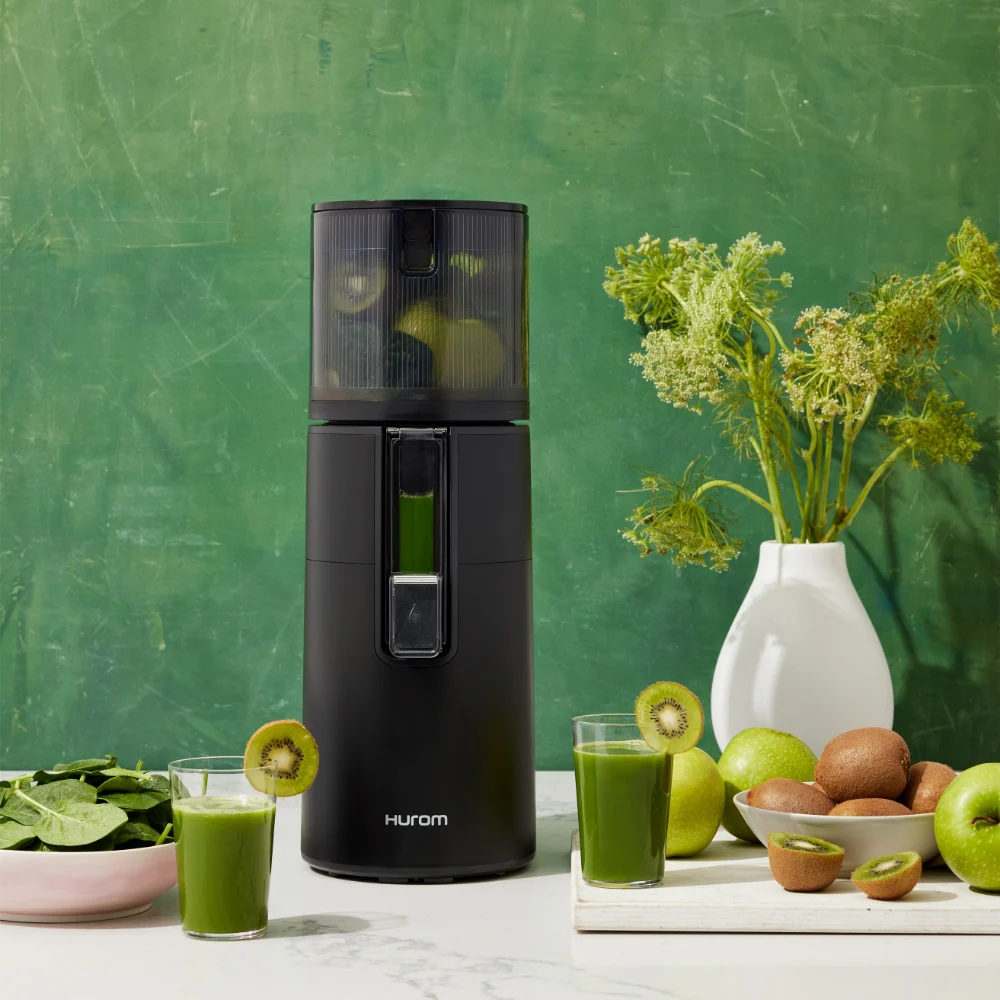
Hurom
Experience the power of slow juicing with Hurom – fresh, nutritious, and full of flavor!
No. 4
Why Willpower Alone Will Eventually Fail You
Motivation might fuel the start of recovery—but it can’t carry you to the finish line.
Some mornings feel hopeful. Others, fragile. Triggers appear unexpectedly. Old wounds reopen. Life doesn’t pause for your healing.
Willpower is a variable energy source—and healing requires more than fuel that flickers.
Structured programs are built to hold you when your strength falters. They offer more than discipline; they offer systems. Systems that are designed to guide—not based on temporary motivation, but long-term strategy.
This is why so many people benefit from programs for addiction, not because they are weak, but because recovery requires more than a private promise. It requires a plan.
It’s not about weakness. It’s about sustainability.
No. 5
Healing Needs Mirrors, Not Just Solitude
In isolation, your mind becomes both narrator and editor. It can minimize your progress, exaggerate your failures, or tell you stories that aren't true.
Recovery thrives on perspective. And perspective comes from mirrors—safe people and trained professionals who reflect back what’s really happening.
With support, you realize:
You're not the only one navigating this path
Your struggles don’t make you broken
Said out loud in a group, what felt unbearable becomes manageable.
Isolation amplifies shame. Reflection breeds clarity.
No. 6
The Nervous System Doesn’t Heal Through Logic Alone
You can learn everything there is to know about trauma, anxiety, or addiction and still struggle to change. That’s not failure. That’s biology.
Your nervous system remembers what your mind tries to forget.
Healing often requires somatic practices—tools that help regulate the body’s stress responses, not just reframe the mind.
Structured recovery offers physical and emotional recalibration:
Grounding and breathwork
Trauma-informed therapy
Somatic and sensory-based treatments
Predictable routines to rewire safety responses
Safe containers for emotional processing
You can’t white-knuckle your way into peace. Healing isn’t logical—it’s embodied.
No. 7
Accountability Is Not Control—It’s Compassion
Many hesitate to enter recovery programs for fear of shame or constraint. But true accountability isn’t control—it’s care.
It's someone noticing when you’re struggling. It’s someone gently calling you back when you avoid yourself. It’s someone reminding you what your healing looks like when you forget.
Accountability says: You don’t have to navigate this alone. I’m with you. We’ll face it together.
That’s not pressure. That’s partnership.
No. 8
You Can’t Google Your Way Through Recovery
We live in an age of unlimited information. You can spend hours online consuming advice. But knowing isn’t the same as healing.
Recovery is layered. Complex. Personal. It often intersects with trauma, mental health, family dynamics, and ingrained thought patterns. These aren’t issues you can solve through DIY blog posts and borrowed checklists.
Professional guidance offers:
Clinical insight into your mental health
Identification of trauma-based behaviors
Personalized relapse prevention strategies
Unbiased, compassionate input
Long-term tools based on evidence—not trend
Choosing help isn’t outsourcing your healing. It’s streamlining it with skill.
No. 9
Choosing Structure Is Choosing Yourself
It takes courage to say, “I need support.” It’s one of the most powerful declarations of self-worth.
Structured recovery doesn’t mean you can’t heal alone—it means you don’t have to.
It says:
Your life is worth investing in
You deserve care, not just responsibility
Your struggle isn’t proof of weakness—it’s a call for connection
Healing doesn’t make you less independent. It makes you more grounded, more present, and more alive.
Takeaways: Let Healing Be Held
In this article, we’ve explored the myth of self-reliance in recovery, the limitations of willpower, and the transformative power of structured support. If you're trying to heal quietly, know this: you don’t have to carry the weight by yourself.
There is no shame in needing help. There is no weakness in being held. Recovery is not a solo mission—it’s a supported journey.
And sometimes, the bravest thing you’ll ever do is stop “doing it all yourself”… and start letting yourself be truly supported.
Because healing isn’t about fixing who you are.
It’s about becoming who you were meant to be—and you don't have to do that alone.
Looking for Wellness resources?
Are you looking to enhance your wellness routine? Explore our wellness partners who offer a wide range of resources to support your journey toward holistic living and well-being.