A Complete Guide To Audiometer Machines For Clinics And Hearing Specialists
In the field of audiology, precision and reliability are non-negotiable. Whether in a hospital, private clinic, or mobile screening unit, audiometer machines are essential tools for diagnosing and managing hearing loss. These devices provide the data that hearing specialists rely on to make informed clinical decisions and offer effective treatment plans.

In this article, we provide a comprehensive guide to audiometer machines, detailing the different types available, their core features, maintenance requirements, and cost considerations. Whether you're establishing a new practice or upgrading existing equipment, this guide will help you choose the right audiometer to enhance your diagnostic capabilities and improve patient outcomes.
No. 1
Types of Audiometer Machines
Audiometers come in various forms, each tailored to specific clinical needs. Understanding the distinctions between these types is crucial for selecting the right device for your practice.
Clinical Audiometers
These are the most advanced audiometer machines, typically used in hospitals and specialized audiology clinics. Clinical audiometers offer comprehensive diagnostic capabilities, including high-frequency testing, speech audiometry, and bone conduction assessments. Their precision and versatility make them ideal for audiologists conducting in-depth evaluations.
Clinical audiometers are the gold standard for detailed hearing assessments and are best suited for environments where accuracy is paramount.
Screening Audiometers
Designed for quick and efficient hearing screenings, these portable units are commonly used in schools, community health programs, and occupational health settings. They are user-friendly and provide rapid results, making them ideal for high-volume environments.
Screening audiometers are perfect for identifying potential hearing issues before referring patients for more detailed evaluation.
Diagnostic Audiometers
Positioned between clinical and screening models, diagnostic audiometers offer a balanced mix of functionality and portability. They support a wide range of tests and are suitable for private practices that need reliable performance without the complexity of a full clinical setup.
These machines are versatile enough to handle most diagnostic needs while remaining cost-effective.
No. 2
Key Features to Consider
When selecting an audiometer, it's essential to evaluate specific features that align with your practice’s needs. The right combination of attributes ensures both clinical accuracy and operational efficiency.
Accuracy and Precision
The core function of any audiometer is to deliver precise and consistent results. Devices must meet strict calibration standards and offer reliable measurements across various test conditions.
High accuracy ensures correct diagnoses, which directly impacts treatment success and patient satisfaction.
Ease of Use
An intuitive interface is vital, especially in busy clinical environments. Audiometers with user-friendly controls and clear displays reduce the learning curve and minimize the risk of user error.
Touchscreen interfaces
Pre-programmed test protocols
Visual guides and prompts
Simplicity in operation enhances workflow and allows staff to focus more on patient care.
Portability
For mobile clinics or practices that conduct off-site testing, portability is a key consideration. Look for:
Lightweight designs
Battery-powered options
Compact carrying cases
Portable audiometers expand your reach and allow for flexible service delivery.
Compatibility
Modern audiometers should integrate seamlessly with electronic health records (EHR) and data management systems. Compatibility with other diagnostic tools and software enhances efficiency.
USB or Bluetooth connectivity
Cloud-based data storage
Integration with patient management systems
A connected audiometer streamlines data handling and supports better clinical decision-making.
No. 3
Maintenance and Calibration
Like all medical equipment, audiometers require regular maintenance and calibration to ensure optimal performance and longevity.
Routine Maintenance
Ongoing care includes:
Visual inspections for wear and damage
Cleaning of earphones and components
Software updates to maintain functionality
Following the manufacturer’s maintenance guidelines helps prevent breakdowns and extends the device’s lifespan.
Periodic Calibration
Calibration ensures the audiometer continues to provide accurate test results. This process involves adjusting the device to meet industry standards and should be performed by qualified technicians.
Annual calibration is typically recommended
Calibration certificates may be required for compliance
Regular calibration is essential for maintaining diagnostic integrity and meeting regulatory requirements.
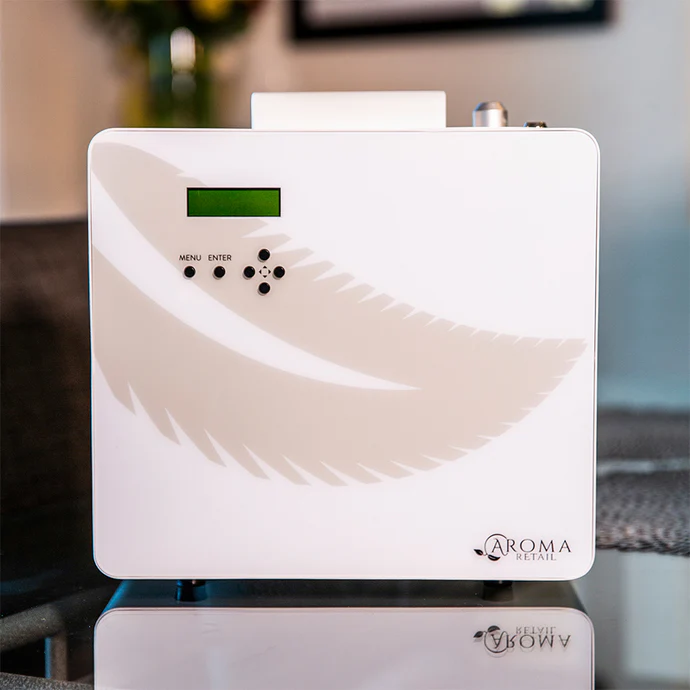
Aroma Retail
The Scent Machine Pro is an efficient whole-business solution for safe aromatics—ready to diffuse free-standing or ported into HVAC.Scent your entire medical office up to 10,000 sq. ft. on a timer and on-demand via an app in less than 5 minutes.
No. 4
Cost Considerations
Investing in an audiometer is a significant decision, and understanding the financial implications helps ensure a smart purchase.
Budgeting for Quality
While it may be tempting to opt for a lower-cost model, investing in a high-quality audiometer often results in better long-term value. Consider:
Durability and reliability
Warranty and service agreements
Cost of consumables and accessories
A well-built audiometer reduces the need for frequent repairs and replacements, offering better ROI over time.
No. 5
Exploring Financing Options
For practices with limited budgets, financing can make high-end equipment more accessible. Many suppliers offer:
Monthly payment plans
Leasing options
Deferred payment programs
Financing allows you to acquire the equipment you need without compromising on quality or functionality.
No. 6
Training and Support
Proper training and ongoing support are essential for maximizing the utility of your audiometer.
Access to Support
Choose a supplier that offers:
Technical support for troubleshooting
Training resources such as manuals, videos, and webinars
On-site or remote setup assistance
Reliable support ensures your team can use the equipment effectively and resolve issues quickly.
Takeaways
Audiometer machines are indispensable tools in the diagnosis and management of hearing loss. With a variety of models available—from clinical to screening and diagnostic units—understanding their differences and capabilities is crucial for making an informed decision.
In this article, we’ve covered:
The different types of audiometers and their ideal use cases
Key features to consider when selecting a device
Maintenance and calibration best practices
Cost considerations and financing options
The importance of training and technical support
By investing in the right audiometry equipment and maintaining it properly, clinics and hearing specialists can deliver more accurate assessments, improve patient outcomes, and enhance the overall efficiency of their practice. A well-chosen audiometer is not just a tool—it’s a cornerstone of effective hearing care.
Looking for Business resources?
Are you seeking ways to elevate your business to new heights? Dive into the array of resources provided by our esteemed business partners designed to empower your ventures.