The Business Case For Investing In On-Site Energy Solutions
In a rapidly shifting economic and environmental landscape, forward-thinking companies are under increasing pressure to reduce costs, enhance sustainability initiatives, and secure long-term operational resilience. As traditional business models evolve to meet modern demands, on-site energy solutions have emerged as a powerful pathway to achieve these objectives. More than a sustainable gesture, on-site energy investments have become a key strategic move that offers substantial financial, environmental, and operational benefits.
In this article, we explore the many advantages of incorporating on-site power generation into your business framework. From reducing energy costs and shielding operations from grid disruptions to accessing government incentives and enhancing brand reputation through sustainability, you'll discover a comprehensive breakdown of how on-site energy technologies can add measurable value to your enterprise.
No. 1
Reducing Operational Costs
One of the most immediate and tangible benefits of generating power on-site is the significant potential for cost savings. Conventional electricity sourced from utility grids is not only expensive but also affected by a volatile mix of fluctuating fuel prices, regulatory changes, and seasonal supply-demand imbalances.
By contrast, self-generated energy enables businesses to stabilize their power expenses and build a more predictable financial model.
Key Financial Advantages:
Lower electricity bills through self-reliant power generation
Protection from future price hikes in utility energy markets
Rapid payback periods, particularly with solar, often within 3–5 years
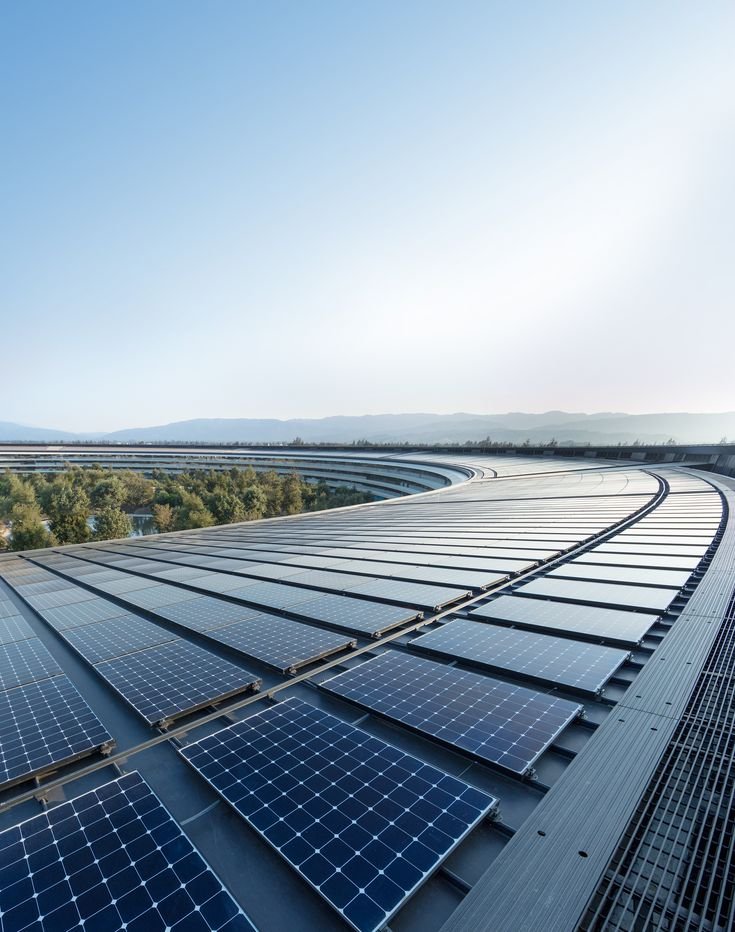
For example, the installation of high-efficiency rooftop commercial solar panels allows businesses to produce energy where it’s needed. Once the initial capital investment is recouped, the energy generated becomes virtually free, consistently reducing overhead costs and boosting the bottom line.
No. 2
Enhancing Energy Reliability and Resilience
In today’s digitally driven world, operational uptime is crucial. Industries such as manufacturing, healthcare, logistics, and data centers cannot afford power interruptions that compromise output, safety, and revenue. The increasing threat of blackouts, grid failures, or cyberattacks makes energy resilience a top priority.
On-Site Energy Benefits for Resilience:
Independence from grid vulnerabilities
Backup power assurance during outages
Integration with battery storage for seamless energy supply
Support for mission-critical systems in adverse conditions
On-site energy systems, when combined with technologies like energy storage batteries, provide that extra layer of assurance, ensuring your business remains fully functional and customer-focused—even when external infrastructure falters.
No. 3
Supporting Sustainability and Corporate Responsibility Goals
Sustainability is no longer a niche concern—it’s a mainstream business imperative. Stakeholders, including customers, investors, and regulators, increasingly expect companies to operate with environmental responsibility. On-site energy contributes significantly to these goals by reducing:
Reliance on fossil fuels
Company-wide carbon footprints
Energy waste and inefficiencies
Strategic Sustainability Outcomes:
Meet internal sustainability KPIs and ESG benchmarks
Enhance brand image with authentic green leadership
Appeal to environmentally-conscious consumers
Comply with evolving government climate mandates
Visible sustainability commitments foster deeper trust and brand loyalty, while internally, they nurture a culture grounded in responsible innovation and long-view thinking. A company that "walks the talk" on reducing its climate impact earns both reputational equity and competitive strength.
Rock Solar
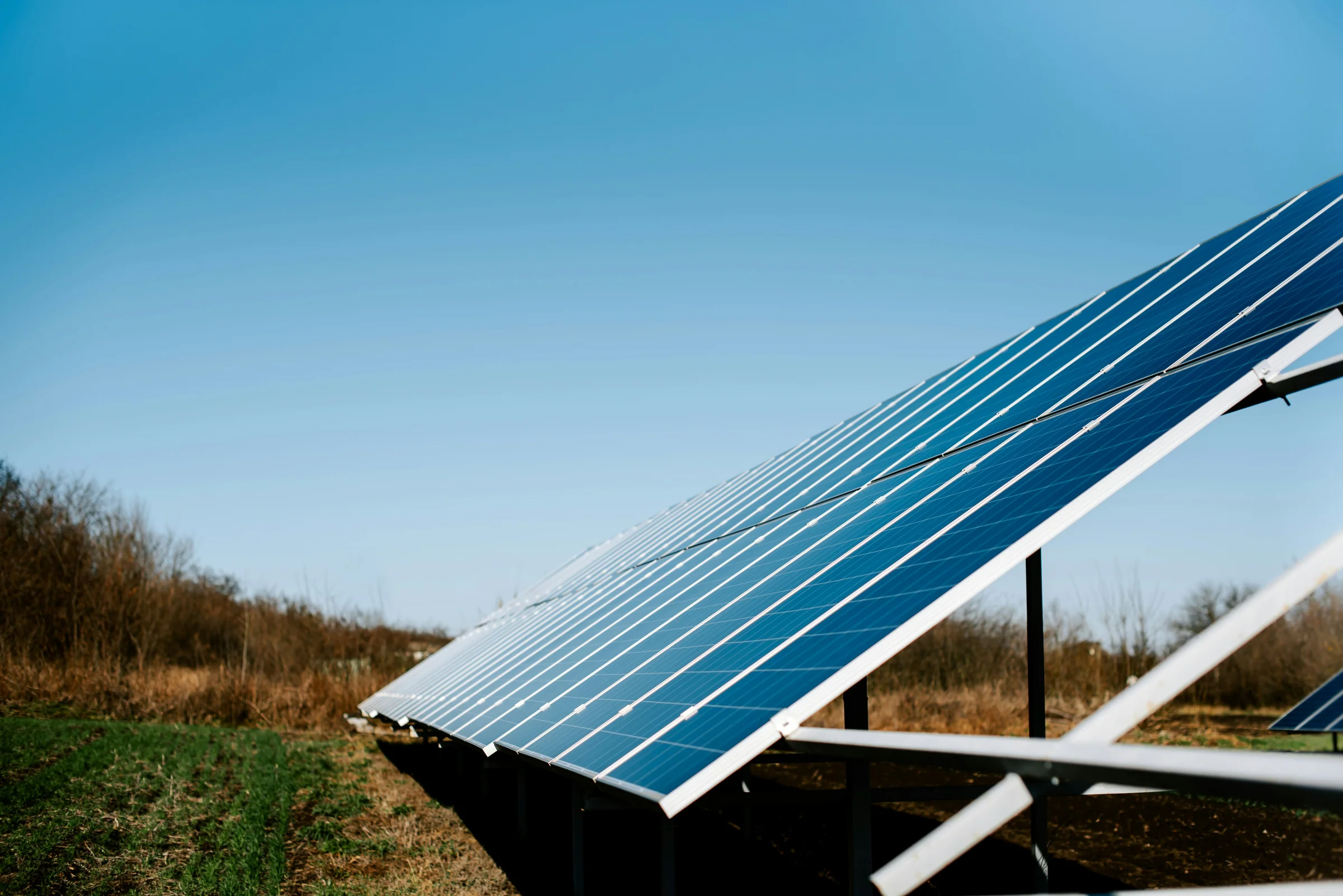
Empower your commercial and industrial operations with our cutting-edge energy storage systems. Achieve energy independence, reduce costs, and enhance sustainability with scalable and efficient solar solutions designed for high-demand environments.
No. 4
Accessing Incentives and Financial Support
Governments, both local and national, recognize the importance of clean energy adoption and are offering robust support to encourage uptake. As such, investing in on-site energy generation can come with compelling financial incentives that significantly reduce the net costs and speed up ROI.
Potential Financial Aids Include:
Federal and state tax credits (such as the U.S. Investment Tax Credit)
Rebates from local utilities
Feed-in tariffs and net metering for surplus power
Green financing options and low-interest clean energy loans
For instance, a solar PV project might qualify for Investment Tax Credits (ITC), reducing the upfront cost by up to 30%. In addition, many states offer net metering programs that allow businesses to sell excess electricity back to the grid, turning surplus into revenue.
These incentive structures not only reduce the financial barrier to entry but make it more viable for companies of varying scales to adopt on-site energy confidently.
No. 5
Long-Term Strategic Value
Beyond immediate cost-cutting and resilience upgrades, on-site energy investments offer compelling long-term strategic returns. These advantages can position a business to thrive in an energy marketplace that is increasingly decentralized and decarbonized.
What Long-Term Value Looks Like:
Increased real estate valuations due to energy self-sufficiency
Reduced exposure to volatile global energy markets
Future-proofing operations against regulatory and climate-related disruptions
Strengthened business continuity and stakeholder confidence
As the global economy shifts toward net-zero emissions goals, businesses with built-in sustainable infrastructure will be better positioned for compliance, funding opportunities, and future innovation. Your energy strategy today lays the foundation for your competitive strength tomorrow.
Takeaways: A Strategic Move for the Future of Business
In a world where every business dollar and decision matters more than ever, on-site energy solutions are no longer just an environmental ideal—they’re a smart financial choice and a forward-looking business strategy.
In this article, we’ve unpacked the core benefits of investing in self-generated energy: from lowering utility costs and safeguarding operations to meeting sustainability targets and accessing lucrative financial incentives. Combined, these advantages solidify the business case for adopting technologies like solar panels, wind turbines, and combined heat-power systems.
Companies that embrace this shift not only enjoy immediate ROI and stakeholder respect but also demonstrate a meaningful commitment to climate leadership—and future-proofing—at the highest strategic levels. In the coming decades, the question will no longer be why invest in on-site energy solutions, but why not start sooner?
Whether you're a corporate leader, operations director, or sustainability officer, the message is clear: the energy future favors those who build it themselves.
Ready to explore your next step?
Now is the time to assess your energy needs and identify the right mix of technologies for your organization’s footprint, needs, and values. Partner with reputable energy consultants or providers and begin your transition toward smarter, cleaner, and truly resilient energy independence.
Looking for Business resources?
Are you seeking ways to elevate your business to new heights? Dive into the array of resources provided by our esteemed business partners designed to empower your ventures.