Storage Solutions: How To Find A Unit That Fits Your Needs
When your home becomes too cluttered, the garage has no more room, and extra belongings begin to pile up, it’s time to find a solution that offers both relief and organization. Whether you're downsizing, planning a move, storing seasonal gear, or simply need more space, a storage unit can be a practical and flexible way to safeguard your possessions.
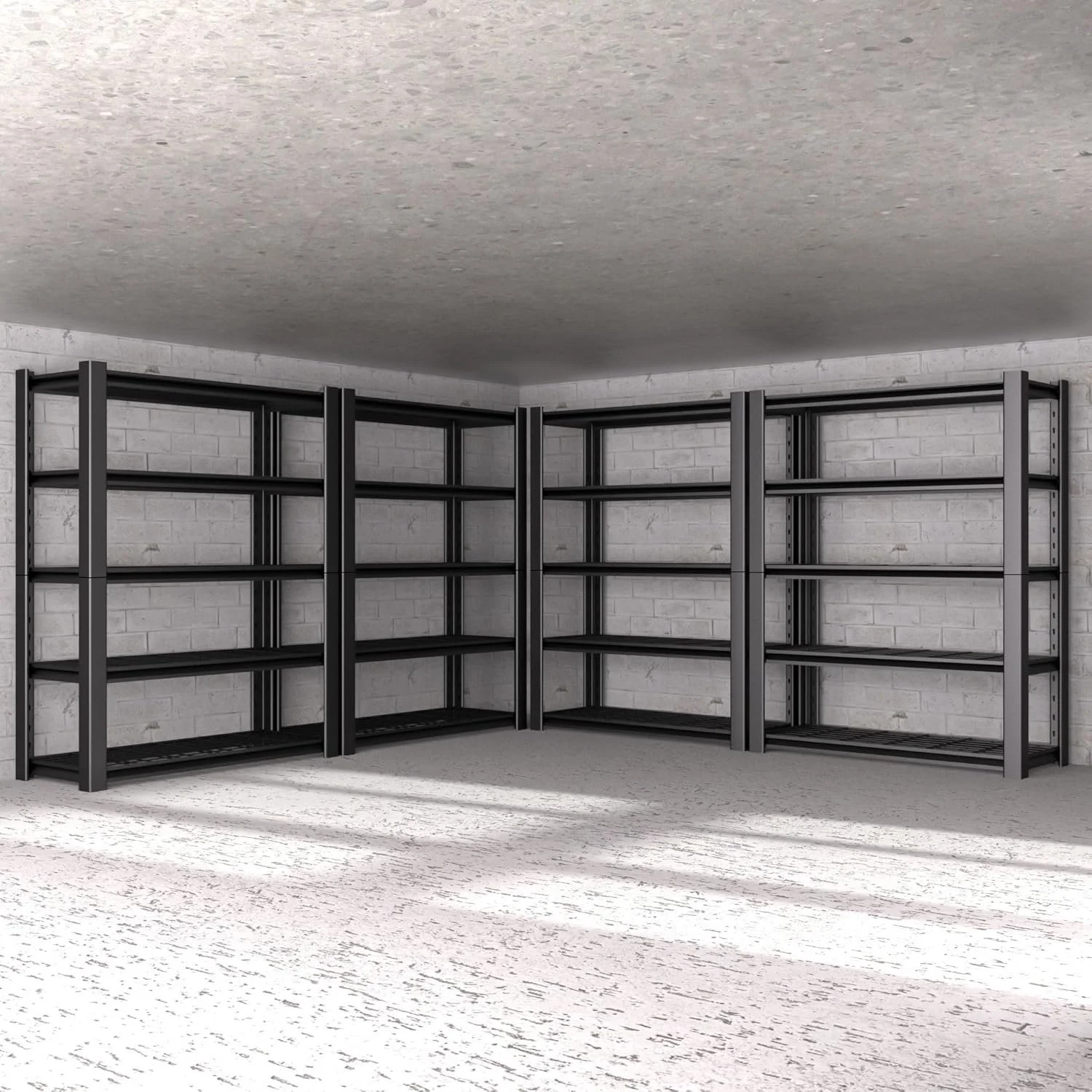
But with so many options available—ranging from basic self-storage to climate-controlled spaces and specialty vehicle storage—finding the right unit requires careful consideration. Before choosing, it’s helpful to visit storage places near me to check unit sizes, accessibility, lighting, and overall cleanliness in person. Not all storage is created equal, and the wrong choice could lead to unnecessary costs, security vulnerabilities, or even damage to valuable items.
In this article, we’ll walk you through everything you need to know about choosing a storage unit that best fits your personal situation. From understanding the types of storage available to evaluating security, size, environmental needs, and cost comparisons, this guide is packed with actionable tips to help you make an informed, stress-free decision.
No. 1
Understanding Different Types of Storage Units and Their Purposes
Storage units come in a variety of forms, each designed to meet specific storage needs. Selecting the right type ensures your belongings remain intact and accessible, no matter how long they’re stored.
Common Types of Storage Units:
Standard Self-Storage – Best for general household items, boxes, clothes, and furniture. These are the most readily available and affordable.
Climate-Controlled Units – Maintains consistent temperature and humidity. Ideal for sensitive items like electronics, musical instruments, artwork, antiques, and photographs.
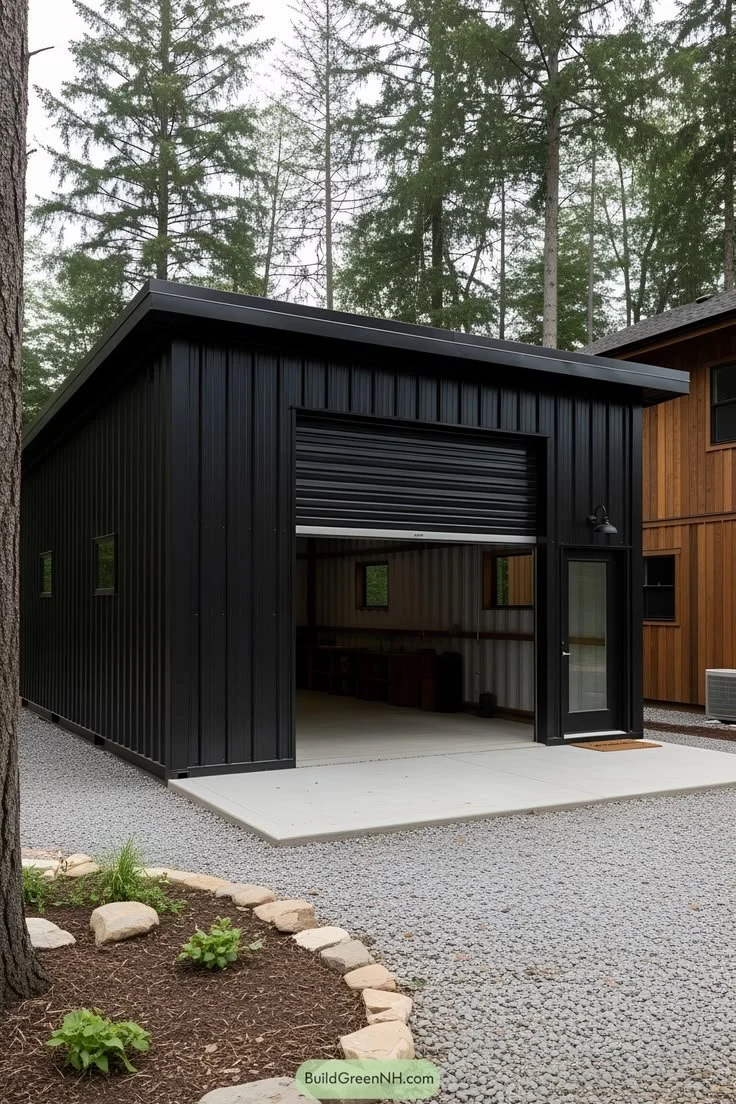
Vehicle Storage – Designed for cars, motorcycles, RVs, and boats. These come in indoor, covered outdoor, or open lot solutions.
Portable Storage Units – Delivered to your home, loaded on-site, and stored or relocated. Great for moving and renovation needs.
Before making your decision, visit storage facilities near you to inspect the unit types in person. Check for cleanliness, lighting, access hours, parking, and user-friendly loading areas. Seeing the space firsthand will give you confidence in your choice.
No. 2
Evaluating Size and Space Requirements for Your Storage Needs
Choosing the right size storage unit is just as important as selecting the type. A unit that’s too small may leave you scrambling for space, while one that’s too large may be unnecessarily expensive.
Quick Tips for Assessing Storage Space:
Inventory all items you intend to store before you start comparing units
Use size guides provided by facilities (e.g., 5x5 for boxes, 10x15 for furniture, 10x30 for whole-home storage)
Allow room to walk inside or add shelves if you’ll need regular access
Account for future storage plans, if more items might be added later
Stack boxes vertically to save space, but ensure heavy items stay on the bottom
Contact staff for custom recommendations based on your inventory list
Facilities often provide virtual sizing tools or consultation services. When in doubt, err slightly on the larger size to maintain ease of access.
No. 3
Security Features to Consider When Selecting a Storage Unit
Security should never be an afterthought. You’re entrusting a facility with your possessions, so robust protection should be a top priority.
Key Security Features to Look For:
24/7 video surveillance with clearly visible cameras
Gated access with individual security codes or badges
Well-lit premises, especially near unit doors and parking areas
On-site staff or security patrols
Individual alarms for each unit or door-entry notifications
Strong, tamper-resistant locking mechanisms
It’s also wise to visit the facility during off-hours to see how secure the environment feels. Ask about robbery protocols and whether there's insurance for specific incidents. Some providers even offer coverage bundles so that your items are protected against theft, fire, flooding, or other regional risks.
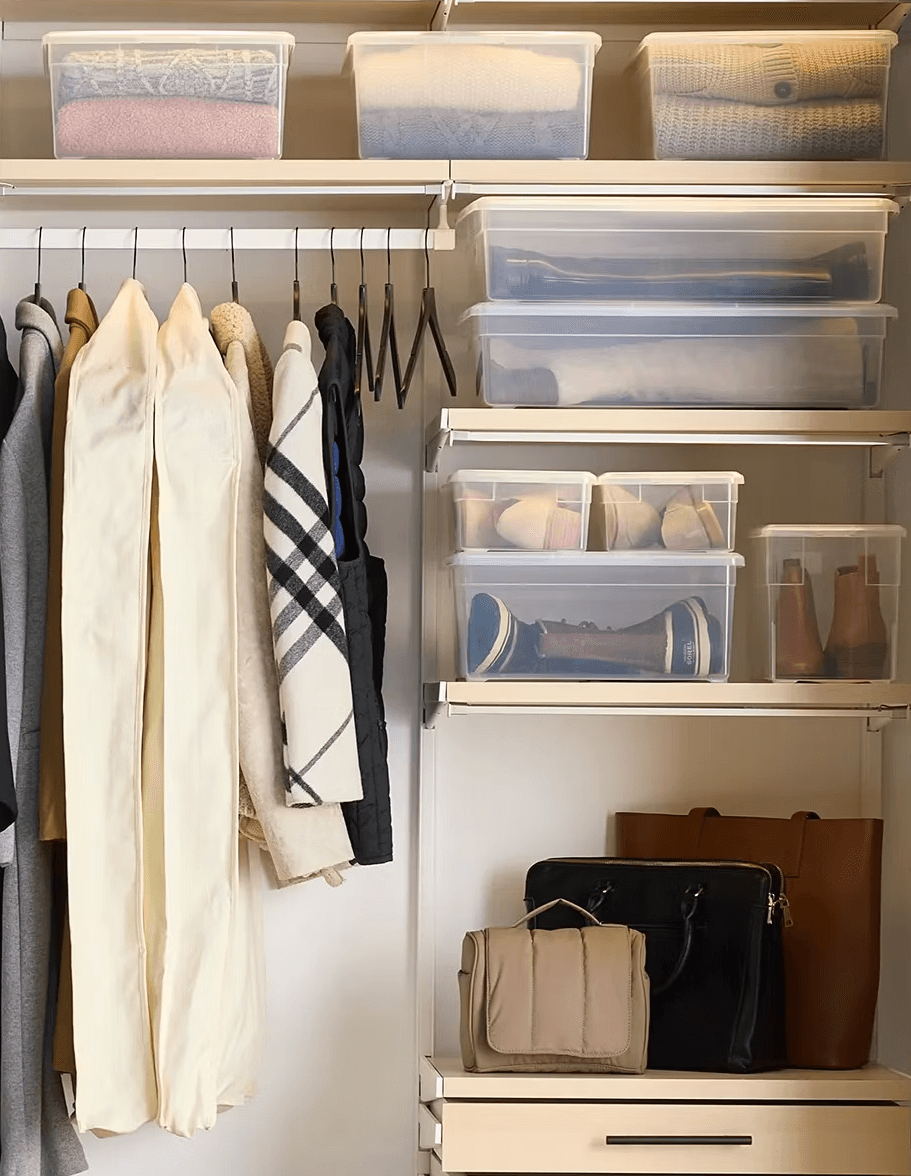
The Container Store
Your ultimate destination for innovative storage and organization solutions for home or office—offering everything from stylish bins and shelves to custom closet systems.
No. 4
Climate Control in Storage Units: Is It Necessary for Your Items?
If you're storing anything valuable, sensitive, or irreplaceable, climate-controlled units are often worth the investment.
These units protect against damage from temperature shifts, humidity, and moisture, which can wreak havoc on electronics, wood, paper, and fabric.
Items That Benefit from Climate Control:
Wooden furniture (to avoid warping or cracking)
Artwork and photograph collections (to prevent discoloration)
Electronics such as TVs, computers, and A/V equipment
Clothing, especially designer apparel and vintage wear
Musical instruments
Documents, books, and vinyl records
Also consider your geographic location. If you live in a region with high humidity, freezing winters, or scorching summers, climate control helps protect your belongings from mold, mildew, or thermal stress. It may cost more upfront, but it pays off in long-term preservation.
No. 5
Comparing Costs and Contracts: Finding the Best Deal on Storage Units
Storage unit rates can vary wildly—even between facilities in the same city. Understanding market prices and reading the fine print ensures you get fair value and aren’t caught off guard with added fees.
How to Get the Best Deal:
Compare multiple nearby facilities for size, price, and features
Take note of promotional offers for first-time renters or long-term contracts
Ask about discounts for pre-paying or signing up online
Carefully read rental agreements to uncover add-on fees:
Administrative charges
Late payment penalties
Fees for extended access or special services
Also consider contract flexibility. Month-to-month rentals are typically the most versatile, particularly if you're unsure how long you'll need the unit. Review cancellation terms and notice periods, and be clear on cleanout procedures to avoid retention fees.
Takeaways: A Smart Storage Strategy Simplifies Life
Finding the perfect storage unit is more than just a logistical chore—it’s a chance to create space, reduce stress, and preserve the things that matter most. But it requires smart planning, careful comparison, and a clear understanding of your storage goals.
In this article, we’ve walked through the five key areas for making the right decision:
Understanding the different types of units available
Evaluating your size and storage requirements
Prioritizing security and access control
Deciding whether climate control is necessary for your items
Comparing costs, contracts, and flexibility before you commit
By approaching the storage selection process methodically, you’ll ensure your items are stored safely, affordably, and conveniently—giving you clarity and peace of mind.
Whether you’re storing for a month or a year, with the right steps, your belongings will remain in perfect condition, patiently awaiting the day they’re needed again.
Looking for Home resources?
Looking to enhance your living space and create a sanctuary that supports your well-being? Explore our home partners who offer a wide range of resources to elevate your home environment.